“We Just Want Peace”

“We Just Want Peace”

Naomi Farahan of Carmel, Indiana, is a rising senior at University High School.  She is the founder and editor in chief of the U Post – her high school’s online publication, president of the Young Democrats Club and participates in a number of other activities.  Naomi has a close connection to Israel and has always been an advocate for the country.  This summer, she is traveling Israel with Young Judaea’s Discovery program, after receiving theHadassah Leaders of Tomorrow Award. This highly selective merit-based award gives two high school women the opportunity to receive full tuition for a four-week Young Judaea Teen Summer Program in Israel.  


Israel is made up of many relationships. Some are intricately intertwined, winding and balanced. Others are constantly on edge, leaving neighbors at war with one another. This week, we explored these relationships and how they impact Israeli society as a whole.

We met with Arab-Israeli teenagers as a part of a coexistence seminar. I spoke with several girls my age. They wore gold glitter eyeliner and T-shirts with incoherent English writing. My grandmother used to buy me these same shirts when she visited Israel. We talked about the American television shows that they watch and the American singers that they like. They taught us the most “critical” Arabic curse words they thought we should know.

As you might imagine, neither group was completely comfortable. They laughed nervously when asked about the consequences of marrying a Jew. The response: “What would your parents do if you married one of us?” Even in broken English, this question carried the weight of historical tension and quite a bit of wit.

There were mixed conversations on the topic of Israel’s relationship with Hamas. Some offered conspiracy theories and dissenting views. In our group, the teenagers simply stated, “We want peace.” This is easy to say, but hard to define. They all agreed that they felt ties to their country as well as their religion.

Later in the week, we met with Jewish-Israeli teenagers. They were forced to evacuate their homes because of the looming threats of missiles. In some ways, this conversation was more awkward. Perhaps this is because we worked less hard and assumed a connection would come easier because they were Jewish. My Hebrew should have been better, and they said the same about their English.

Once we became more comfortable with one another, these teenagers shared stories of sirens and rockets. They showed us videos and picture collages of missiles from Gaza meeting defense missiles shot from the Iron Dome. They showed these images nonchalantly, which reinforced the feeling that I am just a guest here. The political climate here is their reality.

Our hostel was located in a Druze village, which provided a unique perspective on religion in Israel. Our Druze host explained the history and ideals of his religion, saying that reincarnation is the ultimate trust in god. The belief that each individual can trust that there is something beyond the suffering he/she experiences in any given lifetime. I found the Druzim to be incredibly reflective in their collection of ideas from different religions and centuries.

The common factor for all of these people, of course, is a vibrant belief in god. As a result of this belief, there are several common factors across cultures. For instance: respect for family, passion for religion, and the use of food as a means of hospitality. But it is easy to notice the aspects of our cultures that unite us, and hard to openly discuss and solve the issues that tear us apart. Politics is not as easy as a group of teenagers from different parts of the world sharing ideas about the future. I suppose I can only hope that things will change. Especially considering this ceaseless, unrelenting push for a cease-fire. Like the Arab-Israeli teenagers said, “We just want peace.” I wish it could be that simple.


Taking Steps to Heal the World

Taking Steps to Heal the World

Jamie Smith of Lexington, Kentucky, is a rising Junior at Henry Clay High School and one of two Leaders of Tomorrow Awards from Hadassah, which awards a full scholarship to  young women to travel to Israel with Young Judaea’s teen summer programs.  She was introduced to Hadassah through her mother who is a past president of their local chapter. As one of only three Jewish students at her school, Jamie was excited about her opportunity to join Young Judaea’s ‘Discovery’ tour  to “explore her Judaism in the context of Israel and meet other Jewish teens who are leaders in their communities.”

It’s hard to believe that the trip is already over. Four weeks gone, just like that. Of course, it wasn’t just four weeks on a bus in Israel with the same people.  In addition to a few days in Greece before meeting the second half of the bus, we also had one week, called Special Interest Week, where we spent our time in one of four optional week-long options. Some of my bus-mates did Gadna, a simulated training for the IDF that all Israeli high school students go through. Others climbed mountains and hiked from the Mediterranean Sea to the Galilee, and others  took classes and dove in the Red Sea while getting their scuba diving certifications.   I participated in Tikkun Olam¸ a week of volunteering in Jerusalem, that included some pretty amazing service projects.

The first day, we went to an organization called Shekel. Shekel is a factory where disabled people make crafts to sell.  In addition to giving them a productive activity and a supportive social group, Shekel strives to give people that are so often considered dependent, a sense of accomplishment and pride in their work. We got to work alongside some of Shekel’s participants and meet them.  Many of them spoke English well so it was easy to communicate.  I soon found out that this was one of the sweetest groups of people I’d ever met.  One woman told me that she had moved from London to Jerusalem.  We talked for hours about what she missed from England, whether I like chocolate cake a la mode, and about her interests and mine.  At the end of the visit she told me to come visit her soon. One man I met taught my friends and I a little bit of Hebrew and we taught him a fist bump handshake.  It was beautiful to get to see how happy all of these people were and it was equally beautiful to see how happy they made us. It was nice to feel like I had made someone’s day a little bit better and felt that I had taken a lot from them as well.

The next day, we volunteered at a community garden. We helped build two knee-high rows of mulch in a field for plants that would help save more of the water on the rare occasion that it rains. Basically, the rows would cause the water to slow down (it was a downhill slope) and allow more water to drain into the ground instead of just running into the street. It was hard work because we were shoveling and digging into the ground on a hot day in Israel, so that made the experience all the more memorable. We all felt accomplished when we could see the results and the manager of the garden thanked us for helping him finish his project. We won’t get to see it when plants actually grow there, but I hope the people who live around it enjoy the plants.

The last two days, we helped out with something called the Ethiopian Bar/Bat Mitzvah project. It gives Ethiopian children who have immigrated to Israel the opportunity to have a bar/bat mitzvah. They get paired with Bnei Mitzvah from Britain and are taught everything necessary to become a Bar or Bat Mitzvah. We had the opportunity to teach them some Hebrew songs and then attend their B’nai Mitzvah. It was amazing seeing how excited all the kids were to sing the prayers and become Bnei mitzvah. After the ceremony, we got to dance with them and we all had so much fun. Tikkun olam means healing the world, and with our work in special interest week, I feel like we took some small but important steps to healing the world. I learned a lot, and I’m glad I chose tikkun olam as my special interest week option.

Taglit-Birthright Israel: Young Judaea by the Numbers

Taglit-Birthright Israel: Young Judaea by the Numbers

2:  The number of Young Judaea buses that participated in Taglit-Birthright Israel’s Mega Event.

7:  The number of partner and specialty buses we brought, including  Second Timers, J Connect Seattle, Birthright Plus, The Columbus Federation, two New Age groups, and a Friends and Family bus.

8: The number of universities that came on Taglit-Birthright Israel with Young Judaea, including two buses from Tulane, and one each from Stanford, Berkeley, Clark, BCI, WPI , VCU, and University of Minnesota.

13:  The number of our  staff members who are Young Judaean alumni, out of 36 total staff.

38: The number of students on Birthright Plus that spent a week at Kibbutz Ketura, founded 40 years ago by Young Judaeans.

46: The number of US States and Canadian provinces our participants represent – we even had a participant from the Netherlands!

80: The number of students who participated in Co-existence Seminars at Kibbutz Ein Shemer, meeting young Israeli Arabs and discussing serious issues.

117: The number of students who extended their trips to explore Israel by themselves.

260: The number of students who participated in workshops at Cramim, the Dead Sea, Hangar Adama, and Shirat Midbar covering desert ecology, homeopathic medicine, dance, and water therapy

280: The number of North American students who were hosted by 56 Israeli families and experienced their unique homes and hospitality.

440: The number of students who volunteered at a diverse array of Israeli NGOs including Yad Lakashish, Leket, Mata Shel Hofesh, Maagale Tzedek and Livnot U’lehivanot.

529: The bus ID number of our Clark trip that learned how to surf in Tel Aviv.

1994: The year Carmi Gilon, who spoke to our Stanford-Berkeley bus, became the head of the Shin Bet, Israel’s equivalent of the FBI.

Countless: The number of memories made while our groups bathed is an ancient Mikveh, rolled down sand dunes, met Israeli Jews, Arabs, and Druze, went snorkeling in the Red Sea, tasted a bunch of Israeli wines, had an eye opening experience in Tel Aviv as they walked through the graffiti tour,  learned about the Holocaust from a survivor, crawled in underground man-made caves, practiced meditation, enjoyed yoga classes, marched in the Gay Pride Parade, and so much more.

Seeing Israel Through Art

Seeing Israel Through Art

By Erin Phillips, WUJS Arts Track Participant

Art is a wonderful filter through which to view life and gain a unique perspective and understanding of people, places, cultures, and societies. As part of the WUJS Arts Track, I’ve been able to experience many different aspects of Israeli art that I wouldn’t have been exposed to otherwise. Our weekly Arts Track activities included visits to museums and art galleries – The Israel Museum in Jerusalem is incredible and was one of the highlights of the program – screenings of Israeli films including Waltz With Bashir, Walk on Water, and the documentary film Life in Stills, after which we visited the photography shop and met with the young owner featured in the film; a cutting-edge, multimedia dance performance by the Inbal Pinto & Avshalom Pollack Dance Company; and a concert by the popular Israeli band Hadag Nahash in our home neighborhood of Florentine.

Our last two activities were a culmination of everything we’ve been doing over the past five months. For the final WUJS exhibition, the artists put together a showcase of the projects we’ve all been working on in addition to our internships. One by one we got up in front of the rest of the WUJS participants, WUJS staff and several representatives from MASA to explain our art and speak about our experiences here in Israel. One person wrote an entire screenplay; another put together a stop motion video of her work as a makeup artist. One of my roommates designed and made jewelry, and my other roommate produced black and white photographs printed on plywood boards. I read a long poem. To represent the internship track, another WUJS participant gave a speech about the meaning of home. It was a really positive evening amidst the tension, anxiety and sadness over the current ongoing events in Israel and Gaza.

This week we had our final meeting at the Rubin Museum on Bialik Street (named after Israel’s national poet), where Ehud, the Arts Track coordinator, also works as a tour guide. The museum is the former home of painter Reuven Rubin, an important Israeli artist who was one of the founders of the Eretz-Yisrael style in the 1920’s and whose depiction of Palestine and the state of Israel in its formative years has become iconic. The museum houses a permanent collection of his works, and his studio on the top floor has been preserved as it was during his lifetime. We’d seen works by Rubin in almost every museum we’d visited, and it was a fitting place to discuss what we’d done and seen over the course of the program, tie everything together, and say goodbye.

Our dedication to our ideals has been tested, and we have come out stronger as a result

Our dedication to our ideals has been tested, and we have come out stronger as a result

Naomi Farahan of Carmel, Indiana, is a rising senior at University High School.  She is the founder and editor in chief of the U Post – her high school’s online publication, president of the Young Democrats Club and participates in a number of other activities.  Naomi has a close connection to Israel and has always been an advocate for the country.  This summer, she is traveling Israel with Young Judaea’s Discovery program, after receiving theHadassah Leaders of Tomorrow Award. This highly selective merit-based award gives two high school women the opportunity to receive full tuition for a four-week Young Judaea Teen Summer Program in Israel

I’m sitting here, exploring metaphors about tourist attractions, and I feel like I’m lying about my Israel experience. Those metaphors seem like a world away. We hiked up Masada, floated in the Dead Sea, and lived on a Kibbutz for two days. I saw colors I don’t know the names of and experienced moments of true silence, true self-reflection and peace. But in the days since, I caught true glimmers of what it means to live in Israel.

Yesterday we spent our last night in Naharia. Shabbat was complicated; we were in the hostel as a result of last minute safety concerns. Our counselors spent the past week juggling news updates with schedule changes in order to provide the safest trip possible. But it is tense here. It is as if we are constantly contorting ourselves in order to be tourists here. Our itenirarary is flexible, shifting as the political climate bloats with tension.

If you’re reading this, I’m sure you know that a rocket hit in an area near our hostel in Naharia. I wish I reacted quicker. I wish I had known that the siren meant more than a tornado warning in a nearby county, but my brain is not synced with the land here. It took two seconds for me to recognize what was happening around me. I shouted out and sprinted down the stairs to find a small alcove beneath the staircase. I must have looked like an electrocuted cartoon, shaking and praying until we got the signal to run to the nearest bomb shelter. But I found safety in my friends’ presence. For the rest of our lives, we would look back on this moment and remember that we came out of it together.

I feel exceedingly guilty. At the end of this trip, I’m going back home to Carmel, Indiana. I will feel comfortable amongst the familiar cornfields and dairy farms. So, I can say that I am immersed in Israeli society. I can tell you that I am experiencing the culture, that I have been welcomed as a part of this impenetrable sense of unity. Much of this is true. But in reality, I’m just a visitor. I’m just the observer who happened to get her boots dirty. I just hope this experience propels me to become a better leader in the future.

But our week has also been a series of inside jokes, feelings of awe, and reflective activities. Last week, Jamie (your other faithful blogger) and I lead an activity with the rest of the group. We had everyone stand in a circle, and asked them to step forward when we mentioned statements that applied to their personal identities. For instance, we read the statement: “If you laughed when a friend made a Jewish joke, step into the circle.” We asked the group to pay close attention to what made them surprised and uncomfortable about everyone’s responses. This provided a sense of connectivity. Every one of us has a Jewish identity that is unique and significant. At the same time, we are not alone in our questions and cultural practices. Group discussions stressed this sense of unity as we reflected on our relationships to the questions asked.

In the Negev, we tumbled down the side of a sand dune. We sled down the hill as if we were back at home, pretending not to know the words to Christmas songs. Our water bottles, contact lenses, and fingernails collected sand. My hair still contains traces of the Negev, despite my consistent showering. While we were there, our tour guide had us sit quietly in the desert. It was not an instinct to funnel out AP scores and blisters. Rather, we yearned to be at peace, we ached to find pieces of ourselves in the wind as it whipped past our ears.

We came out of this week as a more unified, informed, and experienced group of people. Our memories will be tainted, but they will last through the years. They will play a pivotal role in shaping our identities. We have played the part of Israelis, no matter how inaccurate our portrayal might have been. Our dedication to our ideals has been tested, and we have come out stronger as a result.

Midsummer Leadership Training Seminar

Midsummer Leadership Training Seminar

Over the weekend of July 18 – 20, 39 teenagers gathered for the first-ever Young Judaea Midsummer Leadership Training Seminar at its senior leadership camp, Tel Yehudah, in Barryville, NY.  Ranging from ages 14-16 and hailing from New York, New Jersey, Florida, Puerto Rico, Texas, South Carolina, Illinois, Maryland, California and Israel, these teens met for four days to learn and explore what it means to be a leader, gaining valuable skills along the way.
While the program originally had elements about teaching Israel, the current situation posed an unexpected challenge for us and for the teens. Rather than beginning with the usual ice-breakers and get-to-know-you games, we opened the seminar with a special briefing for teens along with many of the other youth organizations also challenged by the current situation. The briefing, with Oren Marmorstein, Minister of Public and Academic Affairs of the Israeli Embassy, gave the teens a different perspective from what they had been getting at camp, both from their counselors and from the news coming into to Tel Yehudah over the past few weeks.

[slickr-flickr tag=”midsummer”]
Up for the challenge, the teens processed this information well, and integrated much of it into our planned programming. There were activities about character development, learning about working with children by digging into their own childhoods and learning the philosophy of the great Jewish Polish educator Januscz Korczak. The teens explored group and individual identity with a viewing of the “Breakfast Club”, leared a bit about game theory and planned their own peulot (activities) for a variety of age groups. One morning, we commemorated the 50th anniversaries of Freedom Summer (when scores of college students headed to Mississippi to assist with voter registration) and the signing of the Civil Rights Act. As socially aware and active Judaeans, we felt that we could not let this important period end without discussing the current status of civil rights in the United States. Of course, we celebrated Shabbat with prayer and reflection and said goodbye to her with song and dance!
The final activity dealt with the situation in Israel, but through the eyes of Judaeans living there and how they are coping with the day-to-day rocket fire and the humanitarian crisis in Gaza. We were privileged to have an Israeli with us, who shared her own experiences in her youth movement and how she and her peers handle something no teenager should face.

After the four days, 10 of the participants stayed at Tel Yehudah  for  second session and the rest went home to finish out their summers. There is no doubt that  all of these teens will bring something more home with them and we will see a stronger Young Judaea and a great future for the teens and for YJ.

Every life is invaluable, and every loss is a tragedy.

Every life is invaluable, and every loss is a tragedy.

Jamie Smith of Lexington, Kentucky, is a rising Junior at Henry Clay High School and one of two Leaders of Tomorrow Awards from Hadassah, which awards a full scholarship to  young women to travel to Israel with Young Judaea’s teen summer programs.  She was introduced to Hadassah through her mother who is a past president of their local chapter. As one of only three Jewish students at her school, Jamie was excited about her opportunity to join Young Judaea’s ‘Discovery’ tour  to “explore her Judaism in the context of Israel and meet other Jewish teens who are leaders in their communities.”

Last time I wrote, we had only been in Israel for two days.  I’d seen Jerusalem and that was about it.  Don’t get me wrong, that was amazing, but now we have had opportunities to experience a fuller picture of Israel.

One night, we went on camel and donkey rides. That was probably one of my favorite parts of the week. That night, we stayed in the Bedouin tents. It was so much fun and such a unique cultural experience. The next morning, we woke up at 4 am (yes, you read that right) and hiked Masada to see the sun rise from the top. It was beautiful. We stood on the edge, just staring at the sun as it rose above the peaks of the mountains in the distance. That was a wonderful moment.

One of the more unifying moments of our group was when Naomi and I led our activity. We had people stand in a circle and step inside when a certain statement applied to them (such as “step in if  you have been made to feel uncomfortable because of the level of strictness/leniency with which you practice Judaism”). Our goal was to connect people and show how similar we all were in many aspects, but at the same time prove that people come from different backgrounds and have had different experiences to deal with in their lives. Although we were nervous, it went really well and was actually a nice bonding time.

Now, a more serious note. After our intense repelling and hiking experience, we talked about the current conflicts going on in Israel. Our counselor, Hillary, read us Benjamin Netanyahu’s speech to Hamas. We all discussed what we thought the outcomes would be. Many of us agreed that although the situation is scary, we are not worried for ourselves, but rather, for Israel. Having been in Israel during times like this, we feel so much closer to the country. Our tour guide for Kibbutz Ketura, Yuval, was drafted during our stay there and left unexpectedly. This makes us much more invested in the events of the impending conflict. It is not only the outcome we are concerned with, but also the casualties along the way. Every life is invaluable, and every loss is a tragedy. This is what worries us.

I said I was worried yesterday when I originally wrote this, but now I feel I need to add an important experience into this blog. It only makes sense. I was with a few friends by the vending machines in the hostel when the sirens went off. It took us a second to register the noise, but when we did, we had a split second moment of staring, open-mouthed, at each other in disbelief before we ran. Someone said “go” and we sprinted down the stairs and dove under an alcove under the stairs. We lay there until the sirens stopped, then waited two more minutes, just as we had been told. Eventually, another man came and led us to the bomb shelter, where we sat for a bit, all just hugging each other and many of us still in shock. I honestly didn’t know how far removed I felt from the situation in Israel until this happened. Now I know. I felt completely separate, as if there was no chance we would have a missile come anywhere near us. I know better now. We all do.


A WUJIE’s Guide to Tel Aviv’s Best Shakshuka

A WUJIE’s Guide to Tel Aviv’s Best Shakshuka

Israel might be the land that figuratively flows with milk and honey, but Tel Aviv is literally a city knee-deep in dishes of eggy tomato sauce. Sound strange? So, arguably, does the name given to the contents of these dishes: shakshuka. Don’t let potential pronunciation blunders put you off, though; shakshuka is well worth getting your tongue around, in all senses. Ladies and gentleman, I’ve even made my own while I’ve been on WUJS (unsurprisingly, it doesn’t feature on the below list). Shakshuka is hard to avoid even on a holiday to Tel Aviv, so while living here for five months as a WUJIE it’s no great shock that it has become a staple of my diet.

Shakshuka is a simple yet sublime breakfast, lunch or dinner that, in my experience, rarely fails to hit the spot. But that doesn’t mean there aren’t winners and losers in the dog-eat-dog world of Israeli cooking. For fear of stirring up the wrath of local restaurateurs, I’ll steer clear of the losers for now and just review my personal favourite shakshuka spots in my new favourite city.

1. Café Kasbah, Florentin

When you Google ‘best places to eat in Tel Aviv’, this hipster paradise features on almost every search result. Walking in, it strikes you that the place is a microcosm of Tel Aviv itself: cool, laid-back, long-haired, full to the brim with dogs. I’m especially fond of it because it’s where my roommates and I went for lunch the day we arrived in Israel for our WUJS program. However, that was back in the dark days before I discovered Kasbah’s shakshuka. They don’t scrimp on portions here, so the shakshuka is a solid size. Not quite Man vs Food-worthy, but just the right amount.  It’s got a good kick of spice, and comes with a hefty side of bread. Fellow carb-addicts will appreciate the vital importance of this. Ten out of ten.


2. Aroma, all over Tel Aviv

I’m not ashamed to say that Aroma is one of my favourite things about Israel. There’s no joy quite like the sight of that big black coffee cup on the side of the road when you’ve been driving for hours. If you’re looking for a fast shakshuka at a WUJIE-friendly price, Aroma is the spot. The ice cafe on the side is mandatory, obviously.


3. Fresh Café and Kitchen, all over Tel Aviv

Any meal that comes with a drink included gets my vote. Order a shakshuka in Fresh and a fruit juice arrives too. There’s the perfect ratio of egg to tomato sauce in this one – but I’m a fan of an eggy shakshuka, so if egg overload isn’t your thing this might not be the one for you. Fresh Cafés are usually found in the ‘nice’ parts of town – Ibn Gvirol and Dizengoff, for instance – so you can watch the yummy mummies promenading as you eat.


4. Dr Shakshuka, Yafo

In case the name wasn’t clue enough, this Jaffa joint is solely dedicated to my new favourite Middle Eastern meal. It’s probably the most famous shakshuka place in Israel, so you’ll want to go just to say you’ve been. As it’s their speciality, this is top of the range eggy tomato sauce. Go in the morning to experience Dr Shakshuka at its best.

It felt like home to all of us, whether or not we had been in Israel

It felt like home to all of us, whether or not we had been in Israel

Naomi Farahan of Carmel, Indiana, is a rising senior at University High School.  She is the founder and editor in chief of the U Post – her high school’s online publication, president of the Young Democrats Club and participates in a number of other activities.  Naomi has a close connection to Israel and has always been an advocate for the country.  This summer, she is traveling Israel with Young Judaea’s Discovery program, after receiving theHadassah Leaders of Tomorrow Award. This highly selective merit-based award gives two high school women the opportunity to receive full tuition for a four-week Young Judaea Teen Summer Program in Israel.  


It’s been more than a week since I last wrote, which seems impossible. The clichés are true – time moves fast when you’re having fun, but I also feel as if I have known these people for years. Time is warped here on the Discovery program. I fall asleep when I shouldn’t and I’m always slap happy and just when I think I’ve recovered from jet lag, my eyelids stiffen as if to taunt me. This culminates to provide me with the experience of a lifetime.

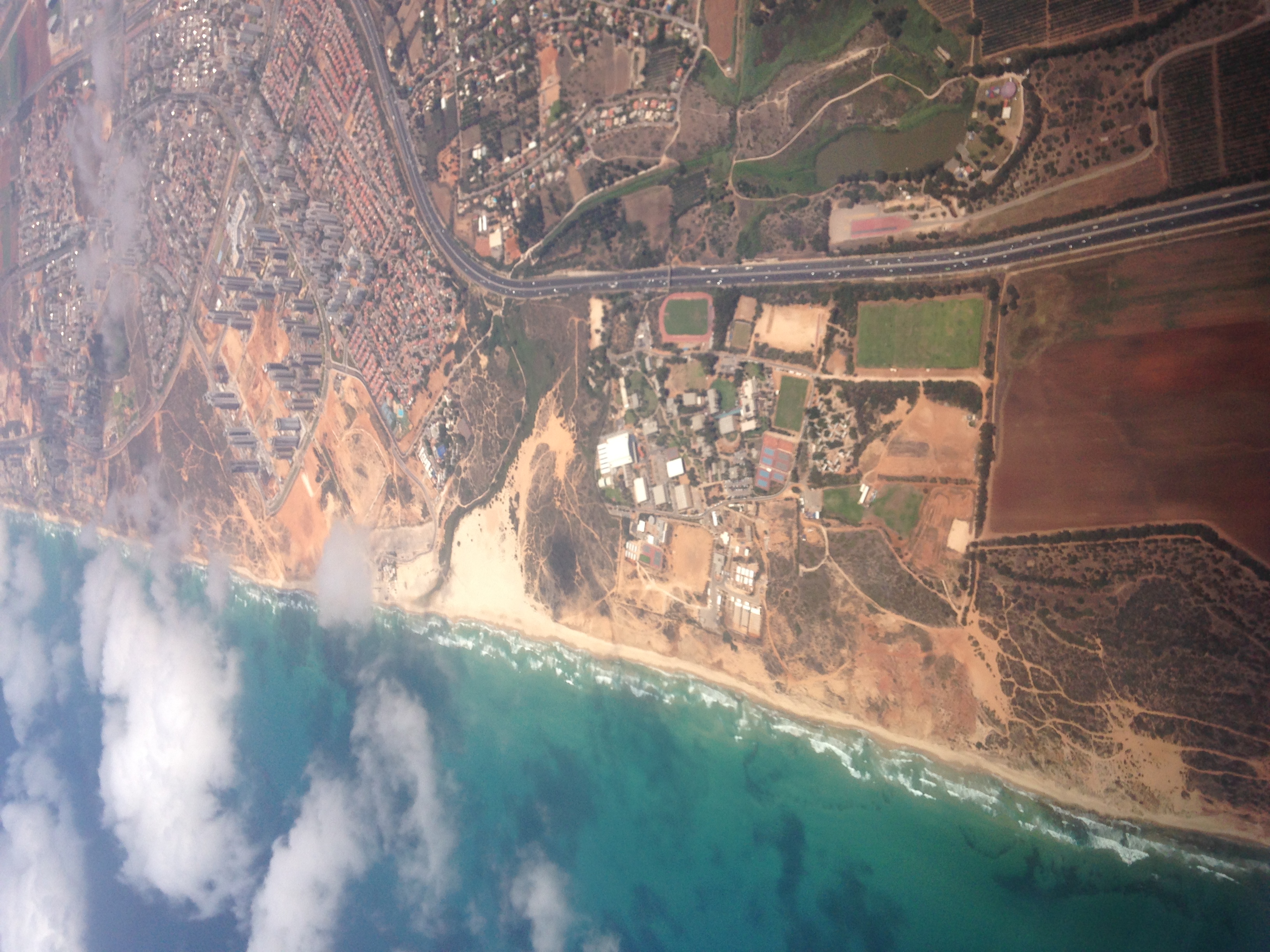
Israel from the Airplane


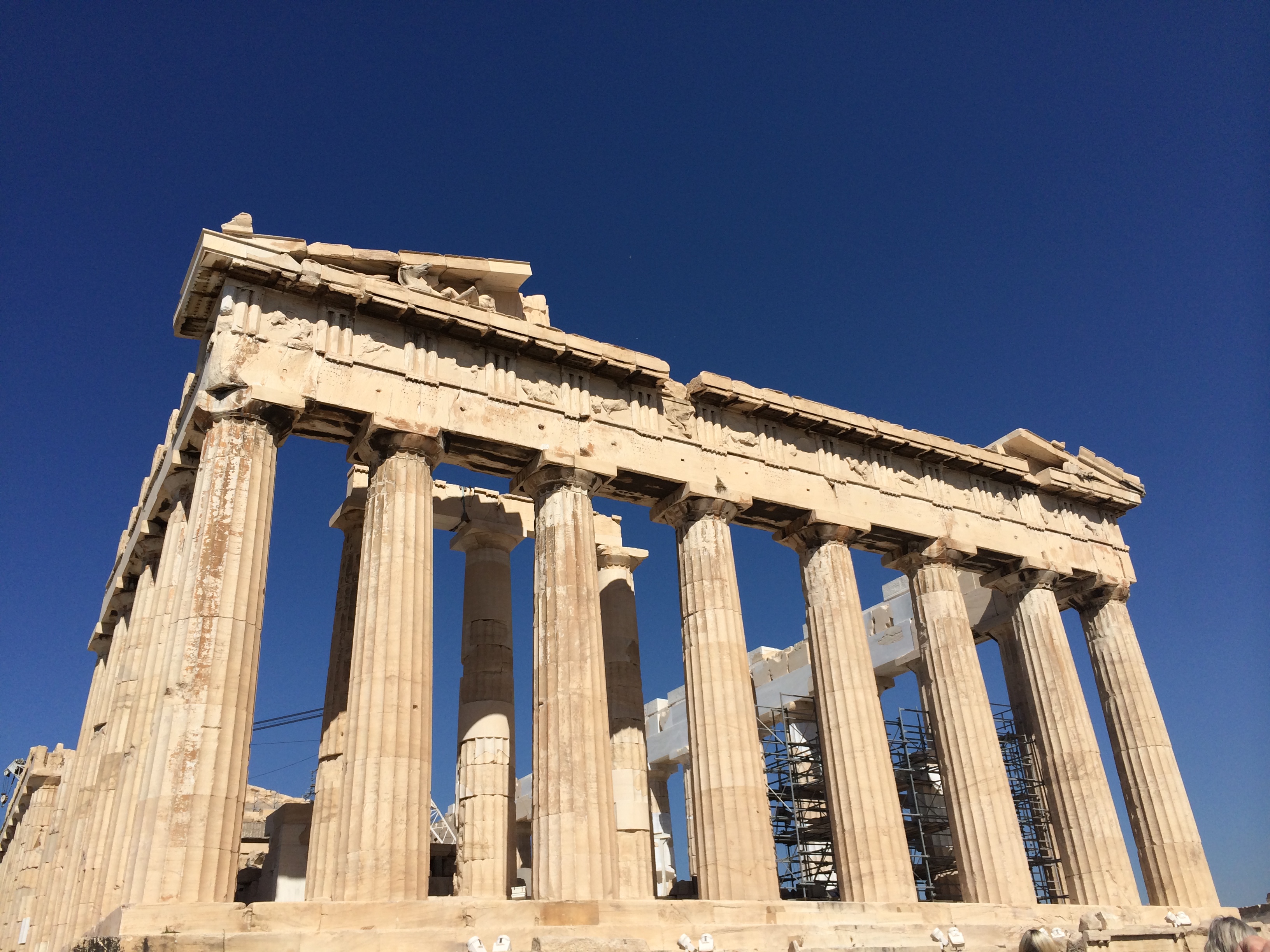
Our Teva sandals seemed to shuffle on their own as we lugged around Greece. The Parthenon, in all its glory, stood as an origin story for our society’s prized ideals. People from all over the world gathered to “ooh” and “ahh” at curves of the columns and the birthplace of democracy. Languages hummed together to sound something altogether unfamiliar. Words could be picked out, but the sound was a general reverberating appreciation of the Acropolis. Of the beautiful Athena and what is left of her city. We also hiked across three Greek islands with our tour guide, Adonis. Our iPhone camera rolls became National Geographic covers, despite our lack of technical skill. The scenery begged to be taken in, to be painted and to be written about.

The Parthenon
The Parthenon


As you might have read in my first blog post, I was nervous about meeting the other Discovery kids. I’m here now, sitting on the bus on the way to the Dead Sea participating in three conversations at once. I feel as if I have found parts of myself in the other kids here. We are all very different, and we come from different places – France, Missouri, Puerto Rico, and New York – but for many of us there is a quickly developing connection that makes each day all the more exciting.


We arrived in Israel on Thursday. As the plane neared Ben Gurion airport, strangers formed an impromptu choir. We sang Hallelujah and Havah Nagillah as we looked out the window. My friend, who is in Israel for her first time, found herself tearing up. The greens and reds outside our window were familiar to her. The soft beiges felt like home to all of us, whether or not we had been in Israel.

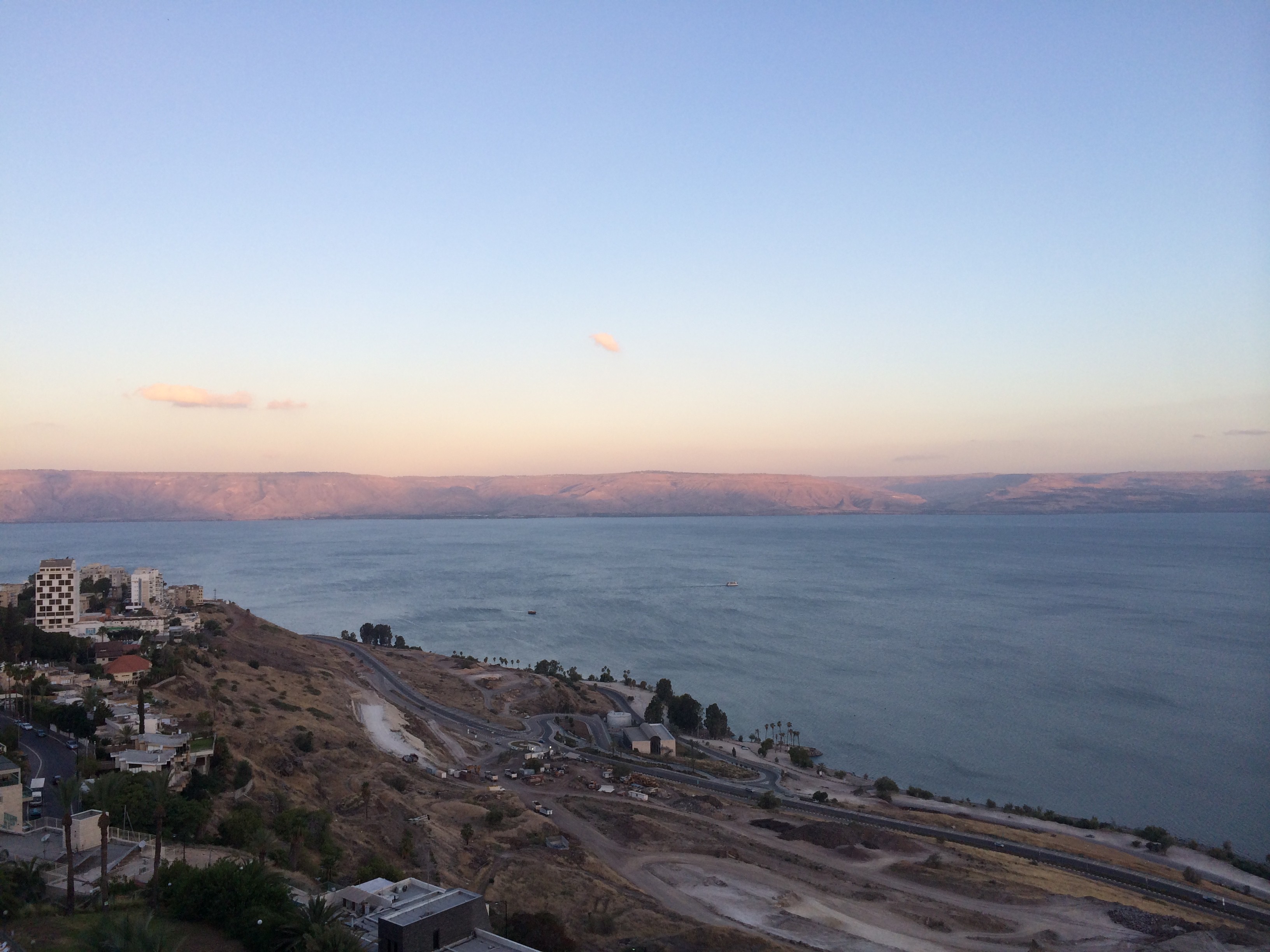
The Galilee
The Galilee


We met up with the Young Judean campers in Israel. They have known each other for years, and those of us who went to Greece just met last week. Together, though, we have formed an incredible group. Our counselors consistently urge us to ask questions – about faith, about Israel and its history, and perhaps most importantly, about what we expect from ourselves. The program has just begun and so many of us have looked at our lives from an entirely different angle. This is not easy to do.


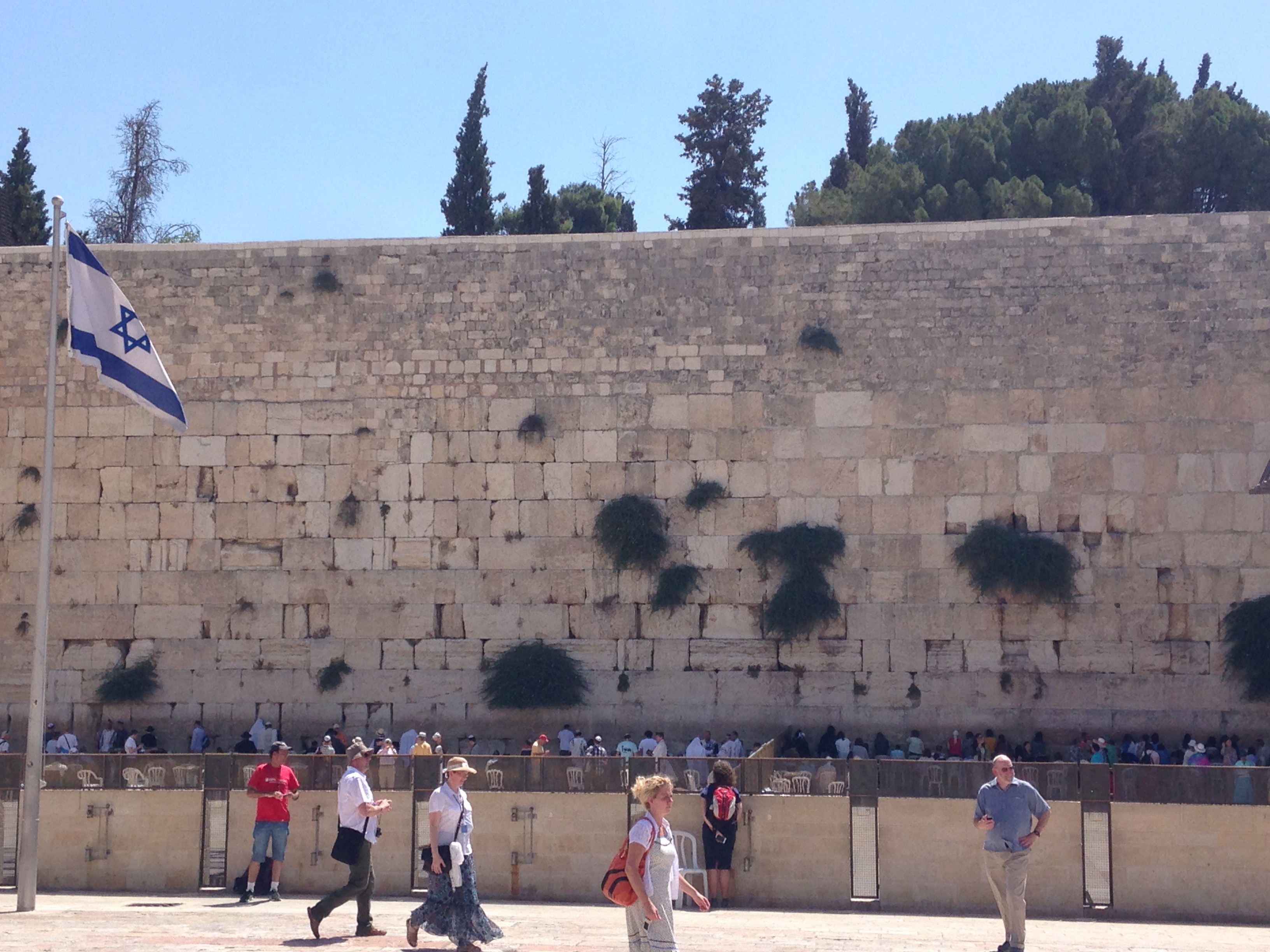
Today we made it to the Old City, which came as a surprise considering the recent security concerns in Israel. The Kotel always provides a sense of solace, no matter how many times you have been. No matter what you believe, it is nothing short of incredible to consider how many people have found god there. Praying is a very humbling act. And here, at the Kotel, millions of people have found it in themselves to speak with a higher being. It was difficult for all of us to walk away. Those who had never been to the Wall said that they felt they had been there before. I find this concept to be intimidating and unifying.

The Kotel
The Kotel

I am really looking forward to having more of these profound experiences as the month continues. I am so lucky to know that each day will be filled with such meaningful memories. To read more about the Discovery program, check here for my weekly blog posts. Thank you for reading!

Making Connections in Jerusalem

Making Connections in Jerusalem

Jamie Smith of Lexington, Kentucky, is a rising Junior at Henry Clay High School and one of two Leaders of Tomorrow Awards from Hadassah, which awards a full scholarship to  young women to travel to Israel with Young Judaea’s teen summer programs.  She was introduced to Hadassah through her mother who is a past president of their local chapter. As one of only three Jewish students at her school, Jamie was excited about her opportunity to join Young Judaea’s ‘Discovery’ tour  to “explore her Judaism in the context of Israel and meet other Jewish teens who are leaders in their communities.”


Having just begun our journey in Israel, I want to talk about that. But first, Greece was amazing and I just can’t wait to tell you about it. We left the airport at 4 pm eastern standard time, and arrived in Greece at 9 am their time. That should’ve set us up for a rough beginning (especially because nobody slept on the plane), and we probably did resemble zombies, but we bonded over that so it turned out all right. The two hour nap also helped.


Anyway, by far the most amazing part so far has been the people. It only took a day and a half for us to feel completely comfortable around each other and that has been really cool. We have only known each other for three days, but we act like its been years. I am amazed by the strength of the bonds we have built so quickly. When someone starts dancing, we all join in and create a fun, open environment for ourselves. I love the people here.


Now, about the actual country of Greece. Although Athens was also incredible, the islands were the most fun and had the best sights. When you Google a typical picture of Greece, you see the cute towns on the mountainside and all the shops right on the water. This picture was the view we saw and it was surreal after all the pictures found on Google images. Long story short, I had a great time and I saw a beautiful country and I met a lot of amazing people.


But then came what the trip was really about: Israel. Before our first view of Jerusalem, we had blindfolds on (aka shirts tied around our heads) and we held hands and climbed onto a lookout spot. Finally, we all took off our blindfolds simultaneously and it was a fantastic moment. Well, almost. The sun was positioned just so when we took off our blindfolds we were blinded. Then, however, we saw a picturesque view of Jerusalem.  We were able to take amazing pictures with our amazing new friends, then we drank wine (grape juice) and ate challah. I think I can speak for most of us when I say we were very connected in that moment.


After an incredible Shabbat full of relaxing and bonding time, we started early this morning on our journey to the Western Wall. Our notes written on bright neon paper, we each walked up to the wall and put our prayers inside, like so many before us, and had our individual moments of connection with Judaism in the way that can only happen at that special place. What was almost more meaningful than my own connection, at least to me, was watching the others around me live in their own time and space of peace and holiness, if only for a second or two.


Now, sitting here on the bus looking out the window at the Dead Sea and the desert on our way to the Bedouin tents, I can’t help but think about how glad I am to be able to experience these connections with my religion with the people that are on Nitzachon with me.  Tomorrow we are climbing Masada and floating in the Dead Sea so I’m in for a busy (but fun, of course) day. I’ll be sure to tell you all about it next week!