Global Jewish Camping

Global Jewish Camping

By Michelle Mohnblatt, Assistant Director of Staff Hiring and Programs of Camp Young Texas

When I moved to Mexico at 19, I found a Jewish community that felt very different from
the one I grew up in. My hometown of Bogotá, Colombia, was a small Jewish community
of around 4,000 Jews in the whole country at the time. Some people might think that a
smaller Jewish community means fewer opportunities, but that was not my experience.
On the contrary, one of the most important parts of our community was how involved
everyone was. In Mexico, however, there were many more Jewish schools, synagogues,
youth movements, sports teams, and institutions, things that can only exist in a much
larger community. I was most impressed by the different ways the community supported
its people, and by the fact that not everyone had to be involved in everything to make
it all work. I realized then that every community has different needs, and with those
needs come different opportunities. But my perspective on Jewish diversity did not start
in Mexico. It started years earlier, the summer I went to camp.


When I went to a Jewish sleepaway camp for the first time at 13, I discovered another
model for Jewish life. Camp Young Judaea Texas is a pluralist camp that opened my
eyes to different sides of the religion, not just by showing them to me but by being
surrounded by so many different Jewish people that were my own age, all of us coming
from different ways of life, different knowledge about our religion, and different
practices in our homes. Some of the kids in my bunk had never had the opportunity to
pray Shacharit; meanwhile, in my Jewish school we prayed every morning. Some had
never spoken a word in Hebrew, and some were fluent. But we did have something in
common — we were all Jewish, at a stage in life of growing and figuring out who we
are and the way we want to live our religion.


Even at 13 we were all curious to learn from each other and experience Judaism in a
different way. For me it was really fun trying their traditions and seeing what things I
liked the most to bring back home after camp. I remember one day when they taught
us about the Shema, and one of the counselors explained what it personally meant to
him and how he connected to it on a deeper level. I had said the Shema all my life, but
hearing someone speak about it that way helped me realize that Judaism is not only one
thing. This helped me realize that there is not just one right way to be Jewish.

This will be my fourth summer working at Camp Young Judaea in Texas. Like many
people in the camp world, I first came as a camper, then worked as a counselor, and
slowly grew into leadership roles. Today, part of my job is hiring seasonal staff. During
many interviews, when I ask why they want to come to camp, they often say that while
camp is fun, it is also the one place where they can be completely themselves. They feel
connected to Judaism and to Israel, and they do not have to hide it.

Camp is a safe place where both counselors and campers can show who they truly are. By
the end of the summer, you can see how much they grow in confidence and how much
more comfortable they become expressing themselves. I know that growth comes from
giving them a place where they feel safe being exactly who they are, and in doing so,
we are teaching them to be proud Jews.

Camp shows us that there isn’t one correct way to practice and teach Judaism, as I have
personally experienced. We are a global people that have joy and a need for a sense of
community. I have learned that being a proud Jewish person can look different in every
community. The customs may change, but all of us are trying our best to be good, kind
people. When we teach about Judaism, I believe we should think not only beyond the
practices but also focus on the values behind them —who we are and what we stand
for. That is what I have learned from growing up in Bogotá, living in Mexico, coming to
camp, and from now helping create that experience for others.

Originally published in the Foundation for Jewish Camp’s Peoplehood Papers, Edition 36: Cultivating Jewish Peoplehood at Camp.
[Read the full paper]
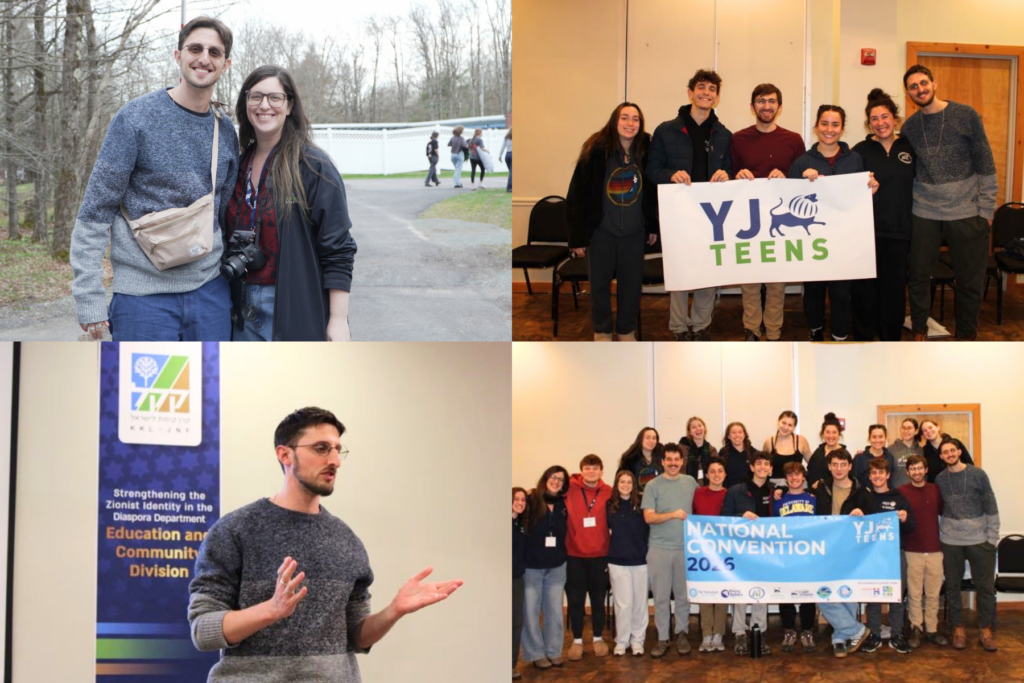
L’hitraot Amit!

L’hitraot Amit!

Three years. Who would have believed it?

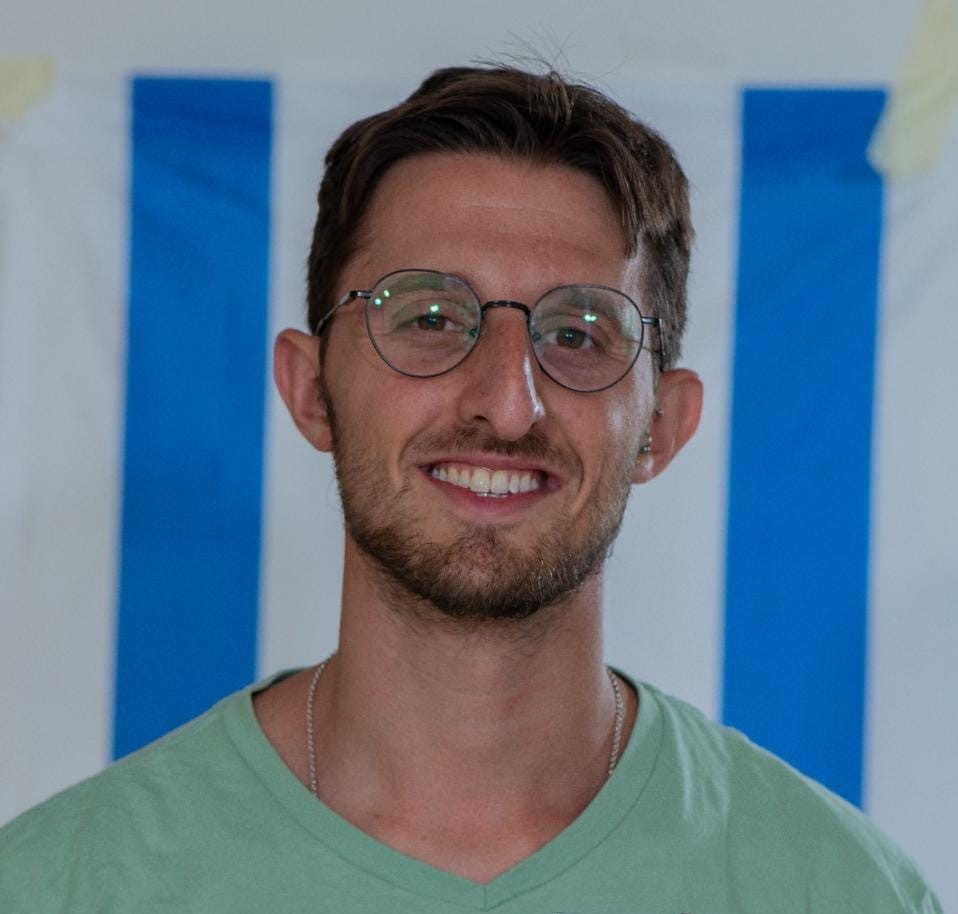
I arrived in New York in September 2023, and from the very beginning, Young Judaea welcomed me with open arms. One month later, the world changed in ways none of us could have imagined, and so did the reality of my shlichut. Through three constantly changing years, we grew, brought countless programs and conventions to life, and created meaningful moments for hundreds of chanichim across the country. Along the way, Young Judaea became a home for me, too.

I had the privilege of being Young Judaea’s first shaliach in many years and helping plant the seeds of a new chapter for the movement. Now, it’s time to pass the responsibility into new, fresh hands. I’m so happy to welcome Mai, YJ’s new Central Shlicha, and wish her the very best as she builds on what we’ve achieved and plants plenty of seeds of her own! A huge thank you to our National Mazkirut and all of the incredible YJ teams, staff, and advisors I’ve had the privilege of working alongside. I’m incredibly proud of what we accomplished, but I know this is only the beginning.

Now, I’m packing up my home in New York and preparing to return to Israel. I’m incredibly happy to be going home, but I already miss it, including the little things, like Saturday night Havdallah and Rikkud. What can beat that?! Most of all, thank you to every person I met, worked with, learned from, and shared this journey with. The YJ journey is never really over, and I can now say for sure that I’m a Judaean for life. Until we meet again, in the U.S., Israel, or anywhere else around the globe.

Forever yours,

Amit

Alumni Spotlight: Sharon Schoenfeld + Dr. Vardit Ringvald

Alumni Spotlight: Sharon Schoenfeld + Dr. Vardit Ringvald

For Sharon Schoenfeld, Young Judaea has been more than a chapter in her life. It has been a thread running through nearly every stage of her personal and professional journey. Sharon joined Young Judaea at age 12 and went on to become involved in regional YJ, attending Tel Yehudah, serving on the National Mazkirut, going on Year Course, and working at Camp Sprout Lake. In the early 1990s, she became Young Judaea’s Education Director, an experience that helped shape her decision to make Aliyah in 1996.

Sharon lived in Israel for 11 years, working for Young Judaea for eight of them in roles ranging from summer programming to Merkaz Hamagshimim for young Judaea’s combination absorption and community center for young English speaking Olim.  Becoming fluent in Hebrew was an important goal and played a significant role in her professional and personal success. After returning to the United States, she continued her work with YJ, eventually serving as Director of U.S. Programs.

Today, Sharon has brought together many of the passions that first took root in Young Judaea: Hebrew, Israel, experiential education, and camp. Through her work with Kayitz Kef, Sharon helps Jewish camps create deeper, more intentional opportunities for campers to experience Hebrew as a living language.

Kayitz Kef was conceived of and supported by the Areivim Philanthropic Group under the leadership of Rabbi David Gedzelman, a Young Judaea parent. When Sharon joined the organization, the program was working with 12 camps. Today, Kayitz Kef supports Hebrew immersion programs and engagement programs at over 50 day and overnight camps across North America.  Including strong partnerships with CYJ Texas, Camp Judaea, CYJ Midwest, CYJ Sprout Lake, and Tel Yehudah. Sprout Brooklyn Day Camp has developed one of the strongest Hebrew immersion programs in the entire Kayitz Kef network.

“We really change the use of Hebrew at the camps from ‘word of the day’ to something a lot deeper,” Sharon said.

That can look different at every camp because Kayitz Kef begins with what is already there: the people, the places, and the times when Hebrew can naturally become part of camp life. Who are the Hebrew speakers? Where can Hebrew fit into activities and routines? When are the moments in the day when it can be used with real meaning and intention? From there, camps build Hebrew into sports, gardening, cooking, signage, songs, and everyday interactions. The goal is always bigger than vocabulary. It is about using Hebrew to deepen relationships and strengthen campers’ connection to Israel and Israelis.

Sharon’s journey is closely connected to her longtime mentor, Dr. Vardit Ringvald, a leading expert in Hebrew pedagogy and teacher training. Vardit first came to Tel Yehudah in 1972 as a 16-year-old tzofah and was asked to engage campers in Hebrew, an experience that helped shape her life’s work in Hebrew education. Ten summers later, Sharon was a camper there, beginning her own journey toward Israel and Hebrew. Vardit has guided her throughout her development as a Hebrew educator.

For Sharon, this work is deeply connected to Young Judaea’s Zionist mission. “If Young Judaea is a Zionist movement, and they are still bringing shlichim to camp and teaching kids about Israel, then Hebrew is a great way to create a bridge,” she said. “There’s no disconnecting Israel from the Hebrew language.”

Research has backed up what Sharon has seen firsthand. A 2022 study found that campers in Hebrew immersion programs ended the summer with stronger Hebrew skills, closer relationships with their counselors, and a stronger connection to Israel and Israelis.

Decades after her own first experiences in Young Judaea, Sharon is bringing her work back to the camps and movement that played such an important role in her own path. Through her work with Kayitz Kef, she is helping a new generation of campers experience Hebrew not just as something they learn, but as a living part of camp and Jewish culture.

The connection between Vardit’s summer at Tel Yehudah in 1972, Sharon’s experience there ten years later, and the work now taking place across Young Judaea camps and others demonstrates how Hebrew experiences at camp can shape lives, careers, relationships, and Jewish identity across generations.

Pictured Above:

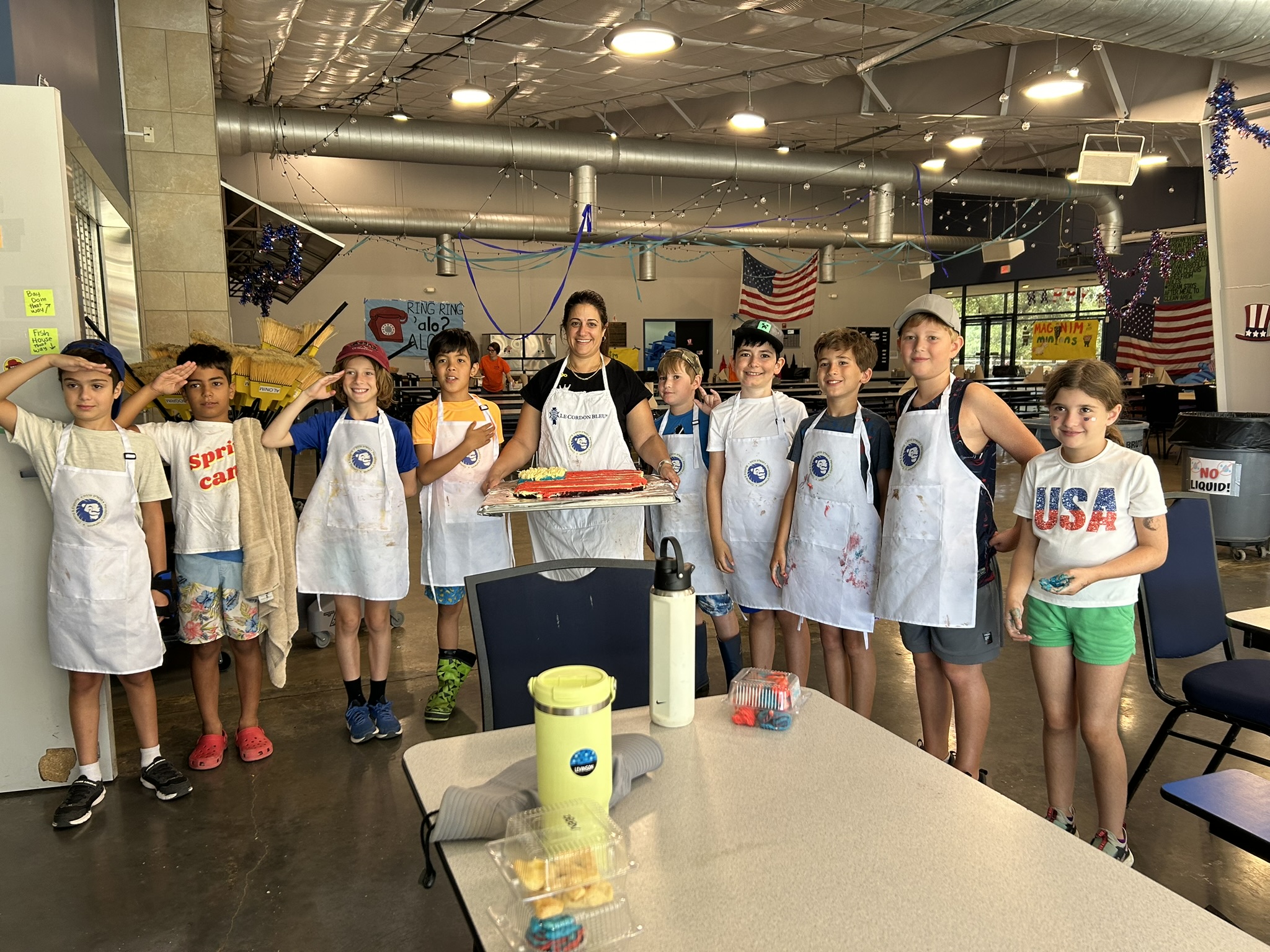
TOP LEFT: Cooking Chug (in Hebrew) at CYJ Texas

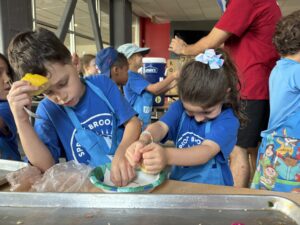
TOP MIDDLE: Squeezing lemons for Israeli salad in the Sprout b’Ivrit program at Sprout Brooklyn

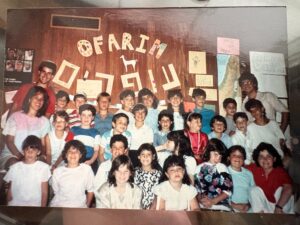
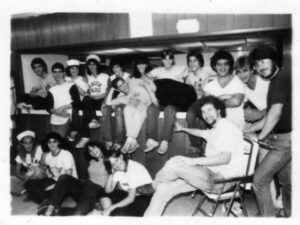
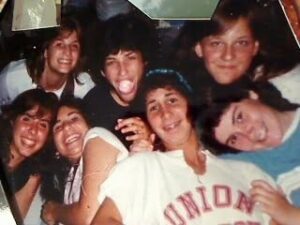
TOP RIGHT: Sharon’s second year as merakezet at Sprout Lake in 1987, she is on the bottom right

BOTTOM LEFT: Sprout Lake Kitchen

BOTTOM MIDDLE: Sharon on Year Course

Learn More about Kayitz Kef

CLICK HERE

A Jewish Camp Story Made at Tel Yehudah: The Floaters

A Jewish Camp Story Made at Tel Yehudah: The Floaters

By David Weinstein, Executive Director, Camp Tel Yehudah

Some stories don’t just remind you of home. They are made there. The Floaters is one of those.

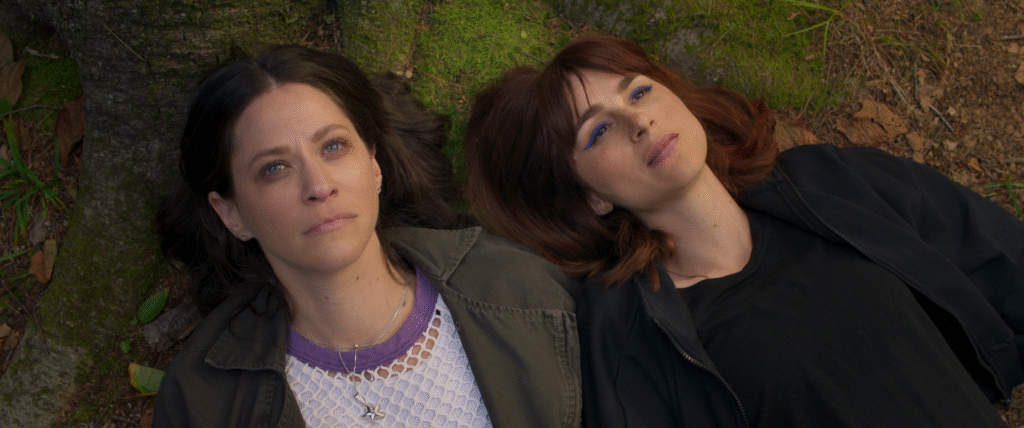
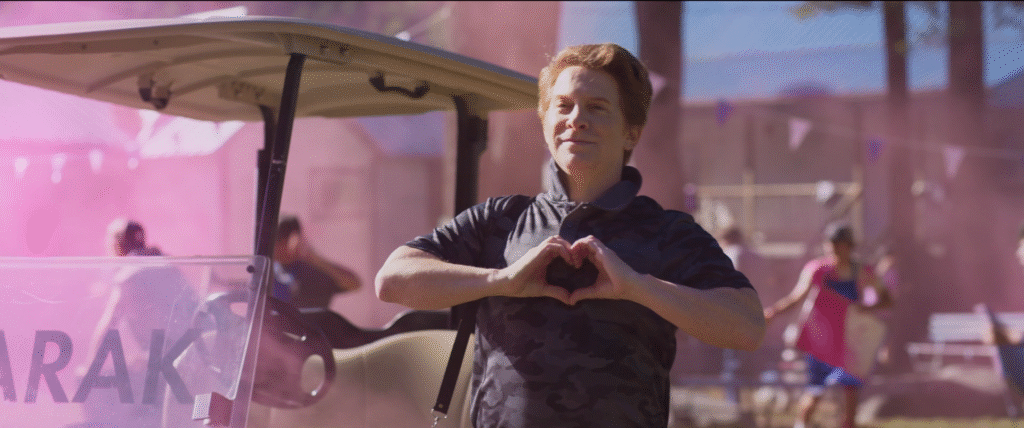
The Floaters is a very Jewish movie about Jewish summer camp. It is about kids who don’t always fit, about friendships that form quickly and deeply, and about what happens when a community really tries to make room for everyone. If you have ever spent a summer at Jewish camp, the world of this film will feel immediately familiar. As producer and Young Judaea alum Shai Korman shared, the goal was to tell “a story centered on Jewish women leaders that took place in an authentically Jewish world,” inspired by the many women who shaped their lives at camp.

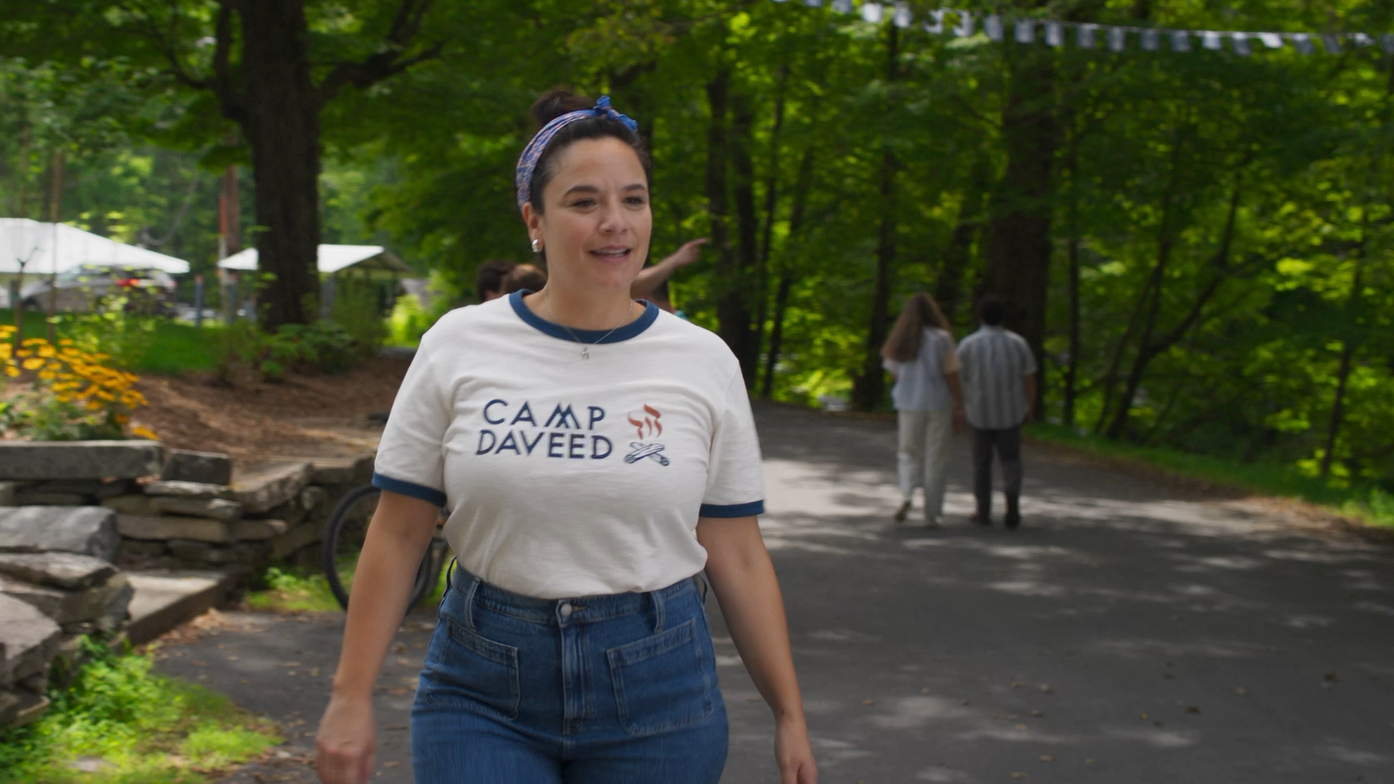
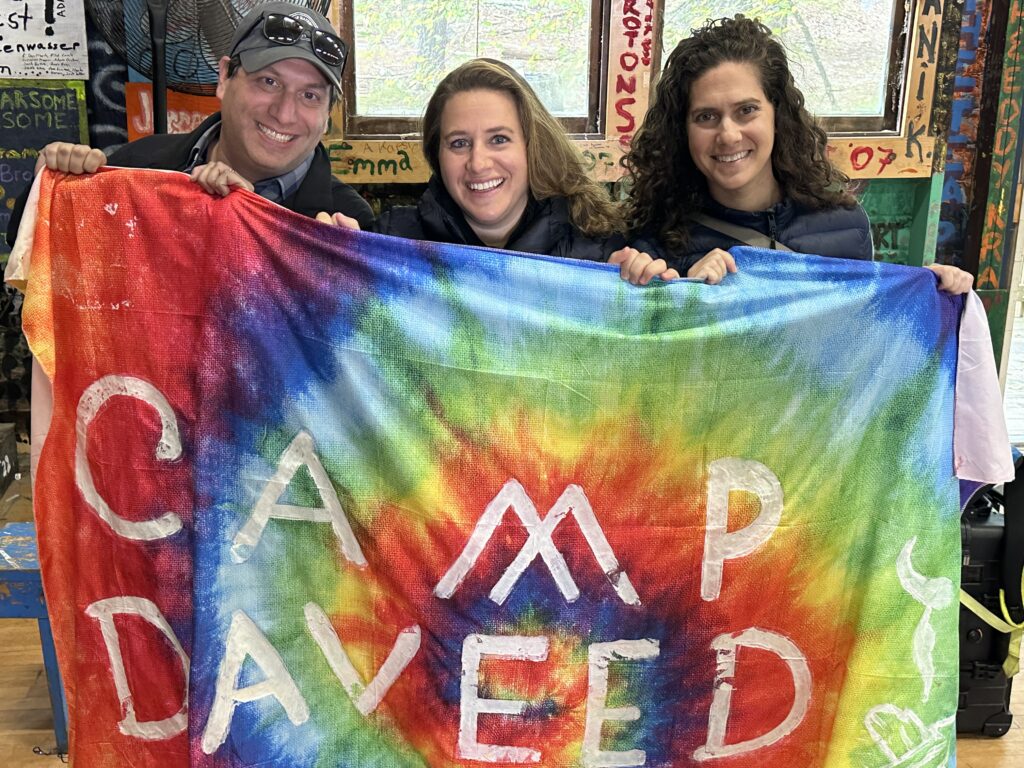
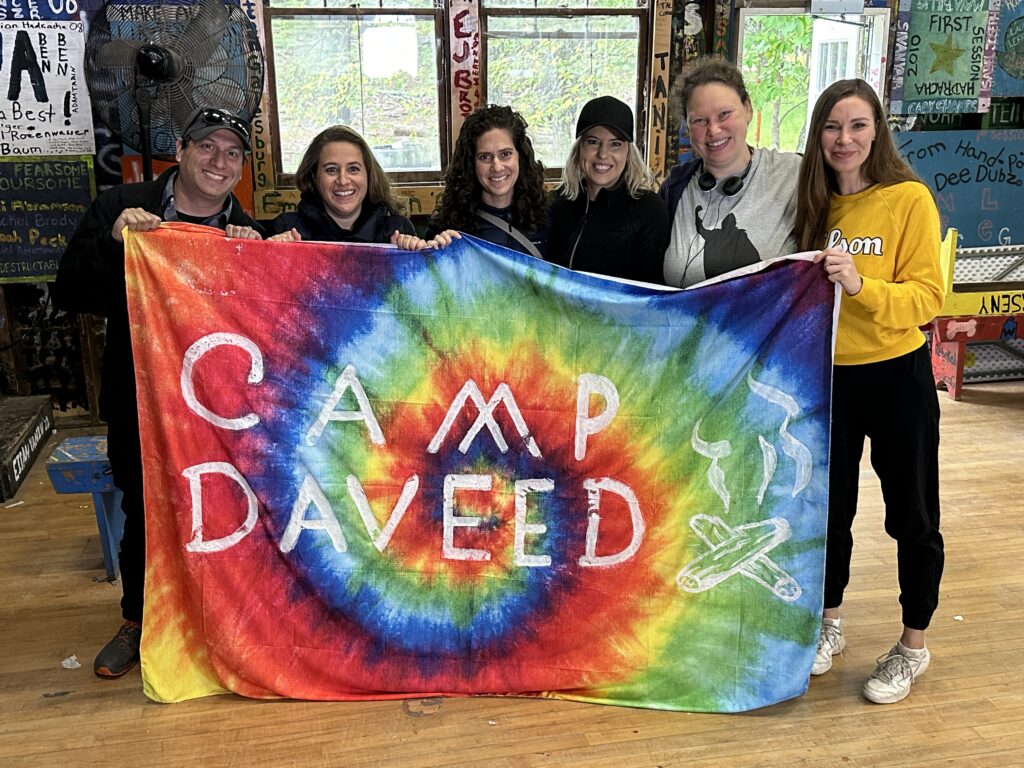
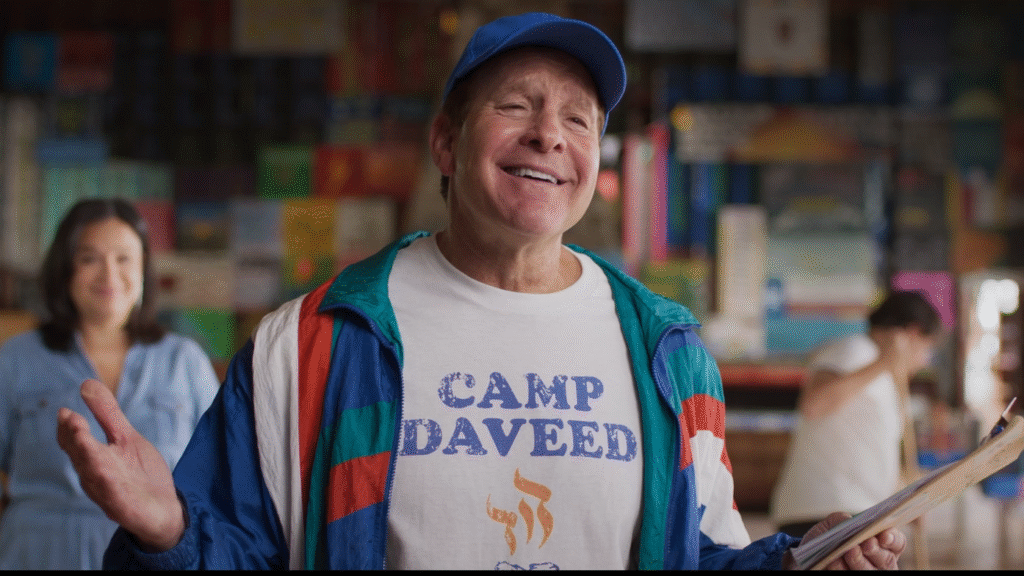
What makes this especially meaningful for us is that The Floaters was filmed almost entirely at Camp Tel Yehudah. After camp ended in 2023, the cast and crew moved in and lived at TY for nearly a month while they made the movie. They transformed Tel Yehudah into “Camp Daveed,” but anyone who knows our camp will recognize it instantly. There are scenes in the Beit Ha’am, scenes in the kitchens, and moments across campus that are unmistakably Yehudah.

You will also spot some familiar faces. Stu Stein and Noah Wilker both make appearances. And yes, our very recognizable rikud made it into the film as well. As Shai Korman explained, the rikud scene was especially important to capture: a moment inspired by “the magic of Saturday night at camp where everyone—no matter who you are and where you come from—comes together after Shabbat to dance and have fun.”

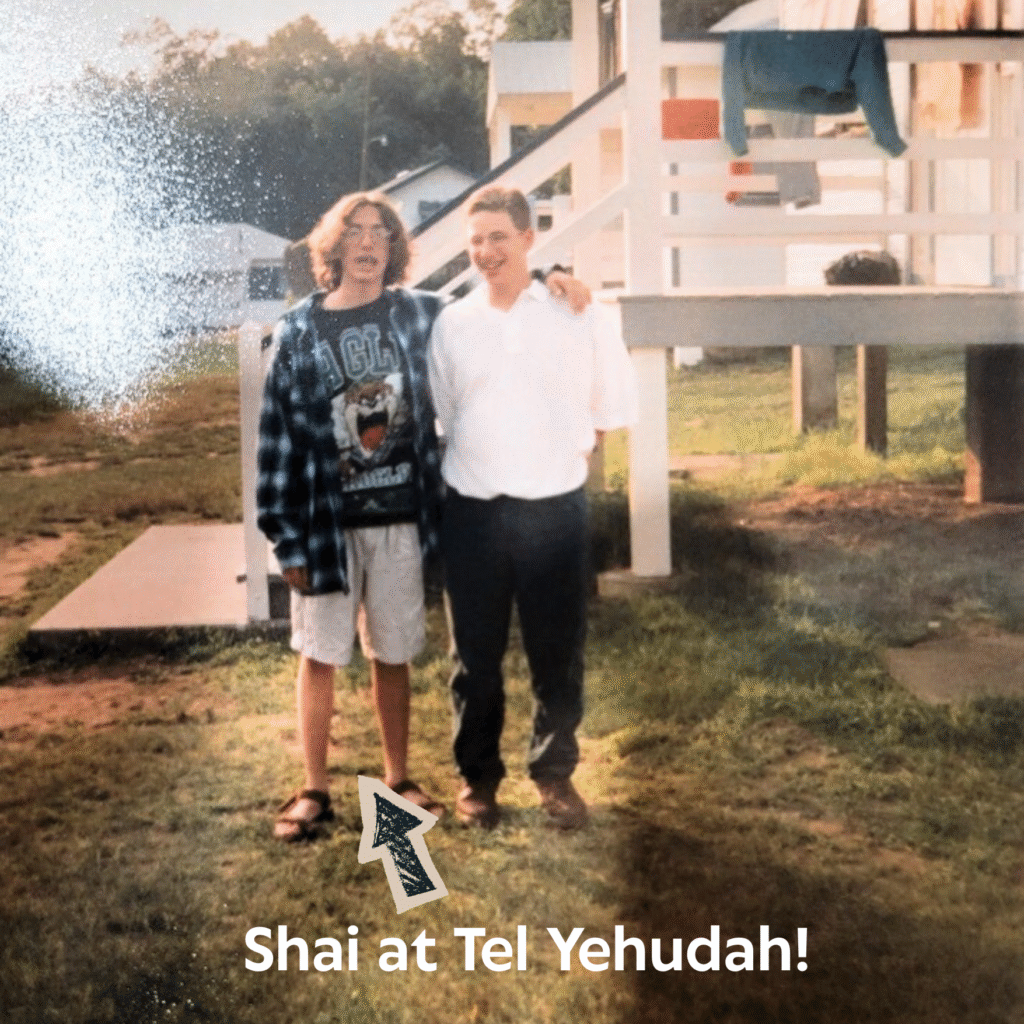
The film was produced by Shai, Becky, and Lily Korman, TY and Young Judaea alumni whose connection to Tel Yehudah runs deep. Their parents met at TY. They grew up in the Young Judaea world. And now the next generation is continuing that story, with their kids heading off to Sprout Lake and Tel Yehudah. Bringing the project back to Tel Yehudah felt like a true homecoming. As Shai shared, “The best part about being back at TY was recreating the joy and camaraderie of camp with our incredible cast and crew… we all walked away with a bond and memories that will last a lifetime.”

That sense of belonging is at the heart of both Young Judaea and the film itself. Much like Tel Yehudah, the world of Camp Daveed brings together kids from all over the country—with different backgrounds, ways of thinking, and ways of being Jewish—to find community. As Shai put it, “Pluralism and fun” were central to the film, reflecting a place where kids can take a break from everyday pressures and experience genuine, sometimes wacky, joy with their friends.

“Watching The Floaters felt like coming home,” said David Weinstein. “It gets Jewish camp. The warmth, the awkwardness, the intensity, and that insistence that everyone belongs, even when it’s complicated.”

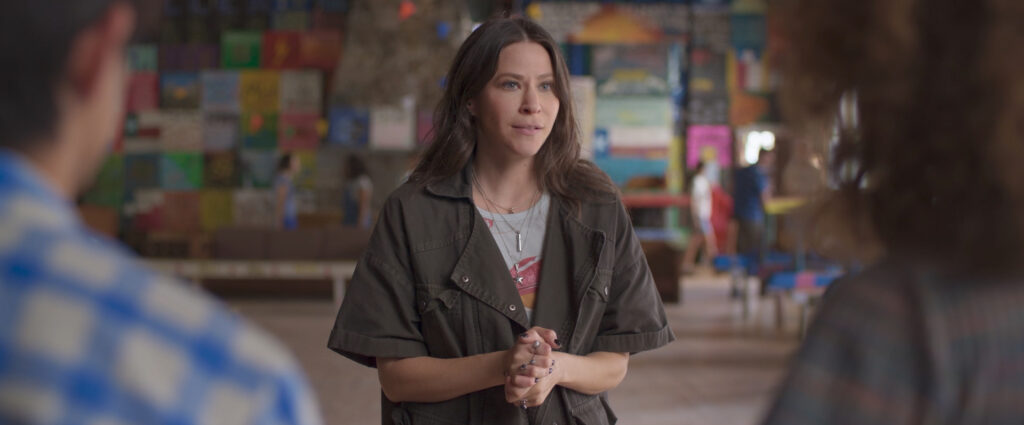
The cast is terrific and a big part of why the film works, including Jackie Tohn from Nobody Wants This, Sarah Podemski, Seth Green, and Steve Guttenberg.

Since its release, The Floaters has been playing at film festivals around the country and continues to do so. It has picked up awards and a lot of well-deserved attention along the way.


We encourage Judaeans of all ages to seek it out and watch it. Alumni, parents, current campers, and friends of the movement will all find something familiar here. If you know Tel Yehudah, you will see it on the screen. And even if you don’t, it will still feel familiar in that very Jewish camp way. It feels like summer. It feels like community. It feels like home.

More information and upcoming showings can be found at: https://floatersmovie.com/

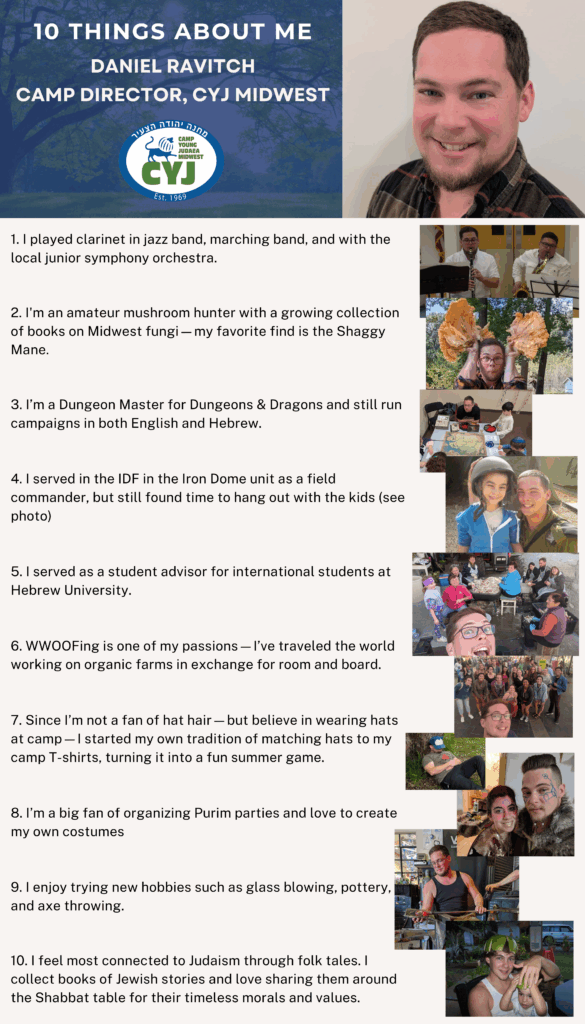
10 Things About Me: Dan Ravitch

10 Things About Me: Dan Ravitch

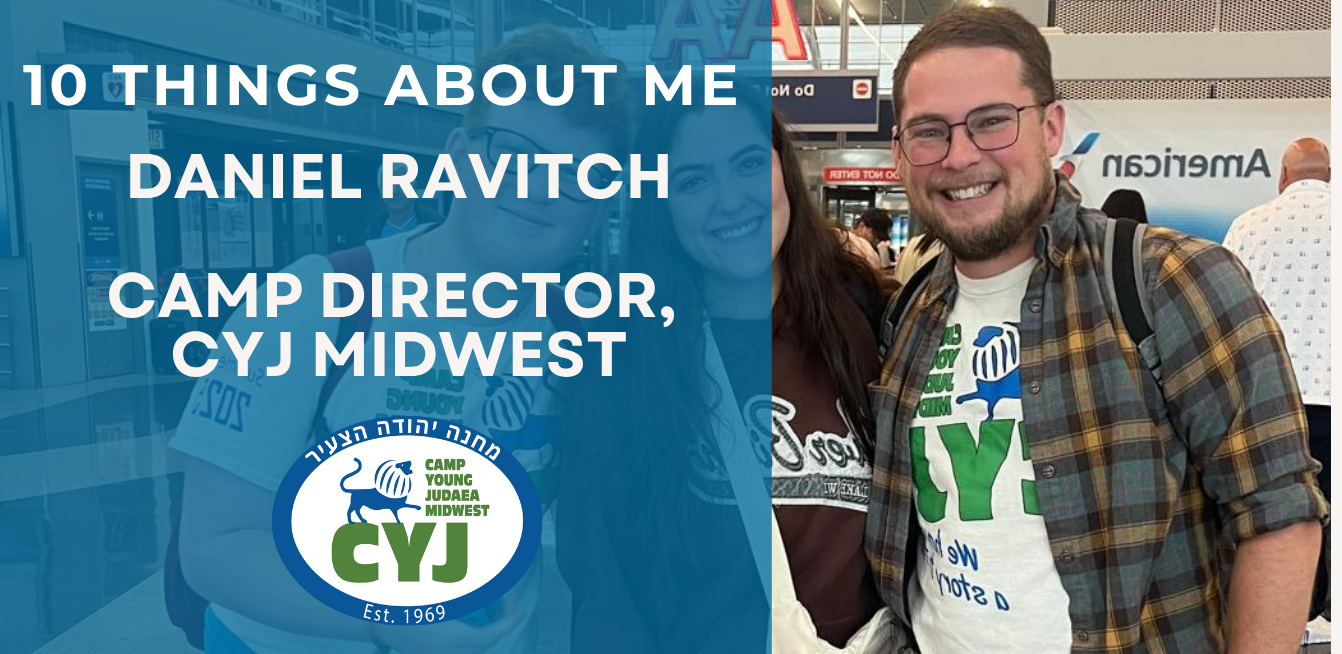
Meet the new Director of CYJ Midwest, Dan Ravitch!

Learn more about CYJ Midwest!

Haksheivu Haksheivu Na!

Haksheivu Haksheivu Na!

A Message from David Weinstein, Executive Director of Tel Yehudah

Dear Hevrei,

I’ve been thinking a lot about how divided our world feels right now. Social media rewards quick takes and shouting matches, not listening or questioning. More and more, we are seeing a frightening rise in political violence and attempts to stifle free speech. It is scary, it is dangerous, and it makes me deeply concerned about the world our teens are inheriting. At Tel Yehudah, we are not immune to these challenges—and we are part of the antidote.

This past summer, our teens sat in circles and talked about Israel, about Jewish identity, about justice, about politics. They did not all agree—not even close. Sometimes those conversations were uncomfortable, even hard. But they kept at it. They listened. They questioned. And the most powerful thing is that many of them are still talking about those conversations today, still in touch with friends they deeply disagreed with. They didn’t walk away. They stayed in relationship. This is deeply Jewish and central to TY’s Core Value of Deepening Curiosity. Our tradition is built on debate and disagreement. As Rabbi Michael Paley said, “The Talmud is full of argument and dissent—and yet it’s considered a holy book.” We can argue fiercely and still remain bound together as a people. At TY, our teens don’t just learn that—they live it. And just as important: after those hard conversations, those same teens are singing arm in arm, playing soccer, or dancing together on Saturday night. That mix—challenge and joy, dialogue and celebration—is what makes camp so special. It shows that curiosity and community can go hand in hand, even when it’s hard. Especially when it’s hard. At camp, teens learn that we can be curious about others while still holding strong to our beliefs, our values, and our responsibility to make the world a better place. Our camp disagreements, discussions, and dialogue help them understand more fully who they are and what they stand for. As we move from Rosh Hashanah toward Yom Kippur, I am holding onto this lesson. In a world that feels more divided and more violent, our teens are leading us toward  curiosity, compassion, and community.
May we all enter this new year committed to curiosity and community—and may it also be a year when our hostages come home and all know no more war or suffering.   Shanah Tovah u’Metukah – שנה טובה ומתוקה — wishing you a sweet, meaningful, and peaceful new year.

David Weinstein
Executive Director, Tel Yehudah
A Fresh Start: A YJ Teen Reflects on the Year Ahead

A Fresh Start: A YJ Teen Reflects on the Year Ahead

A chat with Camilla Wisse, Sprout Lake 2017-2023, Tel Yehudah 2024-25, and current Chavurah Programmer on the Northeast Mazkirut

What’s something you’re excited to try, learn, or experience this year?

This year I am so excited because I am fortunate enough to be on the Northeast Mazkirut as the Chavurah programmer. I was involved in year round YJ from a young age and I really feel that it has shaped me as a person. As the Chavurah programmer my main role is recruitment, so it is my privilege to bring young Jewish teens into year round YJ and give them the formative experience I had.

The high holidays and Rosh Hashanah are about New Beginnings–- what feels like a “fresh start” for you right now?

A fresh start to me feels like letting go of all of my grudges and impressions and looking at everything and everyone as brand new. People change and situations change, so it is important to look at everything as new so you don’t let your previous impressions get in the way when someone or something has changed for the better.

What’s your biggest hope for your YJ friends, the Jewish people, or the world this year? What’s the most meaningful thing you learned from YJ moment?

During a Peulah at TY this summer that was centred around debating I learned a very valuable lesson. The activity was extremely engaging and all the campers were participating. There was one question that people were particularly divided on and after the peulah ended me and my friends continued to discuss it. One person became upset because they thought that when someone disagreed with them that it meant that person hated them. This was a crazy moment for me because at both my school and camp peaceful debate is a very important value and I had never encountered someone that didn’t have the skill of participating in a peaceful debate. I hope that everyone in the world is able to have peaceful and heated conversations, because it is one of the best ways to learn about yourself and the world.

 If you could write one short message to all of your YJ alumni, campers, teens, staff, what would you say?

שנה טובה ומתוקה! 

May you walk with YJ in your year to come

Learn More about YJ Teens

Working with youth gives me hope

Working with youth gives me hope

At our recent teen leadership training weekend, we had an activity where we shared different metaphors for our relationship with Israel. These metaphors were based on various Zionist thought leaders throughout history.

There was an engaged conversation about one metaphor describing the relationship with Israel as a “ball and chain”: Some interpreted it as feeling responsible for representing Israel in their schools or with their friends. Others characterized it as a burden that they can never shed. Just by being Jewish, they might feel the pressure and expectation to know everything that is happening and to defend every action, statement and position that Israel, its people and its government take, regardless of their personal perspectives.

Then, like a voice from the heavens, one of the teens raised her hand. “I completely disagree,” she said. “I don’t see Israel as a burden or something that drags me down.”   We asked her what metaphor she would choose instead, and without hesitating she lit up and said, “Israel is my wings. With Israel I feel like I can fly.”   

Teens at a Young Judaea teen leadership weekend in 2025.

There was an audible gasp by the older generation in the room. She literally took our breath away. Why? It wasn’t that her sentiment was universally shared, but that it radiated such hope and aspiration — something we, as Jewish professionals, hunger for. It brought oxygen into the room. 

In the recent “Hope Study” by M², they found that Jewish community professionals are experiencing a crisis of hope (“M² survey finds Jewish professionals lack hope, fear internal division, but believe in their work,” eJewishPhilanthropy, Sept. 18). The experience I recount above, and countless similar interactions with our teens, serve as a constant reminder that hope is still possible.

People often ask me what it’s like to lead a Zionist youth movement. They expect me to talk about the hard parts (and yes, those moments exist), but it always surprises them that I think the greatest privilege of all is to work with today’s youth. Working with youth gives me purpose, of course, but what I love most is their raw, authentic optimism, something too many of us adults lose along the way. I joke that being around youth makes me age in reverse. They keep me young. 

The “Hope Study” cites various sources of hope that mitigate the lack of hope among Jewish professionals. They include professional impact, participating in social change, belonging to a group, and tradition. I would add to this list: working with youth. Those of us who have the honor of working with youth, day in and day out, are investing in the future, but we are also reaping the benefits in the present. The study goes on to say that there are organizational differences in their findings. Those who work in day schools scored highest in having hope, which I would posit has a lot to do with the populations they are working with each day: youth.

That said, I don’t want to minimize the detractors from hope and optimism. We are working in incredibly challenging times and conditions. With crisis after crisis and constant threats, the burnout among Jewish professionals is real; as Barry Finestone said in his recent article ”The crisis we are ignoring”, “the people holding up the Jewish world are running on fumes.” And we need to look at strategies and approaches to renew, restore and build up resiliency. I would add to Barry’s list of antidotes to this burnout: regular exposure to today’s youth (although preferably not limited to your own children — that’s more complicated).

Throughout the year, while my work demands a significant amount of travel, getting out into the field to talk to our youth, to engage them in dialogue and to be constantly amazed by their freshness, directness and unbridled optimism — that is what gives me hope. If you don’t believe me, look at my socials where I document my site visits. I can’t help but feel some of that same optimism when I spend time with our youth; and as I come back to the office, I try to hold onto that feeling, those precious interactions, until my next time in the field.

So, if you are looking for an oxygen mask to revive you and restore your hope, consider working with today’s youth. Who knows — you might even live a little longer.

Adina H. Frydman is the CEO of Young Judaea Global.

As published in ejewishphilanthropy: ejewishphilanthropy.com/working-with-youth-gives-me-hope

A Message from our National Mazkira

A Message from our National Mazkira

Hi! My name is Natalie Pittman, and I am so excited to be the National Mazkira of Young Judaea this year! 

I was pretty much born into the Young Judaea community, as my mom participated in many YJ programs. I was so excited when it was finally my turn to go to camp. I went to Sprout Lake for the first time in 2015 and attended for seven summers. I then went to Tel Yehudah for three. This past summer, I was fortunate enough to spend time at TY, on YJ’s teen summer program in Israel, Gesher, and as a counselor at Sprout Lake! 

I joined YJ Teens in high school, and realized that attending year-round events was a great way to reunite with camp friends. I discovered that YJ Teens has a lot to offer, and the community quickly became one of the biggest parts of my life. 

YJ Teens is unique in so many ways. Everyone in the movement has a voice that matters.

We are able to disagree respectfully and have mature conversations, and learn from one another. YJ Teens pushes me to make the world a better place and do my part to volunteer in the broader community. This year, the National Initiative is Human Trafficking Awareness, and I am excited to see what our teens will do to fight for human rights regarding this issue.

Young Judaea has helped me strengthen my Jewish identity, explore my connection to Israel, and become a contributing member of the world. Most importantly, the YJ community has given me some of the best friendships I could ever wish for. 

My first leadership position in YJ Teens was as the Israel and Social Action Programmer on the Northeast Mazkirut/Peer Leadership Board. In this role, I helped plan monthly events with the other Northeast Maz members, and I made sure we incorporated Israel and Antisemitism into every event. This upcoming year, I am excited to lead the National Mazkirut in planning an amazing convention, organizing a project centered on our National Initiative, and growing the YJ Teens community nationally. 

In our current world, it is more important than ever for Jewish teens to be informed, proud, and empowered to stand up against antisemitism, able to engage in conversations about Israel, and part of a Jewish community. YJ Teens does just this, and I am so excited to be the leader of the YJ Teens movement in the upcoming year. 

I cannot wait to see all of our teen leaders thrive this year and see what YJ Teens can accomplish!

Alumni Spotlight: Eli Reiss

Alumni Spotlight: Eli Reiss

Tell us about your involvement in Young Judaea.
I started at Sprout Lake when I was 10, then went on to Tel Yehudah in ’94 and ‘95, Machon, and Year Course 1998-99. I was also involved a bit in the New York club as a kid.

Do you still connect with friends from YJ?
Absolutely. I’m still very close with about 15 friends from my YJ days. The special part is that now our kids all go to Sprout together—it’s truly a second generation of our group.

What impact has YJ had on your life?
My closest lifelong friends are from YJ, and those friendships have grown into family bonds. YJ also gave me confidence to be an organizer, to bring people together. The programming taught us not what to think, but how to think—presenting all sides of complex issues and trusting us to form our own conclusions.

And of course, Israel. YJ’s approach is spot on. It’s about love for the culture, the shira, the rikkud, and the history. Being able to engage deeply with Israel as a teenager shaped how I connect to my Jewish identity today.

What prompted you to get back involved?
After October 7th, I felt an urgent need to return to Israel. When I saw the YJ mission announcement, I signed up immediately. That week—meeting survivors, visiting cemeteries, and then being back at Kibbutz Ketura—was incredibly powerful. Looking at the sunset in the Negev, it reawakened the spirituality I felt as a 19-year-old, and my connection to Young Judaea.

Is YJ still relevant today?
More than ever. Being Jewish in America right now is more challenging than it’s been in generations. YJ provides a safe space where kids can truly be themselves, explore their Jewish identity, and build a meaningful connection to Israel. That kind of environment is rare—and essential.

What inspired you to organize reunions?
Honestly, I just love hanging out with my YJ friends. It never feels like a burden—it’s fun, and it’s rewarding to bring everyone together. I encourage other alumni to start with your own age group or “adah.” Once you gather a critical mass, the magic of YJ friendships takes over naturally.

Eli’s YJ History: Sprout Lake 1990-92, Tel Yehudah 1994-95, Counselor at YJ West and MH (at Tel Yehudah) 1997, Year Course 1998-99