Global Jewish Camping

Global Jewish Camping

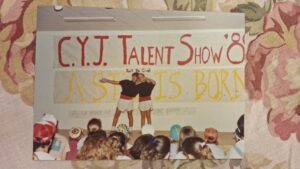
By Michelle Mohnblatt, Assistant Director of Staff Hiring and Programs of Camp Young Texas

When I moved to Mexico at 19, I found a Jewish community that felt very different from
the one I grew up in. My hometown of Bogotá, Colombia, was a small Jewish community
of around 4,000 Jews in the whole country at the time. Some people might think that a
smaller Jewish community means fewer opportunities, but that was not my experience.
On the contrary, one of the most important parts of our community was how involved
everyone was. In Mexico, however, there were many more Jewish schools, synagogues,
youth movements, sports teams, and institutions, things that can only exist in a much
larger community. I was most impressed by the different ways the community supported
its people, and by the fact that not everyone had to be involved in everything to make
it all work. I realized then that every community has different needs, and with those
needs come different opportunities. But my perspective on Jewish diversity did not start
in Mexico. It started years earlier, the summer I went to camp.


When I went to a Jewish sleepaway camp for the first time at 13, I discovered another
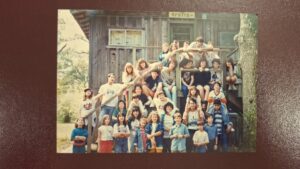
model for Jewish life. Camp Young Judaea Texas is a pluralist camp that opened my
eyes to different sides of the religion, not just by showing them to me but by being
surrounded by so many different Jewish people that were my own age, all of us coming
from different ways of life, different knowledge about our religion, and different
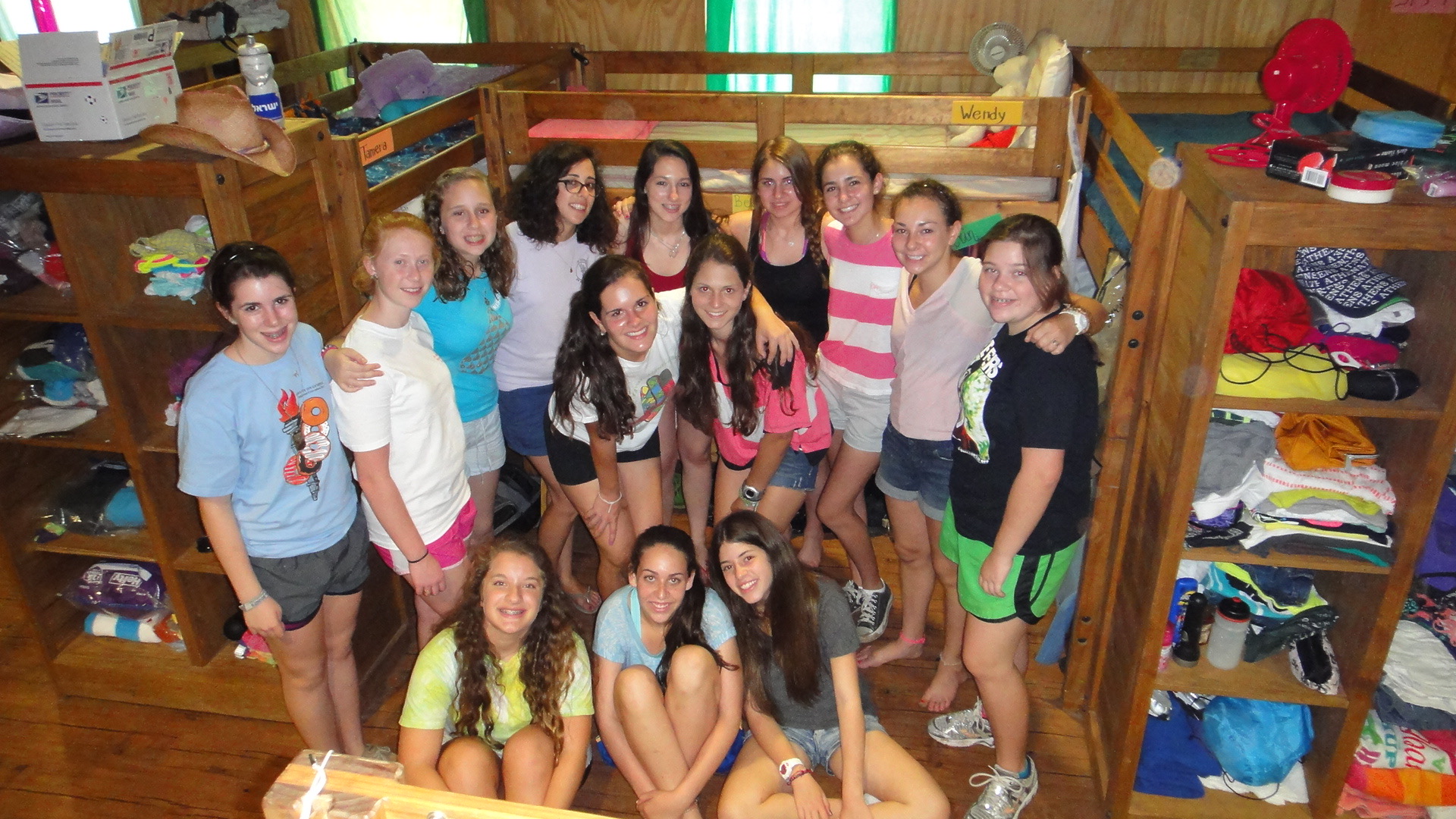
practices in our homes. Some of the kids in my bunk had never had the opportunity to
pray Shacharit; meanwhile, in my Jewish school we prayed every morning. Some had
never spoken a word in Hebrew, and some were fluent. But we did have something in
common — we were all Jewish, at a stage in life of growing and figuring out who we
are and the way we want to live our religion.


Even at 13 we were all curious to learn from each other and experience Judaism in a
different way. For me it was really fun trying their traditions and seeing what things I
liked the most to bring back home after camp. I remember one day when they taught
us about the Shema, and one of the counselors explained what it personally meant to
him and how he connected to it on a deeper level. I had said the Shema all my life, but
hearing someone speak about it that way helped me realize that Judaism is not only one
thing. This helped me realize that there is not just one right way to be Jewish.

This will be my fourth summer working at Camp Young Judaea in Texas. Like many
people in the camp world, I first came as a camper, then worked as a counselor, and
slowly grew into leadership roles. Today, part of my job is hiring seasonal staff. During
many interviews, when I ask why they want to come to camp, they often say that while
camp is fun, it is also the one place where they can be completely themselves. They feel
connected to Judaism and to Israel, and they do not have to hide it.

Camp is a safe place where both counselors and campers can show who they truly are. By
the end of the summer, you can see how much they grow in confidence and how much
more comfortable they become expressing themselves. I know that growth comes from
giving them a place where they feel safe being exactly who they are, and in doing so,
we are teaching them to be proud Jews.

Camp shows us that there isn’t one correct way to practice and teach Judaism, as I have
personally experienced. We are a global people that have joy and a need for a sense of
community. I have learned that being a proud Jewish person can look different in every
community. The customs may change, but all of us are trying our best to be good, kind
people. When we teach about Judaism, I believe we should think not only beyond the
practices but also focus on the values behind them —who we are and what we stand
for. That is what I have learned from growing up in Bogotá, living in Mexico, coming to
camp, and from now helping create that experience for others.

Originally published in the Foundation for Jewish Camp’s Peoplehood Papers, Edition 36: Cultivating Jewish Peoplehood at Camp.
[Read the full paper]
Words from our Outgoing National Mazkira

Words from our Outgoing National Mazkira

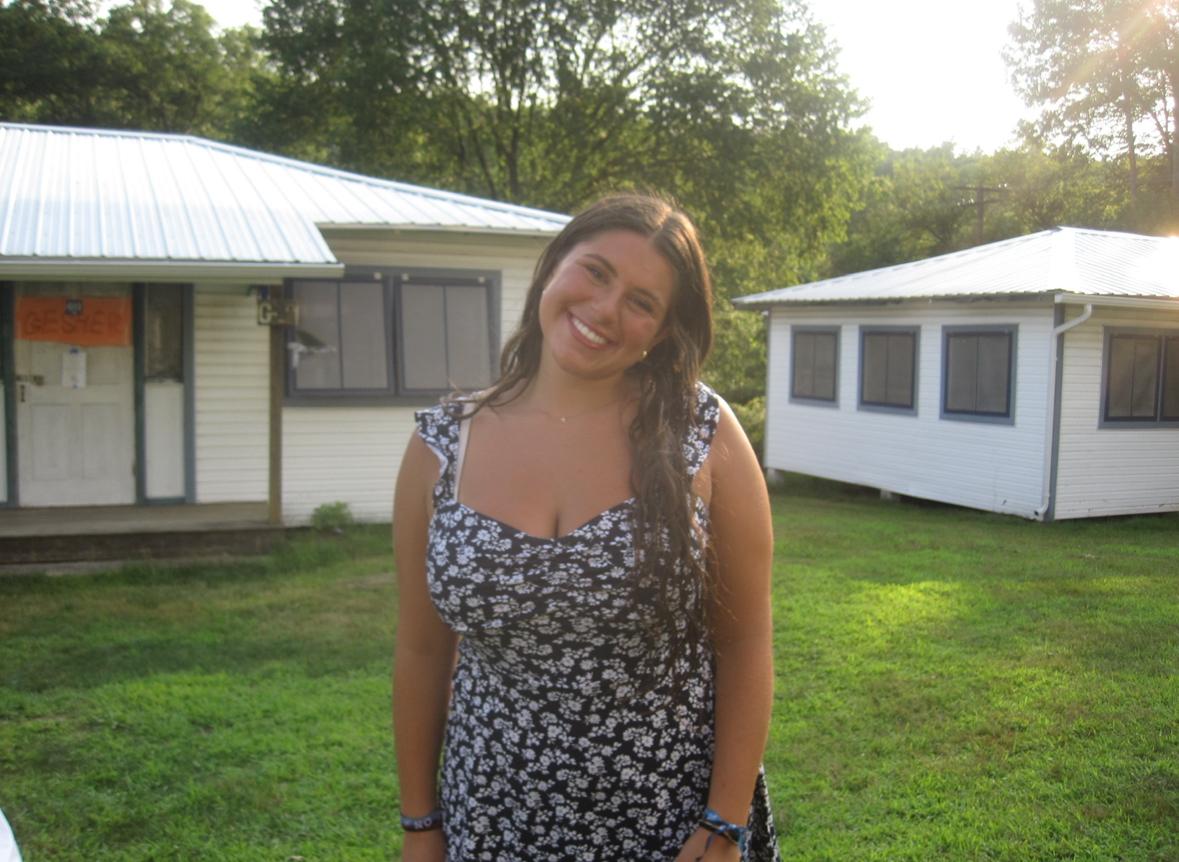
As Young Judaea prepares to begin a new year, I want to share a few words about my experience in YJ and as the National Mazkira. 

I have been part of the YJ community since birth, as my mom was active in camps, year round programming, and Israel programs. My personal journey started in 2015 at Sprout Lake, where I fell in love with the values, people, and community of YJ. I continued through Sprout Lake until it was time for me to go to TY. At TY, I found love, energy, passion for Judaism, and leadership opportunities unlike anywhere else. Inspired by this experience, I joined YJ Teens in ninth grade, where I have spent the past four years. 

Being a part of YJ Teens has truly changed my life. I had the opportunity to grow as a leader and as a person. I discovered my passion for writing programs, organizing conventions, and leading my peers in various activities. I also found a community that truly valued my skills, personality, and presence. 

When I was elected as the National Mazkira in January, 2025, I had so many goals for the year. I was so excited to be in a position where I could make real positive changes and give back to the community that has given me so much. I am proud to say that in this position, I accomplished many of my goals. 

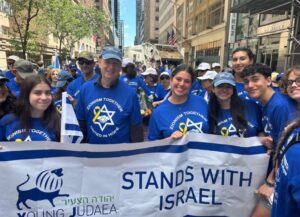
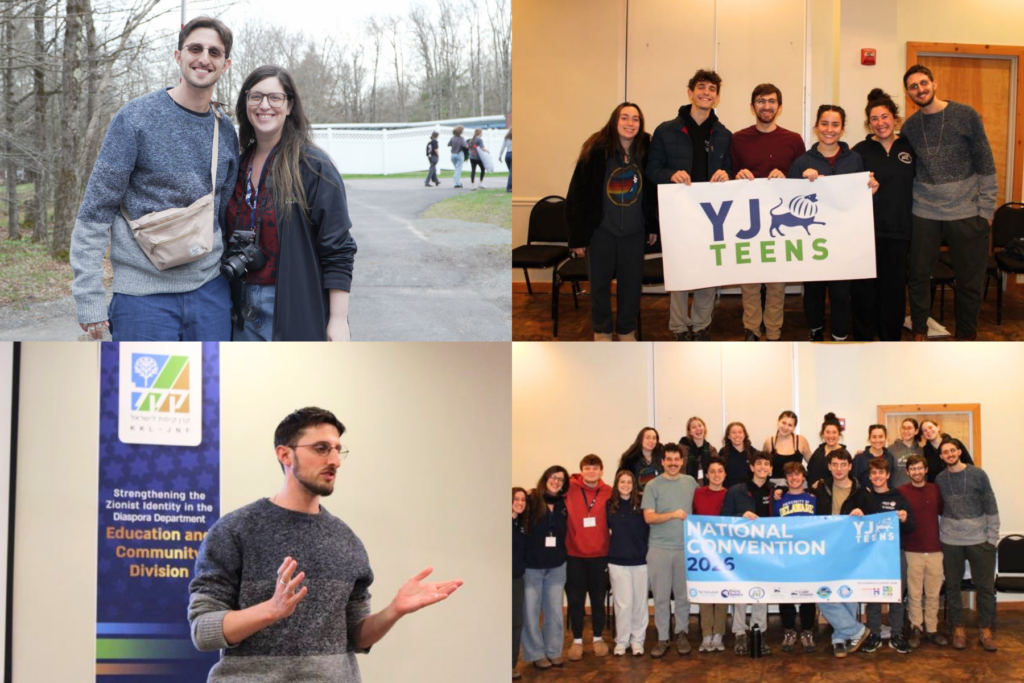
This year, the National Maz increased convention registration numbers drastically, holding a National Convention with over 130 teens, an 45% increase from the year prior. We planned the first ever Nationwide Shabbat, where over 20 Judaeans from across the country hosted Shabbat dinners for their friends and family, sponsored by YJ Teens. We organized a Young Judaea marching group in the Israel Day Parade, the first time marching independently. In May, we had an Altneu weekend at Tel Yehudah, where the outgoing and incoming National Maz collaborated and learned from one another. YJ Teens also saw the creation of multiple new Va’adot, or clubs, across the country. 

I put all of my energy into making these programs happen, and I could not have done it without the amazing team who I worked with all year. The four other National Maz members, Yael Friedman, Jesse Flumen, Addie Slater, and Ruth Glaser, all carried the passion and commitment required to accomplish our goals in YJ Teens. I want to especially thank Michal Abramoff, who directed our year of YJ Teens, and continues to make progress in the movement. I also want to share my deep appreciation for Amit Castel, our National Advisor this year. Amit was always there to support our Maz, and we could not have done it without him. 

While working at TY this past summer, I was approached by countless teens asking how they can bring YJ Teens programming to their communities. Seeing the passion in the next generation of Judaeans makes me very hopeful for the future. I am confident that the incoming National Maz will continue to improve Young Judaea. I am personally so excited to pass the torch to Hallie Liberman, the incoming National Mazkira, and cannot wait to see where the movement goes under her leadership. 

Thank you Young Judaea for giving me a lifelong community where I can truly be myself, a proud Jewish leader. I am forever grateful for the people I’ve met and opportunities I’ve had. I cannot wait to continue my YJ Journey on Year Course in just a few weeks, and for now, say goodbye to YJ Teens. 

– Natalie Pittman, National Mazkira 2025-2026

From Year Course to Published Author

From Year Course to Published Author

At 17, I left home for Young Judaea Shalem with an extremely sophisticated plan for my future: go to Israel for a year, have an adventure, and figure out the rest later.

Over a decade later, I published a novel about a 22-year-old who gets on a one-way flight to South America with approximately the same strategy.

I spent 2013–2014 on Young Judaea Shalem, the Modern Orthodox track of Year Course. Israel was already a significant part of my life. My dad is American, my mom is Israeli, I grew up speaking Hebrew, and I had spent several years of my childhood living in Ra’anana. Returning at 17 was different. For the first time, I was beginning to build a life of my own.

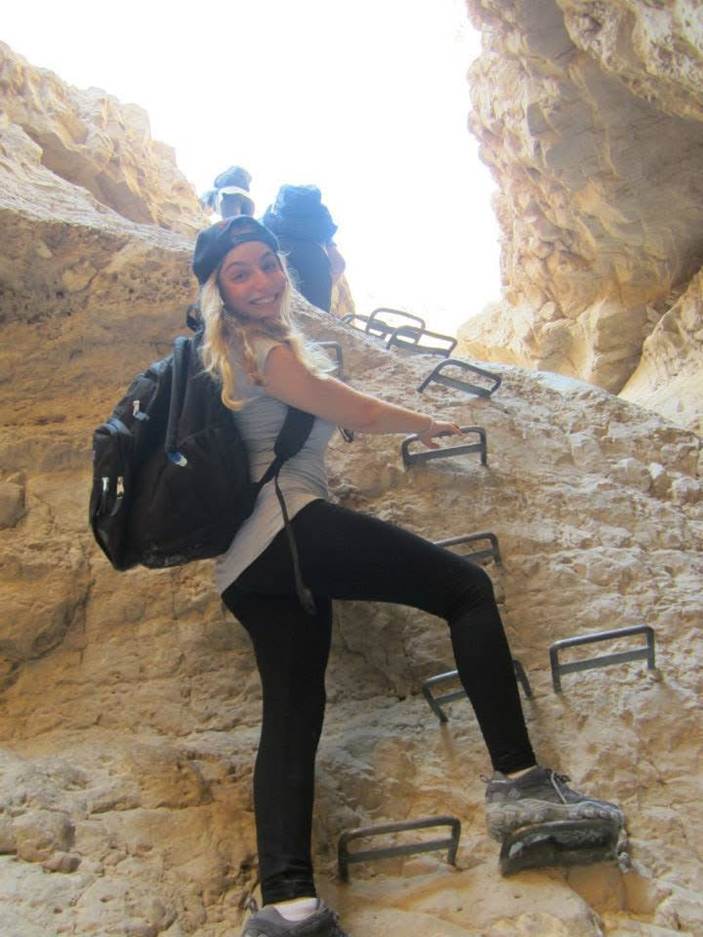
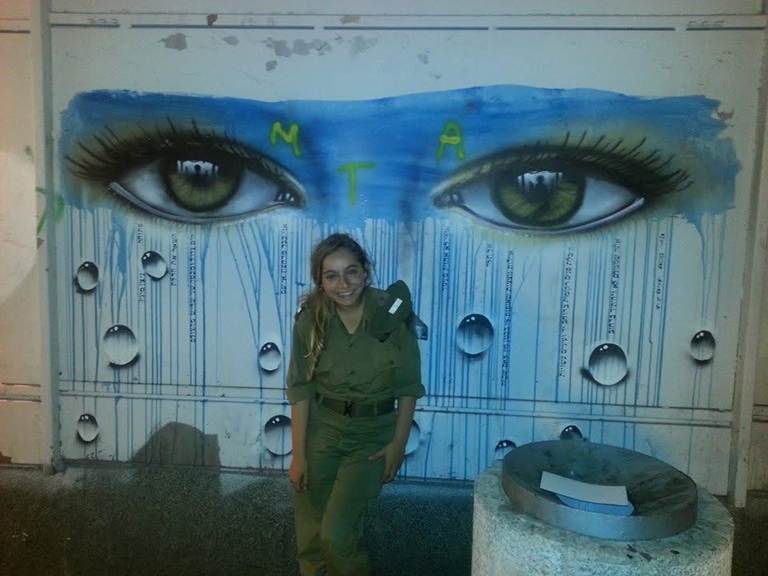
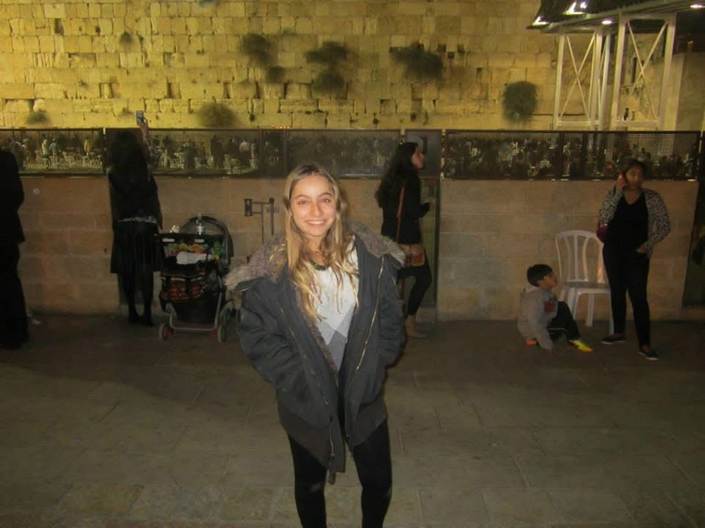
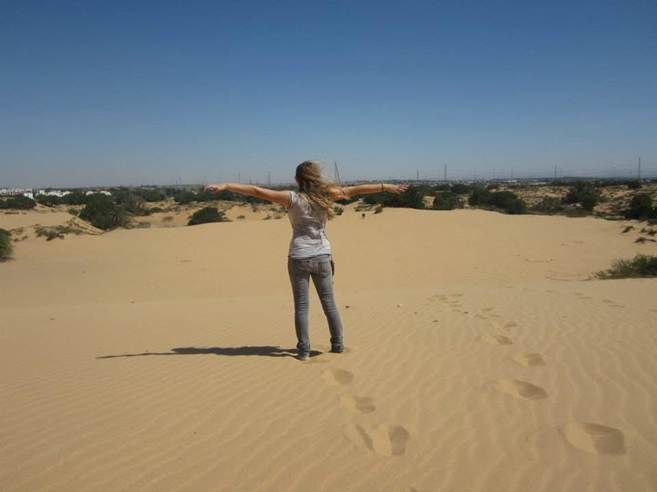
During Shalem, I spent months living and volunteering on Kibbutz Yavne and in Jerusalem, traveling around the country, and participating in Marva, an IDF immersion program.

Shalem was my first real taste of the particular freedom that comes with being young, away from home, and surrounded by other people who are also figuring out who they are. When you live and travel together, friendships develop at warp speed. Someone you’ve known for three weeks can feel like an old friend, and ordinary experiences become stories you’ll tell for years.

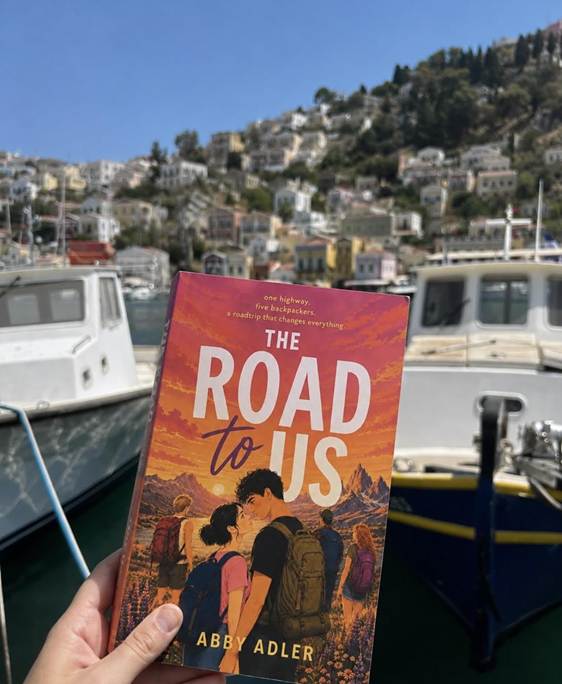
I didn’t know it then, but that feeling would eventually become central to my debut novel, The Road to Us.

From Shalem to the tiyul gadol

After Shalem, I returned to New York for college. But Israel wasn’t finished with me just yet.

I moved back and served in the IDF’s International Relations Unit. When my service ended, I participated in an unofficial Israeli institution: the tiyul gadol.

Like countless Israelis before me, I packed a backpack and headed to South America.

There, I encountered an entire ecosystem thousands of miles from Israel that felt unmistakably Israeli.

Years later, I realized that for such a recognizable part of contemporary Israeli culture, I rarely saw the tiyul gadol represented in English-language fiction.

I decided to write the book I wanted to read.

Turning a familiar world into fiction

The Road to Us follows Sophia Jacobs, a Jewish New Yorker who joins her Israeli friend Camille on a backpacking trip through South America. When they link up with a few Israeli backpackers for a road trip through Patagonia, their journey takes an unexpected turn.

While the novel is fictional, I drew on my own travels to build the world surrounding the characters.

I knew the feeling of arriving somewhere with a backpack and no real idea what the next few weeks would look like. I knew the intensity of friendships formed while traveling and the Israeli backpacking culture I wanted to capture: the humor, Chabad dinners, hostel life, overnight buses, and sense that normal life had temporarily been put on hold.

At its heart, The Road to Us is about what happens when you leave the version of yourself everyone knows at home and discover who you might be somewhere else. Young Judaea Year Course was one of my first opportunities to experience that myself.

My own background also shaped the perspective from which I wrote the story. I’ve spent much of my life moving between American and Israeli culture: growing up in both countries, spending a gap year in Israel, serving in the IDF, and eventually backpacking with Israelis abroad. Sophia enters the novel largely from the American side of that equation, and the Israeli travelers she meets introduce her to another way of thinking about Jewish identity, adulthood, and home.

Over a decade later

When I think about my 17-year-old self arriving on Year Course in 2013, I certainly don’t think she expected the experience to become part of the creative DNA of a novel she’d publish more than a decade later.

We don’t always know which experiences are going to stay with us. It could be living on a kibbutz at 17, a deep friendship formed far from home, a conversation with someone you never see again, or a journey you don’t realize changed you until years later.

I hope The Road to Us captures some of that feeling.

There’s romance, backpacking mishaps, hostel nights, so much Hebrew, and the gorgeous landscapes of Patagonia. I wanted readers to feel, for a few hundred pages, as though they’d thrown on a backpack and joined the trip themselves.

Underneath the adventure, it’s a story about being young, stepping outside the life you know, and discovering how much the people you meet along the way can change you.

Young Judaea Shalem was one of the first times I discovered how much leaving home can change the way you see the world, and yourself.

Read The Road to Us

The Road to Us by Abby Adler is available now on Amazon in paperback and Kindle.

Paperback: Read the Road to Us in Paperback
Kindle: Read The Road to Us on Kindle

For more book updates, behind-the-scenes writing content, travel, and book recommendations, follow @abbyadlerwrites on Instagram and Substack.

L’hitraot Amit!

L’hitraot Amit!

Three years. Who would have believed it?

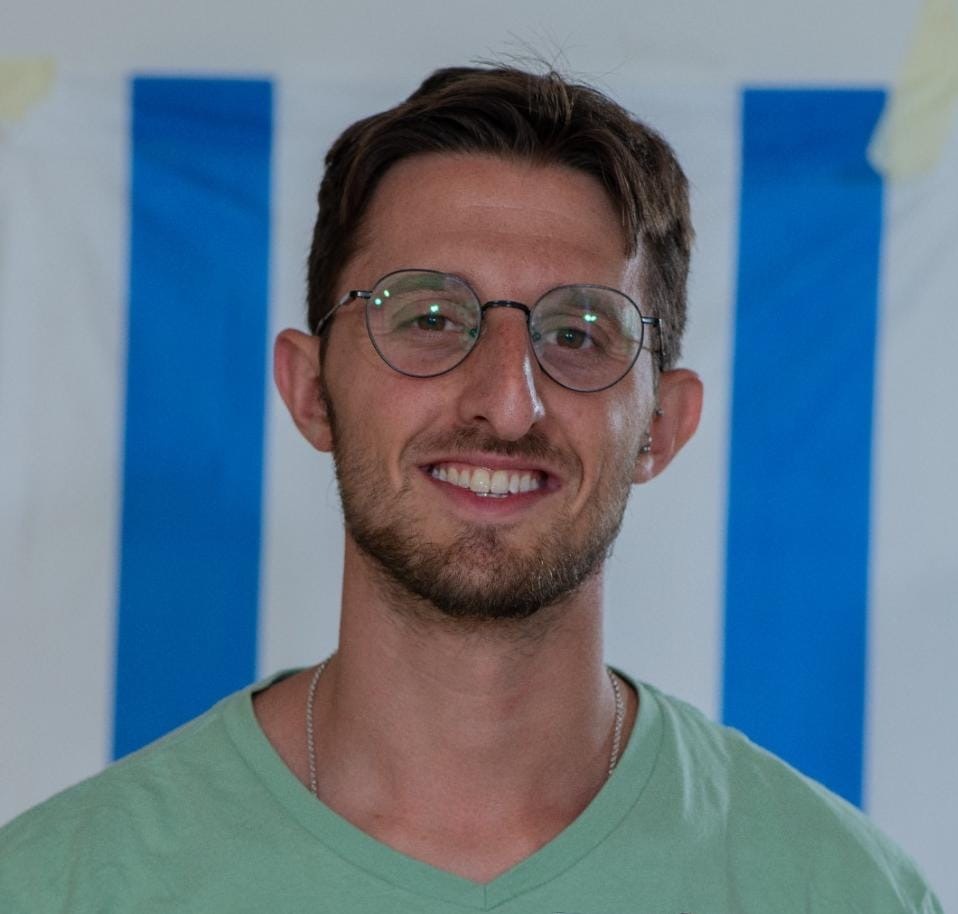
I arrived in New York in September 2023, and from the very beginning, Young Judaea welcomed me with open arms. One month later, the world changed in ways none of us could have imagined, and so did the reality of my shlichut. Through three constantly changing years, we grew, brought countless programs and conventions to life, and created meaningful moments for hundreds of chanichim across the country. Along the way, Young Judaea became a home for me, too.

I had the privilege of being Young Judaea’s first shaliach in many years and helping plant the seeds of a new chapter for the movement. Now, it’s time to pass the responsibility into new, fresh hands. I’m so happy to welcome Mai, YJ’s new Central Shlicha, and wish her the very best as she builds on what we’ve achieved and plants plenty of seeds of her own! A huge thank you to our National Mazkirut and all of the incredible YJ teams, staff, and advisors I’ve had the privilege of working alongside. I’m incredibly proud of what we accomplished, but I know this is only the beginning.

Now, I’m packing up my home in New York and preparing to return to Israel. I’m incredibly happy to be going home, but I already miss it, including the little things, like Saturday night Havdallah and Rikkud. What can beat that?! Most of all, thank you to every person I met, worked with, learned from, and shared this journey with. The YJ journey is never really over, and I can now say for sure that I’m a Judaean for life. Until we meet again, in the U.S., Israel, or anywhere else around the globe.

Forever yours,

Amit

Reuniting 40 Years Later: A Young Judaea Shlichim Reunion

Reuniting 40 Years Later: A Young Judaea Shlichim Reunion

A Conversation with Amiram Mainz

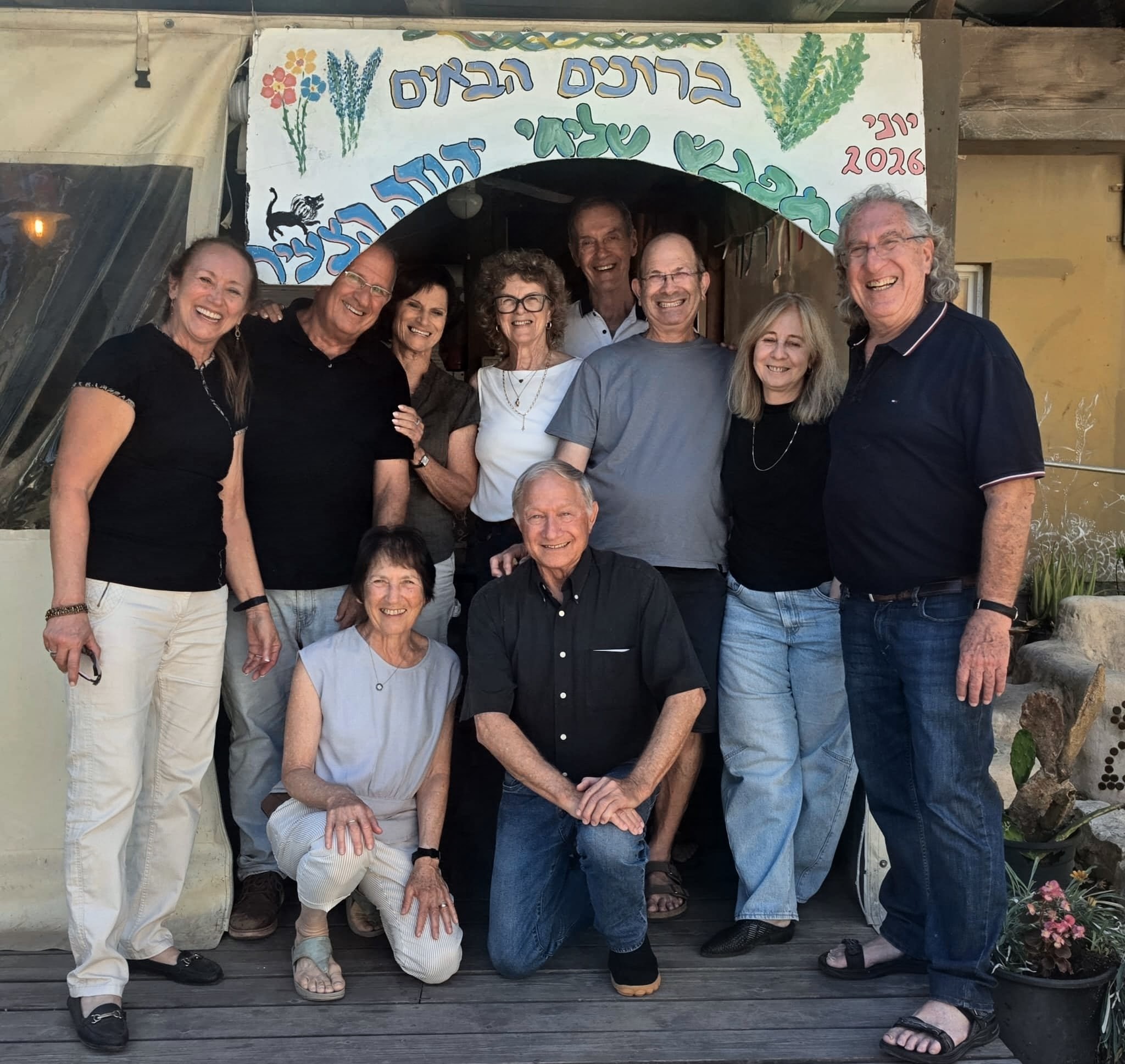
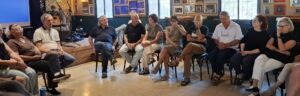
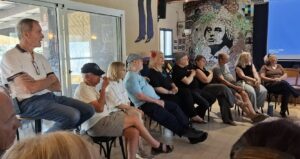
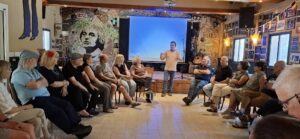
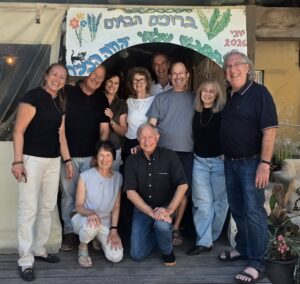
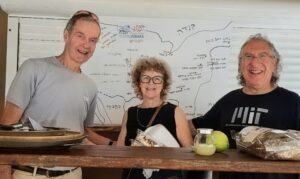
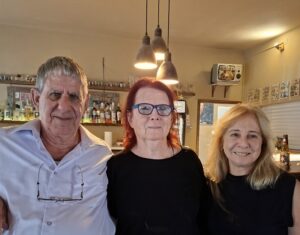
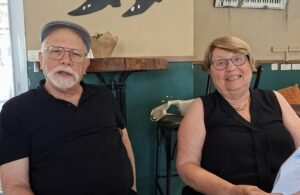
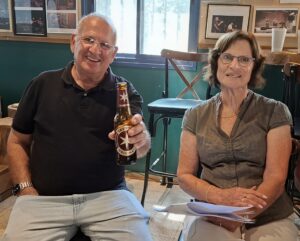
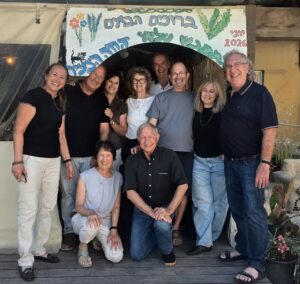
Forty years after arriving in the United States as Young Judaea’s Central Shaliach, Amiram Mainz brought together the group of Israeli shlichim who served alongside him from 1986 to 1989.

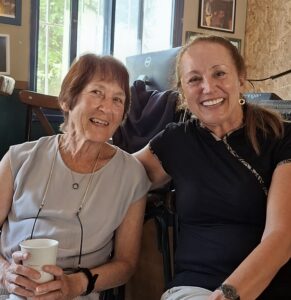
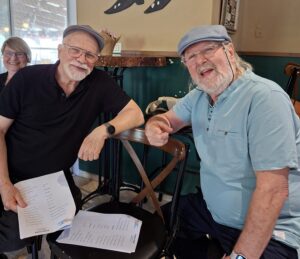
Nearly 20 former shlichim gathered in Israel to reconnect, share memories and reflect on an experience that shaped their lives and strengthened the relationship between Israeli and American Jews.

What was your role with Young Judaea?

I became the Central Shaliach in 1986 and moved to New York with my wife and our four children. At the time, our delegation included 13 shlichim and shlichot, most of whom came with their families. They were based throughout the United States, from New York and Washington, D.C., to Florida, Texas, Michigan and California.

I worked with Young Judaea’s national professional staff, the National Mazkirut and Hadassah, which was Young Judaea’s sponsor at the time. I also traveled frequently to meet with regional directors, shlichim and camp leadership around the country.

It was never only my experience. It was something my wife and our entire family took part in together.

Why did you decide to organize a reunion now?

It had been exactly 40 years since we began our shlichut, and I had been thinking about bringing everyone together for several years.

As you get older, you realize that you should not wait. There were some people I had not spoken with in 30 or 35 years. In the end, around 17 or 18 people attended, which was about 80 to 85 percent of the group. Everyone arrived with a smile on their face. It was incredible.

What did you do during the reunion?

We wanted it to include more than simply mingling, although reconnecting was very important.

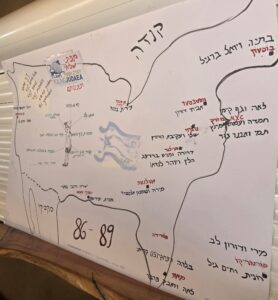
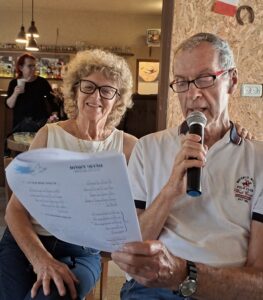
We sang Israeli songs, shared stories from our shlichut and heard updates about Young Judaea and the Israeli Scouts today. Everyone sent photographs from their years in the United States, and we created a presentation filled with memories from 35 and 40 years ago.

We spent about four hours together, and it was wonderful.

What memories from Young Judaea have stayed with you most?

Tel Yehudah made the strongest impression on me. It offered an intensive experience centered on Jewish and Zionist education in a way that was difficult to recreate through programs meeting only occasionally during the year.

At the time, Young Judaea had thousands of chanichim who could grow through local clubs, regional programs, camps, Israel experiences and Year Course. It created a path that helped young people deepen their connection to Jewish history, Zionism and Israel.

Through our work, we also learned to understand the American Jewish community much better. We learned how to work together and speak to one another at eye level.

What did your shlichut mean to you personally?

It was one of the most fascinating and challenging experiences of my life.

I traveled constantly and was often away from home, but it was for a good cause. I believe that our delegation helped strengthen the connection between American Jewish youth, Zionism and Israel.

Young Judaea was a huge and important part of my life. I still have friends in the United States from that period, and I do not regret the experience for even one minute. I have only good memories.

Do you plan to stay connected after the reunion?

We now have a WhatsApp group, and I hope we will continue using it to share memories and stay in touch.

The reunion was a dream I had carried for several years. Now that we have found one another again, I hope we can keep those relationships alive.