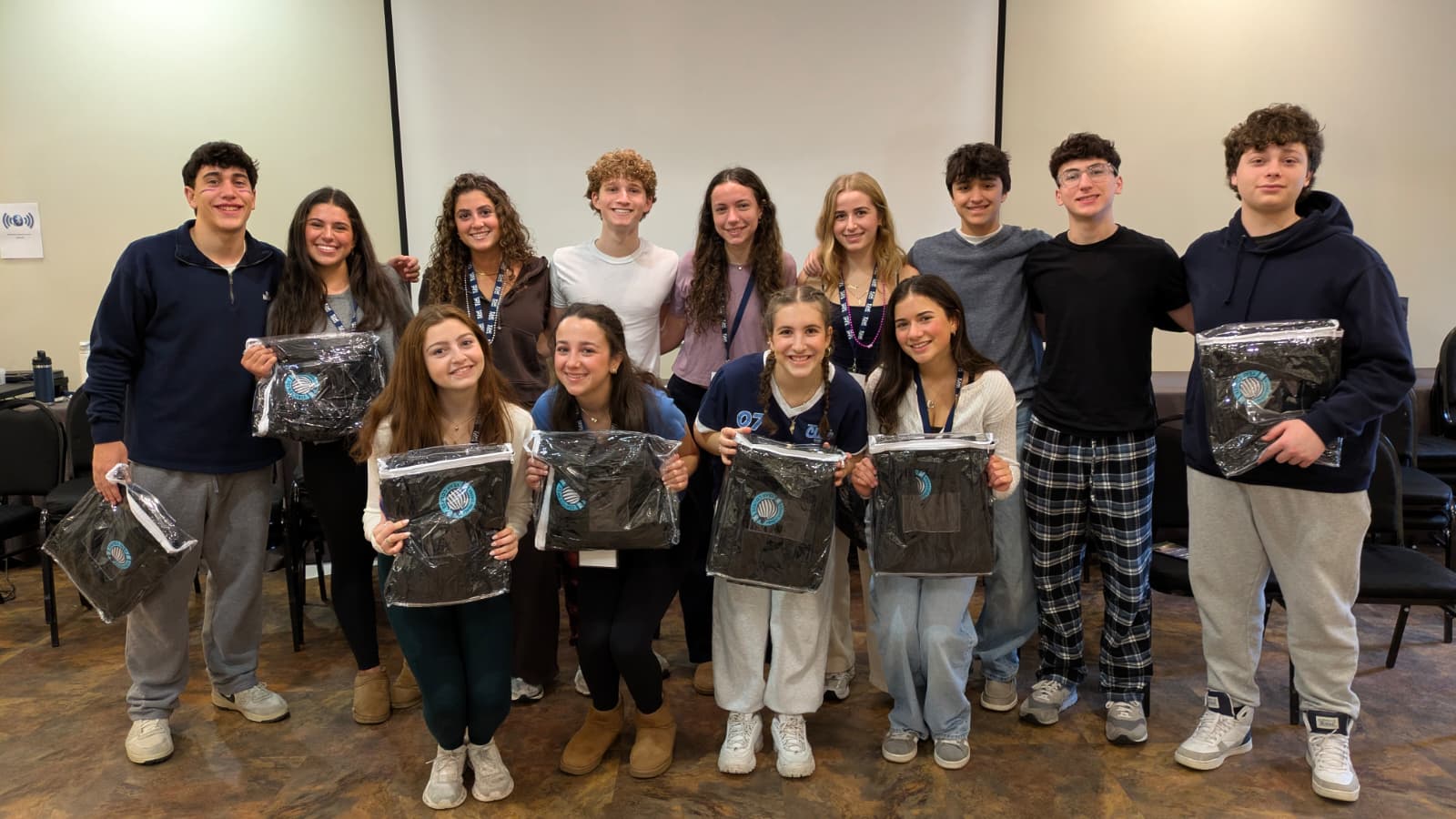
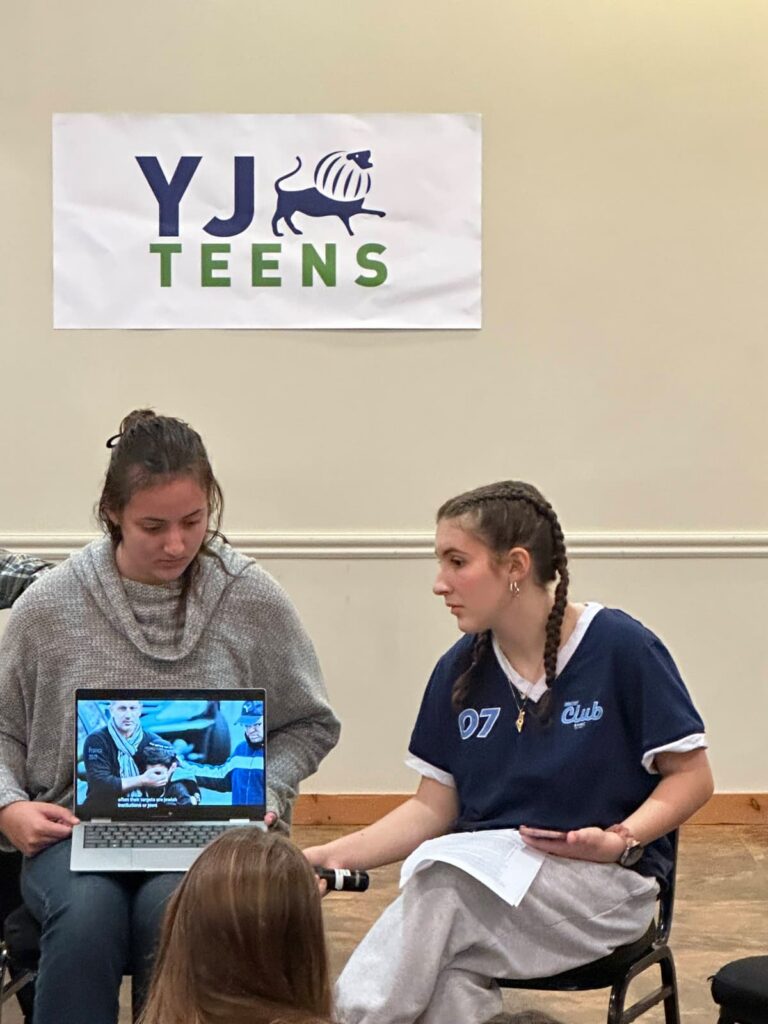
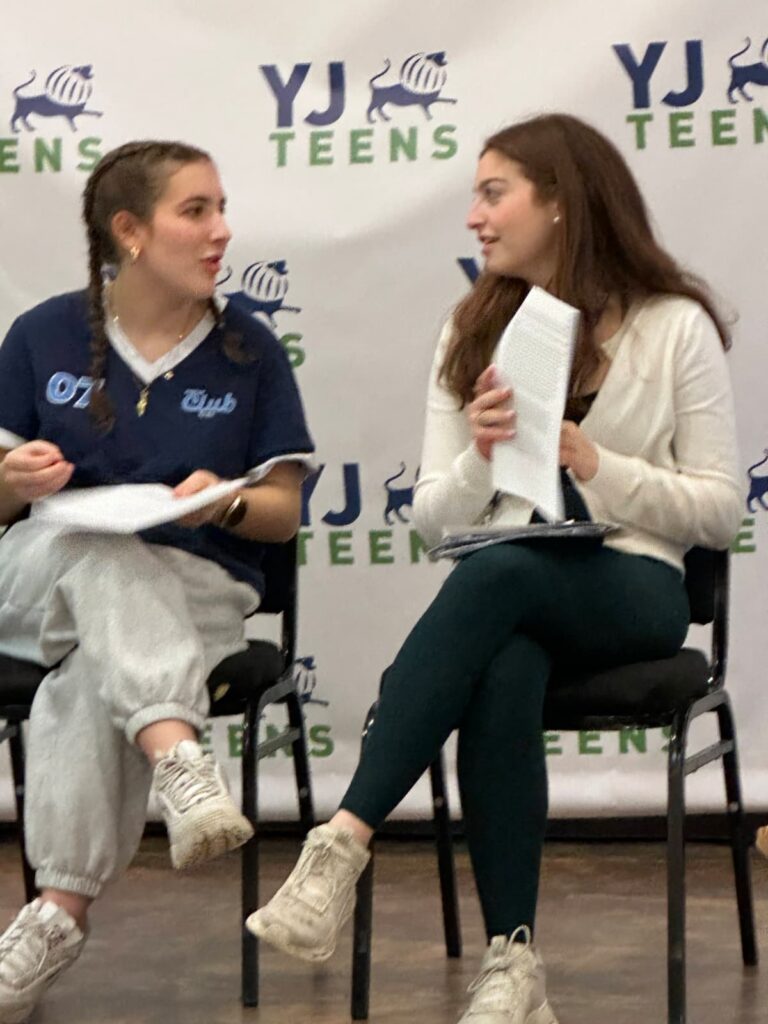
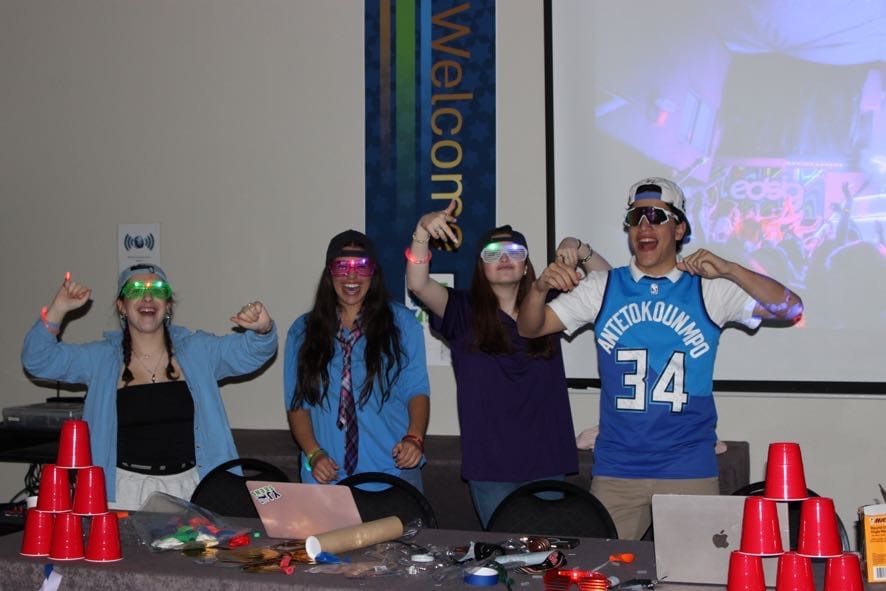
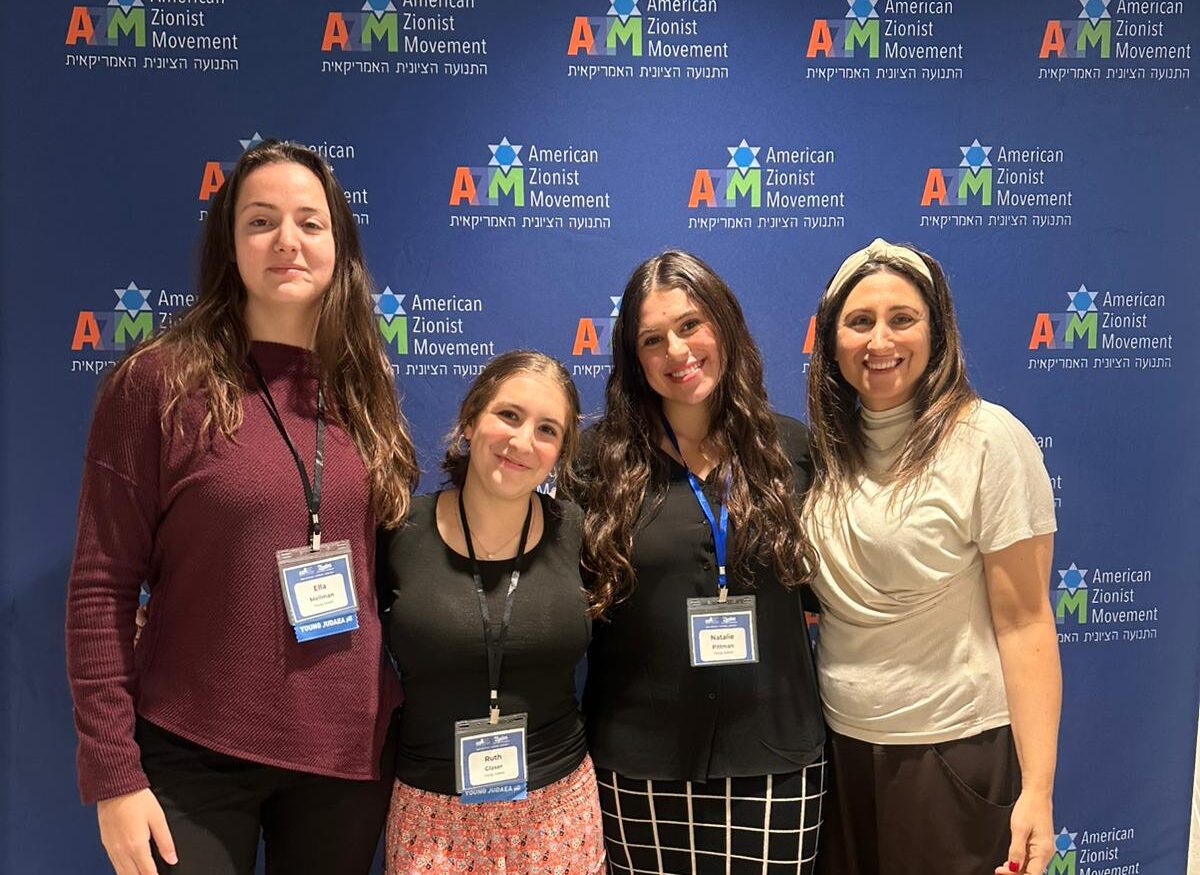
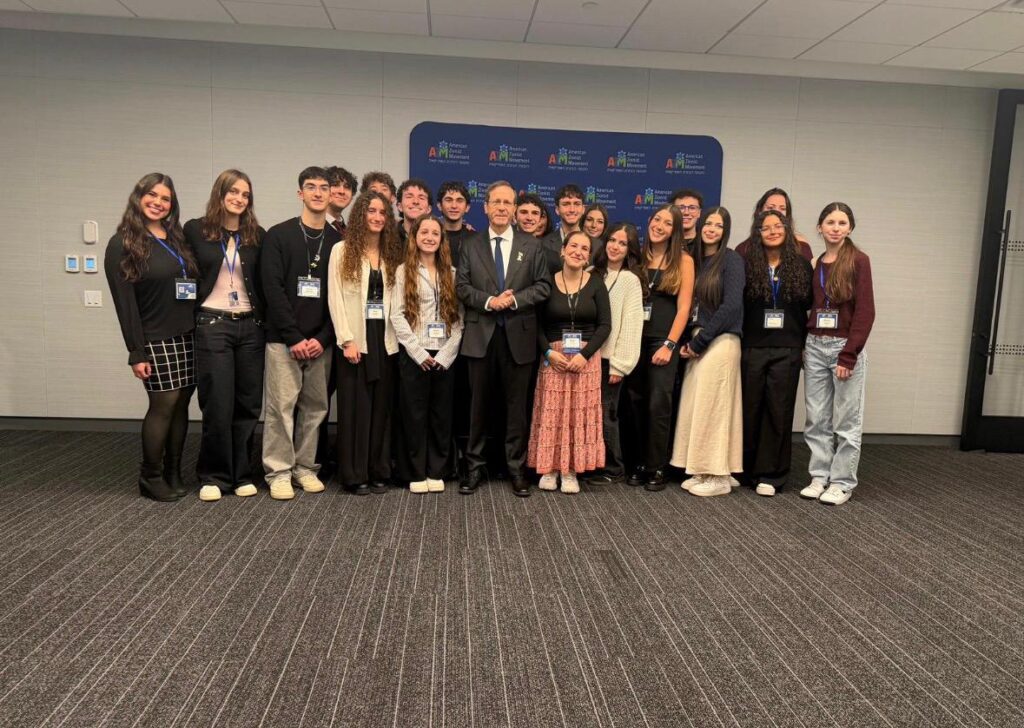
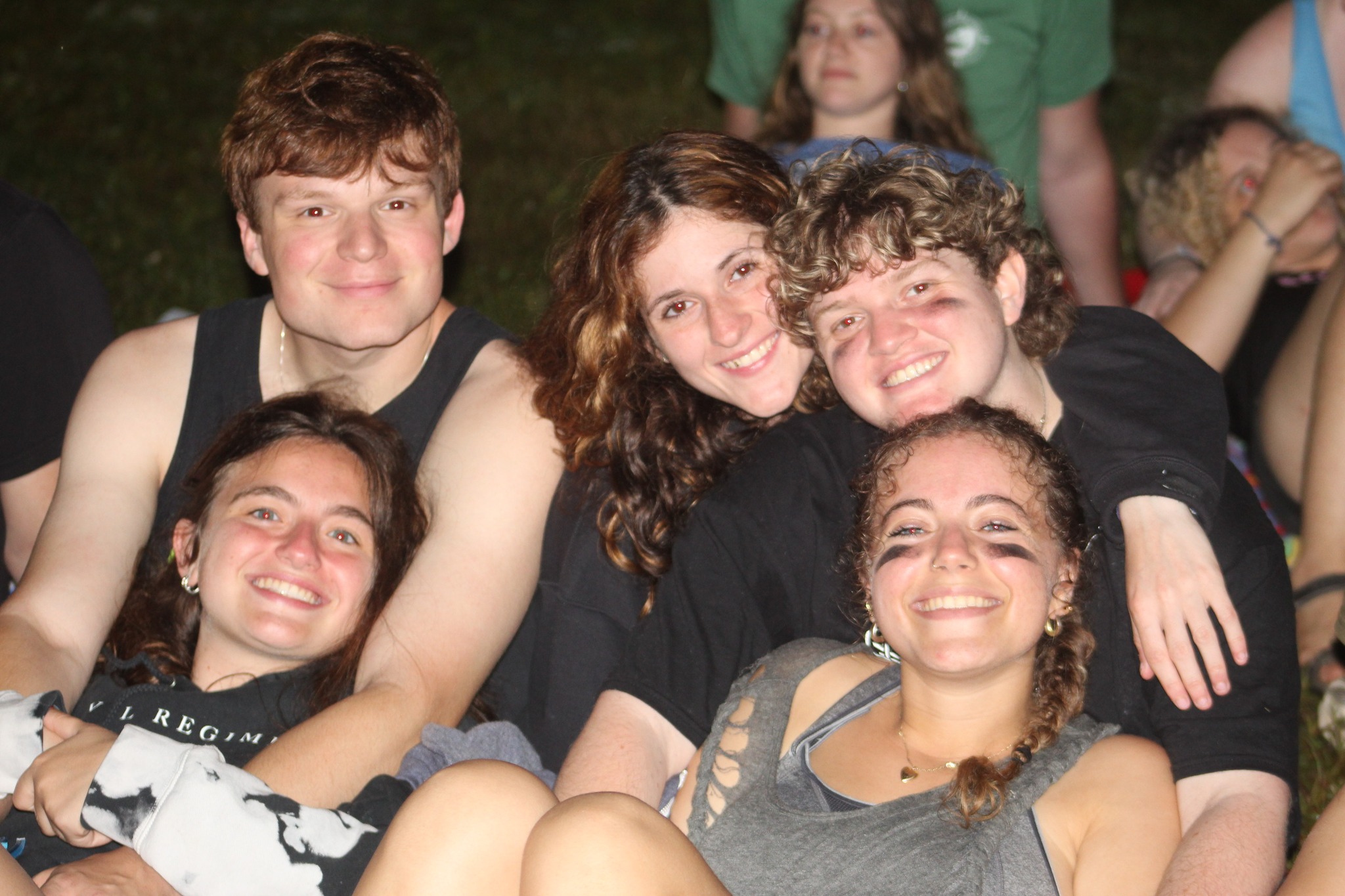
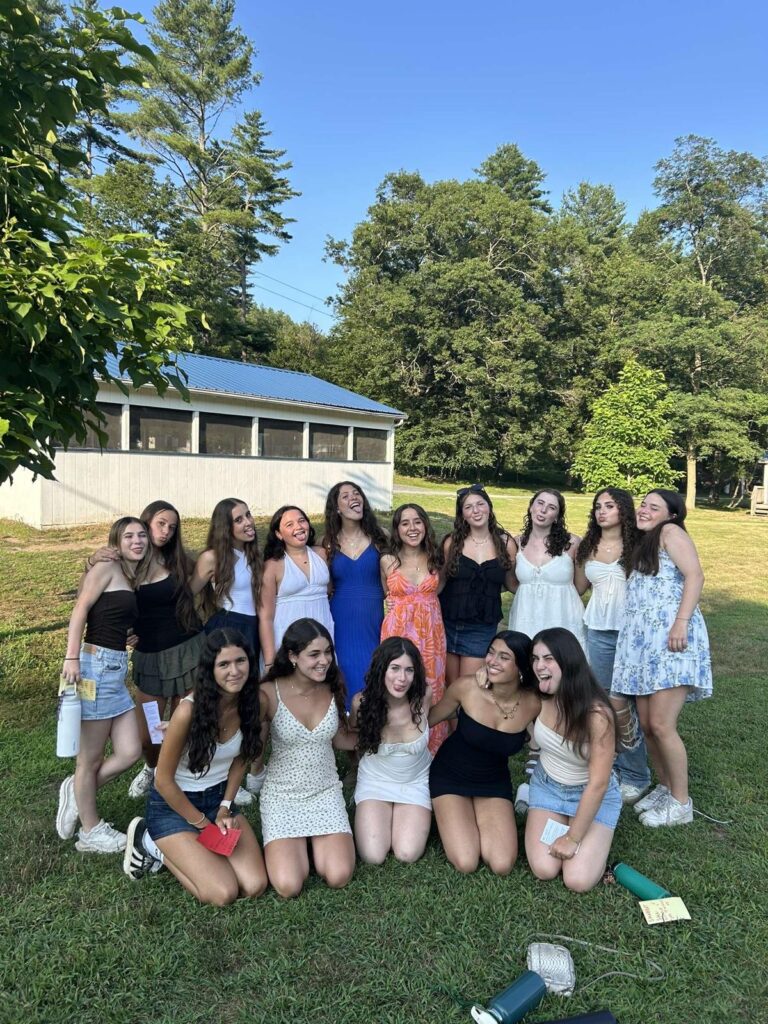
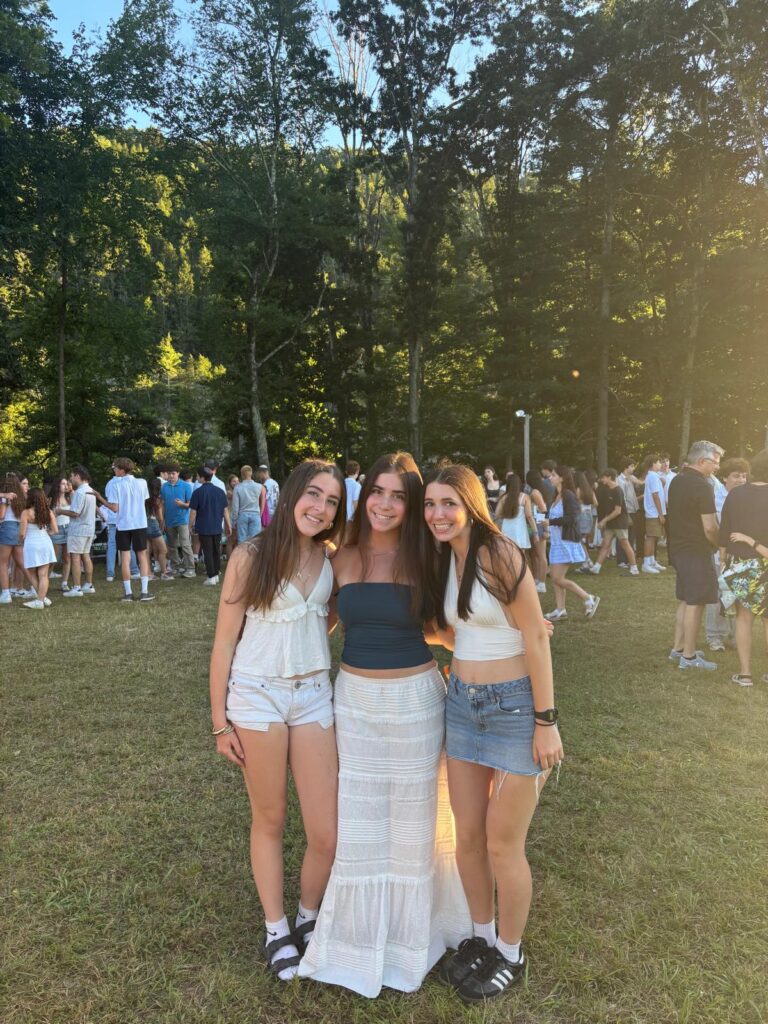
YJ Teens National Convention was such a fun and meaningful experience. First and foremost, I loved getting to see my friends, but the weekend was about so much more than that. The programming was engaging, and from a leadership perspective it was amazing to see how involved and invested everyone was in the conversations.
One of the biggest highlights of the weekend was the speakers. We were honored to have five incredible speakers lead workshops: Sarri Singer, Charlotte Korchak, Hava Tizazu, Kami Salman representing Talk Israel, and Shira Rosen. Each of them brought something unique, whether sharing personal experiences or offering education and guidance around Israel and antisemitism. One takeaway that really stuck with me was Charlotte Korchak’s explanation of antisemitism on the left. It can be incredibly painful to experience, but she emphasized the importance of standing up to it with facts, and that message really resonated with me.
Another moment that will always stay with me was Shira and Havdalah. There is something so special about ending Shabbat and starting the week surrounded by your favorite people and meaningful traditions. Overall, as a leader, it was incredibly rewarding to see how engaged everyone was and how productive the discussions were. National Convention was truly an amazing and educational weekend!
By Ruth Glaser, National ISAP
Reflection on National Convention from the National Mazkira
Young Judaea
January 29, 2026
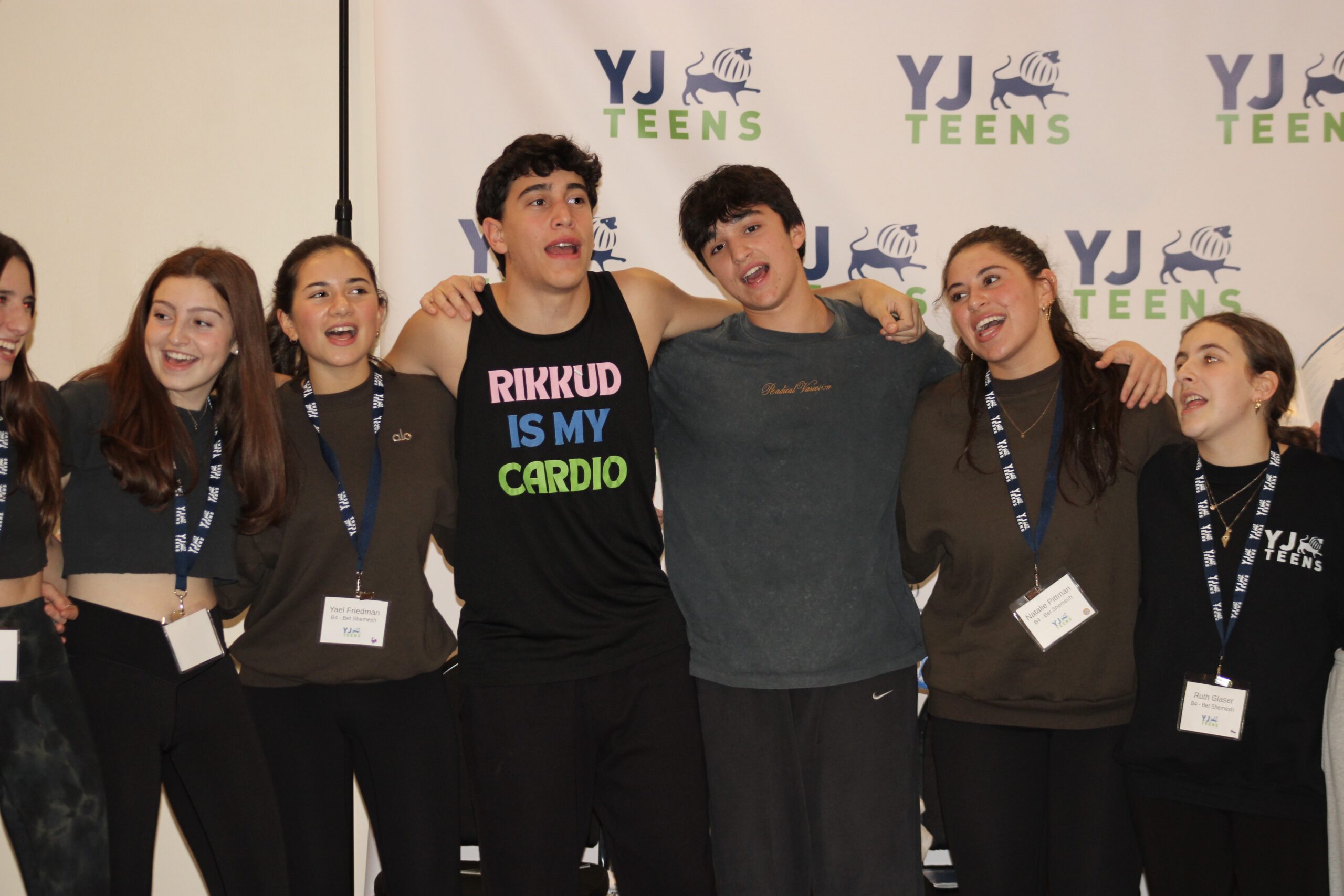
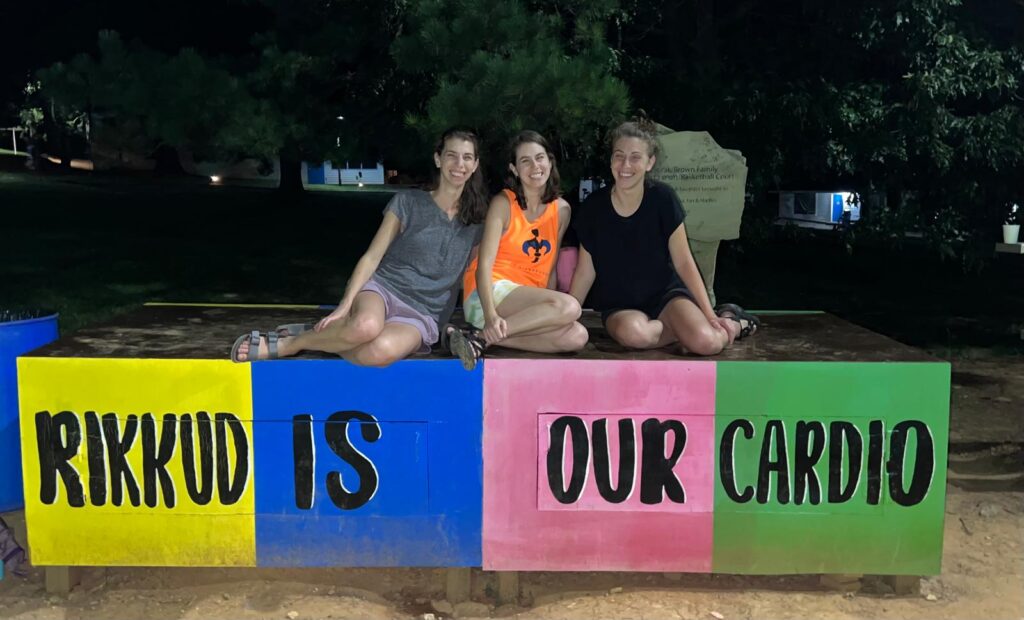
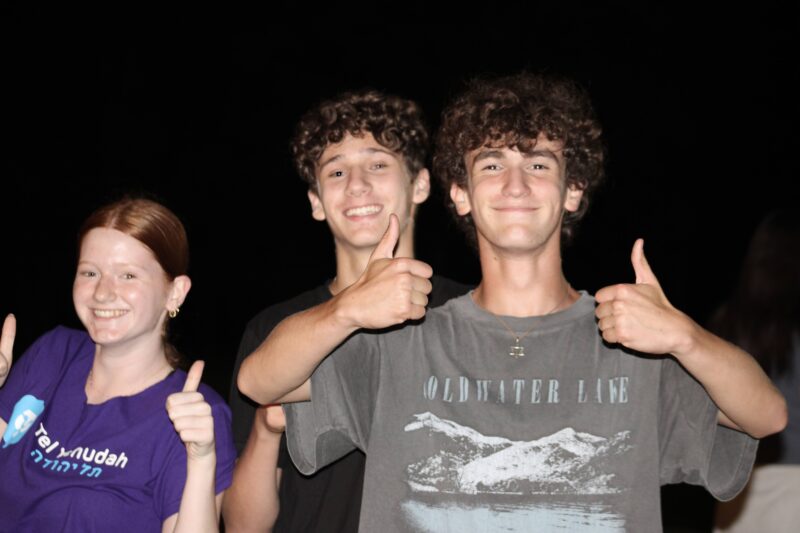
Last weekend, 130 teens from across the country and around the world came together for YJ Teens National Convention—and from the moment we stepped off the buses, the energy was undeniable. Friends reunited, new connections were formed, and excitement filled the room as we began an unforgettable weekend. Together, we celebrated Shabbat, deepened our Jewish identities, engaged in meaningful discussions about Israeli current events and our national initiative on human trafficking, and learned more about our role in the world. We sang and danced at Shira and Rikkud (one of the best Rikkuds of my YJ journey!), heard from powerful speakers, and elected the next National Mazkirut—leaders I know will bring passion and heart to YJ in the year ahead.
As National Mazkira, watching 130 teens come together in this moment filled me with immense pride.
Planning this weekend alongside the National Mazkirut was a labor of love, and standing in front of that room gave me so much hope for our future. I shared with the teens that there are times when the world feels overwhelming and helpless—but that YJ is how I push back against that feeling.
Through YJ, I’ve become more educated, more connected to my Judaism, stronger in my support for Israel, closer to my community, and more confident as a leader. Seeing these same qualities reflected in so many teens reminded me why this movement matters so much.
One moment that truly stayed with me was hearing from Sarri Singer, who shared her powerful survival story after being severely injured in a terrorist attack in Israel. After her recovery, she founded Strength to Strength, an organization that connects survivors of terrorist attacks around the world. Sarri reminded us that when trauma silences us, the terrorists win—but when we remain proud, open, and loud, they never can. Her message of resilience and strength is one I hope every teen carries with them moving forward.
Thank you to everyone who made National Convention so special—the weekend was incredible because of all of you. I’m excited for what’s ahead this year and can’t wait to see you at future YJ Teens events!
— Natalie Pittman, National Mazkira 2025-26
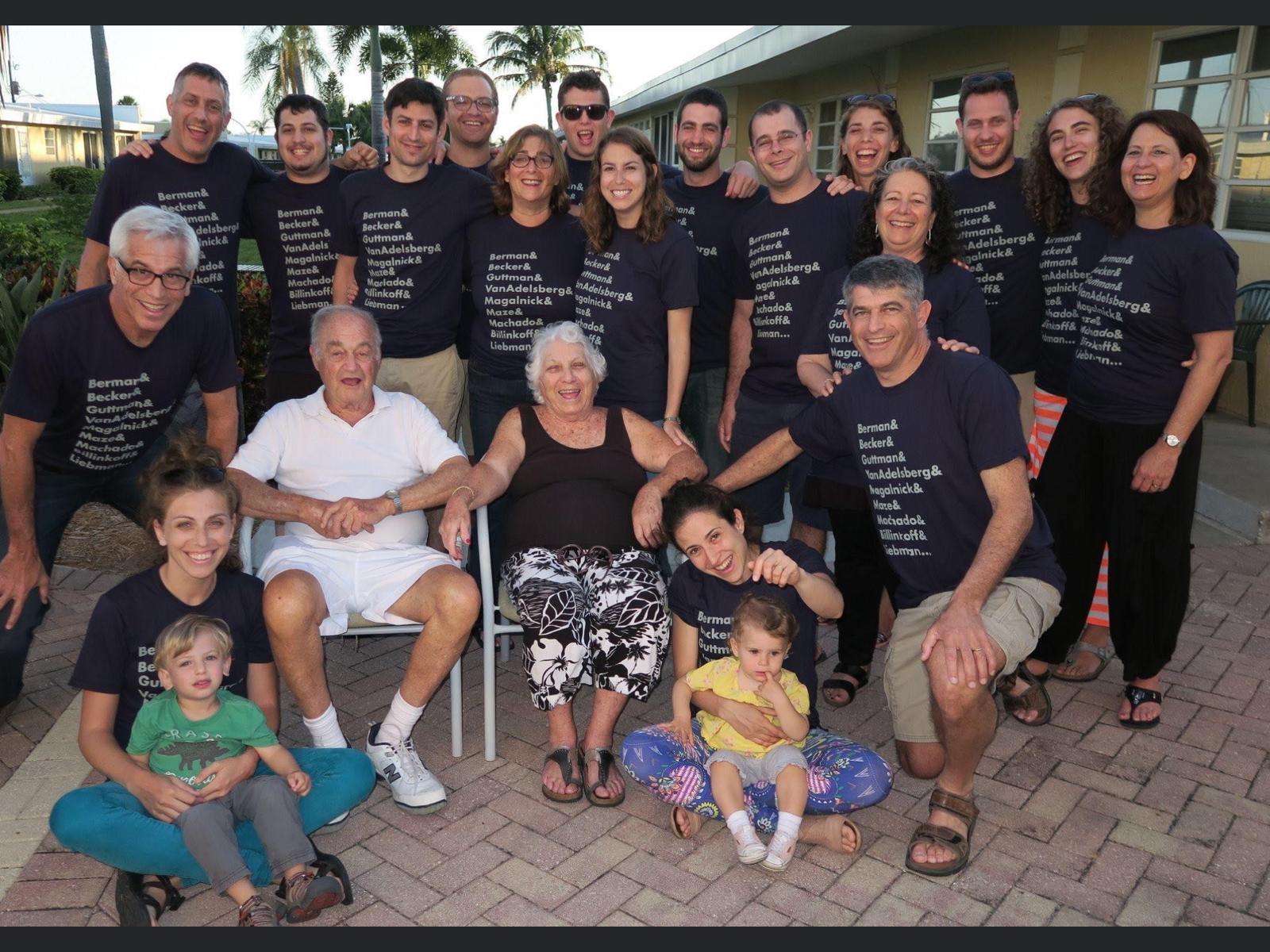
The Berman Family: Generations of Young Judaeans
Young Judaea
January 20, 2026
An interview with Steve Berman, TY 1969, 70 and 1972 YC/Machon 1973-74, TY Madrich 1974, YJ Florida Director 1977-79, TY Head Counselor TY 1979, YJG Board member 2012-2022
How many generations of your family have been involved in Young Judaea? Three!
How has Young Judaea shaped your family’s connection to Israel and the Jewish community? Starting in 1969, because of Young Judaea, our family has had a meaningful relationship with Israel with numerous family members living in Israel over the years including now.
Are there any lasting friendships or relationships your family made through YJ? Some of our closest friendships have been established through YJ. We have had YJ friends by our sides at weddings, funerals, ski trips, milestone birthdays, b’nai mitzvah and beyond. We all feel so lucky to have had the opportunity to forge these meaningful friendships from such a young age. These are friends for life!
Do you have a favorite YJ story, memory, or anecdote from your family’s experience? There are too many stories to list here. In the Berman second generation (of three) a Berman daughter from Atlanta married a a wonderful guy who grew up in Texas Young Judaea. The family jokingly calls this “a mixed marriage”!
What inspires your family to stay connected to Young Judaea today? Young Judaea is still a relevant forum for American Jewish youth after all these years. Our five camps and our incredible and durable Israel programs offers a unique way to establish lifelong friendship and a lifelong relationship with Israel.
Can you list out which of your families members have participated in Young Judaea? Steve Berman: TY 1969, 70 and 1972 YC/Machon 1973-74 TY Madrich 1974 YJ Florida Director 1977-79 TY Head Counselor TY 1979 YJG Board member 2012-2022, married to Gita Berman
Gita Berman: TY Sgan Merakezet 1979, married to Steve Berman
Michael Berman : TY 1971-4. YC/Machon 1975-6. TY Madrich 1977. TY Merakez 1978. YJG Board 2012-2026 (Chair from 2014-2022)
Lauren Berman: TY 1975, 1976, 1977. YC 1978-1979.
Daniel Berman: TY 1975, 1976, 1978, Kitchen 1979-1980, YC/Machon 1979-80 Rosh Machaneh TY 1985
Michael Maze: CYJ Texas 1993-96 TY 1997,99 Machon 1998 YC 2000-01 TY staff 2001-03 Summer programs staff 05 IDF 2008-09 Marriage to Mara Berman 2011- Current Parent of one (soon two!!!) CJ campers
Mara Berman: CJ 1994-1999, 2002-2004 Machon 2000 TY 99, 2001, 2004 YC 2002-2003 Staffed Israel Programs 2005, 2006 Staffed YC 2007-2008 Married to Michael Maze Parent of one (soon two!!!) CJ campers
Oren Berman: CYJ Midwest 1998-99 CIT at CYJ Midwest 2002 YC 2003-4 CYJ West in Oregon 2006
Aviva Berman: CJ 1996-2000 TY 2000-2002 Machon 2003 Year Course 2004-05 TY staff 2004-05 CJ staff 2005-06 Lev HaDarom Regional Mazkirut 2002-03 National Mazkirut 2003-04 Parent of CJ camper 2024-present
Eitan Berman: CJ 1999-2005 TY 2005-2006 Lev HaDarom Regional/Merchav Boom Boom Mazkirut 2005-2008 Machon 2007 YC 2008-2009 CJ Staff 2008-2009 Israel Army 2009-2012
Noah Berman: CYJ Midwest 2000-07 TY 05-07 Regional Mazkirut 05-08 National Mazkirut 08-09 YC 2009-10 TY Staff 2009-11 Midwest Staff 13 YJ Israel Staff 13-14 IDF 2014-2015 Married to Naama Dahari
Naama Dahari Berman TY 2009-2011 CYJ Midwest 2013 Married to Noah Berman
Shira Berman: CJ camper 2001-2006 TY camper 2007-2008 Machon 2009 Year course 2010-2011 CJ staff 2010-2013
Matan Berman: CJ Camper 2008-2015 TY Camper 2015-16 TY Staff 2018-2019 YC 2018-2019 National Maz 2018
I was here in Israel twenty-three months ago, in January 2024, three months after the start of the war, for a week-long Young Judaea Alumni mission during which we met survivors, families of victims, and thought leaders from journalism and politics, and volunteered by picking cucumbers and making care packages for displaced persons.
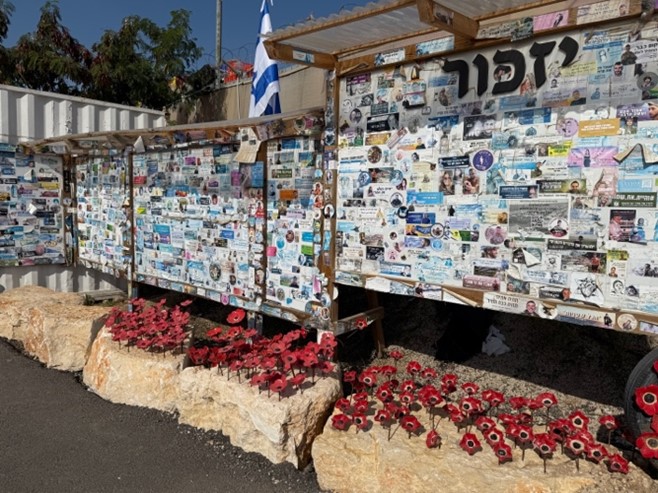
At that time, in Hostage Square, the large digital clock was at 115 days. Now I am here in December 2025. The art exhibits in Hostage Square have mostly been disassembled, but because we are all still short one final hostage whose body has not yet been returned, the clock continues to count upward. It is at 815 days upon my return.
Seven hundred days that I was at home, living in freedom and peace, not hiding in bomb shelters. Days that my two 20-something-aged kids were not serving in the IDF, but studying and working in the U.S., able to hug me when I came to visit them. Days that I worked as a volunteer as my synagogue board chair, in part trying to support Israel by fighting antisemitism and promoting Jewish pride within the United States. I am so glad to be back in Israel during a time when so many people here, collectively as a population, have (at least, maybe) started to exhale.
Although Israelis are still in a post-trauma phase after October 7th, I am not hearing from them that they are still in the trauma and reliving that day over and over again every day, the way that I heard from so many of them two long years ago. My stepfather lives in Jerusalem and, between COVID and the wars with Hamas and Iran, hasn’t felt safe traveling back to the U.S. to visit his grandkids for nearly six years. He’s finally starting to think about making the trek. Our good friends who live in Shoham, near Ben Gurion Airport, whose son had just finished his IDF training when I was here last time, are now able to sleep at night again, as he is almost done with his service.
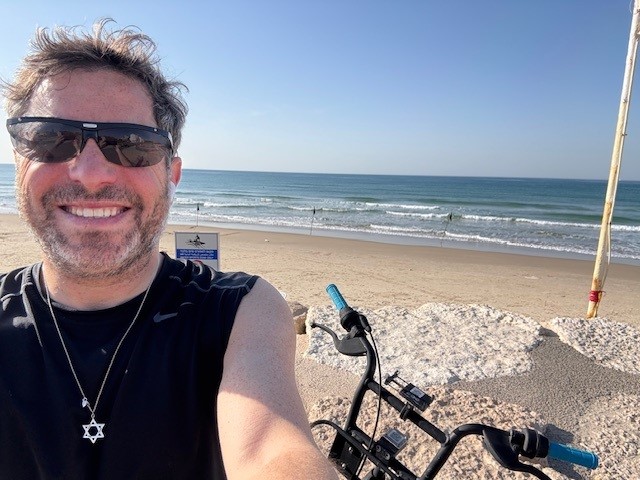
I have spent the last two weeks here mostly just trying to “live like an Israeli” for a little while, as much as a middle-aged American who speaks broken Hebrew can in the heart of Tel Aviv. My wife, Amy, and I rented an Airbnb. She worked a bit during the first week, but mostly we’ve spent time with family and friends—walking the city and boardwalk, eating our way through falafel, pizza, sushi, Chinese, and Italian food, soaking up the sun by day, and watching the Mediterranean sunset in the late afternoon. We have perused art galleries in Florentin, had a prix fixe menu on New Year’s Eve, rented “MetroFun” bikes, toured the Tel Aviv Museum of Art and the ANU Museum on the campus of Tel Aviv University, and met up with friends from back home in Atlanta and from growing up in Maryland, here and there.
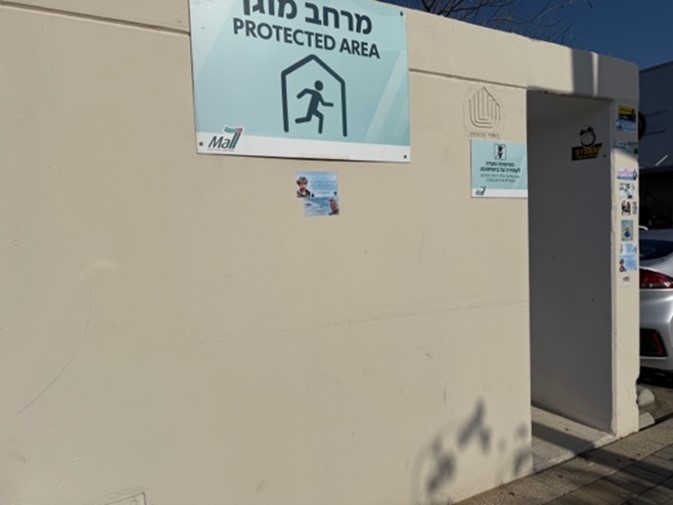
When I am at the beach in Tel Aviv, I can see the Dan Panorama Hotel where I stayed with my Young Judaean friends for six days two years ago. I can see the yellow-domed gas station at which we were loading onto our bus when the tzeva adom alarm sounded and we had to run back into the hotel and hide in the mamad until the Iron Dome shot down rockets coming from Gaza to South Tel Aviv. I can look at the hotel and know that it’s filled with tourists now, and not the hundreds of refugees from Israeli towns on the border of Lebanon who lived there for months after the start of the war, and with whom we shared our accommodations and meals during the week we were here volunteering as Judaeans in 2024.
I am extremely fortunate to be good friends with several IDF soldiers, as many of them have worked with Amy as Shinshinim in Atlanta during their gap year between high school and army service, through a program with the Jewish Federation of Atlanta via the Jewish Agency. It has been so great to see them, give them a hug, treat them to coffee or meals, hear stories of their time in basic training or about their jobs (what they’re able to share!) in the army, and hear what they miss about America. And to know that we are being protected by the best of the best, and that things are a little calmer for them now due to the ceasefire than they would have been last year.
I had lunch today in the heart of Jerusalem with the daughter of one of my best friends from high school. She is a lone soldier who is four months away from finishing her army service, and she just got engaged. It gave me such incredible pride to spend time with her and hear about her experiences and her fellow soldiers that, after we parted ways, my heart was pounding to the point where I thought it was going to beat right out of my chest.
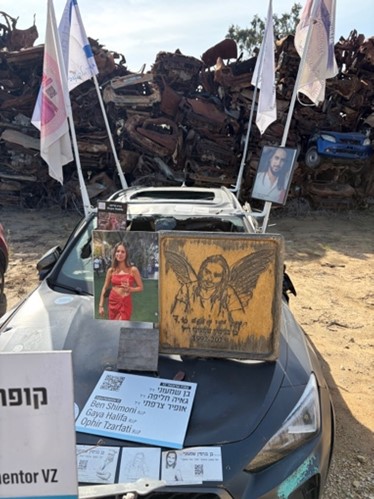
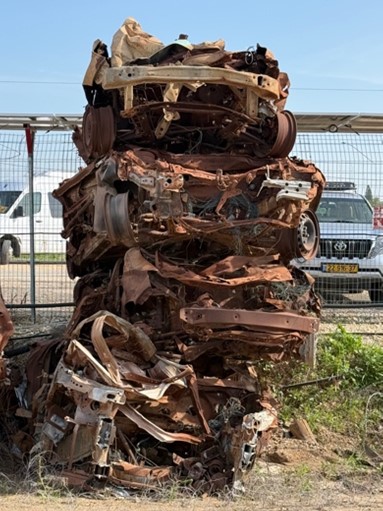
Two days ago, Amy and I took our 23-year-old daughter, Sydney, to the Gaza Envelope for the day to tour the border kibbutzim, the car museum, and the Nova Festival site. So many innocent Israeli children were taken from us in one morning 815 days ago—mostly Jewish people, but also a diverse group of Thais, Druze, Bedouins, and Christians, as anyone who has been following the war knows. People who, while beautifully and tastefully memorialized in the south of Israel so that we can pay our respects and bear witness, have been silenced forever.
But there is hope here now. Next to our Airbnb there is a preschool whose kids are dropped off at about 8 a.m. every morning. It is such a treat to hear the happy voices of small Jewish children filling our street as they start their school day. On the beach are young men and women going for a jog or a bike ride, walking arm in arm with their partners, or joyously playing beach volleyball—using their hands, heads, shoulders, and feet—sometimes yelling as they dive for the ball. As I hear these sounds, it fills my heart to know that, at least for the moment, they are able to live their lives carefree and full of enjoyment.
I spent some of the afternoon today walking around the Old City, and tonight I will be back on the Mediterranean, having dinner in the heart of Jaffa. These are two places where Jews, Muslims, and Christians are strikingly and beautifully able to coexist peacefully day after day, year after year (even if it’s complicated!). My prayer for Israel, for the Middle East, and for the world is that we can use their example to inspire us to continue to uphold the ceasefire, continue to pick up the pieces, and find meaning and joy in life in the wake of the disaster that befell this country and our people in 2023.
Let Ran Gvili be returned. Let the clock in Hostage Square be stopped, turned off, and taken away—maybe even taken to the trash dump, crushed and incinerated, and forgotten forever. Let it be soon. As Young Judaea inspired me and enabled me to come back to Israel in the wake of the war many months ago, I hope that those of you reading this will find a way to use your YJ connection to come back to Israel soon—bring your kids, contribute to the economy, and help our people and our homeland continue to regain a sense of normalcy in 2026.
A Teen Leader’s Experience at the AZM Conference
Young Judaea
December 10, 2025
By Natalie Pittman, National Mazkira 2025-2026
This week, I was honored to join the AZM Biennial Conference as a teen leader representing Young Judaea with AZYC. When I first arrived at the conference, I had the opportunity to meet teens from across the country whom I had been working with on Zoom. Each one was an active member and leader of a Zionist youth organization, working towards supporting Jewish communities and Israel.
I was immediately impressed by each teen at the event. Everyone was conversing with the adults in the room, bringing voices, knowledge and opinions into the conversation, and inspiring one another to engage in activism. As the day continued, we listened to countless speakers and heard various perspectives from Zionist leaders.
I particularly remember one session in which an amazing speaker told her personal story of survival, growth, inspiration, and determination during an attack. Then, she asked the teens in the room a question: as future leaders of the Jewish community, what do we need to help our Zionist movements succeed?
As I thought about this question, memories that shape my Jewish identity filled my head. I pictured celebrating Shabbat with my YJ community, laughing during Rikkud, debating Israeli politics with my friends, and so much more. To me, my connection to Israel and Judaism is fueled by Young Judaea. I realized that the joy YJ brings into my life inspires me to be a passionate leader in the Jewish community.
I then shared my answer with the group: I think that good Zionist leaders are rooted in love for, and joyous experiences associated with, the Jewish community and Israel.
The conference reminded me that as a leader in YJ, I have the responsibility to educate my peers about these important values. I am determined to work hard to bring Jewish knowledge, connection, pride and joy into the Young Judaea community.
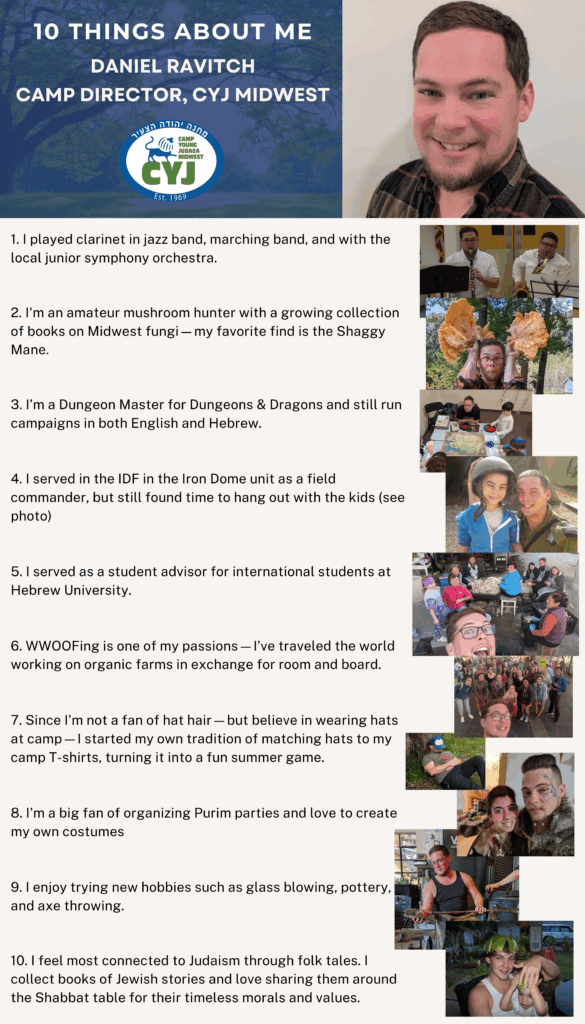
10 Things About Me: Dan Ravitch
Young Judaea
October 9, 2025
Meet the new Director of CYJ Midwest, Dan Ravitch!
A Message from David Weinstein, Executive Director of Tel Yehudah
Dear Hevrei,
I’ve been thinking a lot about how divided our world feels right now. Social media rewards quick takes and shouting matches, not listening or questioning. More and more, we are seeing a frightening rise in political violence and attempts to stifle free speech. It is scary, it is dangerous, and it makes me deeply concerned about the world our teens are inheriting. At Tel Yehudah, we are not immune to these challenges—and we are part of the antidote.
This past summer, our teens sat in circles and talked about Israel, about Jewish identity, about justice, about politics. They did not all agree—not even close. Sometimes those conversations were uncomfortable, even hard. But they kept at it. They listened. They questioned. And the most powerful thing is that many of them are still talking about those conversations today, still in touch with friends they deeply disagreed with. They didn’t walk away. They stayed in relationship. This is deeply Jewish and central to TY’s Core Value of Deepening Curiosity. Our tradition is built on debate and disagreement. As Rabbi Michael Paley said, “The Talmud is full of argument and dissent—and yet it’s considered a holy book.” We can argue fiercely and still remain bound together as a people. At TY, our teens don’t just learn that—they live it. And just as important: after those hard conversations, those same teens are singing arm in arm, playing soccer, or dancing together on Saturday night. That mix—challenge and joy, dialogue and celebration—is what makes camp so special. It shows that curiosity and community can go hand in hand, even when it’s hard. Especially when it’s hard. At camp, teens learn that we can be curious about others while still holding strong to our beliefs, our values, and our responsibility to make the world a better place. Our camp disagreements, discussions, and dialogue help them understand more fully who they are and what they stand for. As we move from Rosh Hashanah toward Yom Kippur, I am holding onto this lesson. In a world that feels more divided and more violent, our teens are leading us toward curiosity, compassion, and community.
May we all enter this new year committed to curiosity and community—and may it also be a year when our hostages come home and all know no more war or suffering. Shanah Tovah u’Metukah – שנה טובה ומתוקה — wishing you a sweet, meaningful, and peaceful new year.
David Weinstein Executive Director, Tel Yehudah
A Fresh Start: A YJ Teen Reflects on the Year Ahead
Young Judaea
October 9, 2025
A chat with Camilla Wisse, Sprout Lake 2017-2023, Tel Yehudah 2024-25, and current Chavurah Programmer on the Northeast Mazkirut
What’s something you’re excited to try, learn, or experience this year?
This year I am so excited because I am fortunate enough to be on the Northeast Mazkirut as the Chavurah programmer. I was involved in year round YJ from a young age and I really feel that it has shaped me as a person. As the Chavurah programmer my main role is recruitment, so it is my privilege to bring young Jewish teens into year round YJ and give them the formative experience I had.
The high holidays and Rosh Hashanah are about New Beginnings–- what feels like a “fresh start” for you right now?
A fresh start to me feels like letting go of all of my grudges and impressions and looking at everything and everyone as brand new. People change and situations change, so it is important to look at everything as new so you don’t let your previous impressions get in the way when someone or something has changed for the better.
What’s your biggest hope for your YJ friends, the Jewish people, or the world this year? What’s the most meaningful thing you learned from YJ moment?
During a Peulah at TY this summer that was centred around debating I learned a very valuable lesson. The activity was extremely engaging and all the campers were participating. There was one question that people were particularly divided on and after the peulah ended me and my friends continued to discuss it. One person became upset because they thought that when someone disagreed with them that it meant that person hated them. This was a crazy moment for me because at both my school and camp peaceful debate is a very important value and I had never encountered someone that didn’t have the skill of participating in a peaceful debate. I hope that everyone in the world is able to have peaceful and heated conversations, because it is one of the best ways to learn about yourself and the world.
If you could write one short message to all of your YJ alumni, campers, teens, staff, what would you say?
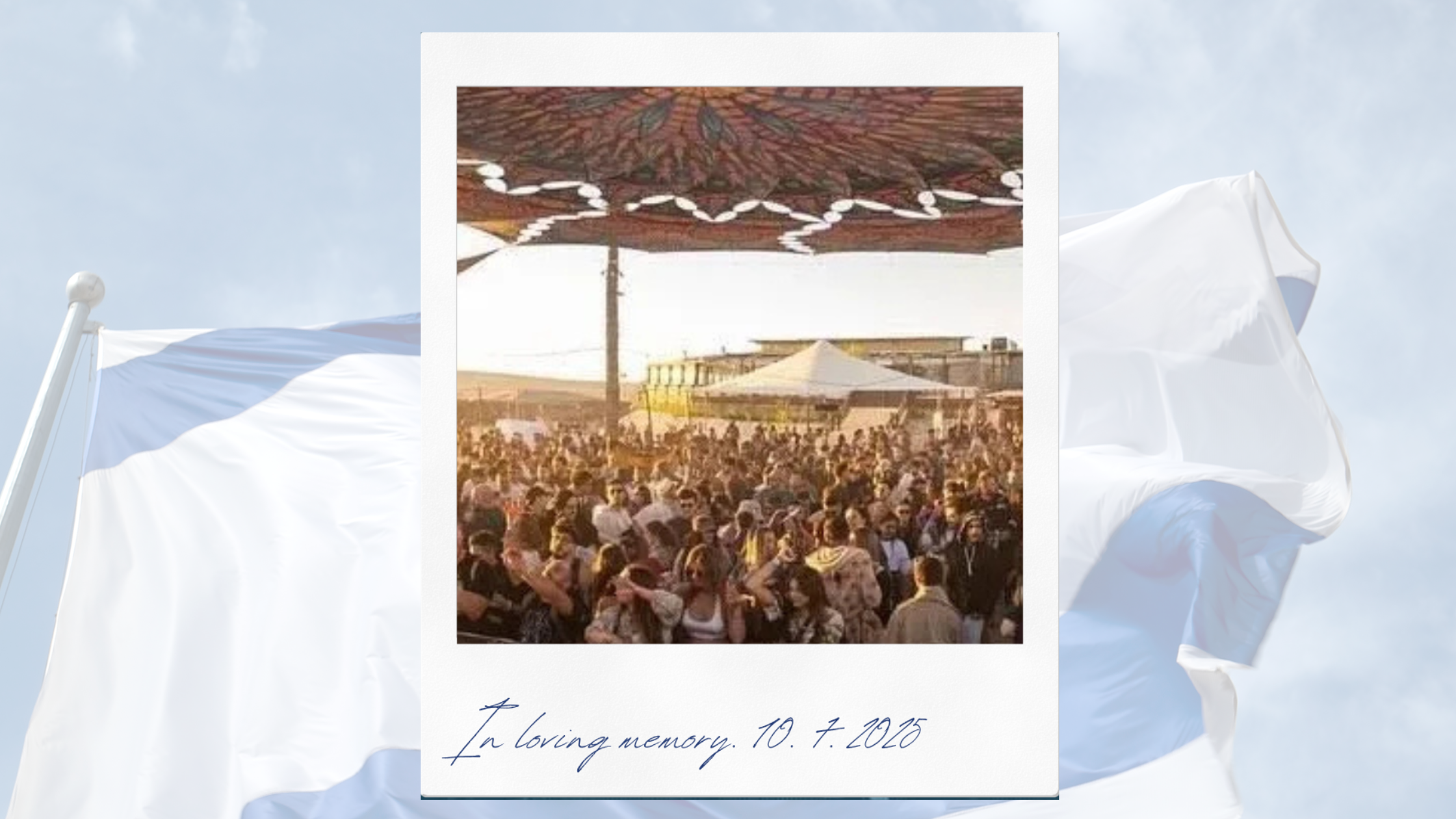
It is hard to believe it has been two years since October 7, 2023, the deadliest attack on Jews since the Holocaust. On this day, and every day, we remember the innocent lives lost — some brutally murdered in their own homes, others while celebrating joy and peace. We are deeply grateful for the IDF soldiers who have risked, and continue to risk, their lives to protect the State of Israel. We honor the brave men and women who have fallen while defending our people and our homeland. We pray for the safe return of all hostages and we mourn those killed in captivity. We are praying that negotiations will help bring them home.
As we mark two years since October 7, we are painfully reminded of the unimaginable tragedies of that day. But even in the face of darkness, we are inspired to act. Our YJ values — love for Israel, unity, and hope — guide us in building a proud, connected, and resilient Jewish community.
As teen leaders, we carry the responsibility and privilege of helping shape the future of the Jewish people. With strength and intention, we will continue to lead, support one another, and stand proudly for and with the Jewish people. National Maz and YJ Teens are here to support our community during this challenging time and always.
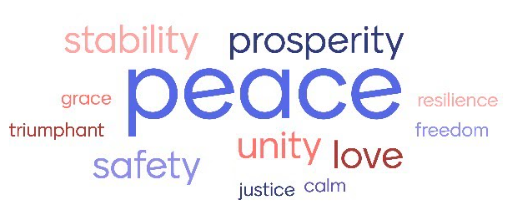
Over the past week, we have asked the leaders of YJ Teens to reflect on the past two years and share their one-word response to the following question: “What do you hope for the land of Israel?” You can see their responses below:
We encourage everyone to find a meaningful and personal way to remember October 7. We have selected an option, which is honoring this day through music. Click here for a curated list of music.
Our light will always shine brighter than the darkness around us, and our love will be stronger than the hate. We are stronger together.
Natalie Pittman, National Mazkira
National Maz 2025-2026
Working with youth gives me hope
Young Judaea
September 19, 2025
At our recent teen leadership training weekend, we had an activity where we shared different metaphors for our relationship with Israel. These metaphors were based on various Zionist thought leaders throughout history.
There was an engaged conversation about one metaphor describing the relationship with Israel as a “ball and chain”: Some interpreted it as feeling responsible for representing Israel in their schools or with their friends. Others characterized it as a burden that they can never shed. Just by being Jewish, they might feel the pressure and expectation to know everything that is happening and to defend every action, statement and position that Israel, its people and its government take, regardless of their personal perspectives.
Then, like a voice from the heavens, one of the teens raised her hand. “I completely disagree,” she said. “I don’t see Israel as a burden or something that drags me down.” We asked her what metaphor she would choose instead, and without hesitating she lit up and said, “Israel is my wings. With Israel I feel like I can fly.”
Teens at a Young Judaea teen leadership weekend in 2025.
There was an audible gasp by the older generation in the room. She literally took our breath away. Why? It wasn’t that her sentiment was universally shared, but that it radiated such hope and aspiration — something we, as Jewish professionals, hunger for. It brought oxygen into the room.
People often ask me what it’s like to lead a Zionist youth movement. They expect me to talk about the hard parts (and yes, those moments exist), but it always surprises them that I think the greatest privilege of all is to work with today’s youth. Working with youth gives me purpose, of course, but what I love most is their raw, authentic optimism, something too many of us adults lose along the way. I joke that being around youth makes me age in reverse. They keep me young.
The “Hope Study” cites various sources of hope that mitigate the lack of hope among Jewish professionals. They include professional impact, participating in social change, belonging to a group, and tradition. I would add to this list: working with youth. Those of us who have the honor of working with youth, day in and day out, are investing in the future, but we are also reaping the benefits in the present. The study goes on to say that there are organizational differences in their findings. Those who work in day schools scored highest in having hope, which I would posit has a lot to do with the populations they are working with each day: youth.
That said, I don’t want to minimize the detractors from hope and optimism. We are working in incredibly challenging times and conditions. With crisis after crisis and constant threats, the burnout among Jewish professionals is real; as Barry Finestone said in his recent article ”The crisis we are ignoring”, “the people holding up the Jewish world are running on fumes.” And we need to look at strategies and approaches to renew, restore and build up resiliency. I would add to Barry’s list of antidotes to this burnout: regular exposure to today’s youth (although preferably not limited to your own children — that’s more complicated).
Throughout the year, while my work demands a significant amount of travel, getting out into the field to talk to our youth, to engage them in dialogue and to be constantly amazed by their freshness, directness and unbridled optimism — that is what gives me hope. If you don’t believe me, look at my socials where I document my site visits. I can’t help but feel some of that same optimism when I spend time with our youth; and as I come back to the office, I try to hold onto that feeling, those precious interactions, until my next time in the field.
So, if you are looking for an oxygen mask to revive you and restore your hope, consider working with today’s youth. Who knows — you might even live a little longer.
Adina H. Frydman is the CEO of Young Judaea Global.