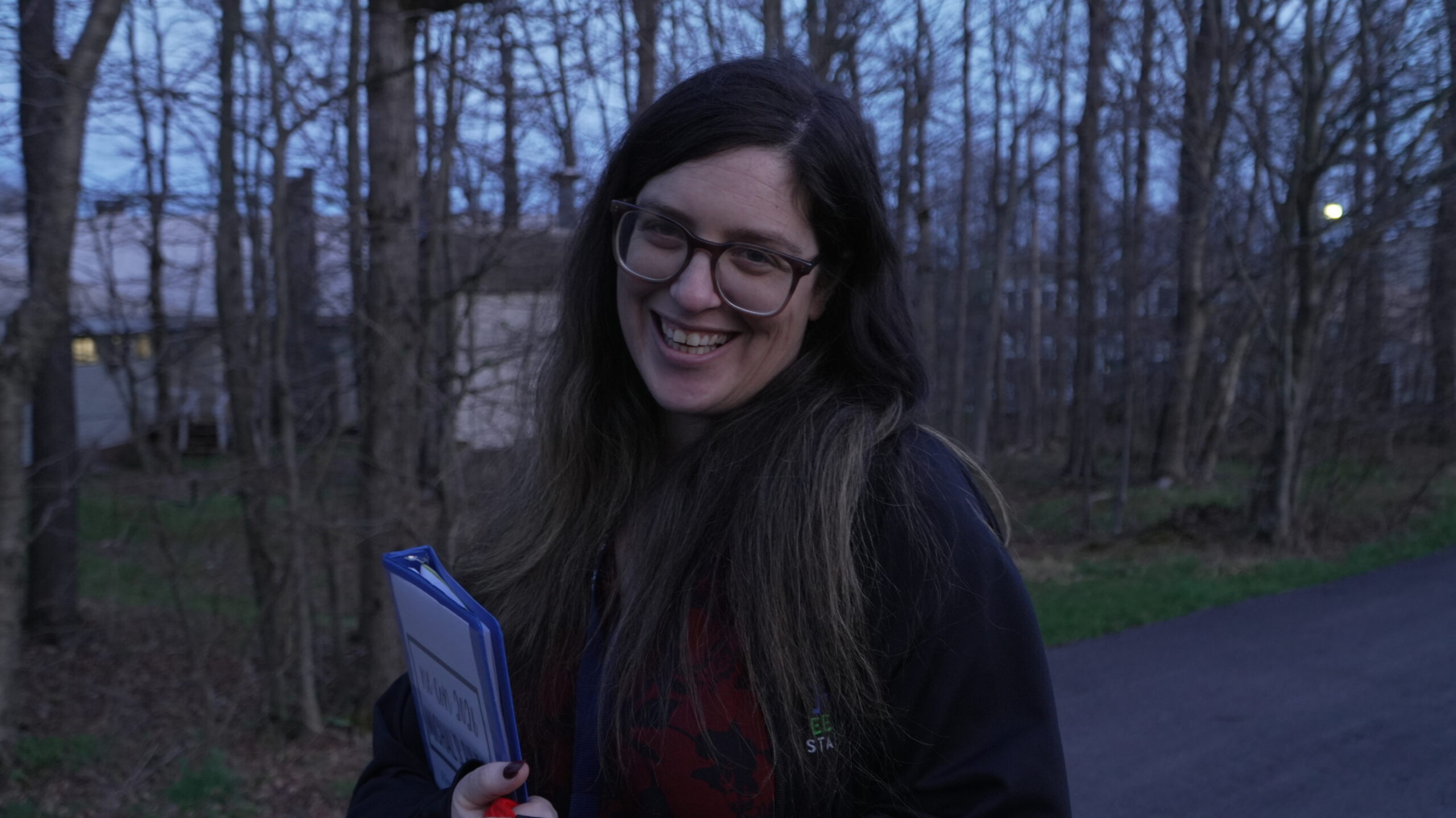
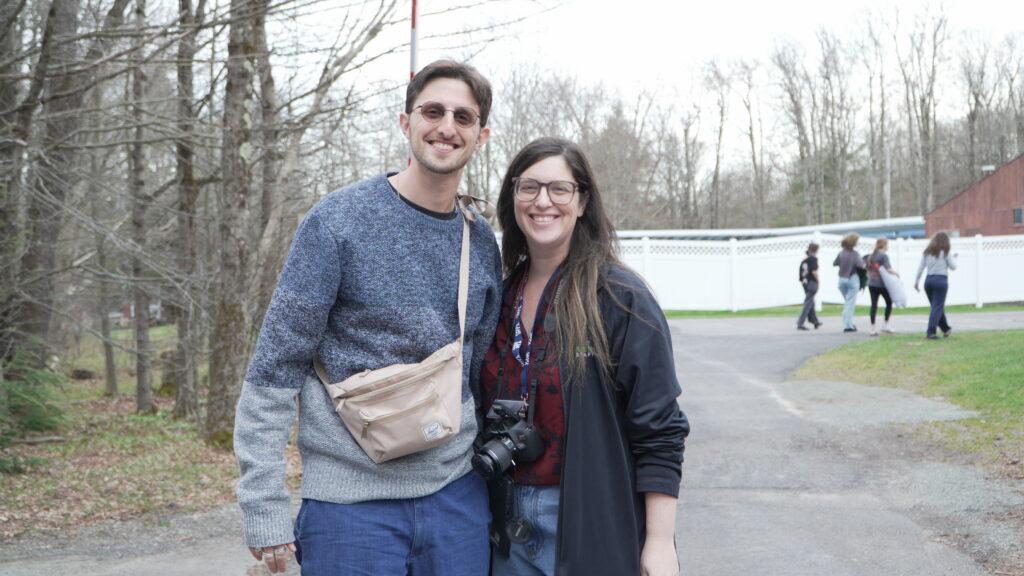
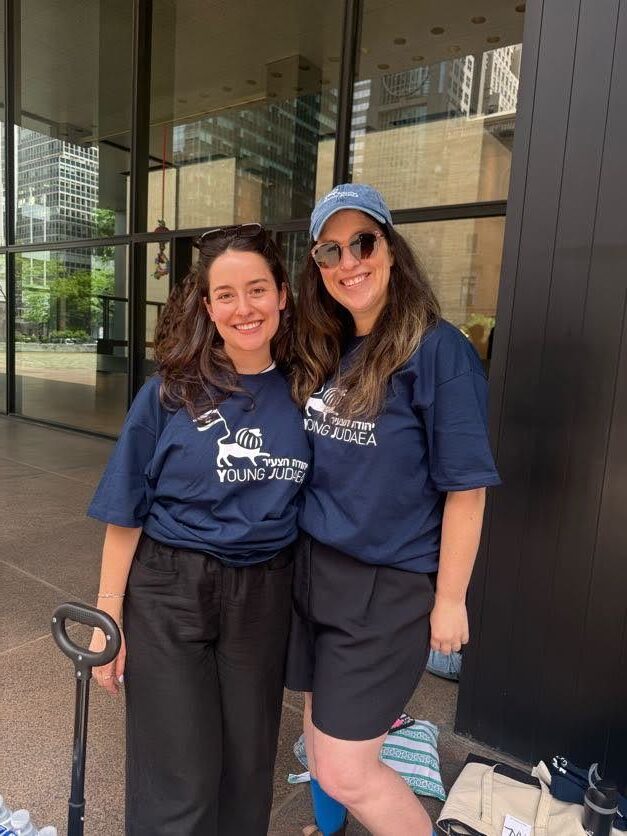
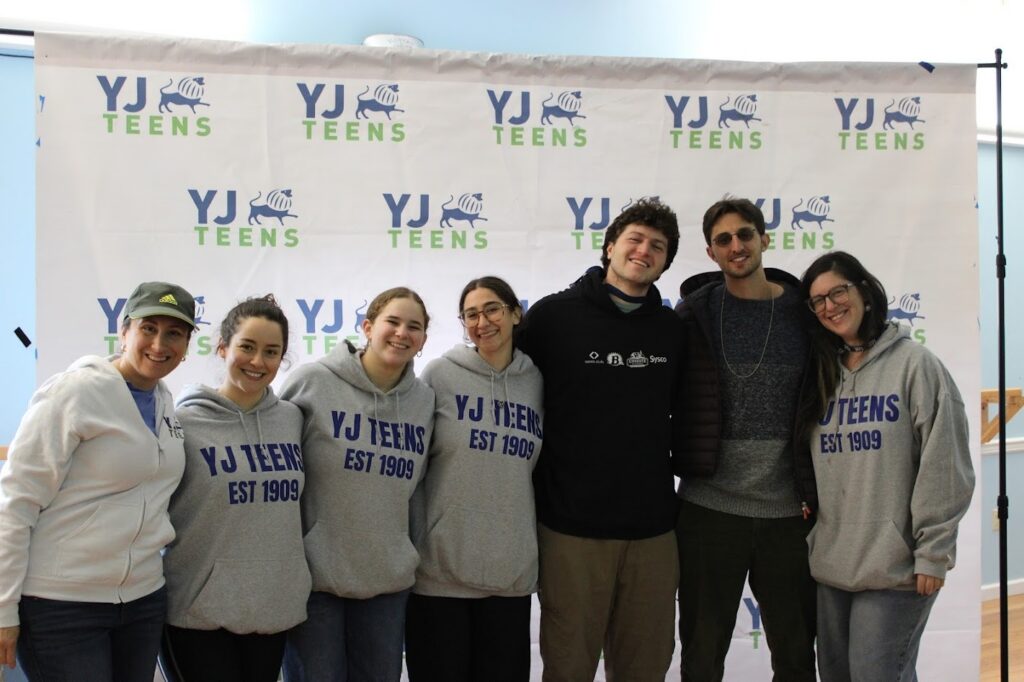
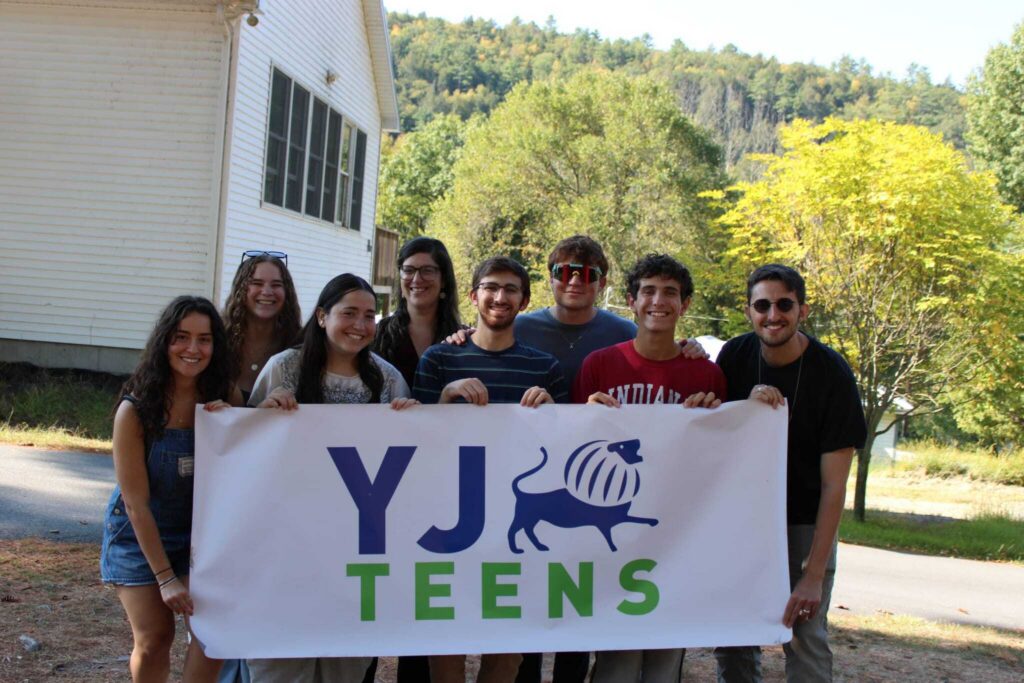
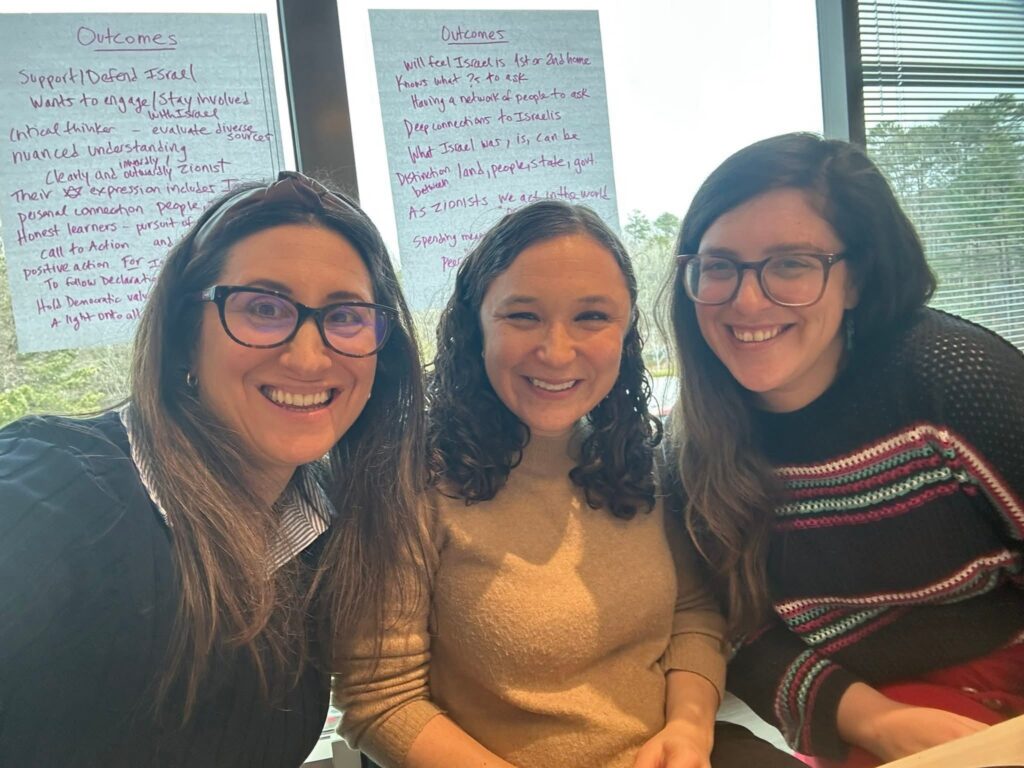
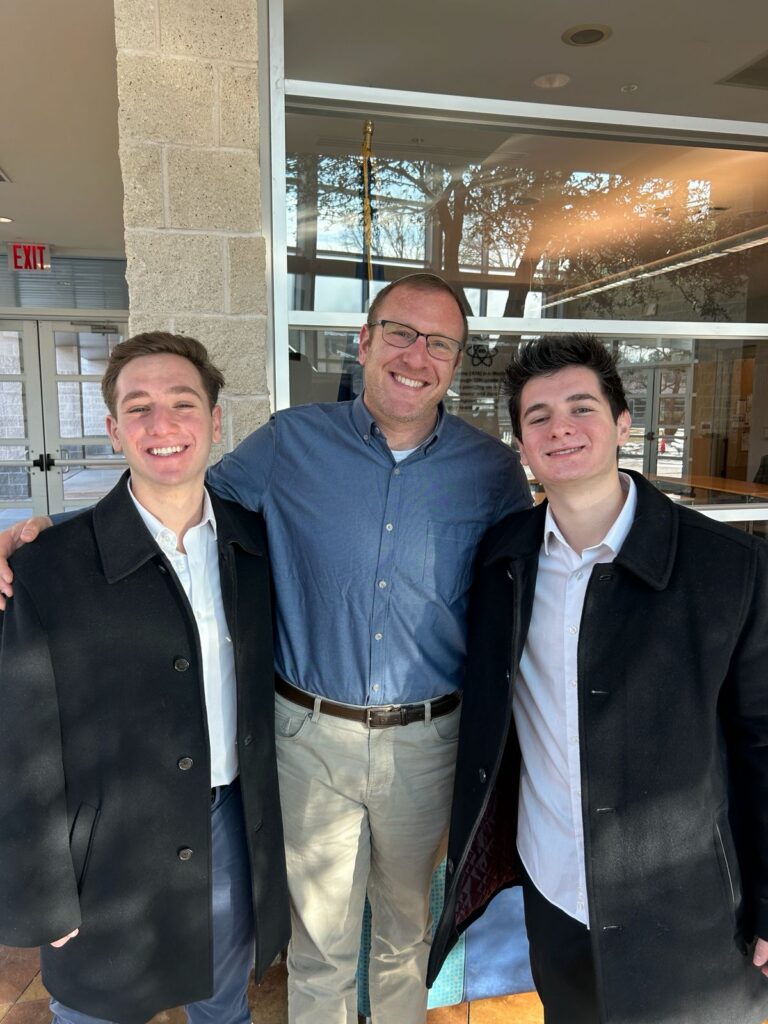
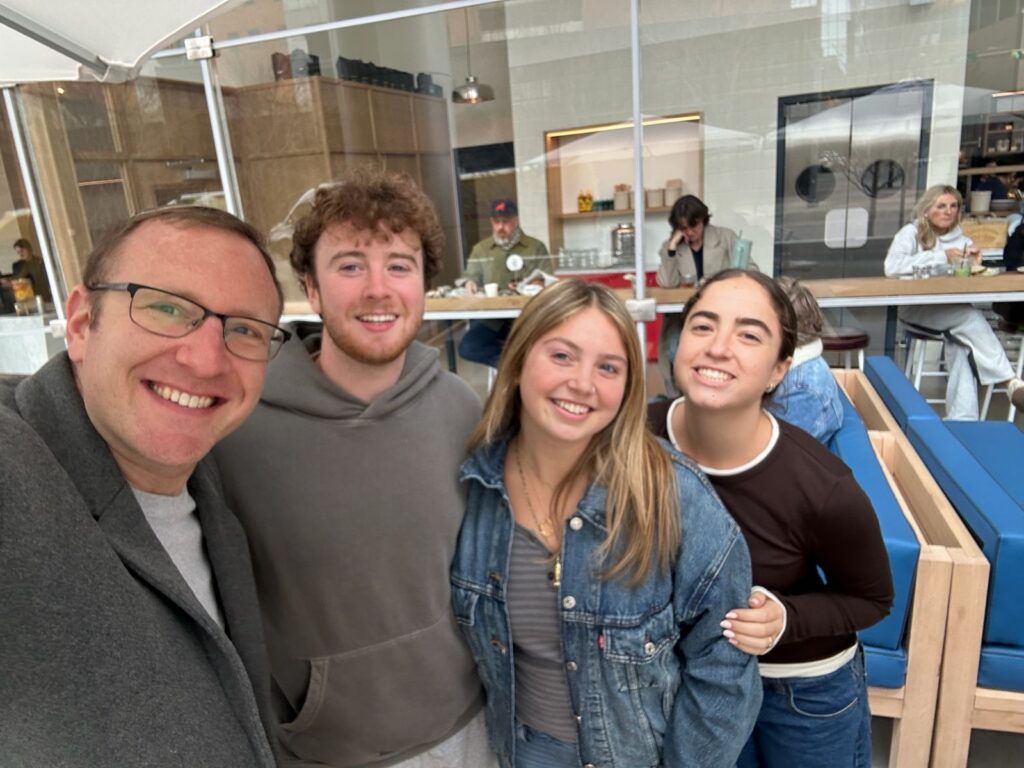
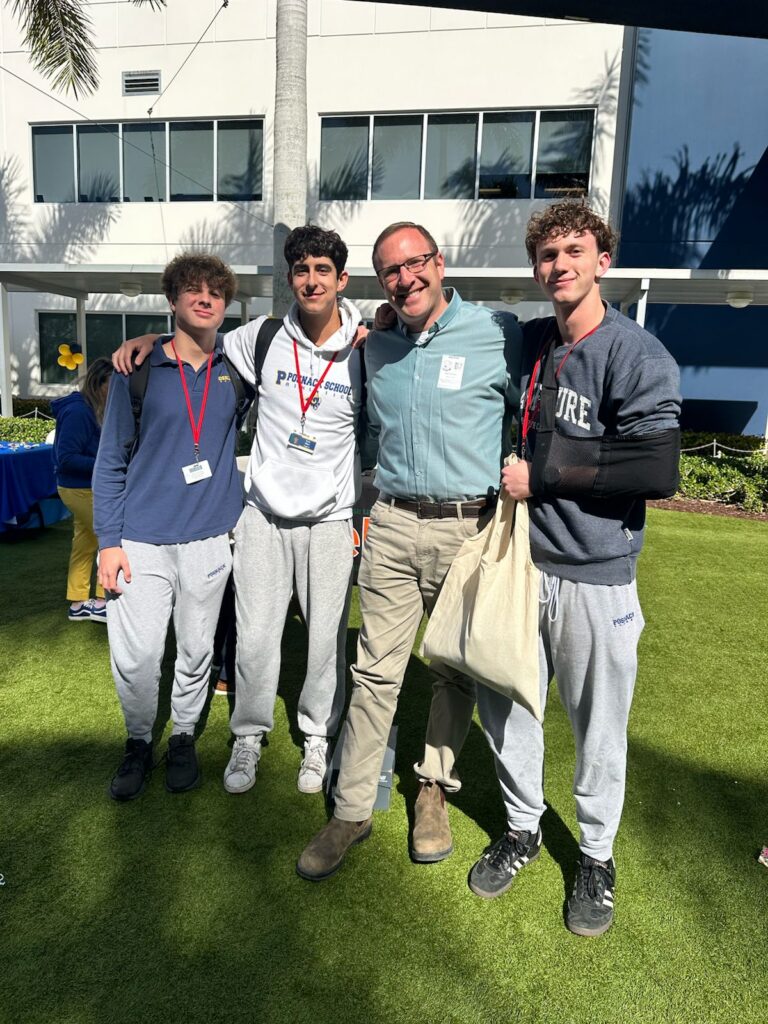
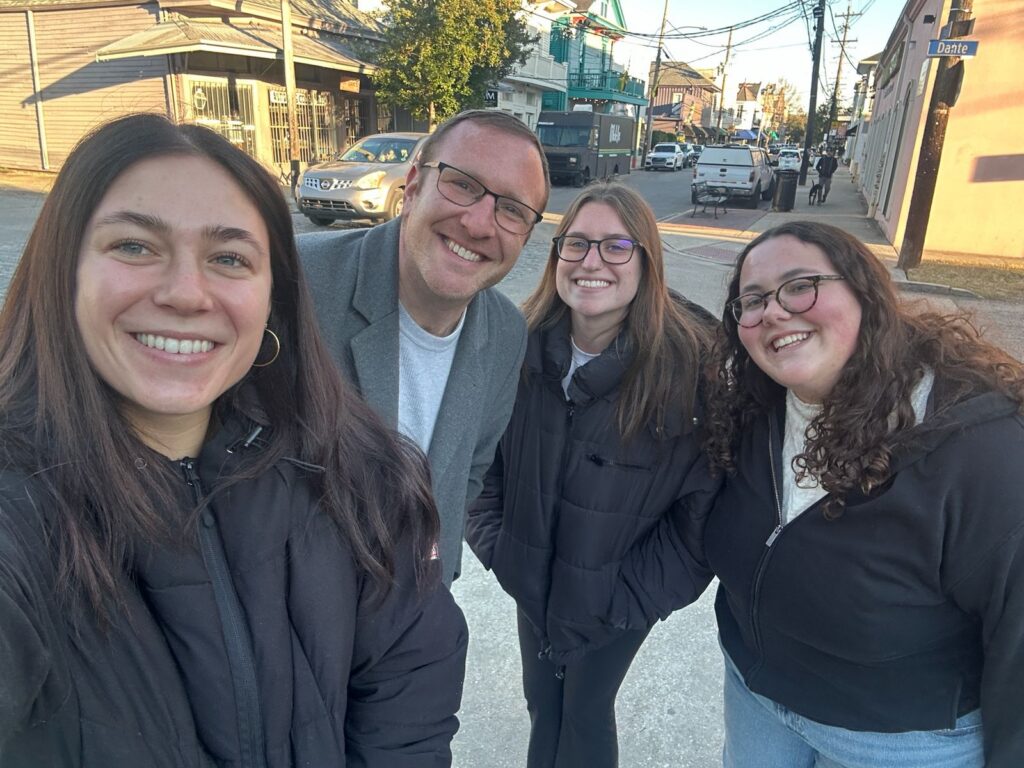
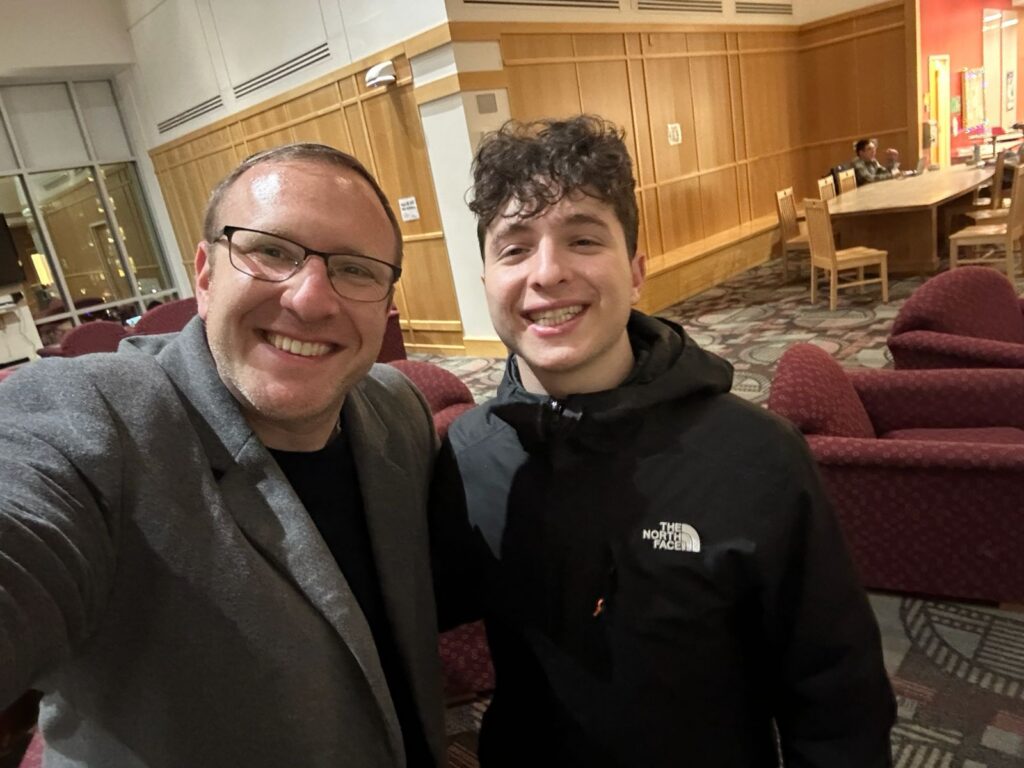
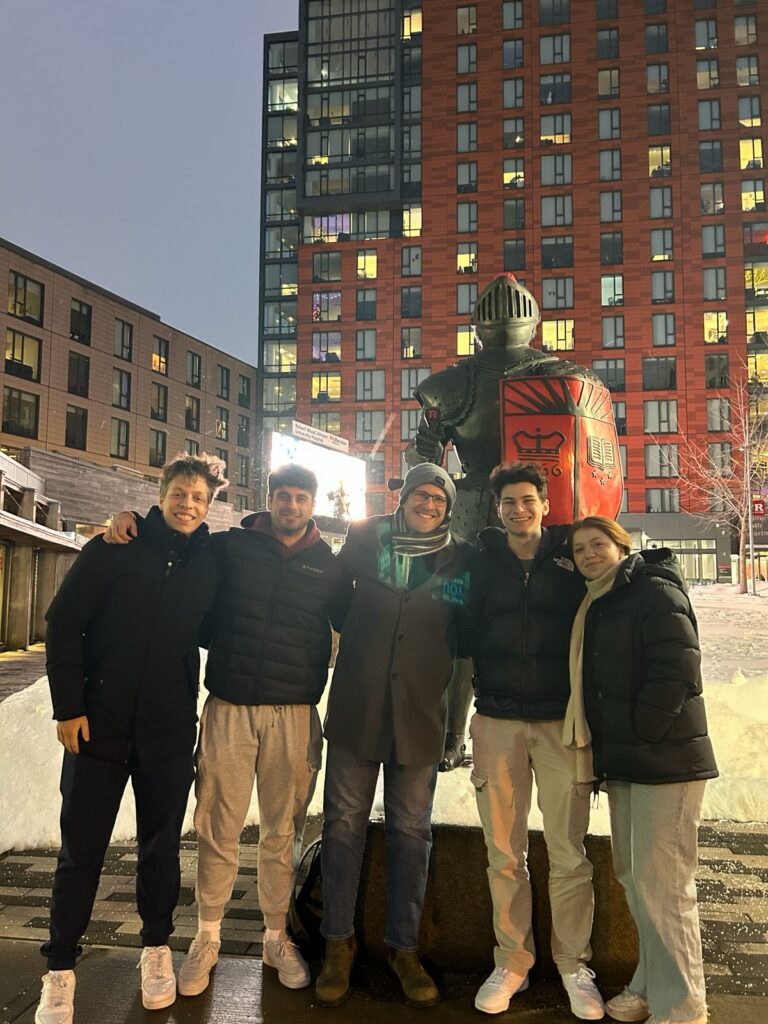
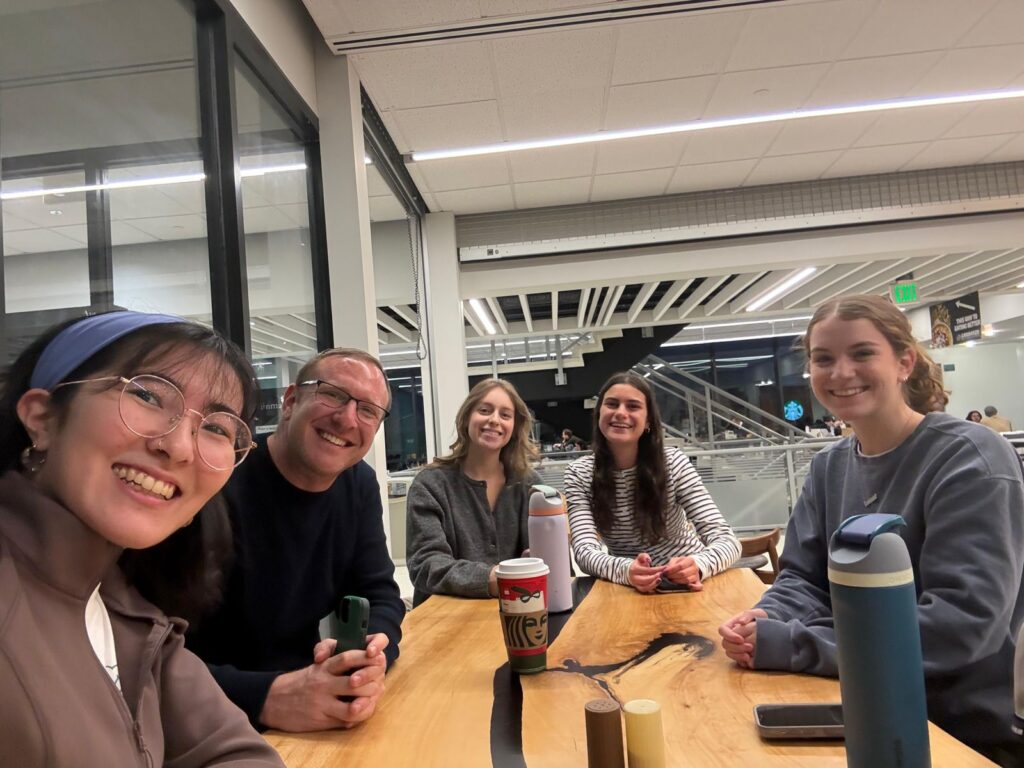
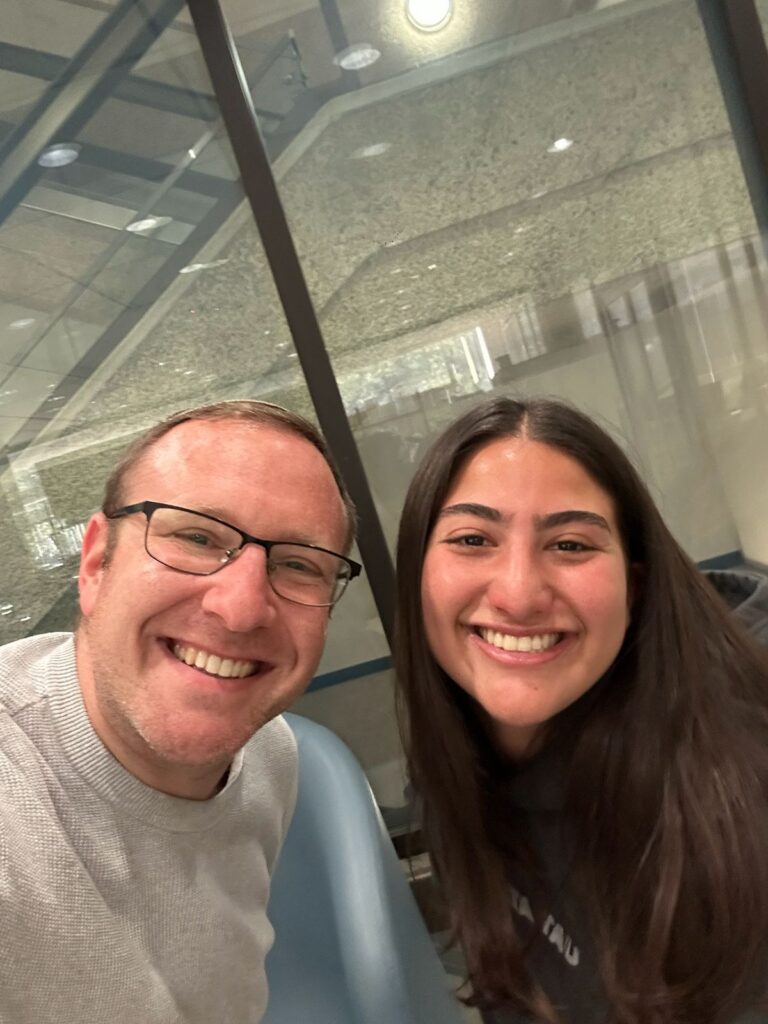
Get to know the National Director of YJ Teens, Michal Abramoff!
I was born in New York City and grew up in Israel, so I’ve always felt at home in both the Israeli and American Jewish worlds. Before joining Young Judaea, I got to wear a few amazing hats — from serving as a shlicha on the Upper East Side of NYC to leading Noar Telem, Israel’s Reform youth movement, as its National Director. I’m now working toward my doctorate in Jewish Education at JTS, and when I’m not diving into all things YJ, you can usually find me doing arts and crafts, catching a Broadway show, reading a good book, or hanging out with my dog, Chloe!
As the National Director of YJ Teens, I’m so excited to be part of a movement where teens take the lead, make an impact, and have an incredible time doing it.
Young Judaea is so needed right now—it gives Jewish teens a place to belong, be proud of who they are, and dream big about the future. As a lifelong Zionist who grew up in Israel, I’m especially proud to be part of a movement that has championed Zionism and a deep connection to Israel for more than a century. I’m passionate about helping teens explore their Jewish identity and realize their power as changemakers. Their energy, curiosity, and courage inspire me every single day! I feel so lucky to help create spaces where they can grow, connect, and lead with meaning and heart, while also being part of Young Judaea’s rich history and traditions and helping carry its remarkable legacy into the future.
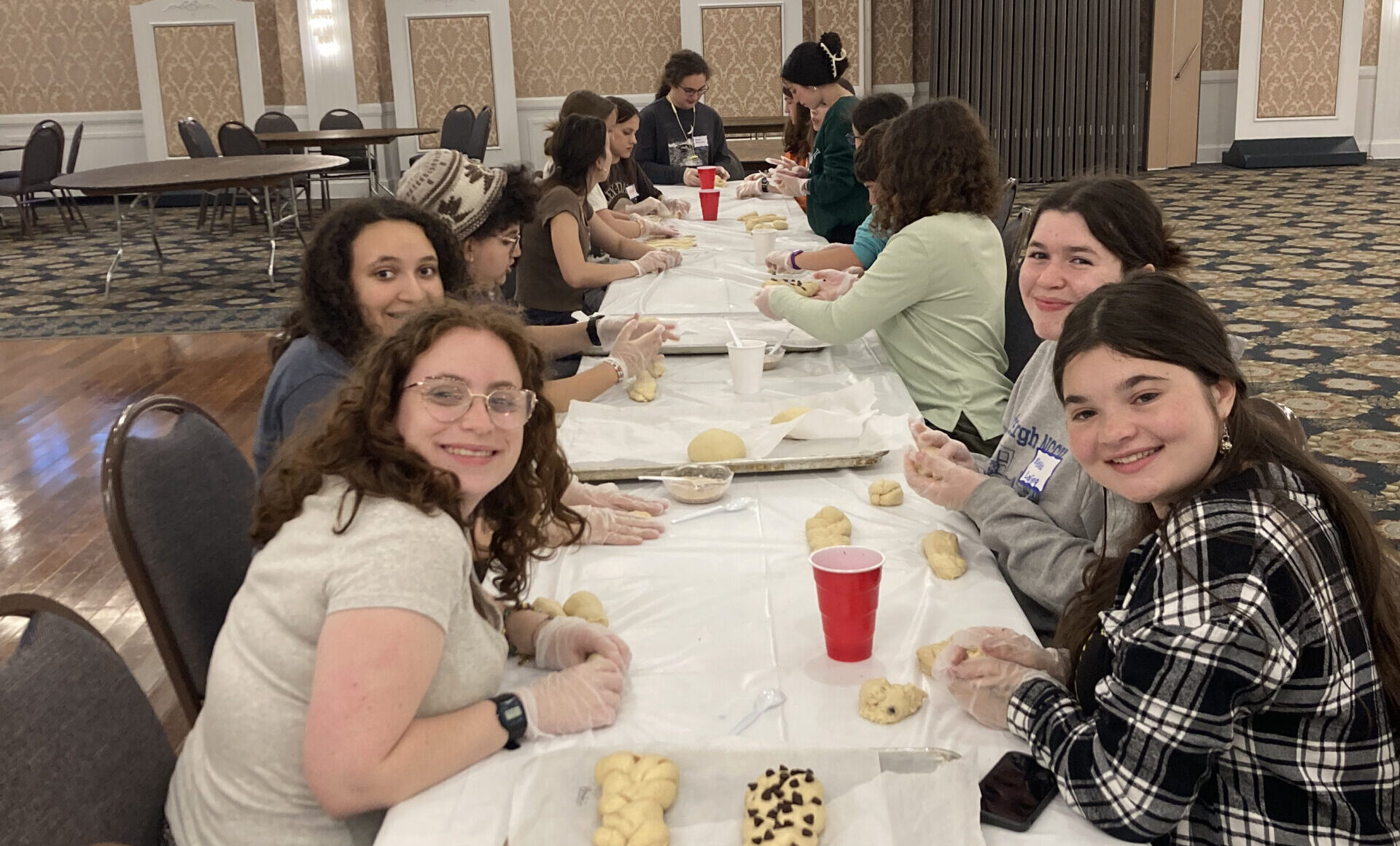
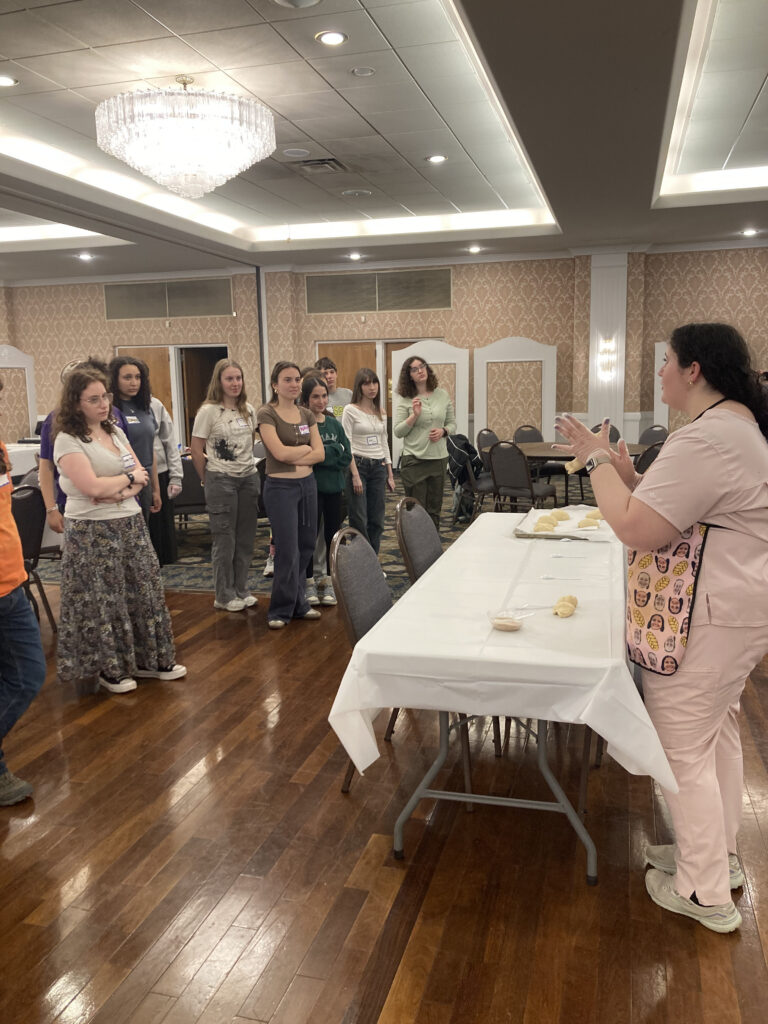
This year, Pittsburgh YJ Teens pioneered the Pittsburgh Jewish Teen Council, bringing together teen leaders from Young Judaea, BBYO, USY, and Rodef Shalom/Temple Sinai to plan a first-of-its-kind community program.
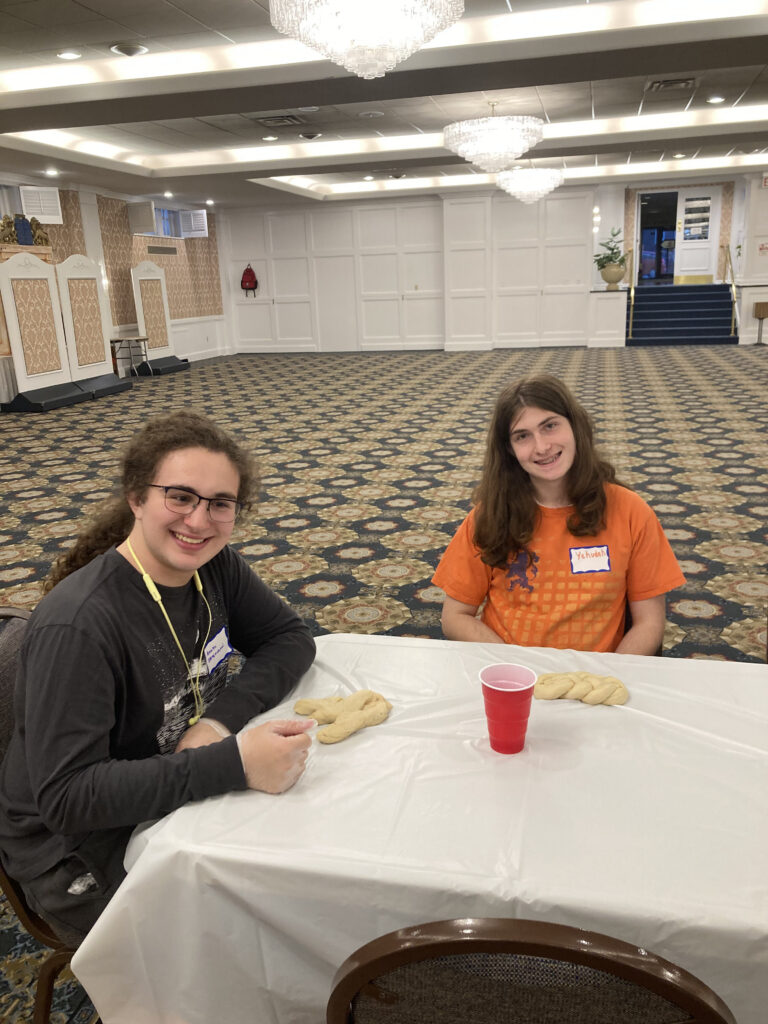
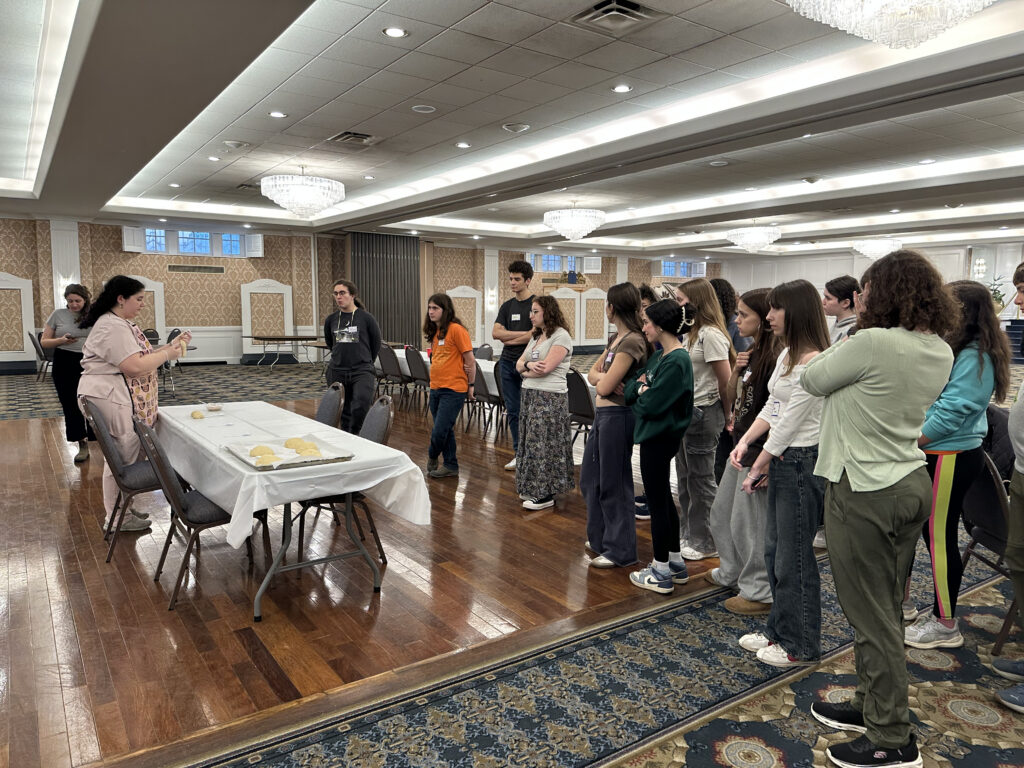
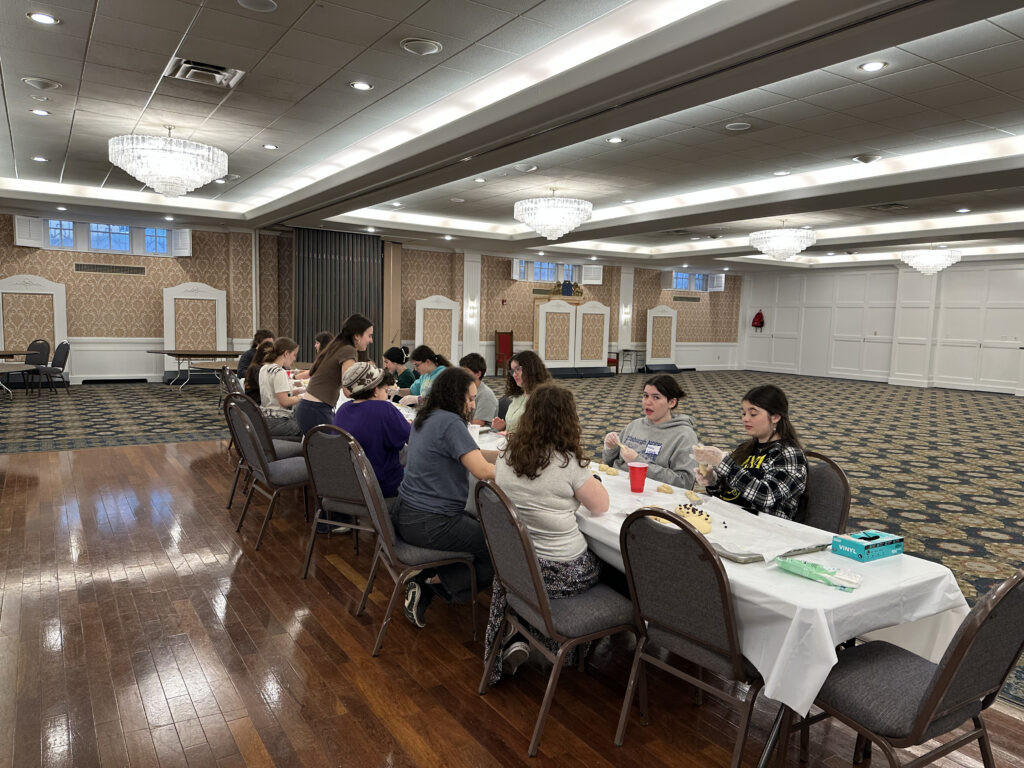
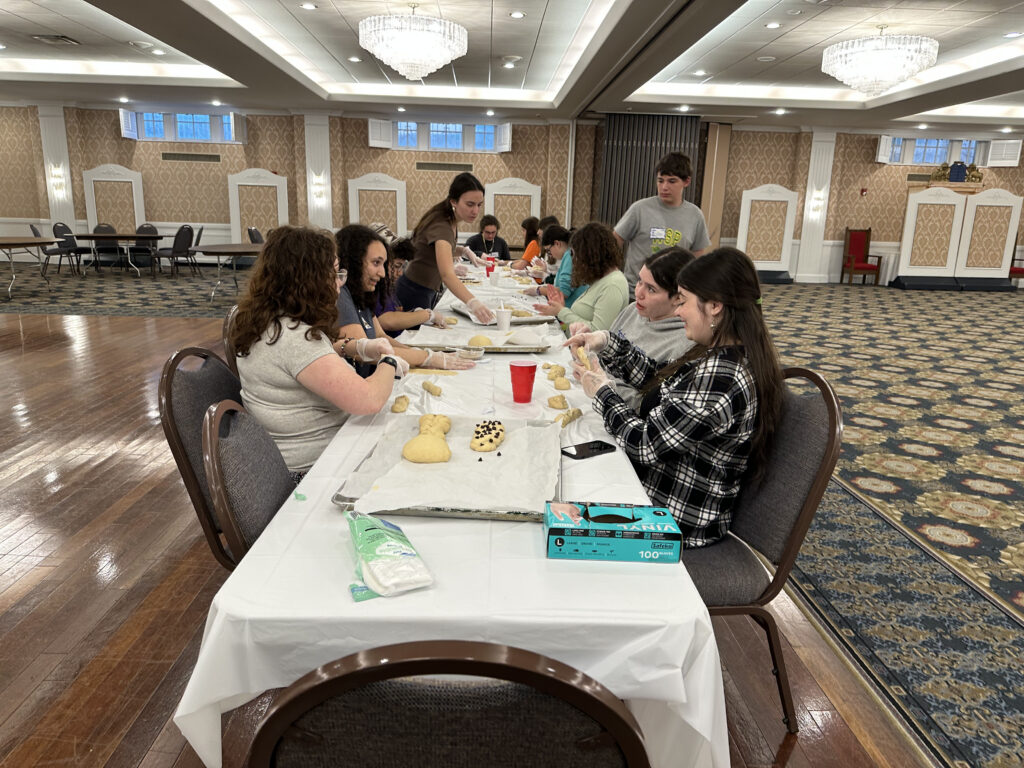
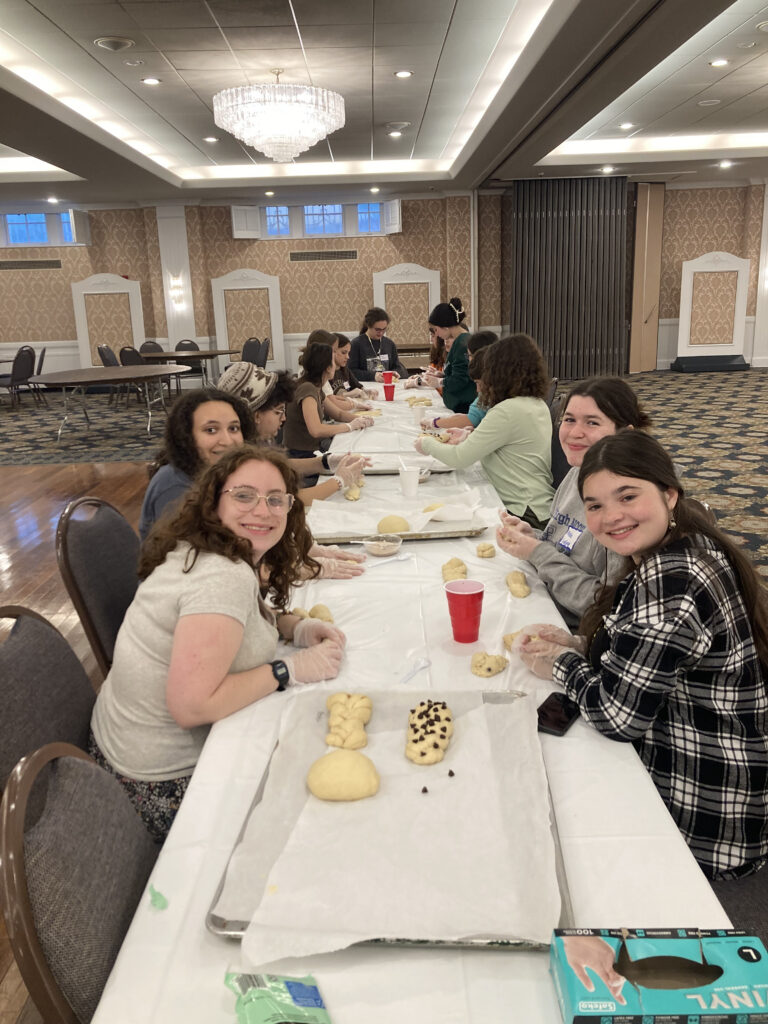
Their efforts culminated in a citywide Challah Bake where teens explored Jewish identity, built new connections, and participated in hands-on social action projects focused on education, immigration, and the environment.
Made possible through a grant from the Jewish Federation of Greater Pittsburgh, the initiative showcased YJ’s teen leaders as the driving force behind bringing Pittsburgh’s Jewish teen community together!
Alum Spotlight: Alon Friedman
Young Judaea
June 1, 2026
A conversation with Alon Friedman, Founding Executive Director of “ENTER: The Jewish Peoplehood Alliance”, former Young Judaea employee and shaliach.
Q: What’s your connection to Young Judaea? It’s funny — in the Jewish world, almost everyone seems to have some sort of Young Judaea connection. As an Israeli, it’s harder to “grow up” in Young Judaea, but I ended up working for the movement for nearly ten years, and it completely shaped my career.
My first role was in 1998 in the summer programs department. After the army, I worked summers as a madrich on Israel trips for different organizations. During one training seminar, Moshik Toledano spotted me and said, “I want you to work for Young Judaea.”
A few years later, after finishing my degree at Hebrew University, I called him and said, “Remember that offer? I’m ready now.” Amazingly, he remembered.
That became my first full-time role with Young Judaea, and from there I worked across teen programs, Israel summer programs, post-college programs, and even moved to New York when I served 3 years as the national shaliach for hamagshimim, focused on college campuses in North America.
Q: What impact did Young Judaea have on you personally? Young Judaea really became the catalyst for everything I’ve done since.
Growing up as a secular Israeli, Jewish peoplehood and Diaspora Jewish life were somewhat of a blind spot. Then suddenly I was meeting Jewish teens and college students from around the world who felt deeply connected to Israel, even if they had never been there before.
Watching participants land in Israel for the first time and immediately feel at home was eye-opening for me as an Israeli. It changed how I understood Jewish identity and connection.
Young Judaea gave me the opportunity to spend years working in Jewish education, Israel engagement, and peoplehood. Later I became the first Executive Director of the WUJS Institute in Arad and made it a YJ department, and from there I moved on to becoming Director of Israel Operations for MASA Israel Journey and then Executive Director of Hillel Israel.
Q: How did the idea for ENTER’s One2One begin? The seeds were planted when we established ENTER and were thinking about how to strengthen relationships between Israelis and Jews around the world through inter-personal connections.
Then COVID hit, and suddenly online connection became essential.
We approached Israel’s Ministry of Education with a simple idea: Israeli students need conversational English practice, so why not connect them online with English-speaking Jewish teens abroad?
For the Israeli school system, it was a first and foremost a language initiative program, but it was clear to all that we’re creating a platform for Jewish encounters and enhancing Jewish Peoplehood.
Q: What makes the One-to-One program different? The magic is in the personal relationship.
It’s not a classroom, not a camp bunk, not a big Zoom group. It’s just two teenagers meeting one-on-one. We built a matching algorithm that pairs teens based on shared interests, hobbies, and personalities. Once matched, they meet regularly online and get to know each other naturally.
We created curriculum and conversation prompts, but honestly, sometimes they just end up talking about music, sports, or everyday life, and that’s part of the beauty of it.
Our philosophy is that we should focus a little less on “Israel as a curriculum” and a little more about “Israelis as people.” When teens build real friendships, curiosity grows naturally. That curiosity leads to learning, connection, and eventually commitment.
Q: Why do you think the program has resonated so strongly? Because it feels real.
An Israeli teen and an American teen might initially join for completely practical reasons — one wants English credit, the other wants voucher points for a summer Israel trip, but then genuine friendships develop.
Over the years, participants have navigated COVID, October 7, rising antisemitism, and everyday teenage life together. We’ve seen friendships continue beyond the program, families connect, and teens visit each other in Israel and abroad.
What started as a pilot with 300 pairs has now grown to more than 15,000 teen participants worldwide.
Q: What’s next for Enter? When it comes to teens’ encounters, our vision is simple: every Jewish teen in the Diaspora will have a friend is Israel”. Technology allows us to make that possible in a very personal and accessible way.
But, we also realized pretty early on, that what we had built wasn’t just a teen platform, it was a model for meaningful Jewish connections that can fit many other target crowds.
We recently launched a “Mother2Mother” pilot in partnership with Momentum, pairing Israeli and American Jewish mothers for one-on-one conversations. In the next few years, we intend to develop new algorithms and onboard additional audiences such as Jewish educators, Birthright alumni, Hillel students, grandparents etc. We aspire to become the “One Stop Shop for Online Jewish Encounters” for the entre Jewish world. We’ll get there…
Q: Looking back, how do you feel about Young Judaea today? I honestly don’t think any of this would have happened without Young Judaea.
Young Judaea opened the door for me to understand Jewish peoplehood in a completely different way. It gave me the experiences, relationships, and values that eventually led to creating ENTER.
In many ways, everything I’m doing today started there.
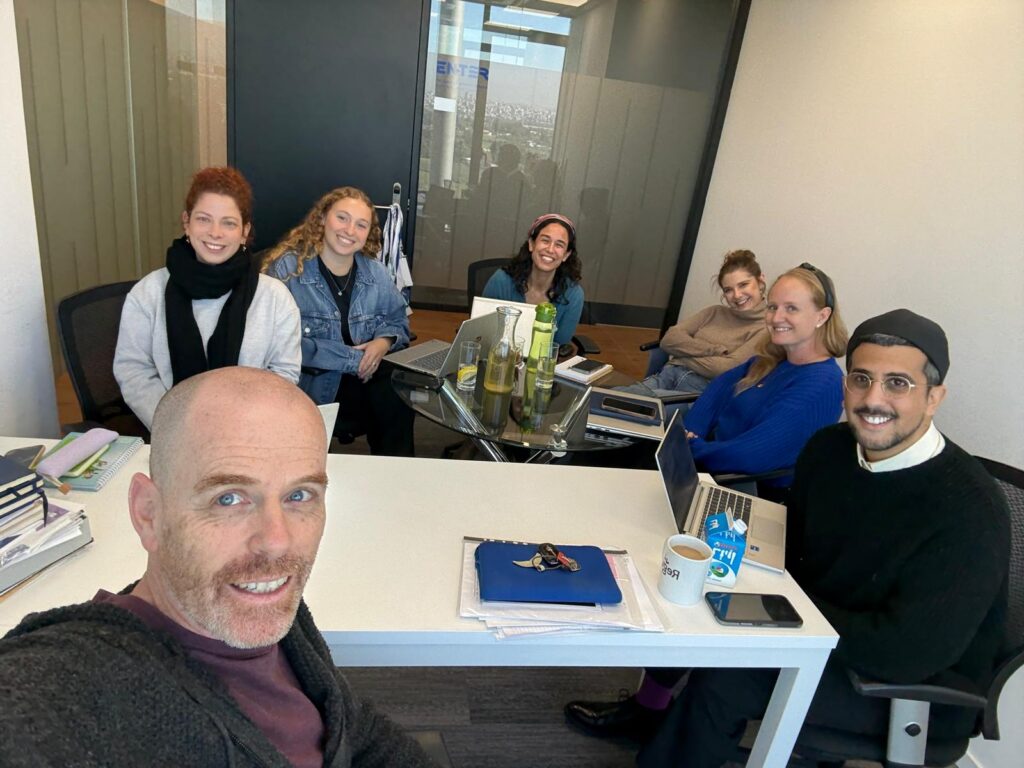
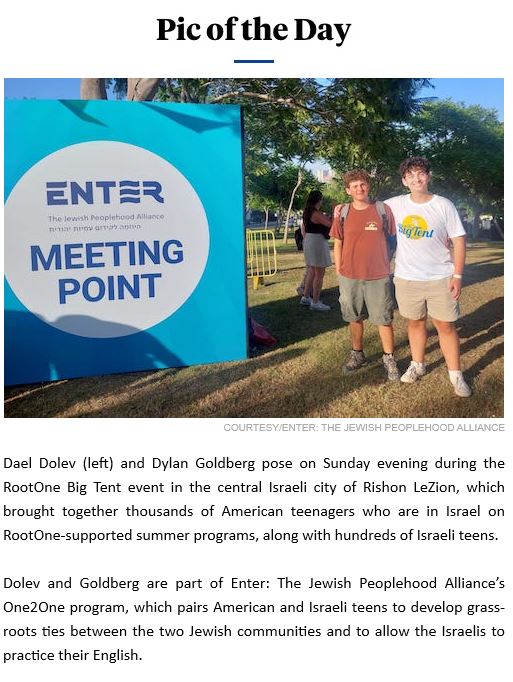
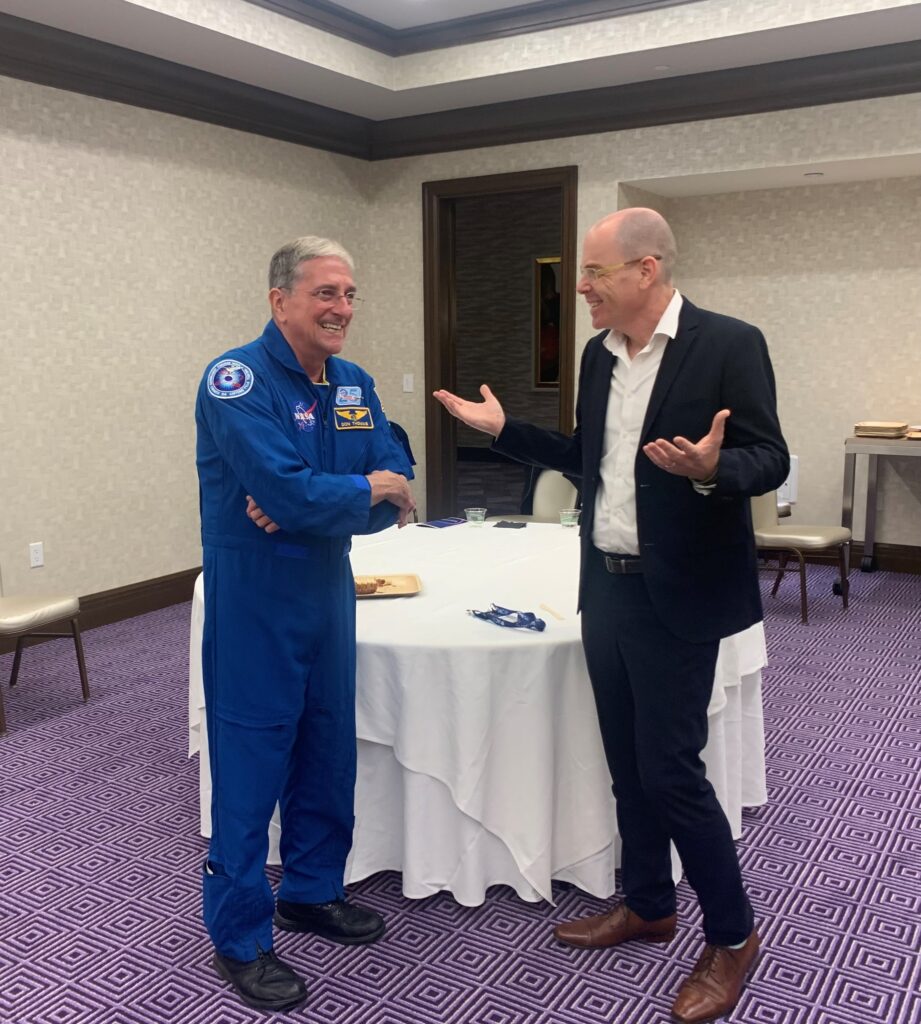
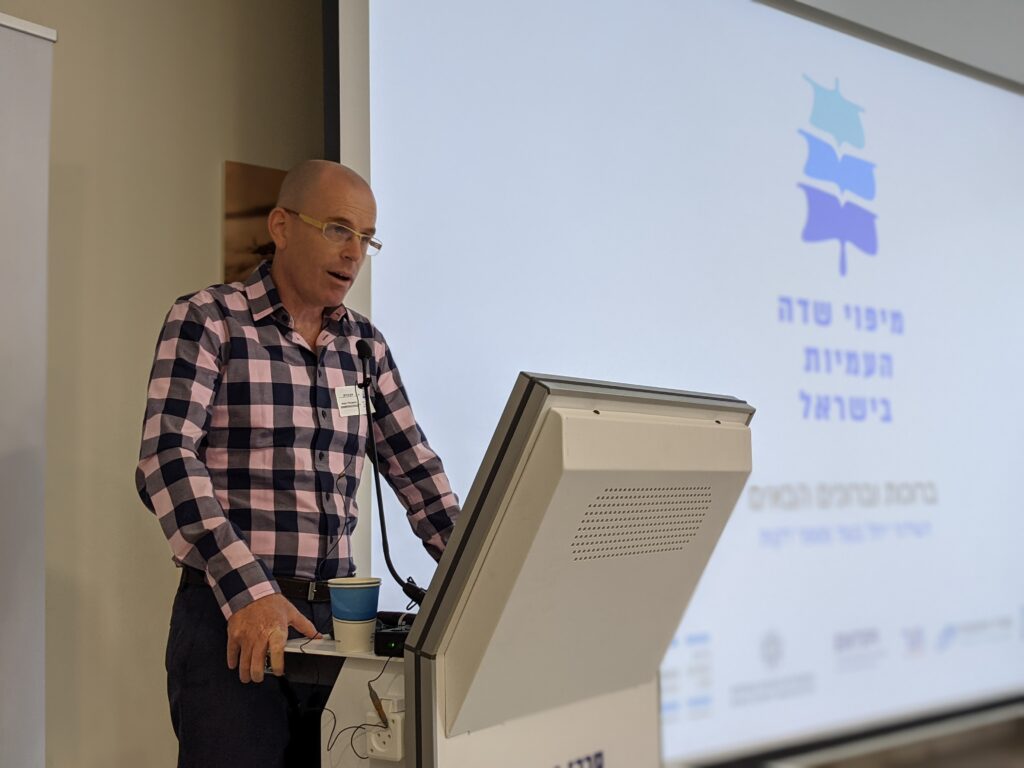
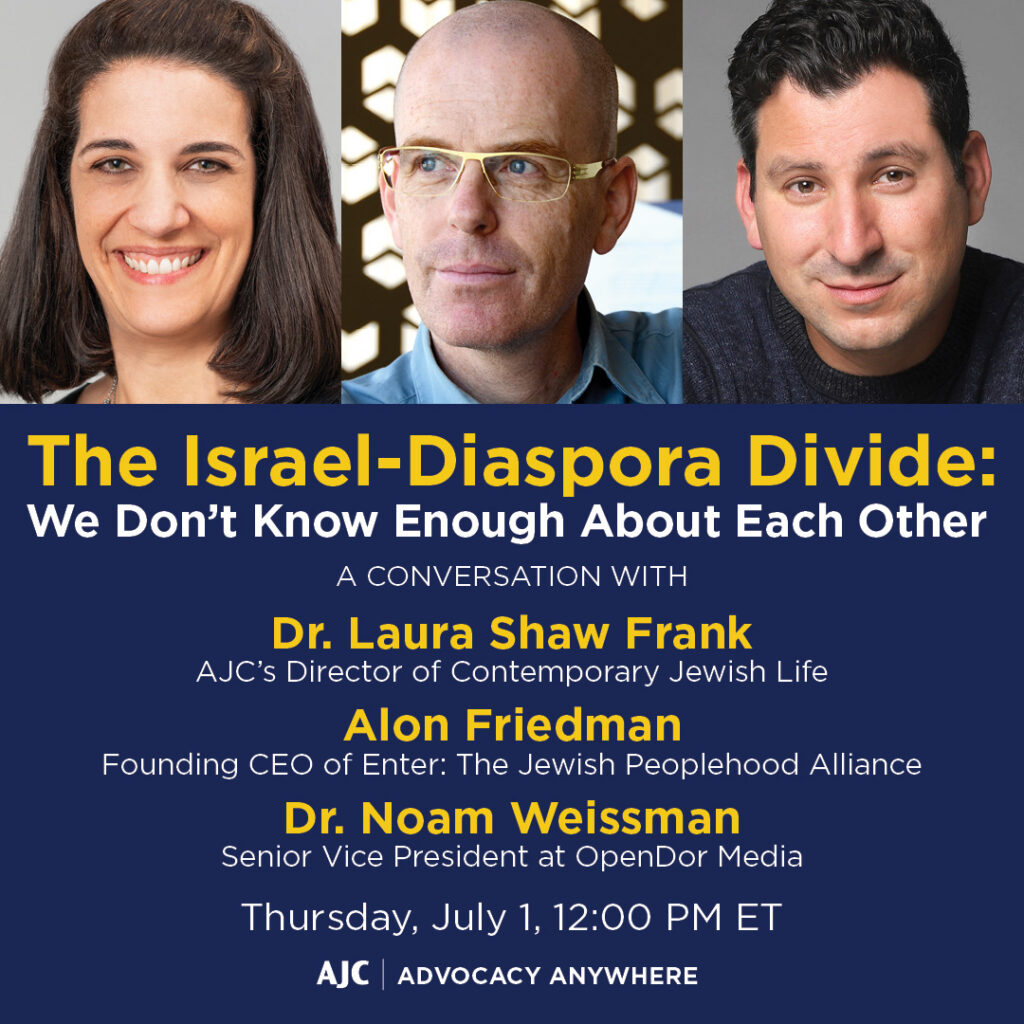
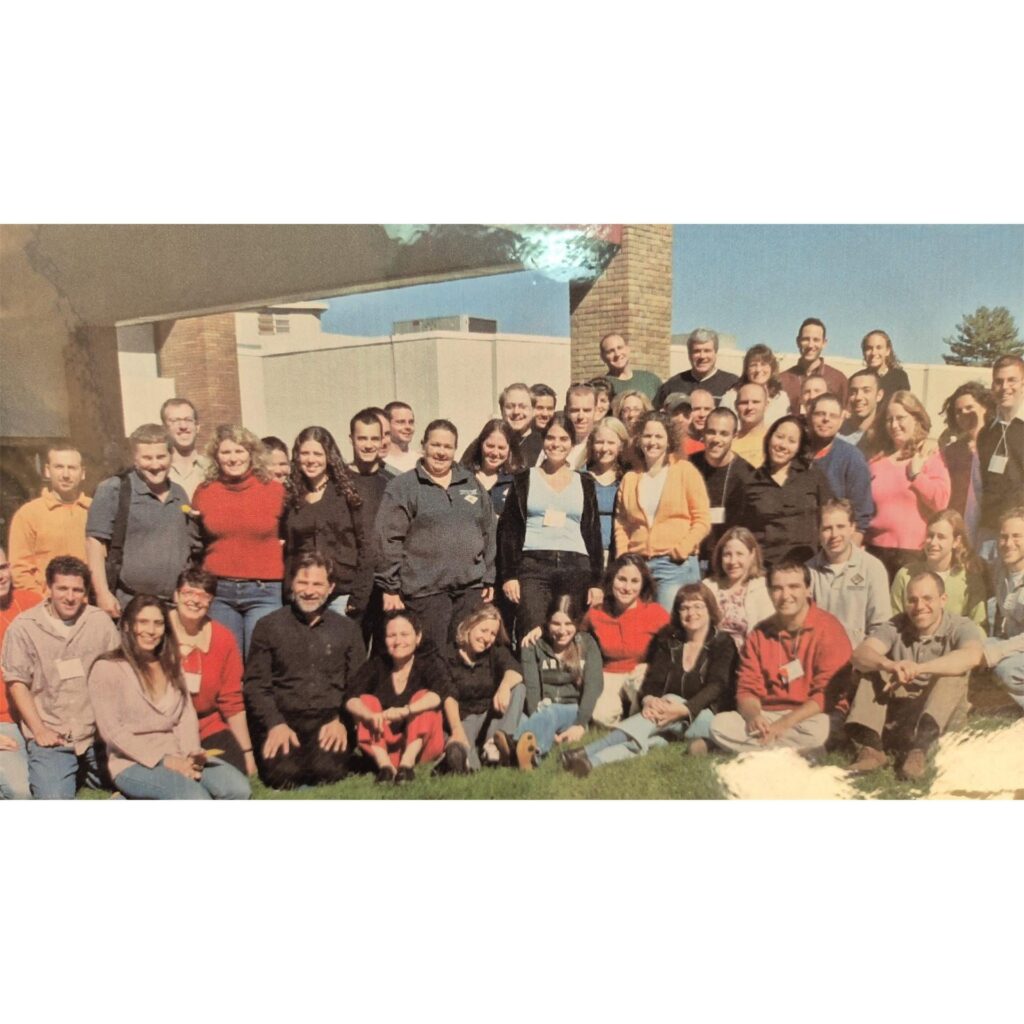
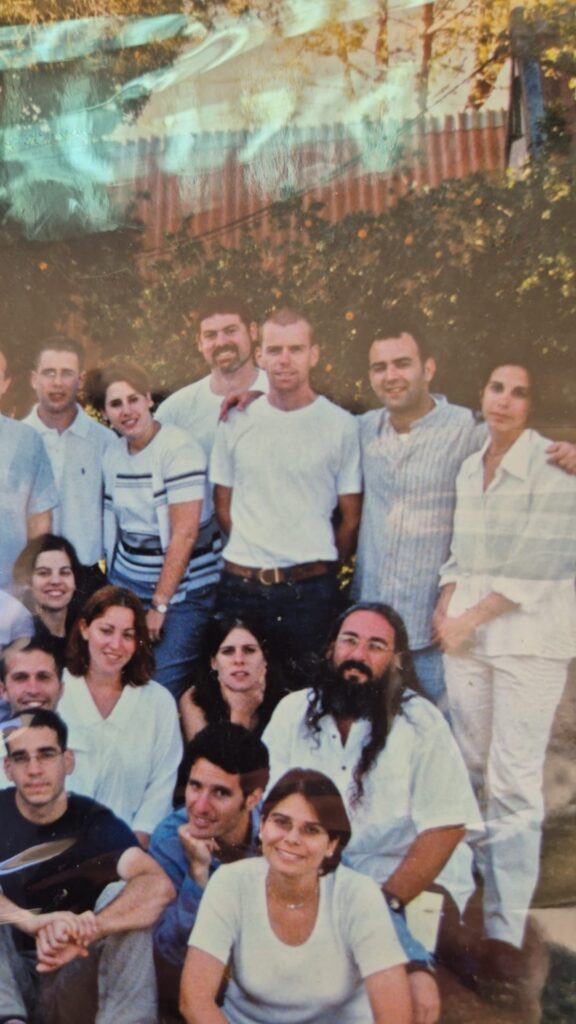
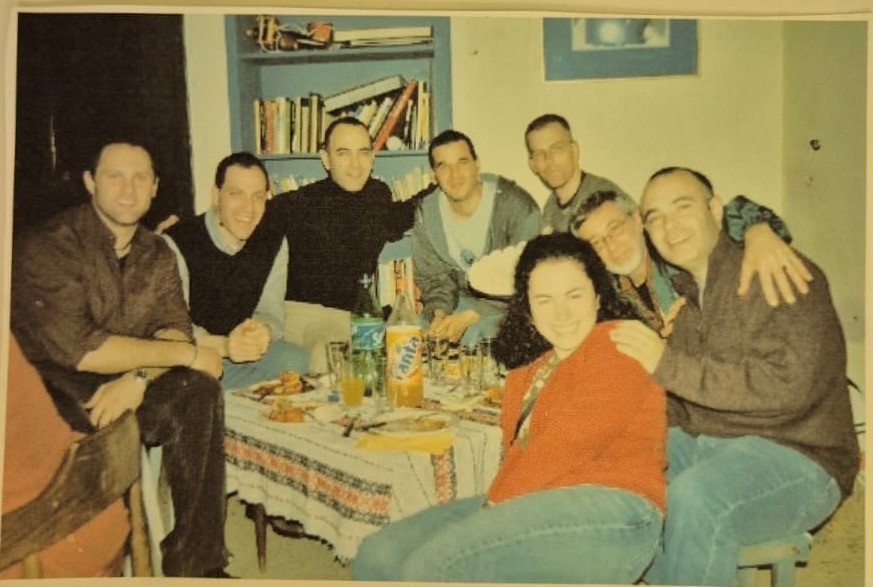
ENTER Staff Meeting 2025JFNENTER Big Tent Meeting PointAstronaut Don Thomas & AlonAlon at mapping event for ENTERAJC Israel-Diaspora PanelYJ National Convention,New Jersey, Around 2005 or 2006YJ Summer programs Kabalat Shabbat Pic at all-staff training, probably 1999YJ Israel Programs team (Jerusalem and NY staff) early 2000’s
Alumni Reconnect for a Meaningful Cause
Young Judaea
May 26, 2026
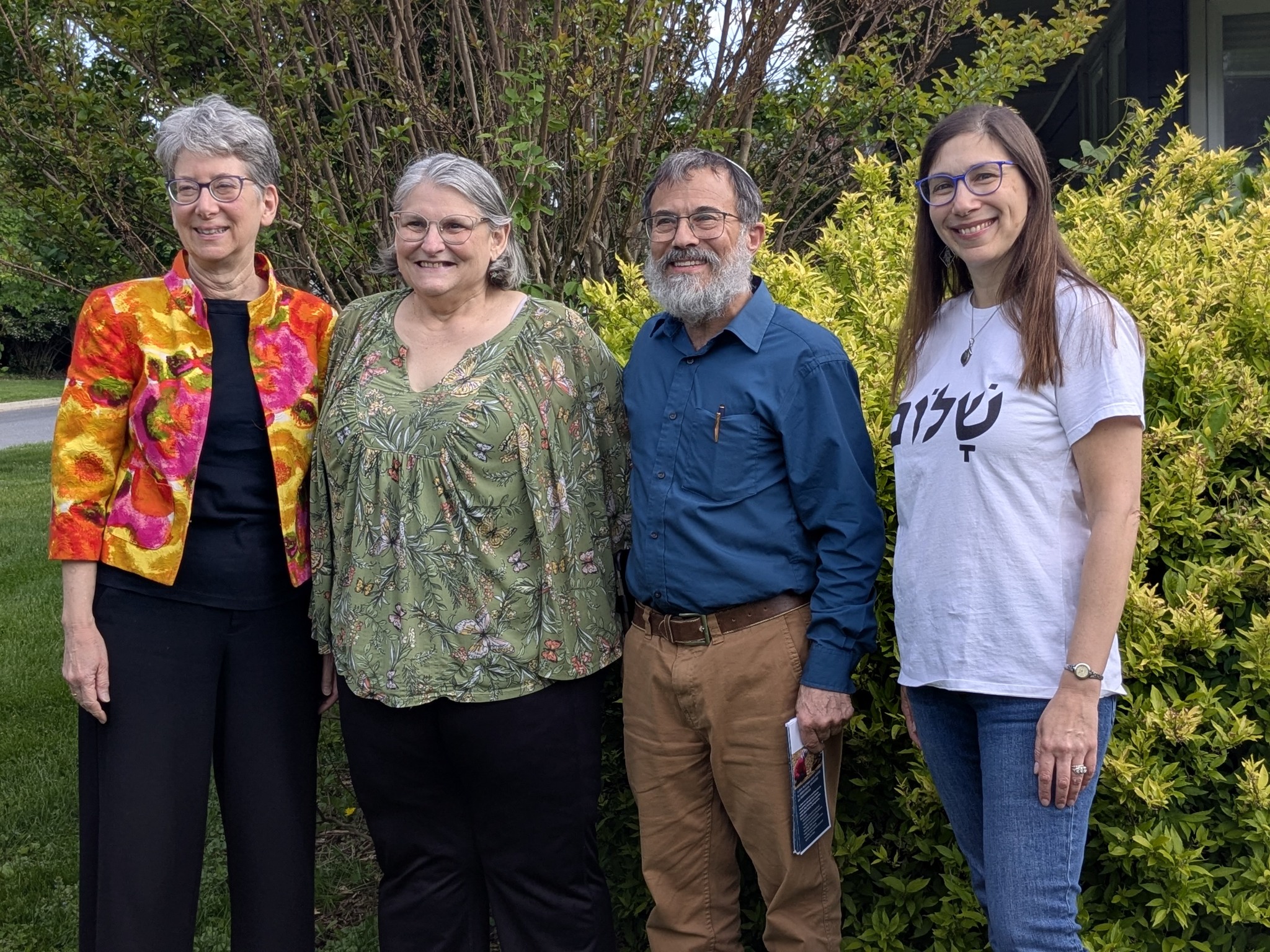
In the photo from left to right: Mirele Goldsmith, Betsy Diamant-Cohen, Rabbi Hanan Schlesinger, and Sharon Green.
Young Judaea connections continue to span generations and geography. Recently, alum Sharon Green hosted an event for the Israeli-Palestinian peace organization Roots, bringing together a group of fellow Young Judaea alumni through a remarkable web of shared history and connections.
Sharon, a longtime Judaean who attended Young Judaea programs from Sprout Lake through Year Course 1997–1998, was connected to fellow alum Mirele Goldsmith through a mutual YJ friend. Mirele was helping organize a Baltimore gathering featuring Rabbi Hanan Schlesinger, also a Young Judaea alum, who was visiting from Israel to expand support for Roots which he helped to found in 2014. Together, Sharon and Mirele co-hosted the evening and invited Betsy Diamant-Cohen, yet another local YJ alum, who had been Mirele’s high school madricha in Brookline, MA. — only to discover that Betsy and Hanan had been on Year Course together years earlier!
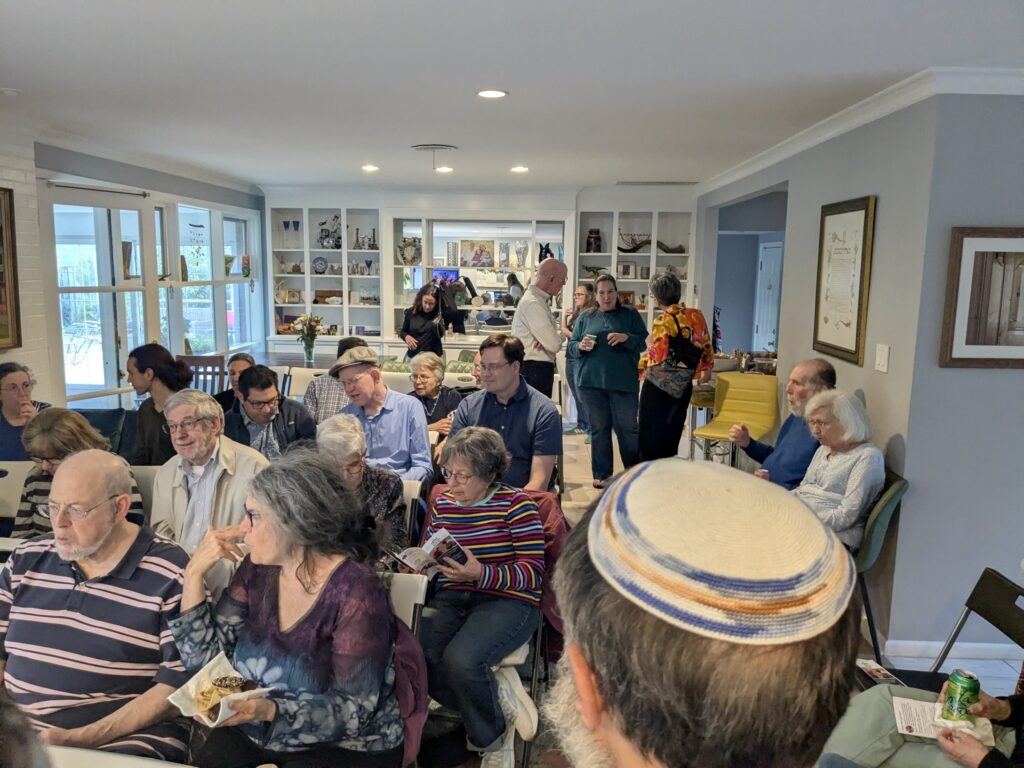
The gathering brought more than 40 people into Sharon’s living room and became more than just an informational event; it was a meaningful Young Judaea reunion spanning decades of shared experiences and connections.
Hanan will be back in the USA October 25 to November 15 2026 and would love to have other YJ alumni host similar events wherever they may live in the USA. He can be contacted at: ravhanan@gmail.com
Q&A with some of the Alumni
What is your Young Judaea background? Betsy: YJ Tsofim Club in Stamford, CT 7th – 8th grade. Bogrim Club 9-12 grade. TY 1971-1974. One of the first two kitchen girls at TY, summer of 1974 (dishwasher!), National Mazkira 1974-1975, Year Course Section 3 1976-1977, Editor of the Hamagshimim Journal 1977-78. Madricha of YJ clubs in Massachusetts 1977-1979. Made aliyah 1986 and lived in Jerusalem until moving to Baltimore in1998.
My husband was in British Habonim on Machon, and used Kibbutz Keturah as his home base when he was a lone soldier. One of our three children went to Sprout Lake; all three went to TY.
Sharon: Sprout Lake 1988–1992, TY 1993–1996, Year Course 1997–1998, Staff at Sprout 1997, Staff at TY 1998–1999, and year-round programming with NJ/Ganei Yehudah.
How did it feel to collaborate with fellow YJ alumni you hadn’t met before? Betsy: I loved it! Even though Sharon and I had never met before, there was an immediate sense of kinship.
Sharon: It was incredibly rewarding to collaborate with fellow YJ alumni. Knowing we were all Judaeans established a baseline of trust and shared history from the first emails. Young Judaea is a non-partisan, pluralist Zionist movement and I was proud that this event was a true representation of what that means to me.
Tell us a bit about Roots and why you are involved. Betsy: Roots is an organization that brings together Jews and Muslims living in Israel and helps build and sustain a multicultural community. I didn’t know about Roots before Hanan’s presentation, but now that I do, I’m happy to spread the word.
Sharon: Roots is unique among peace organizations in Israel because it is based in the West Bank and works to bring together settlers and their Palestinian neighbors through dialogue and relationship-building. I’m involved because any path toward peaceful coexistence starts with dialogue and dignity, and I’m grateful to support those leading the way.
Rabbi Adam’s College Tour
Young Judaea
May 20, 2026
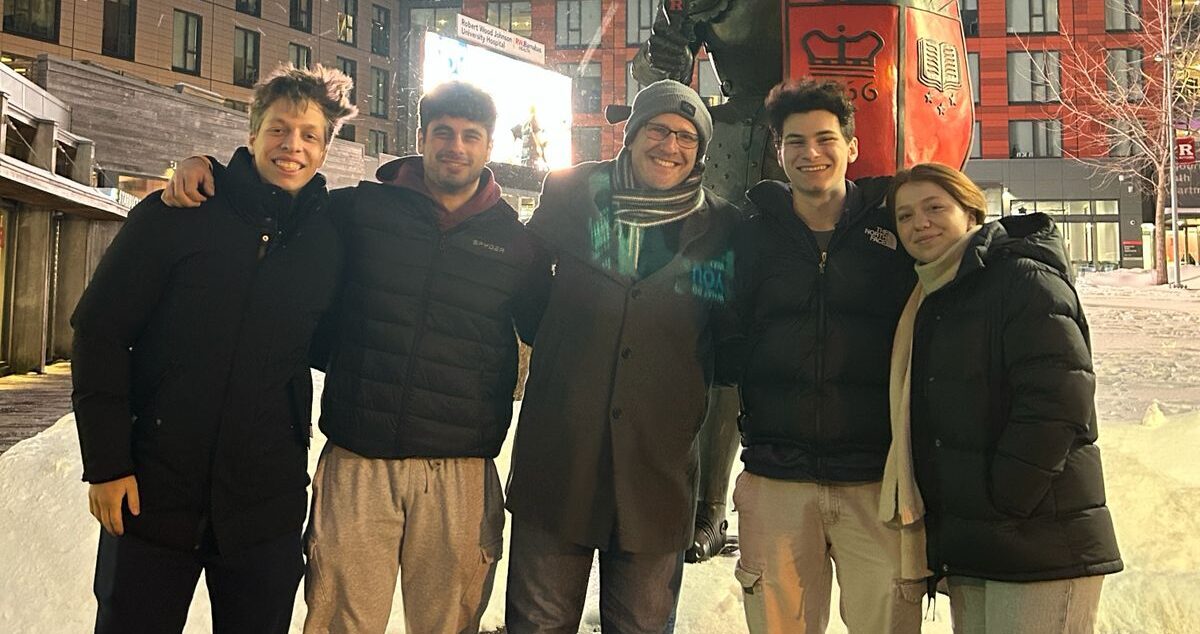
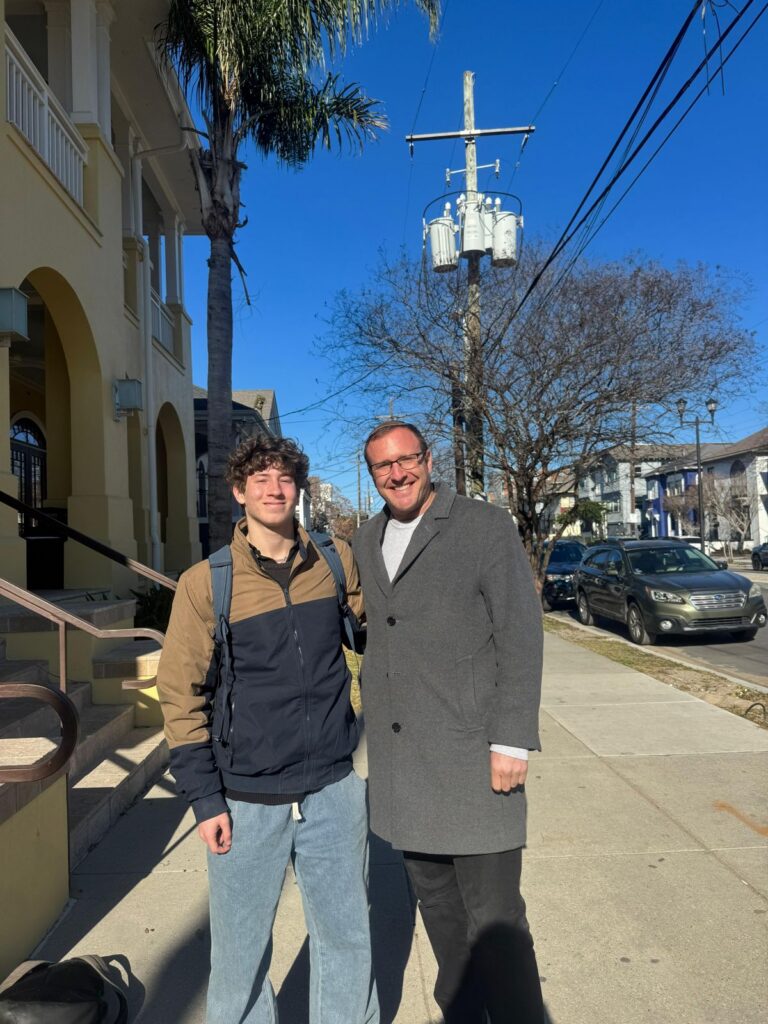
Back in January, Rabbi Adam Drucker, Director of Education for Young Judaea Israel, traveled across the U.S. to reconnect with Year Course alumni on college campuses.
Over the course of the tour, Rabbi Adam visited five key campuses and engaged with more than 180 students, including over 100 Young Judaea program alumni. Gatherings took place at Binghamton University, UT Austin, Tulane University, Rutgers University, and the University of Miami.
Alumni enjoyed the opportunity to catch up and stay engaged with the Young Judaea community!
Remembering Orit Segal
Young Judaea
May 20, 2026
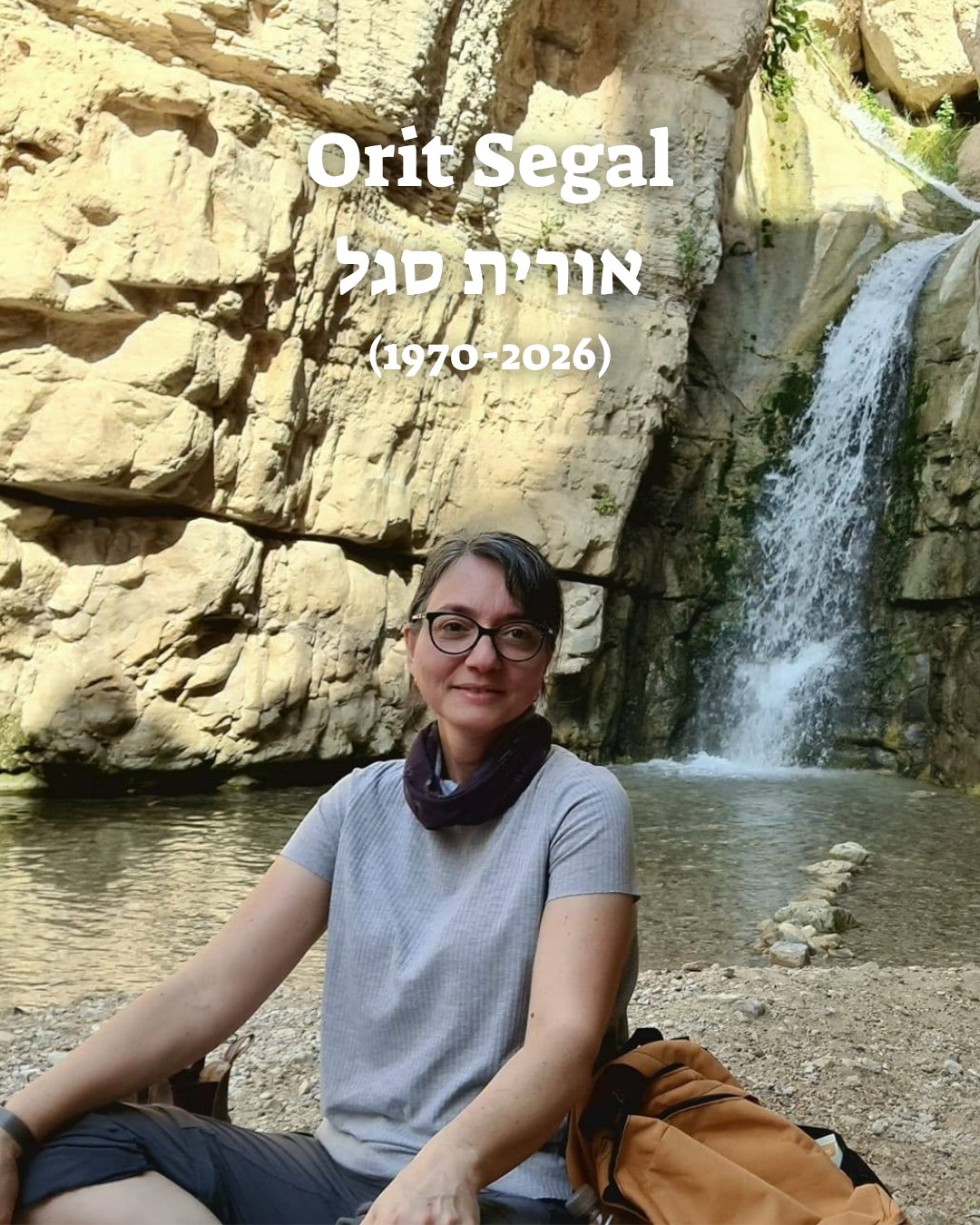
The YJ community recently lost our beloved colleague, teacher, and friend, Orit Segal, z”l. After a courageous battle with cancer, our community has lost an angel and a true source of light.
Orit’s professional legacy with Young Judaea Israel spanned nearly three decades, during which she was the source of magic and inspiration behind one of our core missions: teaching Hebrew.
She joined YJI in 1999 as a dedicated member of our Hebrew Studies faculty. In 2014, she was appointed Director of Ulpan, a leadership role she held until 2026.
As a professional, Orit was profoundly modest, yet her impact on our organization was immense. Under her direction, the Hebrew department was completely transformed. She championed teaching Hebrew not just as an academic subject, but as a living, breathing language. She created an Ulpan curriculum that was cutting-edge, engaging, fun, and deeply meaningful. Relentlessly driven to help every single student succeed, she extended her passion to personalized classes for advanced learners and proudly taught Arabic to those eager to expand their horizons. Beyond the classroom, she also served as the brilliant architect of our Yom Hazikaron program for many years, guiding our participants through moments of national remembrance with immense sensitivity and grace.
Thousands of Young Judaea participants have been touched by her leadership, her warmth, and the program she so masterfully built. The Hebrew program of Young Judaea is Orit’s creation, and her professional contributions are forever woven into the very fabric of our organization.
We extend our deepest condolences to her husband, Asaf, and her children, Maayan, Noam, and Avigail.
יהי זכרה ברוך
May her memory be a blessing
I Came for a Gap Year. I Stayed for a War
Young Judaea
April 14, 2026
By Ayelet Medjuck-Bruckner, Year Course 2025-26
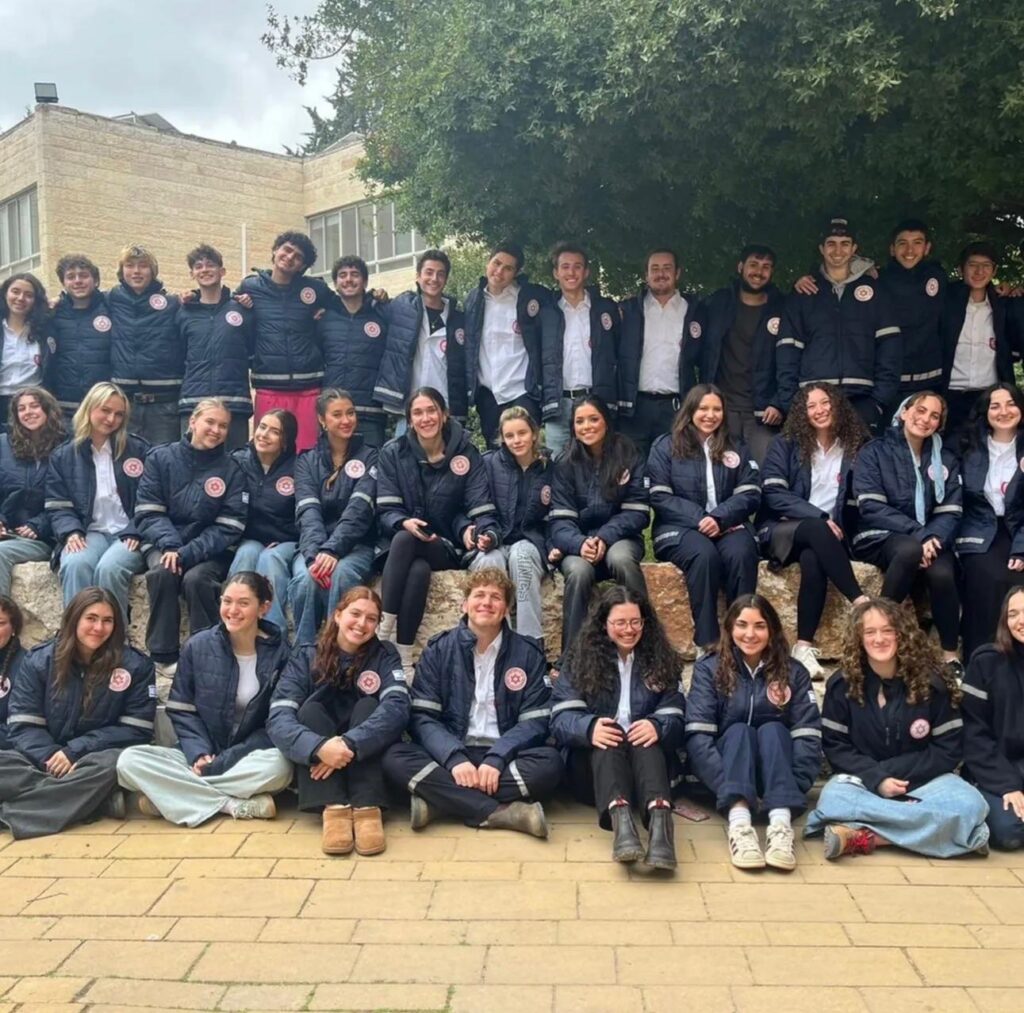
I hadn’t spent most of my time running to bomb shelters until a week ago, but five weeks of war has still changed everything. In February, I was volunteering with Magen David Adom as a certified first responder, riding in the back of ambulances in Tel Aviv, building a routine. When the war started, that stopped. No more shifts. No more normal schedule.
War isn’t just about sirens. It’s about learning how to adjust to a reality that keeps changing.
At the beginning of my gap year in Israel, I remember asking if there was a miklat in the bathroom. I meant miklachat–a shower. Everyone laughed. I didn’t really understand the difference then. Now I do. Now I know exactly where the nearest miklat is wherever I go.
At around 8:30 in the morning on February 28th, I woke up to the sound of a siren. I had slept through the initial Home Front Command warning. Now our instructions were stark: “Enter the protected space. Time: one and a half minutes.”
“Is this real?” I asked my roommate.
We grabbed whatever we could and ran. Phone, water bottle, book. Our counselor was yelling, “This is serious– go, go!”
We squeezed into the shelter, everyone still in pajamas. I was fully awake. It felt like being slapped in the face and then forced to sprint.
Later, we were told to pack. Twenty minutes. One suitcase. “One week.”
I knew it wouldn’t be one week.
As I rolled my suitcase towards the chartered bus, people were sitting at cafes, walking their dogs, and talking with friends. It felt surreal. Almost like a joke–a group of American teenagers rushing through the streets of Tel Aviv with suitcases, while life around us looked completely normal. At first, I didn’t understand them. But after weeks of war I now see things differently. It’s the resilience that I’ve heard so much about and now I’m seeing it first-hand.
We were evacuated to Kibbutz Ketura near Eilat, a kibbutz that was founded decades ago by passionate members of our very own movement, Young Judaea. Not completely without sirens but far enough from the barrage. Far enough from our dorm near the Kiryah (IDF Headquarters) in Tel Aviv where nearby streets were blown up by a ballistic missile in the earliest days of the war.
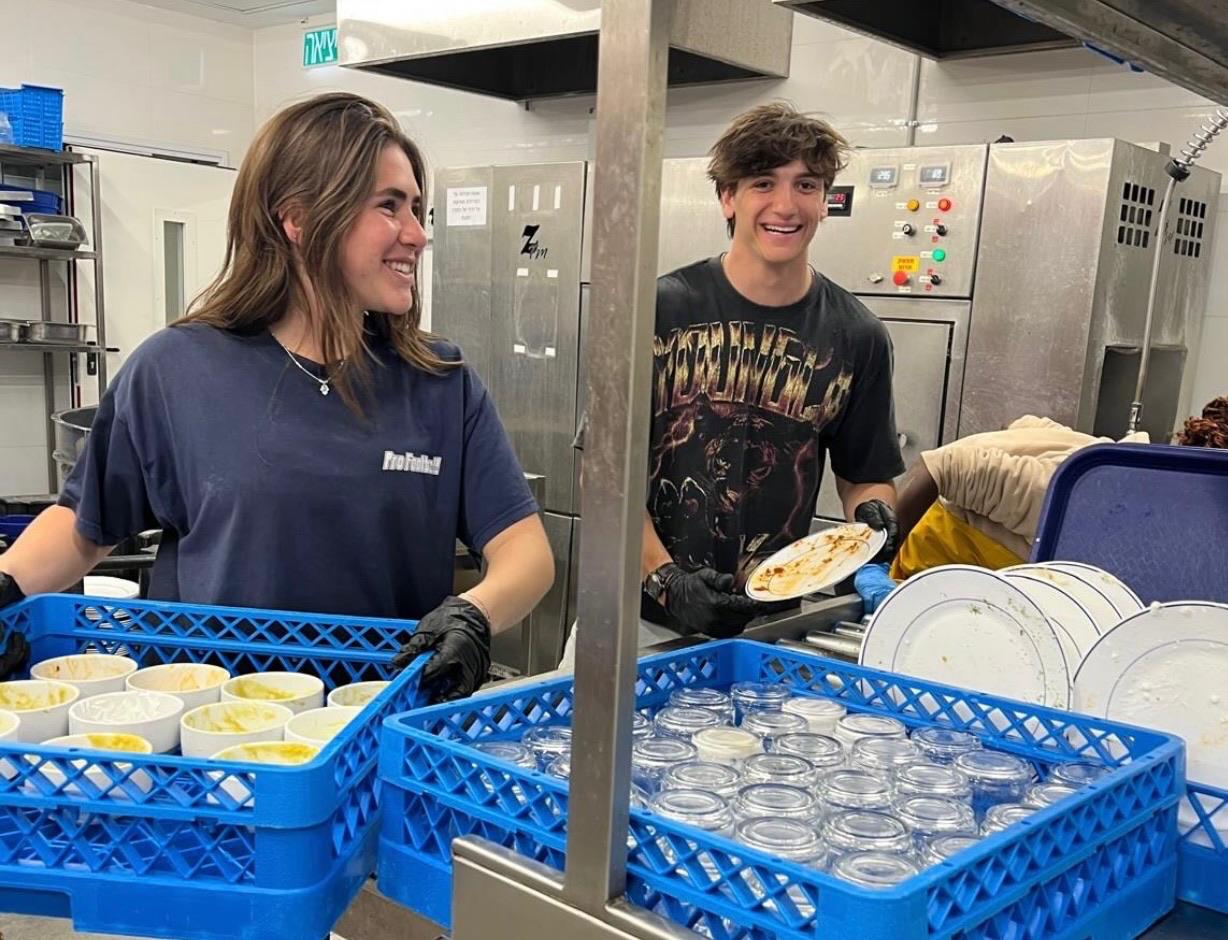
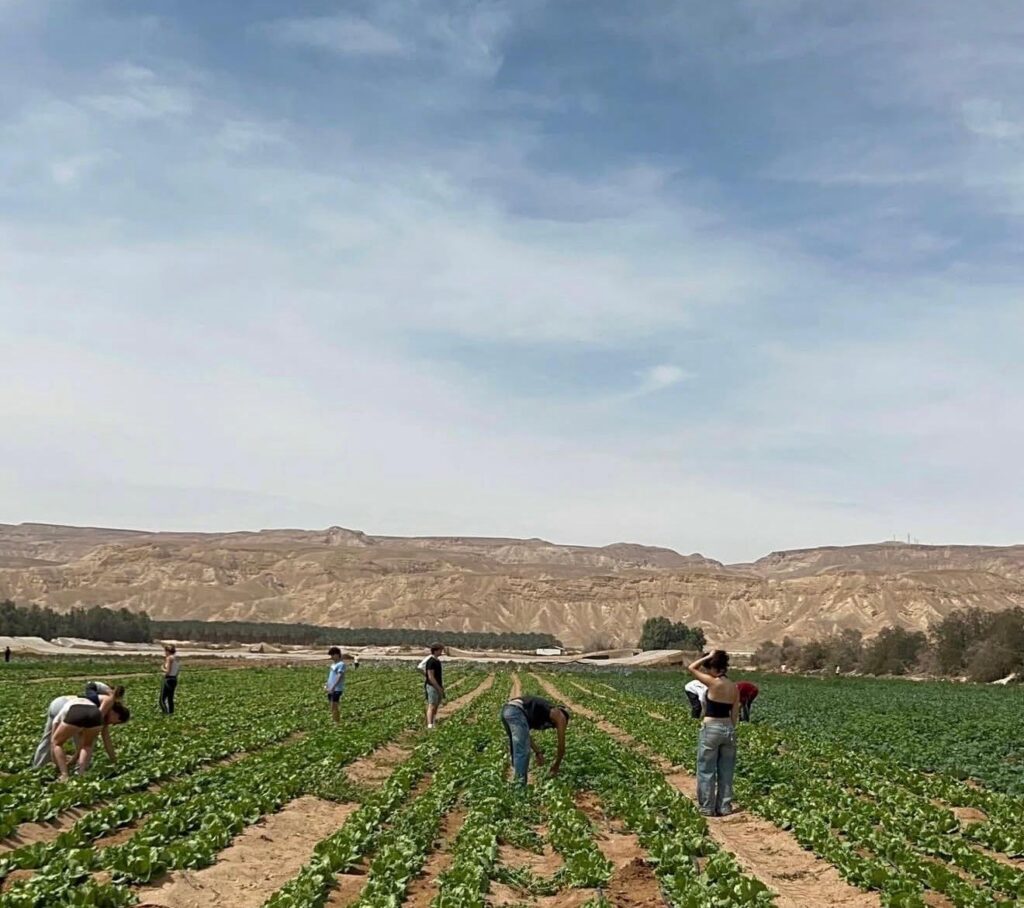
In Ketura we were safe and the people there welcomed us with open arms, plates of cookies, and sweet sticky dates. We unpacked, unsure how long we would stay. Days filled with random activities, meals together, volunteering in the kitchen, engaging with people in the special needs program, and filling sandbags for security. We were trying to create some kind of structure for our time there and also be useful. Life didn’t stop–it just looked different.
And somehow, a lot of it was funny. Not actually funny. But we laughed. We laughed when a friend ran to the safe room in a towel from the shower. We laughed at how absurd everything felt. Sometimes it was real laughter, and sometimes it felt like the only possible response. Laughter was the perfect release, helping us cope and make things feel normal.
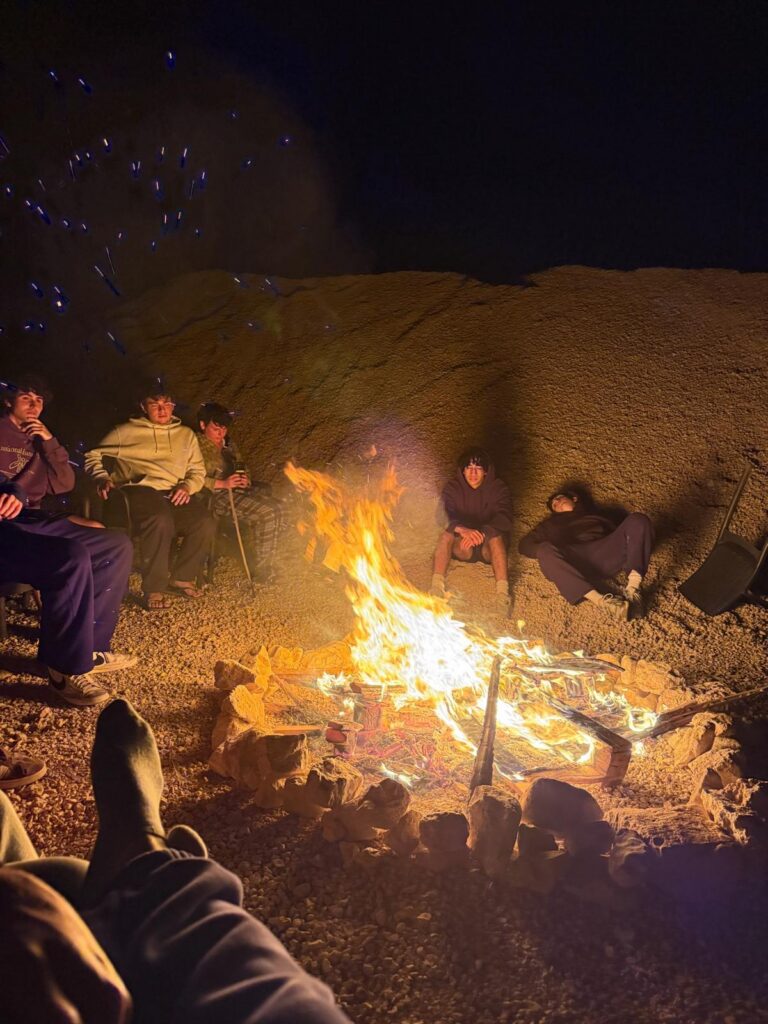
We adapted quickly. Six people in a room because that’s what was available. Sharing clothes, especially for Shabbat. I lent out skirts and dresses to girls who hadn’t packed enough. We sat together when we were sad. We cried together. We hugged each other in silence. We celebrated when our friend committed to her college for next year and for birthdays we bought cakes and balloons from the kibbutz makolet (store). At night, we sat around bonfires, listening to music, talking, laughing. For a few hours, it could feel like nothing else existed. We forced each other to get out of bed, to go on walks, to move, to keep going. It wasn’t just about passing time. It was about taking care of each other.
Through everything, life kept happening in strange ways. I was in the gym in Eilat when a siren went off so I ran into a bomb shelter with a group of sweaty strangers. A few minutes later, I was having a conversation with a random girl who gave me her nail technician’s phone number.
Life just… continued.
On the kibbutz, I found meaningful ways to grow. I prayed every day. I led Kabbalat Shabbat for the entire kibbutz community. I leyned Torah for the first time since my Bat Mitzvah. And then I even leyned again the next week. It has felt incredible to step up in these ways and connect with my Judaism more deeply during this time.
I met people I never would have met otherwise. I practiced fire spinning with someone on the kibbutz who lent me his spinning staff. I spent Shabbat afternoons talking with new people who quickly felt familiar. Several other overseas programs also spent time in Ketura during these weeks, so we all played a lot of Jewish geography and on Purim we came together to read and hear megillah.
In the middle of all of this, my grandfather passed away in New York–and it was impossible for me to fly home for his funeral. I had known this moment was coming, but hearing about it so far from home felt unreal. Everything stopped. My friends sat with me, hugged me, and didn’t try to fix anything. This togetherness got me through.
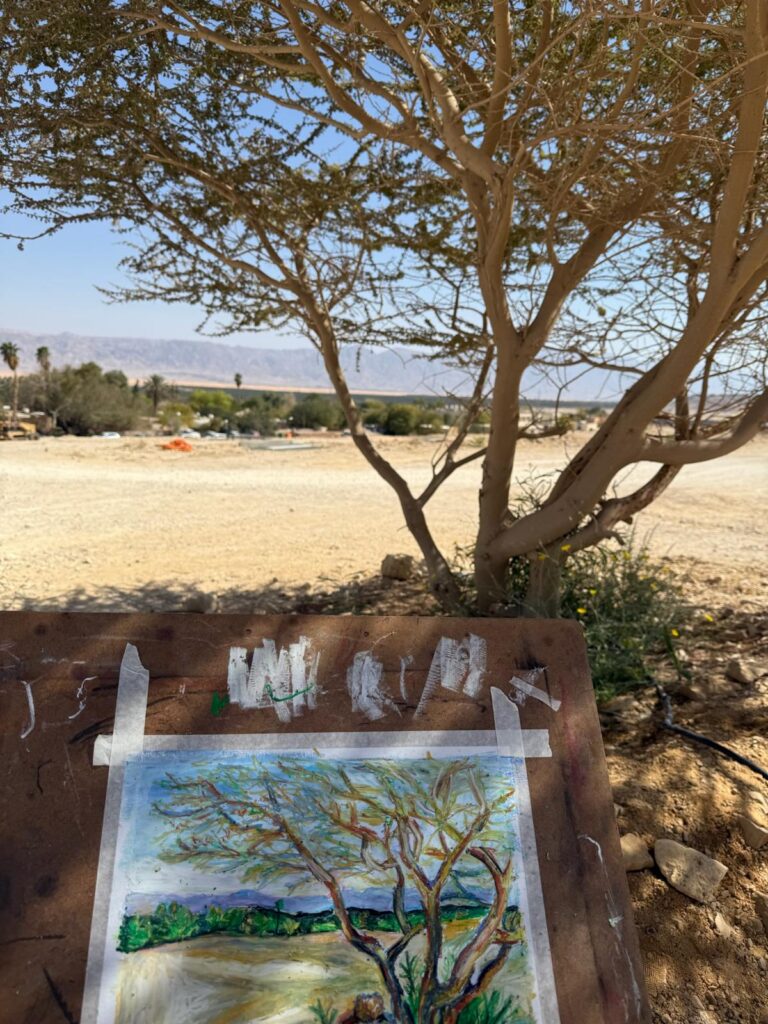
After that first week on the kibbutz, I realized I had to be proactive. It would have been easy to shut down, to feel stuck in the uncertainty of war. But I needed to take care of myself– physically, emotionally, mentally. Art helped with that. I painted for hours, sitting quietly with the mountains and trees. It gave me space to think, to process, to reconnect. I committed to spending more time moving my body and running loops of the perimeter of the kibbutz.
Now I’m thinking a lot about what my next few weeks will look like. We left Ketura and returned to Tel Aviv, despite the ongoing war. Now I am in the cycle of frequent sirens and shelters. Some of us dispersed to family and friends throughout Israel for Pesach, some of my friends figured out ways to go abroad to visit but hope to return to Israel as soon as possible. I almost didn’t get to Jerusalem for Seder when I was delayed by four sirens in two hours and a cancelled train. Throughout the country, Seder night was disrupted by countless sirens. Everyone is navigating uncertainty in real time.
I really hope my Magen David Adom internship starts up again soon. Most of all, I am eternally grateful for the tireless efforts of all Year Course staff. They have worked incredibly hard to keep us feeling safe and engaged with programming, obviously all year long but especially now – even as they juggle the complexities and challenges of war with their own families. All of their backup plans have backup plans, and that has really mattered lately.
This experience is exposing me to a reality I hadn’t fully understood before:
People who can’t just leave.
Families adjusting overnight, night after night.
Showers and sleep frequently interrupted by sirens.
Peers serving in the IDF.
People called up to the reserves.
Lives put on hold–or completely changed.
I came to Israel as someone choosing to be here for one year. That choice feels different now.
What is staying with me throughout this war isn’t the fear, or even the uncertainty. It’s the way people show up for each other.
The way friends become family.
The way strangers become familiar.
The way life continues, even while we are still figuring out how to make it all make sense.
The way public space and personal space are jumbled together. Because in Israel, especially in moments like this, being together isn’t optional.
It’s everything.
1964-65 Year Course Celebrates 60th Reunion
Young Judaea
March 4, 2026
HINEH MAH TOV UMA NAYIM– HOW BEAUTIFUL IT IS WHEN WE SIT TOGETHER!
Written by several members of the 1964 YC shicva.
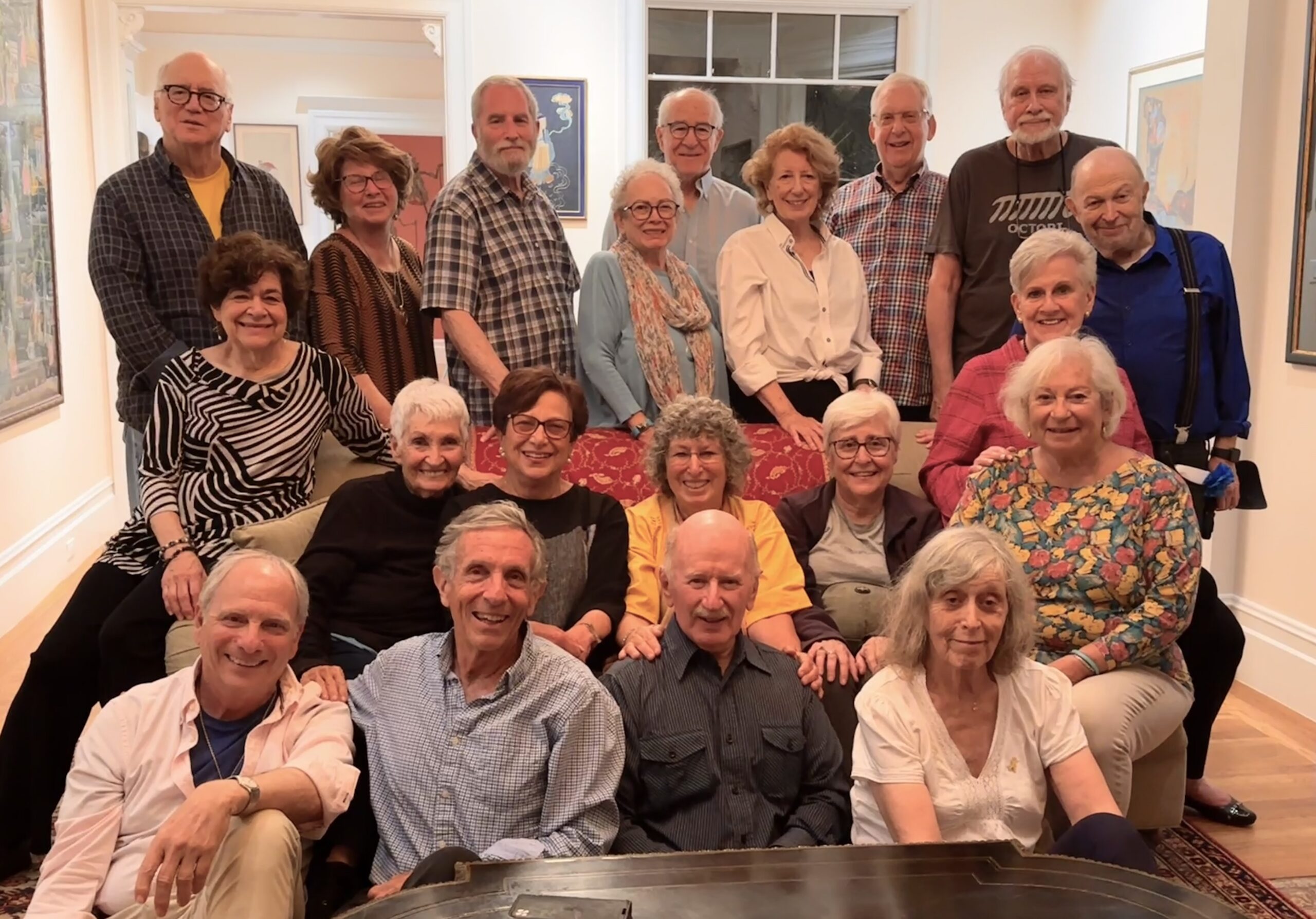
60 years(!) ago, 52 Young Judaeans left New York via 2 passenger liners — first to La Havre, France, and then from Marseille to Haifa. We arrived in Israel on October 7, 1964 and were the last Year Course to travel to Israel by boat.
On September 26-29, 2024,17 (33%) of us (and a few spouses) gathered in San Francisco for our 60th Reunion. Given our average age of 78 (40% are no longer living or have not been found), being together was extraordinary. It wasn’t just because we came from both coasts, Israel and Italy, but much more because of the loving memories we had of the outstanding year we had spent together, the many friendships we formed then that have lasted a lifetime, and the lives that were changed because of our Year Course experience.
On Thursday evening, we began our reunion in a private room in the oldest Italian restaurant in San Francisco (located in the Hotel San Remo, which is ironically the namesake of our Jerusalem dormitory). The emotional hugs and joy we shared were tearful and moving. Some of us hadn’t seen or been in contact with one another for 60 years.
On Friday, we ferried back and forth to Sausalito, reminiscing over the boat rides we had taken to Israel. Shabbat dinner was hosted by one of our chevra at a nearby home, and we made every moment we had together count.
On Saturday, we toured the Contemporary Jewish Museum, visited the Yerba Buena Gardens and Martin Luther King Memorial Fountains, and spent quality time renewing our friendships and sharing our individual histories. That night, we had a catered dinner aboard the spectacularly renovated Historic Klamath “ferry” (permanently docked, adjacent to the SF Ferry Building).
We viewed a kaleidoscope of photos and videos from over the years (on multiple screens), sang our favorite Year Course songs, and expressed our personal thoughts about the significant impact that Year Course made on our lives. We were welcomed by a video from YJ CEO Adina Frydman, and two of our chevra (YJ Board members) updated us on the activities and successes of Year Course and other YJ Israel-related programs.
When we said Shalom on Sunday morning, our hearts were full of love and appreciation for our Year Course and for each other. We are already planning the next reunion! Forward, Together….
A Jewish Camp Story Made at Tel Yehudah: The Floaters
Young Judaea
February 12, 2026
By David Weinstein, Executive Director, Camp Tel Yehudah
Some stories don’t just remind you of home. They are made there. The Floaters is one of those.
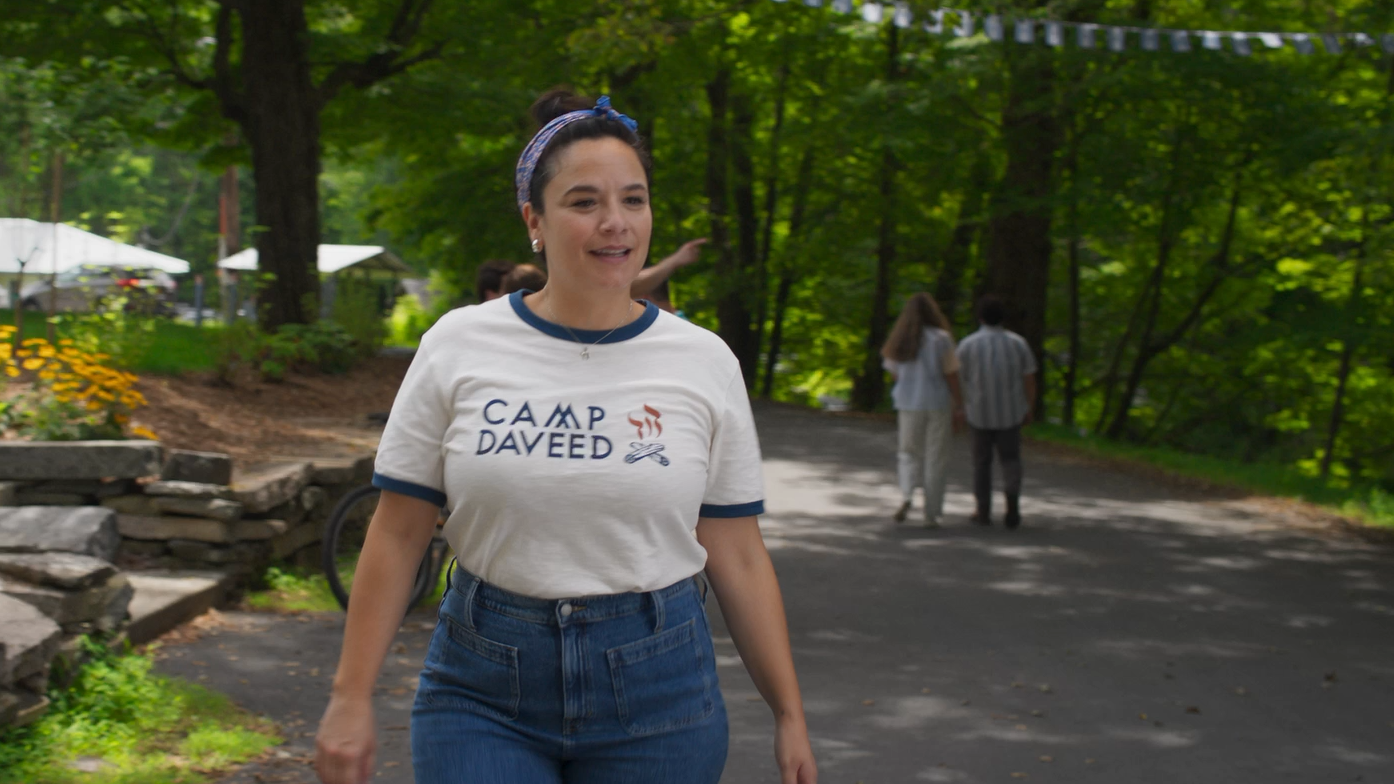
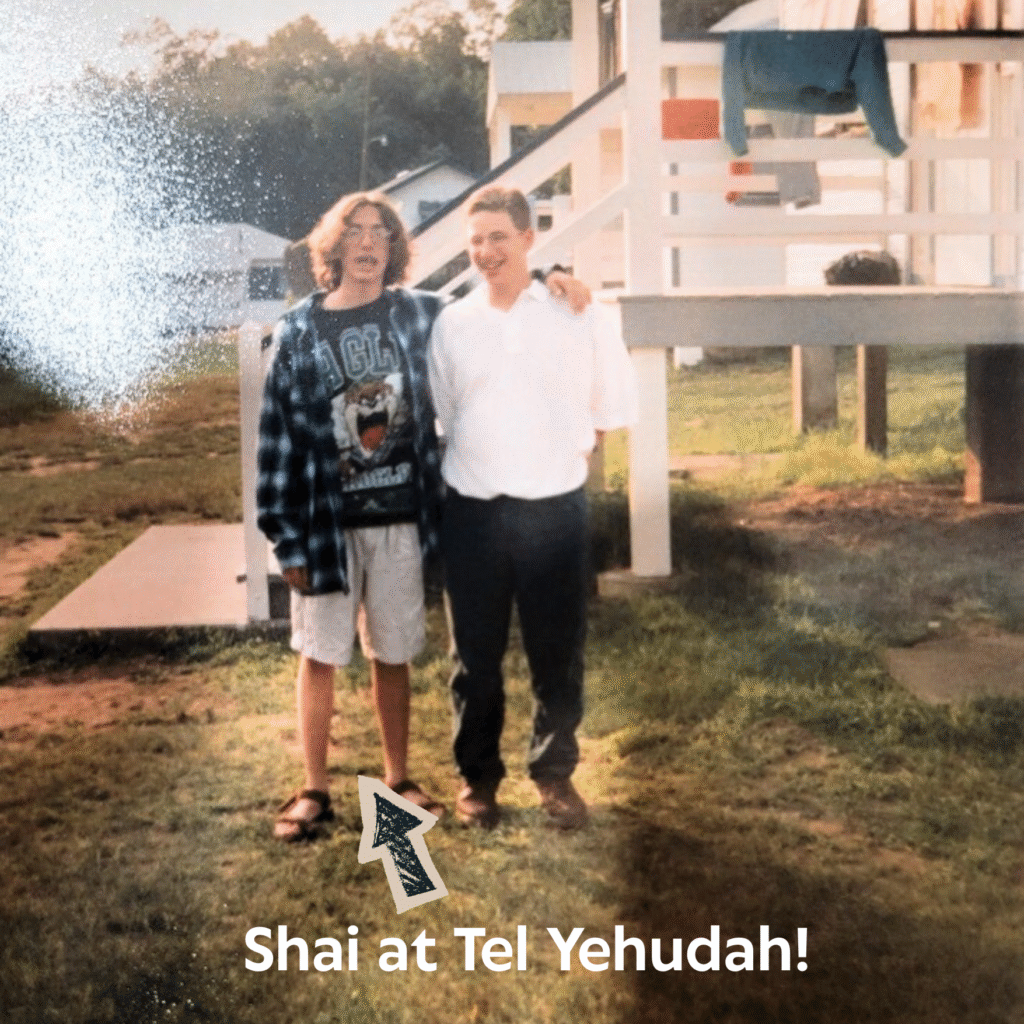
The Floaters is a very Jewish movie about Jewish summer camp. It is about kids who don’t always fit, about friendships that form quickly and deeply, and about what happens when a community really tries to make room for everyone. If you have ever spent a summer at Jewish camp, the world of this film will feel immediately familiar. As producer and Young Judaea alum Shai Korman shared, the goal was to tell “a story centered on Jewish women leaders that took place in an authentically Jewish world,” inspired by the many women who shaped their lives at camp.
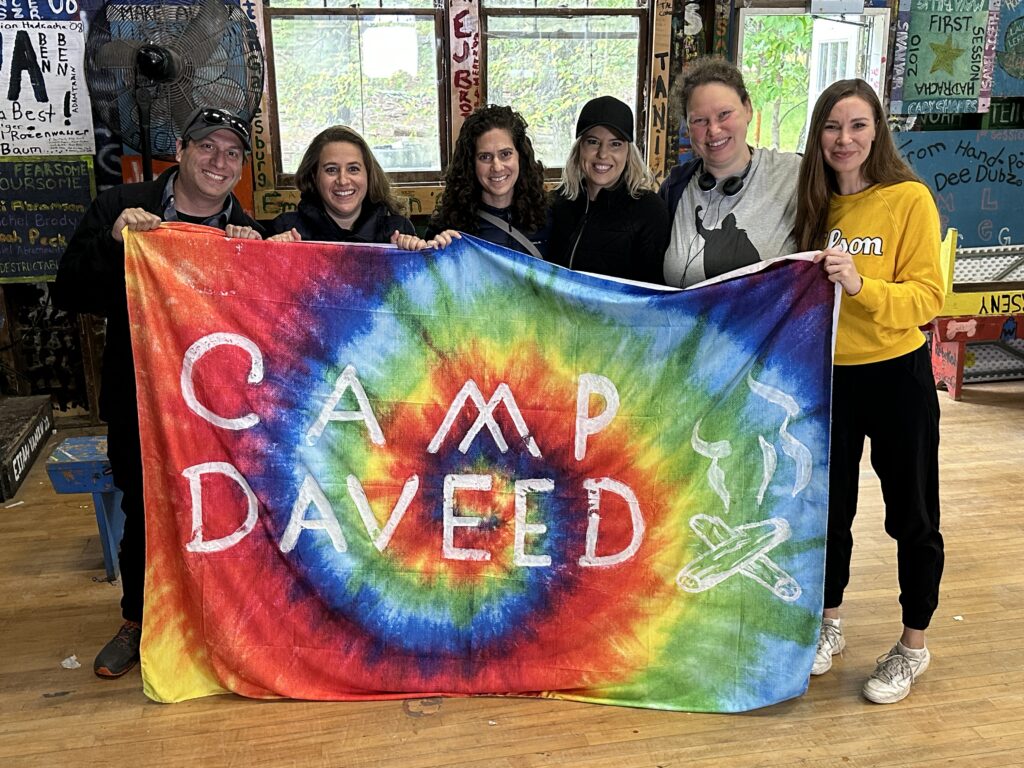
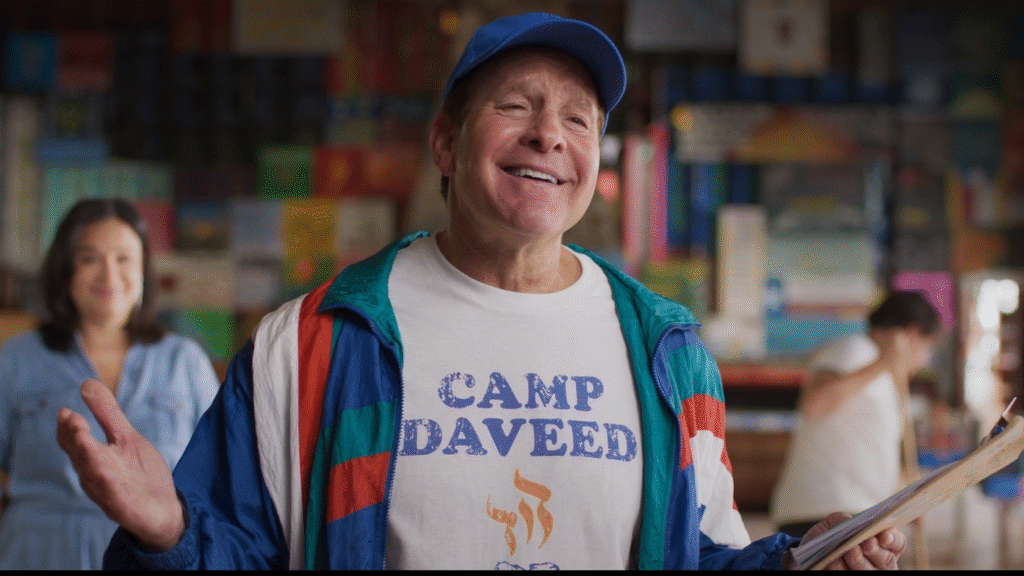
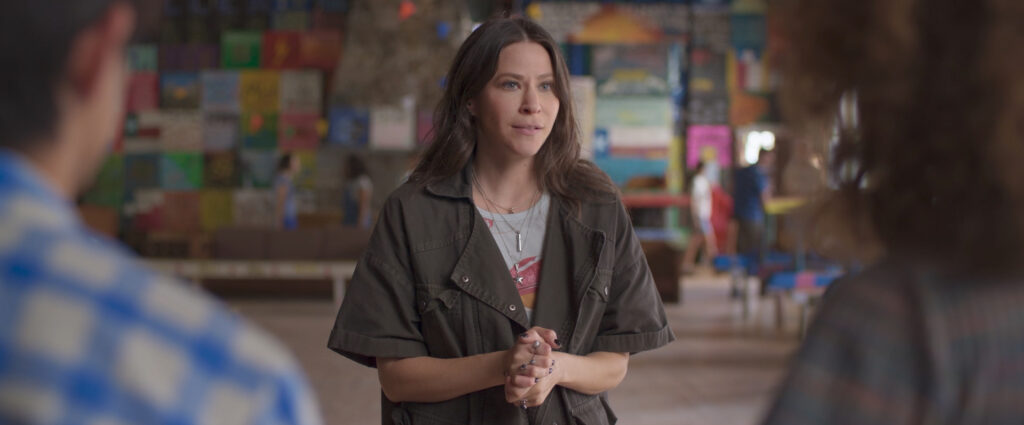
What makes this especially meaningful for us is that The Floaters was filmed almost entirely at Camp Tel Yehudah. After camp ended in 2023, the cast and crew moved in and lived at TY for nearly a month while they made the movie. They transformed Tel Yehudah into “Camp Daveed,” but anyone who knows our camp will recognize it instantly. There are scenes in the Beit Ha’am, scenes in the kitchens, and moments across campus that are unmistakably Yehudah.
You will also spot some familiar faces. Stu Stein and Noah Wilker both make appearances. And yes, our very recognizable rikud made it into the film as well. As Shai Korman explained, the rikud scene was especially important to capture: a moment inspired by “the magic of Saturday night at camp where everyone—no matter who you are and where you come from—comes together after Shabbat to dance and have fun.”
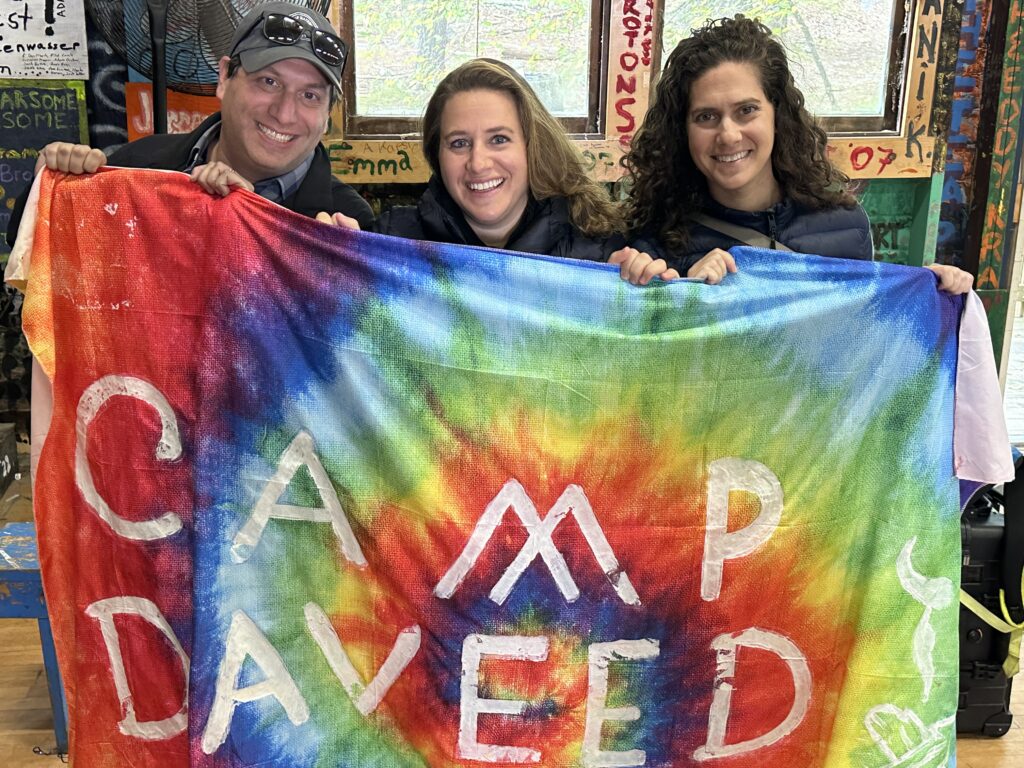
The film was produced by Shai, Becky, and Lily Korman, TY and Young Judaea alumni whose connection to Tel Yehudah runs deep. Their parents met at TY. They grew up in the Young Judaea world. And now the next generation is continuing that story, with their kids heading off to Sprout Lake and Tel Yehudah. Bringing the project back to Tel Yehudah felt like a true homecoming. As Shai shared, “The best part about being back at TY was recreating the joy and camaraderie of camp with our incredible cast and crew… we all walked away with a bond and memories that will last a lifetime.”
That sense of belonging is at the heart of both Young Judaea and the film itself. Much like Tel Yehudah, the world of Camp Daveed brings together kids from all over the country—with different backgrounds, ways of thinking, and ways of being Jewish—to find community. As Shai put it, “Pluralism and fun” were central to the film, reflecting a place where kids can take a break from everyday pressures and experience genuine, sometimes wacky, joy with their friends.
“Watching The Floaters felt like coming home,” said David Weinstein. “It gets Jewish camp. The warmth, the awkwardness, the intensity, and that insistence that everyone belongs, even when it’s complicated.”
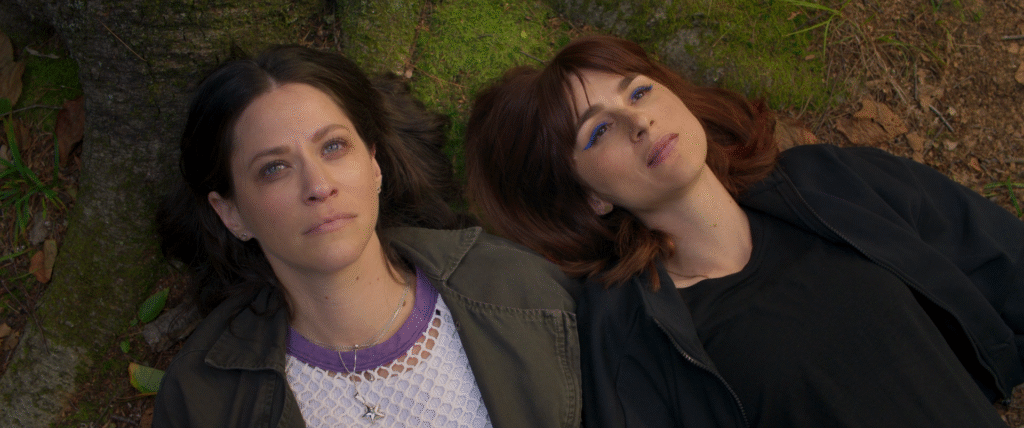
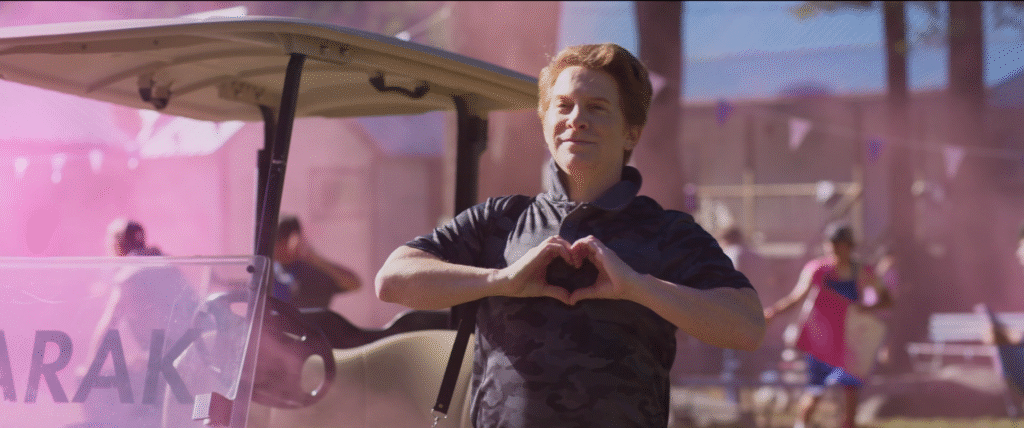
The cast is terrific and a big part of why the film works, including Jackie Tohn from Nobody Wants This, Sarah Podemski, Seth Green, and Steve Guttenberg.
Since its release, The Floaters has been playing at film festivals around the country and continues to do so. It has picked up awards and a lot of well-deserved attention along the way.
We encourage Judaeans of all ages to seek it out and watch it. Alumni, parents, current campers, and friends of the movement will all find something familiar here. If you know Tel Yehudah, you will see it on the screen. And even if you don’t, it will still feel familiar in that very Jewish camp way. It feels like summer. It feels like community. It feels like home.
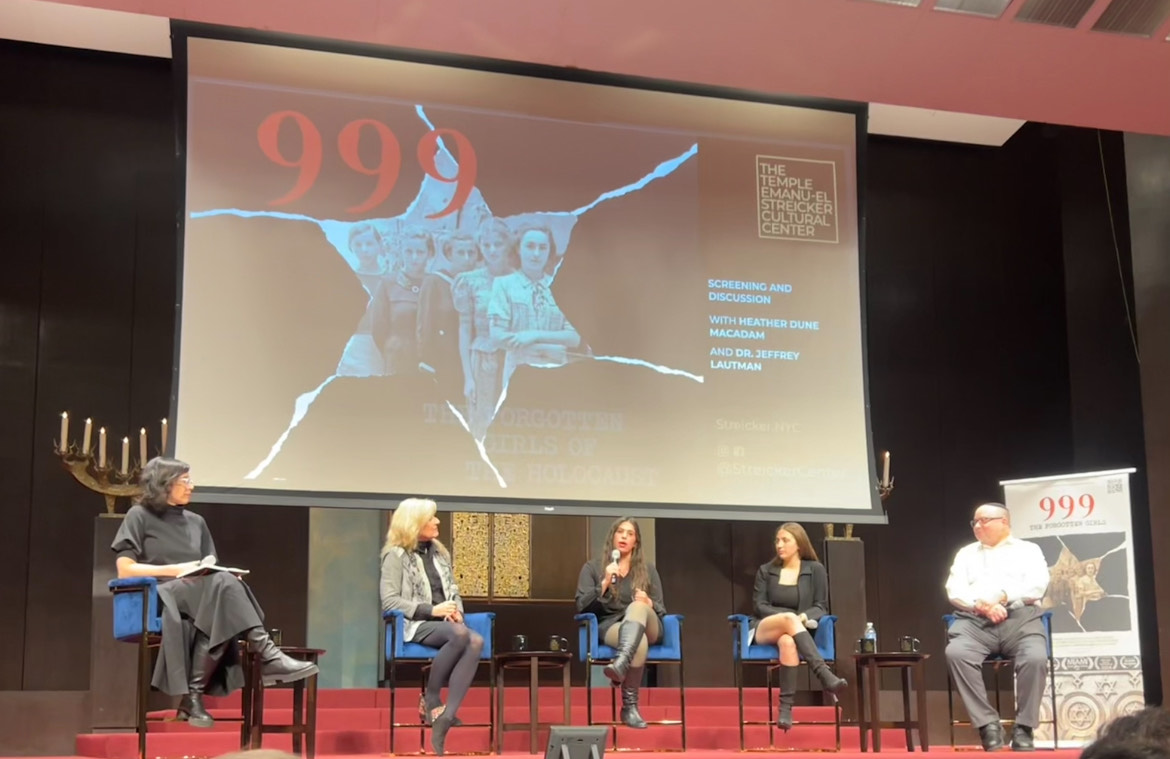
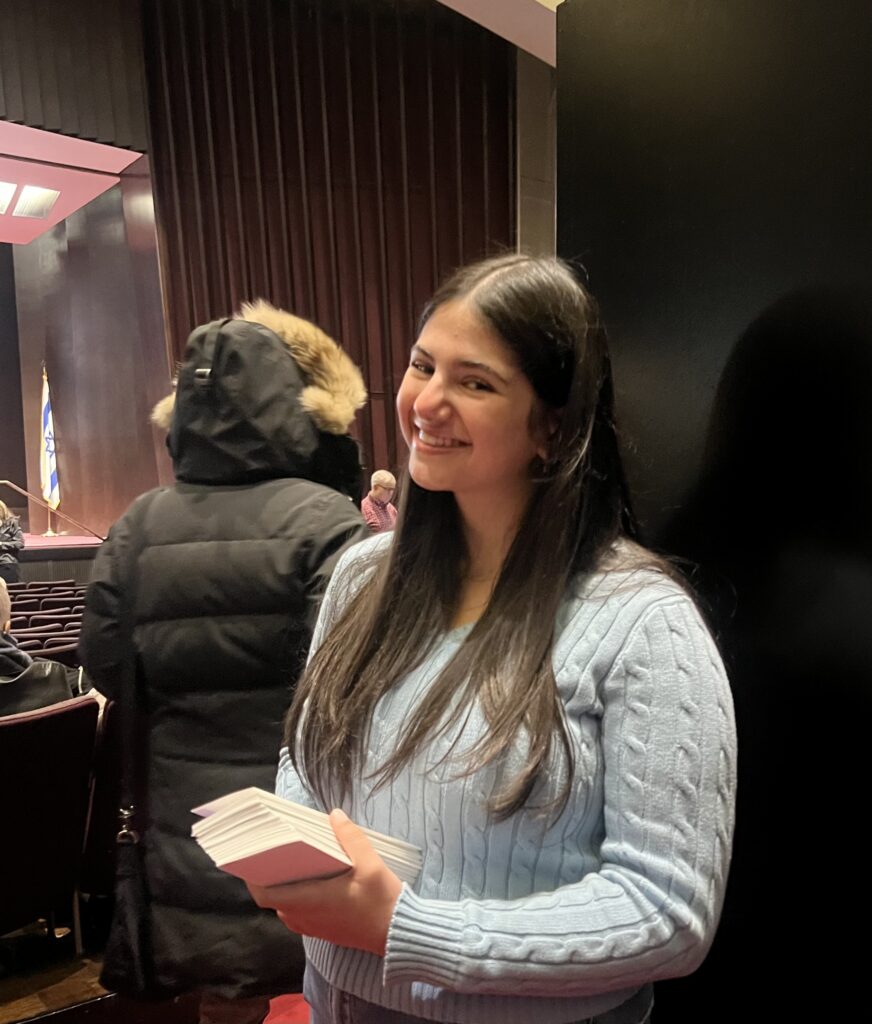
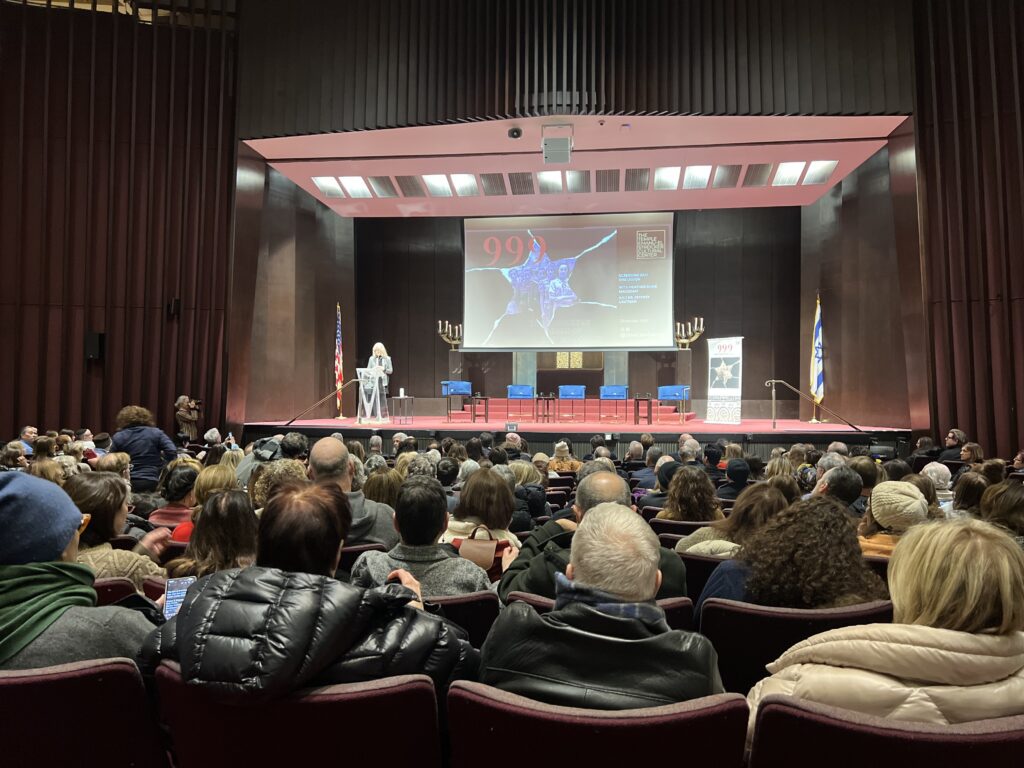
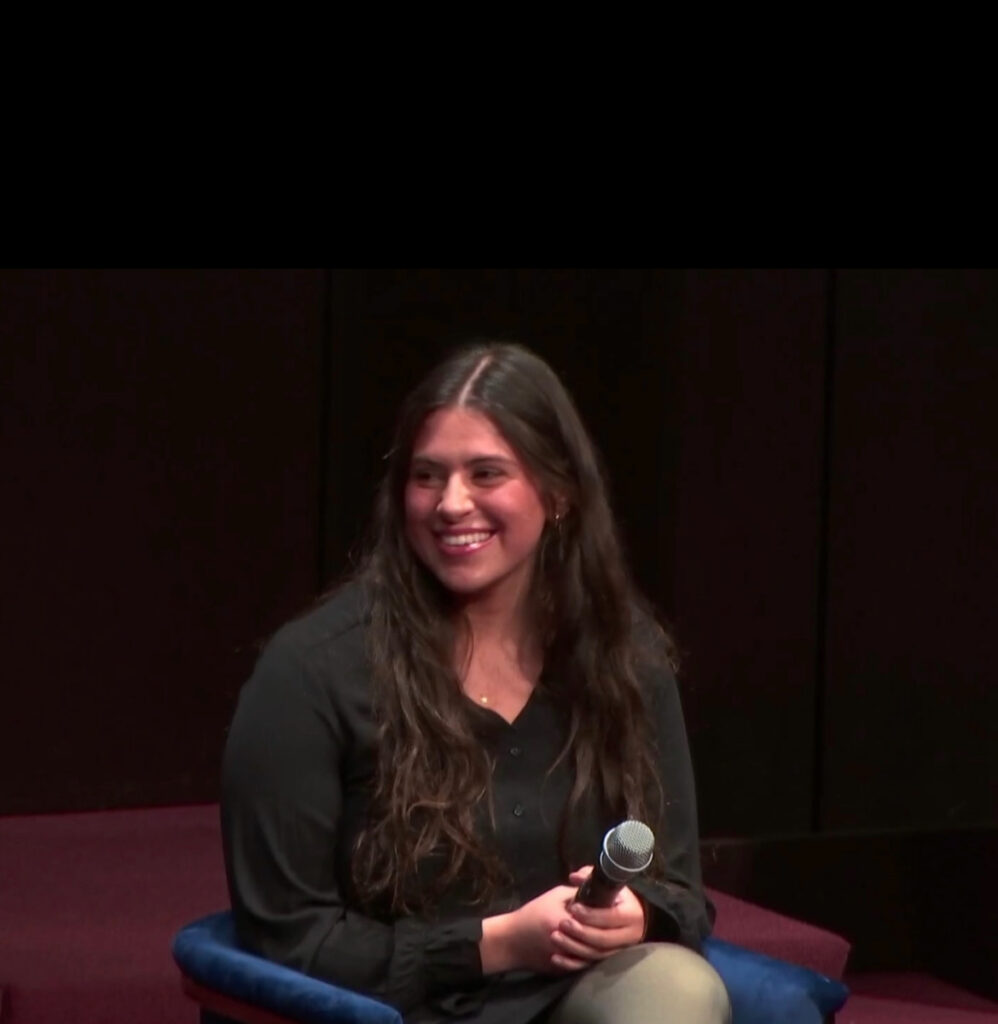
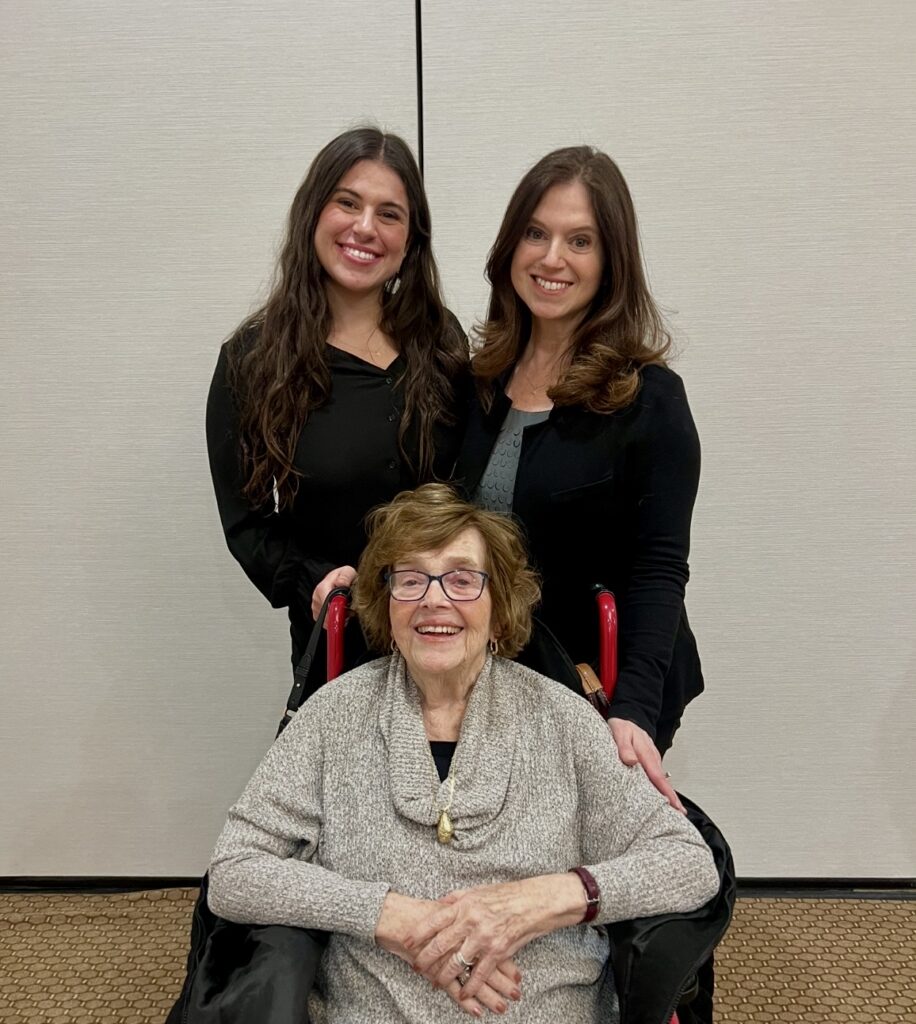
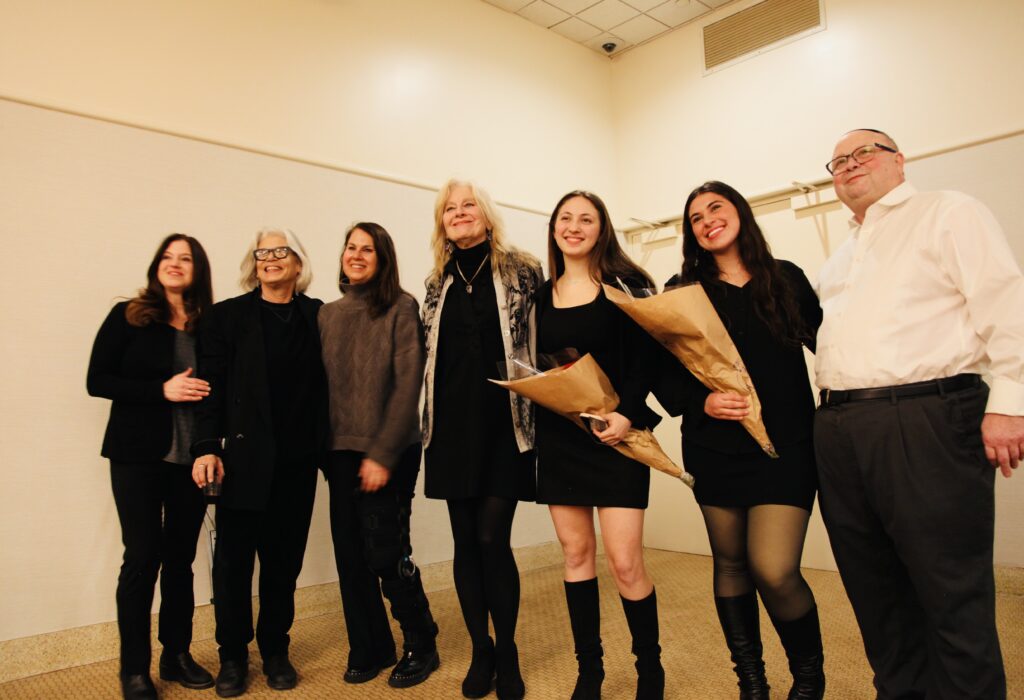
Recently, YJ National Mazkira Natalie Pittman was a panelist in a screening of the award-winning documentary 999: The Forgotten Girls in NYC. Her mother and YJ alum, Vivian Genn-Pittman, wrote the words below.
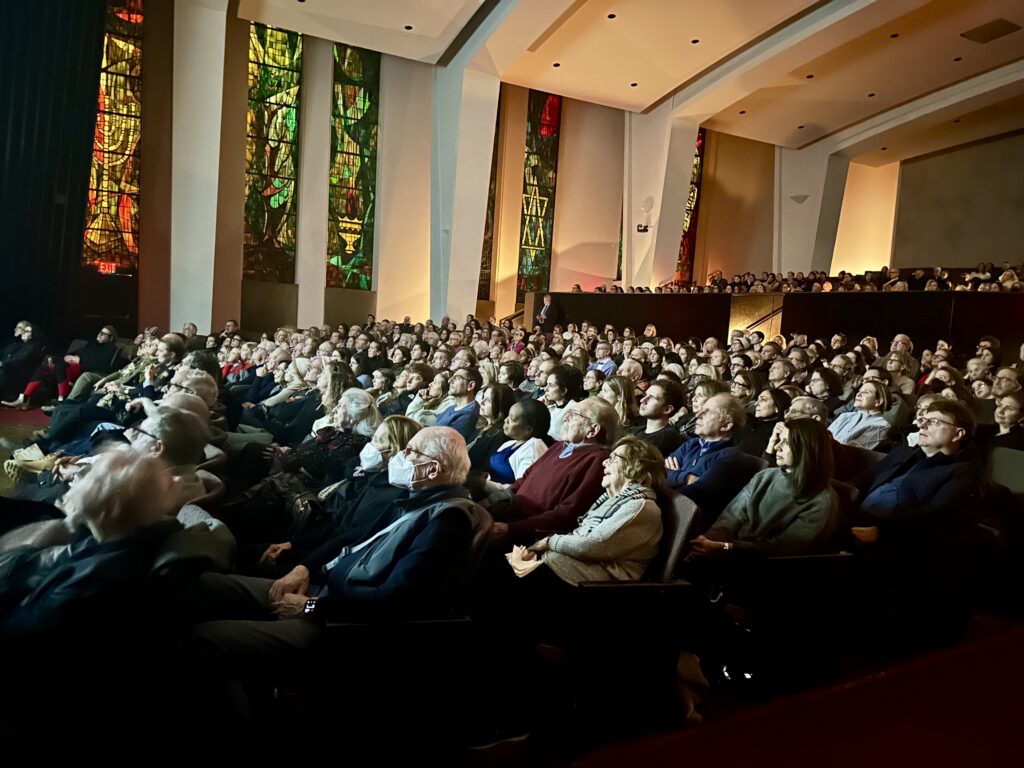
I am so grateful to have had the opportunity to work with author and producer Heather Dune Macadam and team to help organize a powerful event; a film screening of the award-winning documentary 999: The Forgotten Girls, in NYC earlier this week on International Holocaust Remembrance Day.
The film tells the gripping, little-known stories of 999 young Jewish women, mostly teenagers, deported from Slovakia on the first Jewish transport to Auschwitz in March 1942, after being misled into believing they were reporting for volunteer work.
We were able to fill close to 999 seats in the theater, one for each girl, and had an estimated four thousand viewers on livestream.
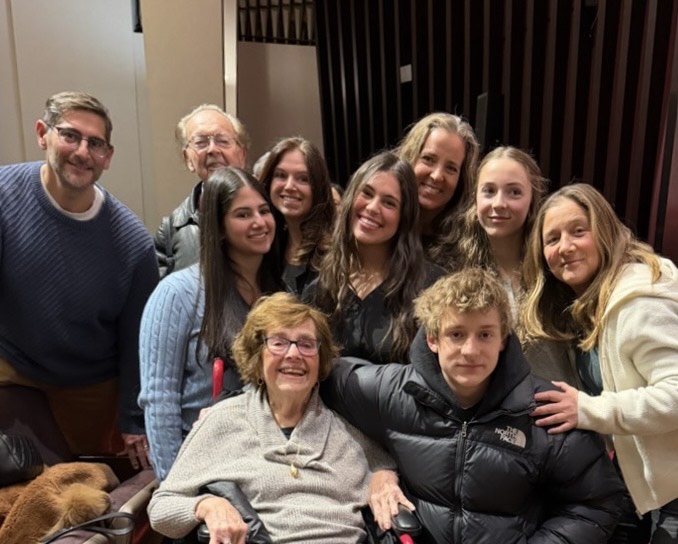
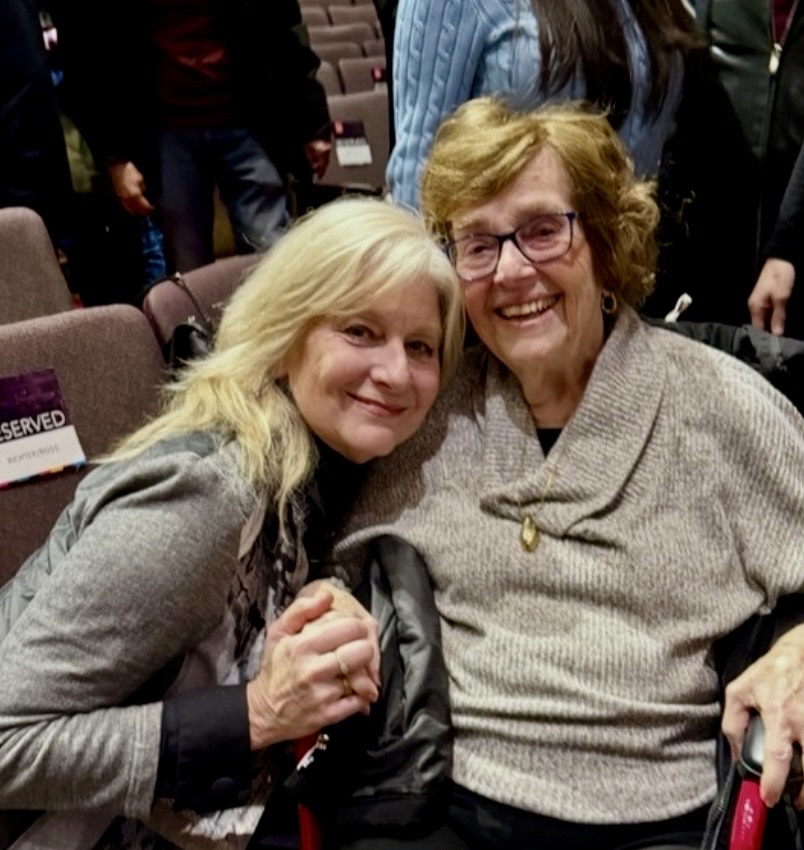
A panel discussion with film producer, teen leaders and descendants of Holocaust survivors, including Natalie as a leader and granddaughter of a hidden child survivor/ my mom Myra Genn, (who was also honored as one of only two Holocaust survivors in the audience) followed the film.
There was not a dry eye.
Focus was on bearing witness, resilience, kindness, education, and a promise to carry facts and lessons forward to better humanity.
I am heartbroken and inspired by the stories, proud beyond words of Natalie, and grateful for my mom’s recognition, resilience and continued light and love.