Supervision Matters

Supervision Matters

By Elana Paru

With tremendous gratitude for my active involvement in Young Judaea many years ago, I wanted to share this piece I wrote for the Wexner Foundation about why Supervision Matters so much in the workplace.  My experiences as a madricha at CYJ Sprout Lake and as a merakezet at CYJ Texas over 30 years ago helped shape my professional path.  Young Judaea taught me the importance of using my leadership skills and authority to invest in others.  Thanks to my family and extraordinary YJ role models, madrichim, and friends, I have devoted my career to treating people with compassion, integrity, and respect and leading with kindness and transparency. 

https://www.wexnerfoundation.org/supervision-matters/

After working as a professional in Jewish organizations for over 26 years, I have rarely come across an organization that has created and upheld a healthy and clearly defined culture of and standards for professional supervision across the entire staff and workplace.

Why is that?

The main reason is that supervision is commonly understood as one person with greater authority making sure that someone else has completed specific assignments and projects efficiently and in a timely manner. While this is certainly one important role that supervisors play, the process of supervision is so much more than task management and operations. Supervision is about developing a professional, collaborative relationship in which both parties share responsibility and feel accountable to one another as they both strive to meet the goals of their organization. Supervision is a skill and a craft – one’s title, salary, and professional portfolio do not automatically or universally make someone an effective supervisor.

So what does it take to be an effective supervisor? Among other things, supervisors should articulate expectations, goals, available resources, and provide direction and guidance to direct reports, who then apply knowledge, skills, and competency to complete the work. The most productive supervisory relationships are built on trust, confidentiality, support, constructive feedback, respect, safety, and self-care. Effective supervision is critical for employee retention, career advancement, productivity, and positive morale at work.

Interestingly, the most valuable supervision training I ever received took place years before I officially launched my career and accepted my first full-time job. The most rewarding culture of supervision I have been a part of was when I worked as a camp counselor and unit head for several summers during high school and college. As a part of staff orientation, I was asked to think about who I wanted to be as a camp counselor and how I wanted to “show up” for my campers. I had to make sure that my campers were fulfilling their responsibilities like making their beds, participating in activities, washing their hair, writing letters home, being respectful of others, and keeping track of their belongings. I had to find ways to hold them accountable for their actions and at the same time I had to let them be independent and express themselves authentically.

Just as professional supervisors engage with their direct reports, I was expected to get to know my campers by listening to them, caring about their well-being, helping them feel a sense of belonging, and encouraging them to be the best version of themselves. I focused on their interests, strengths, challenges, fears, accomplishments, goals, and interactions. When campers were asked to do something that was out of their comfort zone or made them feel insecure, I would guide them to try new things, ask for help, and believe in themselves. I felt responsible for making sure that my campers understood that putting forth their best effort was expected even though they would still make mistakes, let people down, and feel disappointed sometimes. My job was not to make things easier or more difficult for my campers, but rather to help them approach whatever they confronted with an open mind, fresh perspective, and a strong sense of self.

My role as a camp counselor was not only to help my campers effectively contribute to the camp community, but I was also positioned to serve as their advocate. I introduced them to new people beyond our bunk and age group, I recommended them for special opportunities at camp, and I supported them whenever I could. Just like a supervisor, there were challenging times when after multiple attempts to help a camper thrive and fit in and adhere to camp policies, I had to work with the camper’s parents and other staff to accept the fact that our camp was not the right fit for that child at that time. Being responsible for other people is challenging no matter where you work. But as I have learned, it can also be the most rewarding aspect of one’s job.

There is no doubt that effective supervision requires a lot of time at the start. However, designing a plan to thoughtfully supervise staff is crucial for the employee to succeed and is a direct reflection of the supervisor and the organization as a whole. Setting up direct reports for success from the outset most often results in a huge return on investment.

Over the last several years I have trained clergy, senior executives, and managers on how to be effective supervisors. I have also had the good fortune of training direct reports on how to maximize supervision experiences, how to establish strong relationships with supervisors, and how to navigate difficult conversations. Supervisees are often surprised to learn that they are empowered to drive the process to ensure an optimal supervision experience.

In addition to these distinct responsibilities of supervisors and supervisees, there are a number of joint responsibilities in supervisory relationships, including celebrating successes, identifying growth opportunities, documenting accomplishments, and sharing important information with one another. It is critical for supervisors and direct reports to establish guidelines for clear and open communication and to be strategic about how and when to share constructive feedback with one another.

In the current climate of remote work as a result of the Covid-19 pandemic, it is even more important for supervisors and direct reports to be transparent, direct, and communicative with one another. The absence of regular in-person interactions and hands-on supervision can be more challenging for everyone. It is particularly important for direct reports to be proactive in seeking information, understanding and managing expectations, and checking in with supervisors to ensure alignment. Both direct reports and supervisors should be careful not to act on assumptions, but rather on facts and truths. This may require more frequent and intentional communication than usual because there are no casual opportunities to run into someone’s office to get a quick reaction to something or an answer to a question. Over the past two years, I have seen many supervisory relationships shift in positive ways by creating a safe space for employees to honestly share how they are feeling and to be encouraged to take care of themselves. The more an employee feels seen, heard, and cared for by one’s supervisor and organization as a whole, the more likely that employee is to maximize value, performance, and overall impact at work.

What I learned at camp over 30 years ago continues to shape my thinking around supervisory relationships. It is no surprise that many of my friends and colleagues were once my counselors, camp directors, bunkmates, and campers. Supervision is not just a task but rather an opportunity to invest in someone’s growth and professional journey while ensuring that the work is getting done and organizational goals are being met. I am committed to helping organizations understand the value and impact of effective supervision and to embed it as a central component of their workplace culture. When this happens well, everyone involved is primed to be a happy camper.

Year Course’s First Social Entrepreneurship Hackathon

Year Course’s First Social Entrepreneurship Hackathon

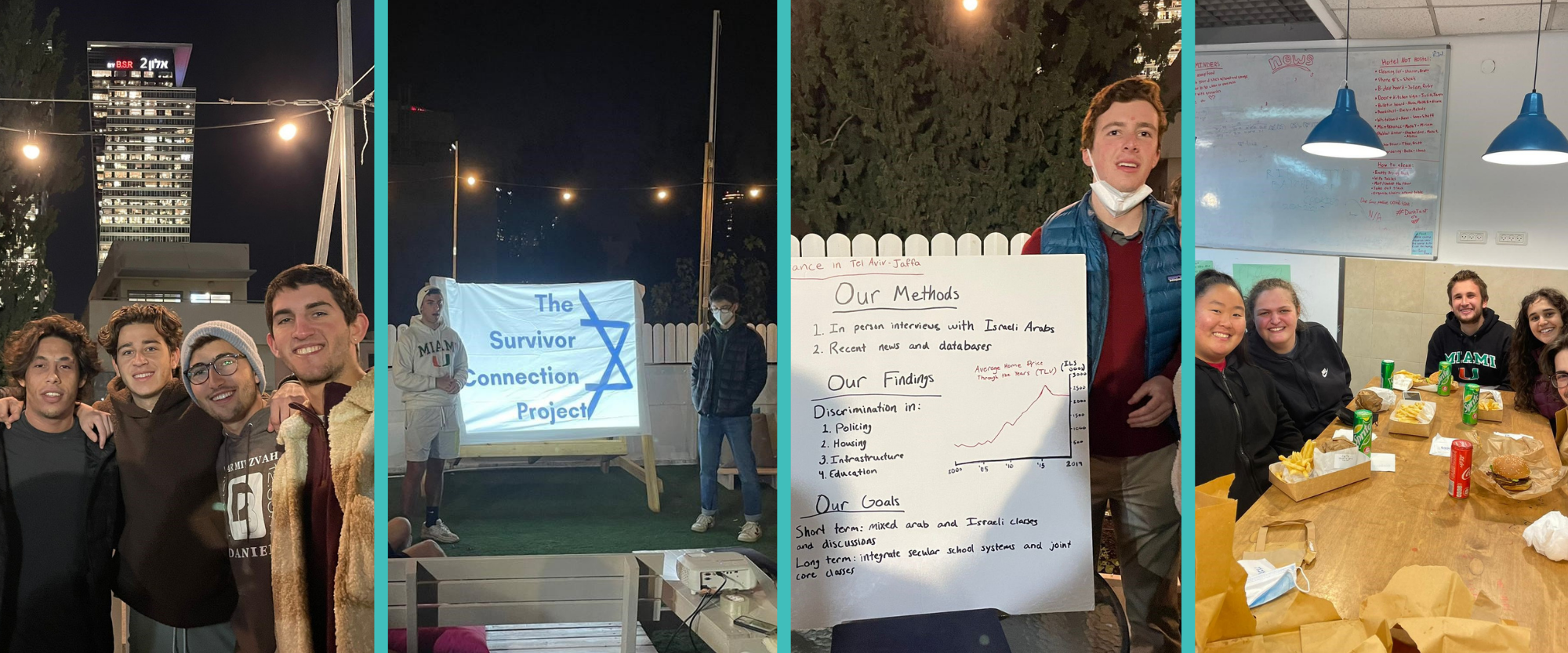
This January over a period of 10 weeks, the Yama (Tel Aviv based group) of Young Judaea Year Course participated in the very first social entrepreneurship hackathon! The topic of this years’ hackathon was how to make Tel Aviv a more accessible city for all.

After a full seminar day consisting of breakout groups, dialogue circles, and workshops, the group split up into teams. Each team was then tasked with creating a project proposal that aims to address a specific social issue.

Before getting started, the groups took to the streets to interview Tel Avivians, and find out what they loved about living in the city and what was a struggle for them. Groups received expert guidance and support from partners like Zevel Rebel, Aviv for Holocaust Survivors,  and Kasriel Kaye of the Michael Levin Base to talk about being the challenges of being a lone soldier.

Next Gen Young Judaeans Unpack Antisemitism

Next Gen Young Judaeans Unpack Antisemitism

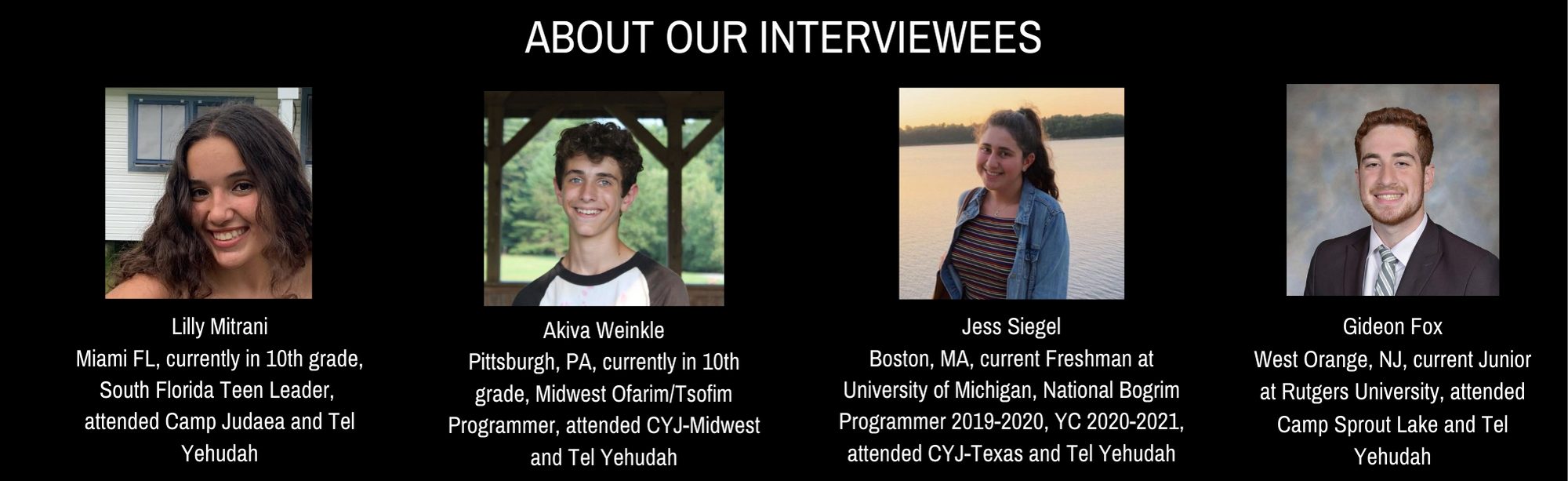
This Thursday, January 27 is International Holocaust Remembrance Day. It has been nearly 80 years since the Holocaust began, and yet we are experiencing historic highs in anti-Semitic attacks throughout America and the world. Given the recent events in Colleyville, Texas, we reached out to four Young Judaea high school and college students to hear their responses to the event, and how they feel about the current state of antisemitism.

ABOUT OUR INTERVIEWEES

In the recent hostage situation at Colleyville, the FBI claimed the motive of the hostage-taker “was not specifically related to the Jewish community” leading to an uproar in response from Jewish leaders. Do you feel the incident was anti-Semitic?

LILLY: Yes, I feel that this incident was blatantly anti-Semitic. You cannot claim for this attack to have “no connection to the Jewish community” while attacking and holding them hostage in their house of worship.

AKIVA: Yes, and I believe to say this attack was not specifically targeting Jews would be to ignore the context in which this hostage situation took place.

JESS: Yes, absolutely. The hostage situation was at a synagogue during services, so I definitely consider that as a targeted act of antisemitism.

GIDEON: Yes. In an area like Colleyville it is significantly harder to scope out a synagogue, then a church or any other community gathering place. Had the terrorist wanted to carry his attack he could’ve picked anywhere but decided on a synagogue. Additionally, he claimed he was trying to free someone who blamed Israel and the US for many irrational claims.

Some feel that anti-Semitic incidents are often downplayed or misrepresented by the media. Do you agree with this?

LILLY: Yes, I feel like anti-Semitic incidents are often overlooked and not addressed by the media.

AKIVA: Yes, we are seeing it in particular with this situation where media outlets are reporting this as a “hostage” situation. Suggesting that it is not actually a hostage situation when that is exactly what it is.

JESS: Yes. I think that although it’s important to address all hateful incidents, sometimes anti-Semitic acts take the backseat to other issues or are otherwise misconstrued.

GIDEON: I think it was portrayed accurately and the media did what they could. The issue falls on society who refused to open their eyes towards antisemitism. Additionally, the response by the Jewish community has been weak as some sects refuse to acknowledge the legitimacy of Reform Judaism. It is hard to change people’s minds when we can’t figure out things ourselves

According to a 2018 survey by the Conference on Jewish Material Claims Against Germany (the Claims Conference), young Americans are displaying an alarming lack of knowledge about the Holocaust. Nearly 1-in-2 (49%) of millennials asked could not name a single extermination camp. Do you feel there is a lack of knowledge about Holocaust among your generation? Is this cause for concern?

LILLY: I do feel like there is an alarming lack of Holocaust awareness in my generation, and it is a huge cause for concern.

AKIVA: Lack of knowledge on the holocaust is an issue that is not properly addressed. We must make sure that people are well educated and informed so that they may recognize bigotry and inflammatory language in all contexts, as well as being able to spot similar developments in their early stages in the future.

JESS: There is definitely a lack of knowledge about the Holocaust among young Americans, partly due to a lack of proper, comprehensive education across our schools’ curricula. This is especially concerning because it contributes to a society in which antisemitism is normalized and deemed as less harmful or urgent than other forms of hate, as well as erases an incredibly painful piece of history for our people.

GIDEON: Yes. Unfortunately the Holocaust is often viewed as just another unfortunate event that happened during WWII. As the number of living survivors shrinks, uninformed young people will know less and less.

Jews are consistently the most targeted religious community in the U.S. making up 54.9% of all reported religious crimes last year, yet make up only 2% of the population. Why do you think this topic is not more widely discussed amongst social justice activists?

LILLY: I think that because Jews are not a visible minority the hate crimes towards us are mostly overlooked. Whether or not you are targeted doesn’t only rely on your skin color or ethnicity.

AKIVA: Often times the American Jewish community is synonymous with Israel, and it happens to be that many of the activists are staunchly anti-Israel. Therefore leading to a situation where fighting antisemitism in America is seen as supporting Israel.

JESS: Again, antisemitism is normalized and deemed as less harmful or urgent than other forms of hate in our society. That being said, hate is hate. Social justice activists might not consider all religious crimes as equal if they are not educated properly on the history of antisemitism, or if they are desensitized to it themselves. Also, many people simply might not know Jewish people, and are therefore less inclined to care. This does not excuse or justify the issue, but it a potential explanation.

GIDEON: I feel as if the subject of Israel diverts attention. Some may feel as if condemning anti-Semitism puts them on one side of the Israel argument which is not true.

During May 2021’s conflict between Israel and Hamas, the (ADL) tracked a 75% spike in antisemitic incidents in the U.S. Do you feel that hostility towards Israel and hatred of Jews are closely intertwined?

LILLY: Yes, people directly relate the conflicts in Israel to Jews and constantly blame Jews for the actions and decisions of Israeli leaders.

AKIVA: As I mentioned previously it seems that the media and activists alike have linked American Jewry and the actions of the Israeli government. While this is a cause for lack of support for the American Jewish community it is also used as justification for anti-Semitic acts, by saying it is for Palestinian rights.

JESS: Yes. I think a lot of Americans equate being Jewish with being a staunch supporter of Israel and all of its actions, so they channel any hostility towards Israel/its supporters to Jews in general. This is a major problem because not all American Jews share the same opinions on Israel, and it is very possible to support Israel’s right to exist while still being critical of the Israeli government.

GIDEON: Sometimes yes and other times no. When it becomes ok to disparage Israel it becomes ok to hurt Jews. Other times I feel as if people can draw a line.

Do you feel there is a generational difference in how you think about antisemitism and how your parents/grandparents think about it?

LILLY: Yes, the older generations like my parents and grandparents have felt a different type of anti-Semitism then I have. More of the anti-Semitism today comes through more in a form of hatred and hostility towards Israel. Today anti-Semitism is heavily spread through “social activists” and misinformation on social media platforms.

AKIVA: Yes, my view on antisemitism focuses less on stereotypes that were common in spreading anti-Semitic propaganda in the past and more focused on broad statements that have strong underlying anti-Semitic feels to them. Also, to me being critical of the Israeli government is not something that immediately signals antisemitism while to my grandparents it does.

JESS: I feel like there’s a generational difference in how I think about antisemitism versus how older members of my family think about it because they are just closer to the events of the Holocaust and have direct relationships with people who lived during that time. Although it’s still an issue I care deeply about and think about a lot, there’s more of an emotional connection for my grandparents’ generation because they knew more survivors personally.

GIDEON: I think my grandparents felt like it would all go away after we got Israel. Now it’s a different type of hatred.

What do you think your generation can do to help combat the rise in antisemitism?

LILLY: Education, and awareness about the hatred that Jews face on a day-to-day basis.

AKIVA: I feel that one of the strongest ways to combat antisemitism is through building and strengthening your own Jewish identity so that when you face antisemitism it does not takedown your identity as a Jew.

JESS: We need to first educate ourselves, then educate others. Also, I think it’s important to make addressing antisemitism an ongoing conversation. There will always be antisemitism and there will always be work to be done, but that also means we should not shy away from being proud Jews and talking about our identities and histories.

GIDEON: Education. People want to learn about the issues and will be tempted to change their minds if they see the truth.

Young Judaean is ‘Mending Kids’ Around the World

Young Judaean is ‘Mending Kids’ Around the World

Humans of Young Judaea Feature, by Ayal Willner

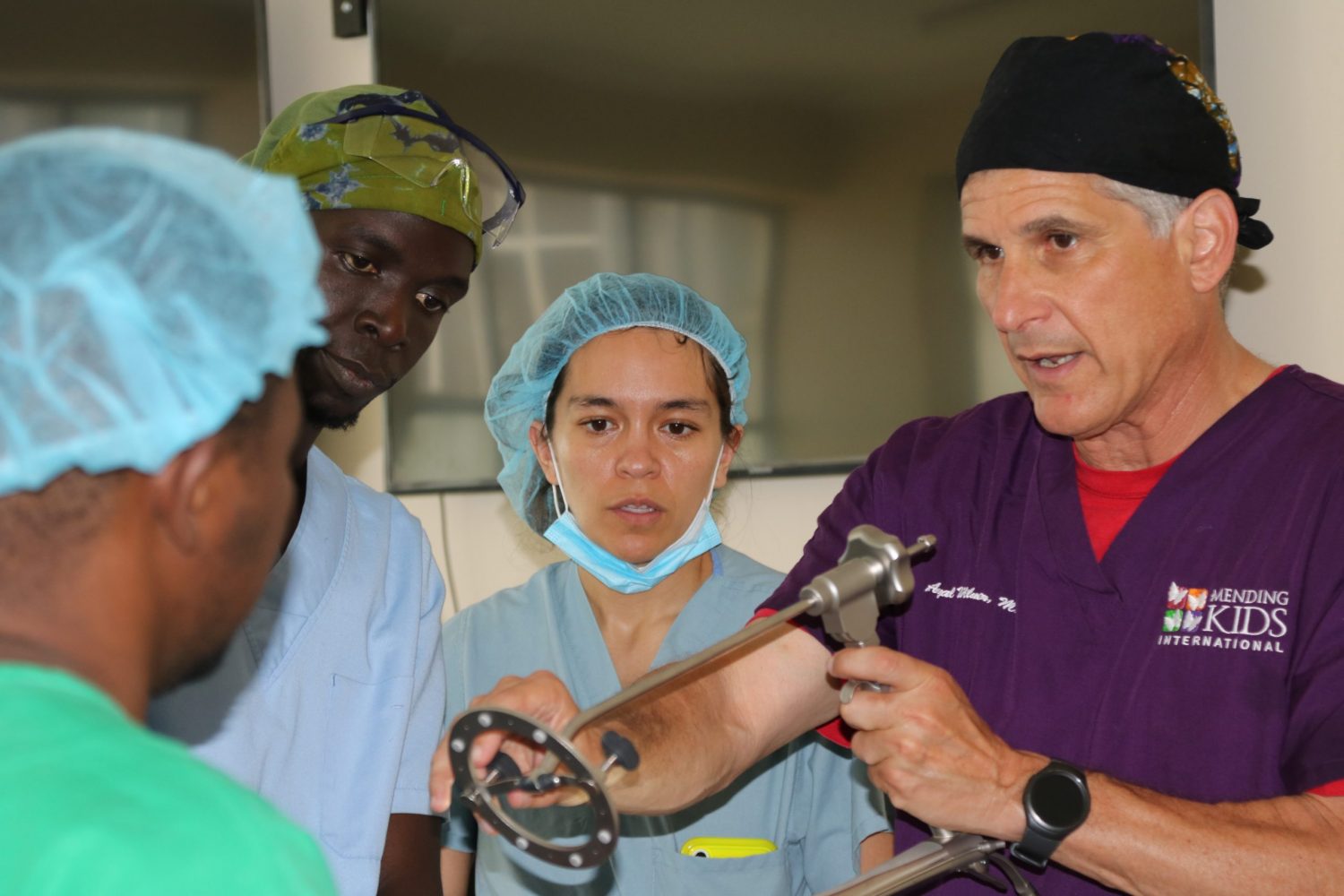
The values of Tikun Olam, the numerous lines in the Torah where we are enjoined to remember that we were once slaves in Egypt and to treat people well, along with the sayings of the prophets about taking care of each other, are all values that Young Judaea holds dear and imprints upon all who participate in the movement.  While I have always been involved in giving back to my community, I decided to step up my game in 2013.  As a Pediatric ENT doctor, I searched for a way to use my skills and experience (yup, I’m old enough to have a lot of that!), to find my corner of the world and fix it up as best I could.

I found Mending Kids, an organization whose goal is to provide medical care for children in need.  We do this by sending medical missions and sometimes solo surgeons to places where care is difficult to get, and by arranging for patients to be sent to centers of excellence to get the care they need. This is very often on different continents from where the patients live (including a partnership with Israeli hospitals). We also bring education to physicians around the world via teleconference symposia on many topics. Mending Kids has a yearly Hometown Mission, where kids from the LA area and beyond can receive care that they would otherwise have not be able to receive.

With Mending Kids, I have travelled to Guatemala about fifteen times and to Tanzania three times. In Guatemala I have led fifteen member surgical teams where I’ve treated about 100 patients and performed over 100 surgical procedures in one week.  Some cases are relatively straightforward, while others can be very complex requiring staged operations over many yearly missions to achieve the goal of helping one particular child.  Each one of the kids and their families are always so grateful for the care they receive, and each member of our team is grateful to them for allowing us to make the world just a little closer to whole.

In Tanzania, where there are physicians are eager to learn, but where surgical equipment and training is in short supply, the Mending Kids team brings both.  Mending Kids recently arranged for a $60,000 set of airway surgical instruments to be donated by the Karl Storz company to the Bugando Medical Center in Mwanza, Tanzania. Over the last two missions to Mwanza, we delivered the instrumentation as well as trained the residents and attending staff on proper use of them by performing surgical cases together. We are working to secure the necessary surgical instrumentation that will be required for our ultimate goal: to have a self-sustaining program where the surgeons we train will go on to create a pool of ENT physicians that serve the 15 million people served by Bugando Medical Center.

My years in Young Judaea from 7th grade chanich, 2 years at TY, Year Course ’79-’80, through being a madrich for the UNYS region and at TY, have all brought me lifelong friends, and helped me integrate Jewish Values into my very core. I am now a YJG board member; an opportunity to give back to such an important piece of myself, Young Judaea.

A Pioneer of YJ: Remembering Yocheved Herschlag Muffs

A Pioneer of YJ: Remembering Yocheved Herschlag Muffs

Reposted from the Jewish Women’s Archive by Diane M. Sharon.

After illegally immigrating to Palestine, Yocheved Herschlag Muffs began her career of Zionist activism managing a kibbutz kitchen and serving as a messenger during the War of Independence. In 1949 she returned to the United States and began working for Young Judaea, both as a group leader and writing and editing program guides for other leaders. Her life’s work was with the Anti–Defamation League from 1964 to 1993. Over the course of her 36 years at the ADL, Muffs challenged inaccurate depictions of Jews in dozens of major textbooks and reference books, helping to reshape attitudes towards Jews.

During much of her tenure (1964–1990) at the Anti-Defamation League (ADL), Judith Herschlag Muffs worked with major book publishers to correct inaccuracies in their accounts of Jews and Judaism. Stressing accuracy and objectivity, she succeeded in modifying dozens of textbooks and reference books. Today, inaccurate depictions of Jews have been largely eliminated from educational materials.

Family and Education

Muffs was born Judith Herschlag (Yocheved is her Hebrew name) on August 5, 1927, and grew up in Jamaica, Queens, the youngest of three children. Her father, Alexander Herschlag, and her uncle jointly owned a wholesale bread bakery. Her mother, May (Friedman) Herschlag, a homemaker, died when she was thirteen years old. She attended Hebrew school, which she loved, and where, when she was about eleven years old, Ha-Shomer ha-Dati, a religious kibbutz-oriented Zionist youth group, performed at a holiday celebration. She joined, became religious, and her life was changed.

In early 1946, she dropped out of New York University and went to the Ha-Shomer ha-Dati training farm in upstate New York, where she learned to cook, mix concrete, and milk cows. In 1947, when she was nineteen, she immigrated illegally to British-controlled Palestine, arriving by unconverted World War II troop carrier within a day of the famed Exodus ship, which carried over forty-five hundred survivors from Nazi Europe to Palestine.

Early Career

She settled with her garin [aliyah group] at a kibbutz, where she eventually became kitchen manager, preparing meals on primus stoves and stretching meager food supplies. The kibbutz fought off several Arab attacks during the Israeli War of Independence in 1947–1949. Judith Herschlag served as a messenger during times of alert, learning to throw grenades and to shoot.

Shortly after her return to the United States in late 1949, she started to work for Young Judaea, an educational movement for Zionist youth. She first served as a group leader and then, beginning in 1954, as national program director. Eventually, she wrote five volumes of “Judaean Leaves,” a program guide for group leaders.

While she worked at Young Judaea, she returned to university studies, attending Queens and Brooklyn colleges. Completing her BA degree in sociology in 1952, she went on to do graduate work in sociology and anthropology at New York University.

In 1959 Muffs went to work for the United Synagogue Commission on Jewish Education, an organization that sets policy, develops courses and objectives, and prepares text materials to implement curricula for Jewish religious schools. There, she was editor of a variety of books and publications, including five volumes of Our Age, a biweekly for high school students.

Anti-Defamation League

While at the Anti-Defamation League, Muffs organized and participated in countless interfaith seminars and institutes at Christian seminaries and universities from the 1960s through the 1980s. In the late 1960s she co-produced the ADL–Catholic Archdiocese of New York twelve-part television series The Image of the Jew in Literature and Jews and Their Religion, featuring, among others, Elie Wiesel and Yitz Greenberg. Her study in the 1970s, “Jewish Textbooks on Jesus and Christianity,” appears in the Vatican publication Fifteen Years of Catholic-Jewish Dialogue (1988). In the 1980s she was on the task force of the National Conference of Catholic Bishops to develop and promote an accurate account of Jews and Judaism in Catholic education.

In 1970, she married Rabbi Yochanan Muffs, Distinguished Service Professor of Bible studies at the Jewish Theological Seminary of America. The couple had an apartment in Jerusalem, where they spent part of every year; Muffs had both American and Israeli citizenship.

Muffs was a consultant and a contributor to numerous books, films, and television documentaries on the Holocaust. Her The Holocaust in Books and Films: A Select and Annotated Bibliography has been published in three editions since its initial publication in 1978. She also co-wrote and acted in the ADL presentation of Women vs. the System, produced by ABC-TV.

Muffs considered her work at the ADL a continuation and expansion of her earlier commitments to Judaism, interfaith understanding, and civil rights. At the ADL she served as director of special projects, associate director of interreligious affairs, director of research and curriculum, and associate director of publications. She retired from the ADL in 1993 and continued to consult for them on major projects. In1994 she became a volunteer researcher at The Jewish Museum and was active in the Volunteer Association.

Throughout her entire professional career, Muffs strove to promote love of Judaism among Jewish young people and understanding of Judaism among those of other faiths.

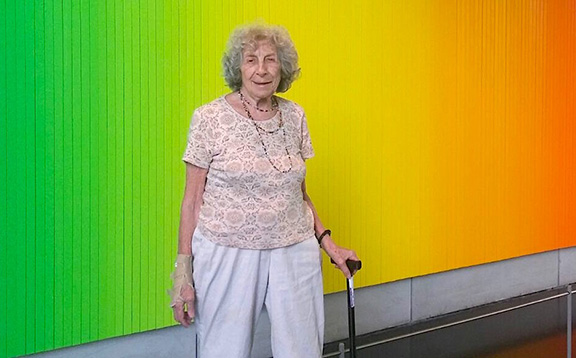
Muffs died on December 31, 2021.

Year Course 1971 Reunites 50 Years Later

Year Course 1971 Reunites 50 Years Later

By Fanny Korman, Cyndi Schoenbrun, and Steven Rubinstein Year Course 1971

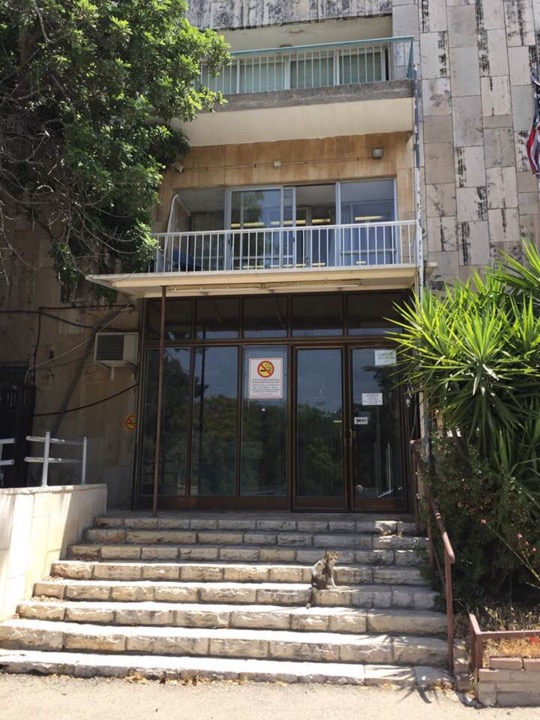
On September 22, 1971, over 70 Young Judaeans boarded an El Al charter plane with one carry-on and one large piece of luggage enroute to Israel to begin their Year Course program. They landed in Ben Gurion the next day, on September 23. Their luggage, shipped by boat, took over one month to reach them at Beit Riklis their new home on Mount Scopus, Jerusalem.

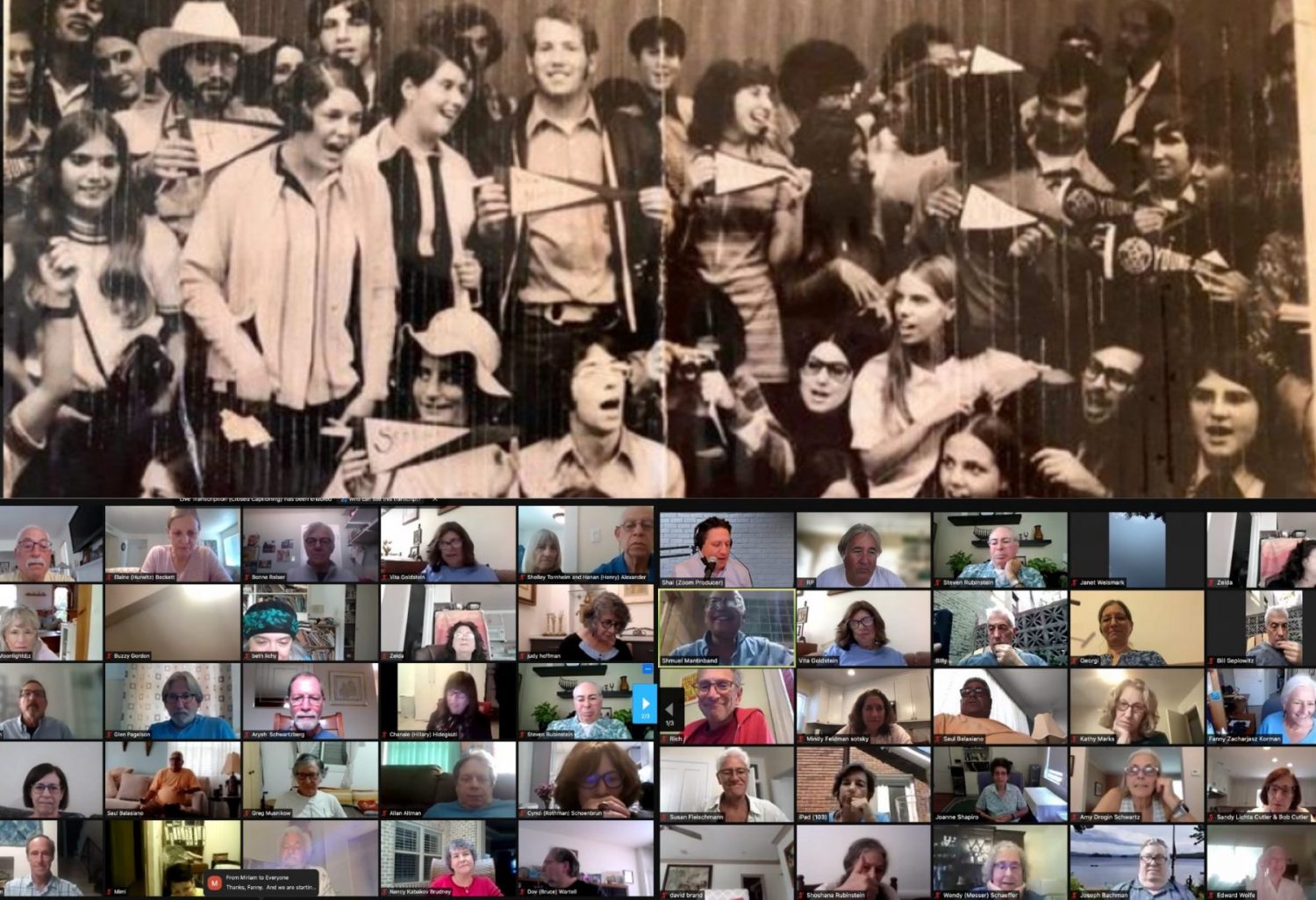
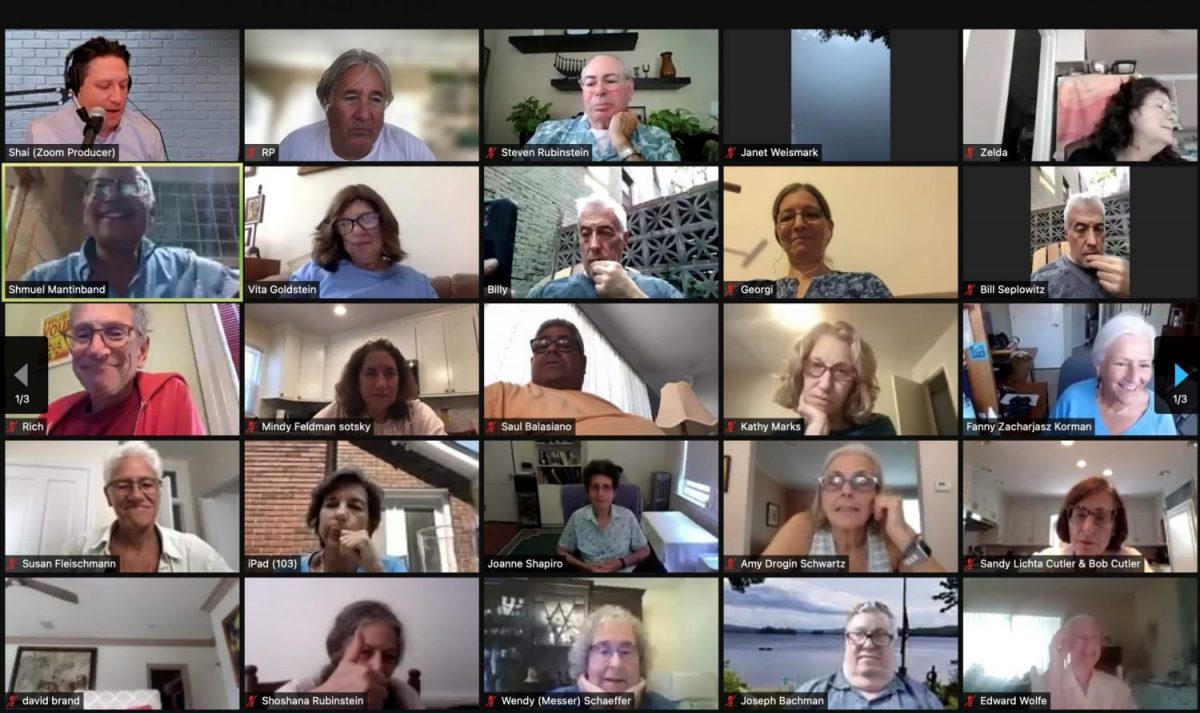
Almost exactly to the date by the Hebrew Calendar and 50 years later on September 12, 2021, 59 of our chaverim and madrichim living in 8 different time zones from California to Israel connected on Zoom to kick off a joyful celebration of this very special anniversary! Then and now, Young Judaea Year Course program is one of the top gap-year programs in Israel, run by the oldest Zionist youth movement in the United States.

The 1971-72 group was to be the last single track Year Course.  It was a relatively peaceful and unique year, only four years since the 6-Day War and two years before the Yom Kippur War. Located on Mt Scopus, Beit Riklis was located across the road from the new campus being built for Hebrew University. Members of that Year Course had access to numerous locations that are only visited these days by a select few and under heavy guard. They were able to freely travel to and from Beit Riklis to the Old City through East Jerusalem; the trek by foot to the Kotel through the Arab quarter was a popular activity on Shabbat. For example, this lucky group was able to visit the Dome of the Rock and explore the site and visit the mosque without any concerns for their safety.

The celebration began with a message from Joe Wernick, who just celebrated his 80th birthday and was Year Course director at that time. He was followed by Adina Frydman, CEO of Young Judaea Global, who shared some warm remarks. Year Course participants were fortunate to be joined by madrichim Buzzy Gordon, Bonne Reiser and Alan Hoffman.

The event started with a slide show compiled from photos taken by and sent in by Year Course chevrei; roommates, friends, classmates, involved in educational activities, tiyulim, working on kibbutz and moshav, holiday celebrations and of course chofesh – life as it happened – during the 10-month period when this group resided in Israel, not as tourists but as students and members of a community.

A special commemorative segment paid tribute to the six chaverim that passed away sometime within the past 40 years. The connection to each other and the deceased chaverim was felt deeply as was demonstrated by the moving comments made following the tribute.

Everyone took part in breakout rooms, taking the opportunity to figure out where the last 50 years has gone and more importantly recalling the impact Year Course had on their lives then and now. The opportunity to schmooze informally was truly a highlight. It left this group of Judaeans clamoring for more time to reminisce, remember and reconnect.

It took many volunteers and a big effort to make this event happen successfully. All who participated in the planning and creation of the various aspects for the celebration gave of their time with love and gratitude for the privilege of having attended Year Course 1971-72. Plans are now being made for follow up events to continue celebrating the 50th anniversary year throughout the next few months!

Montana Torah Finds a New Home at CYJ-Texas

Montana Torah Finds a New Home at CYJ-Texas

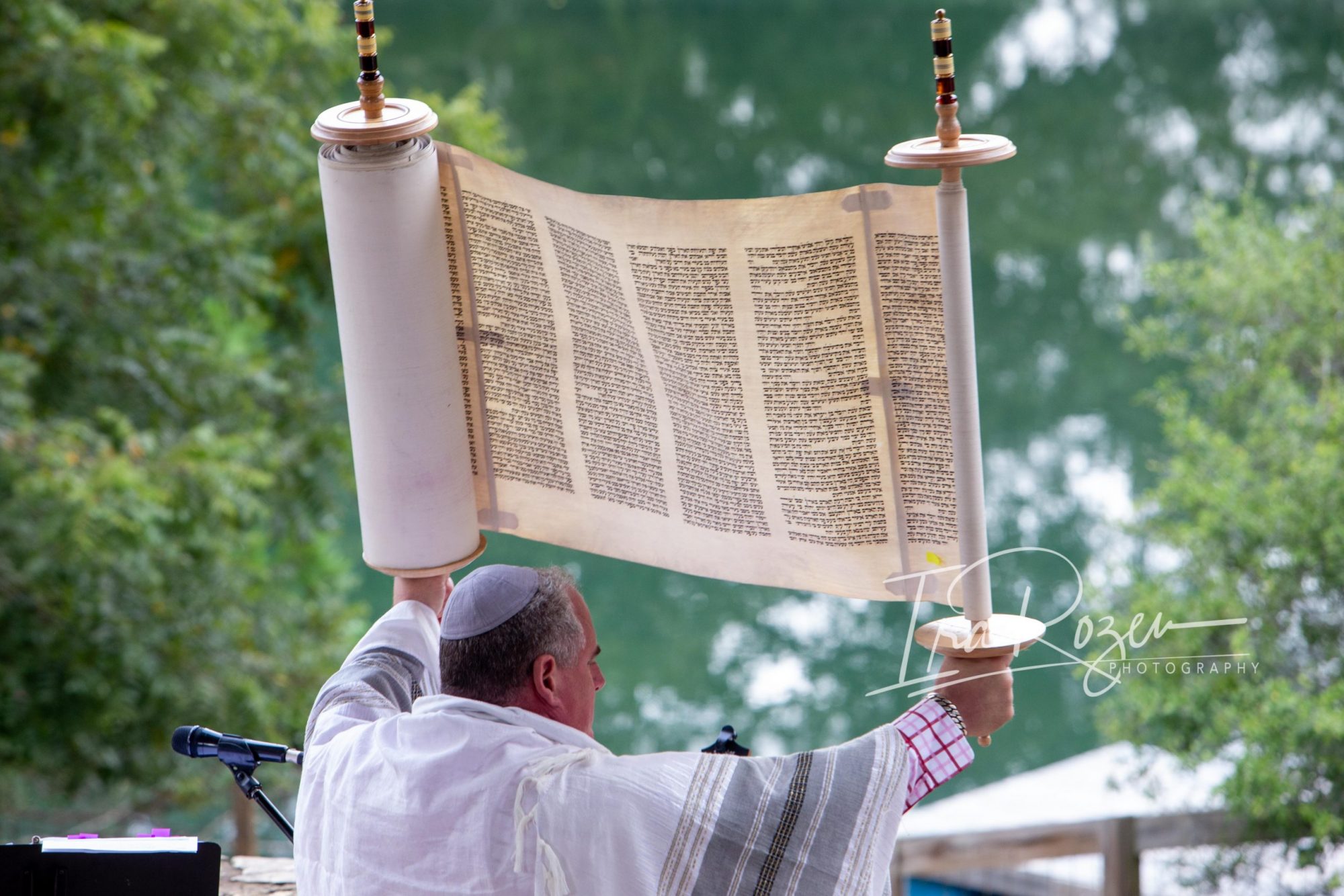
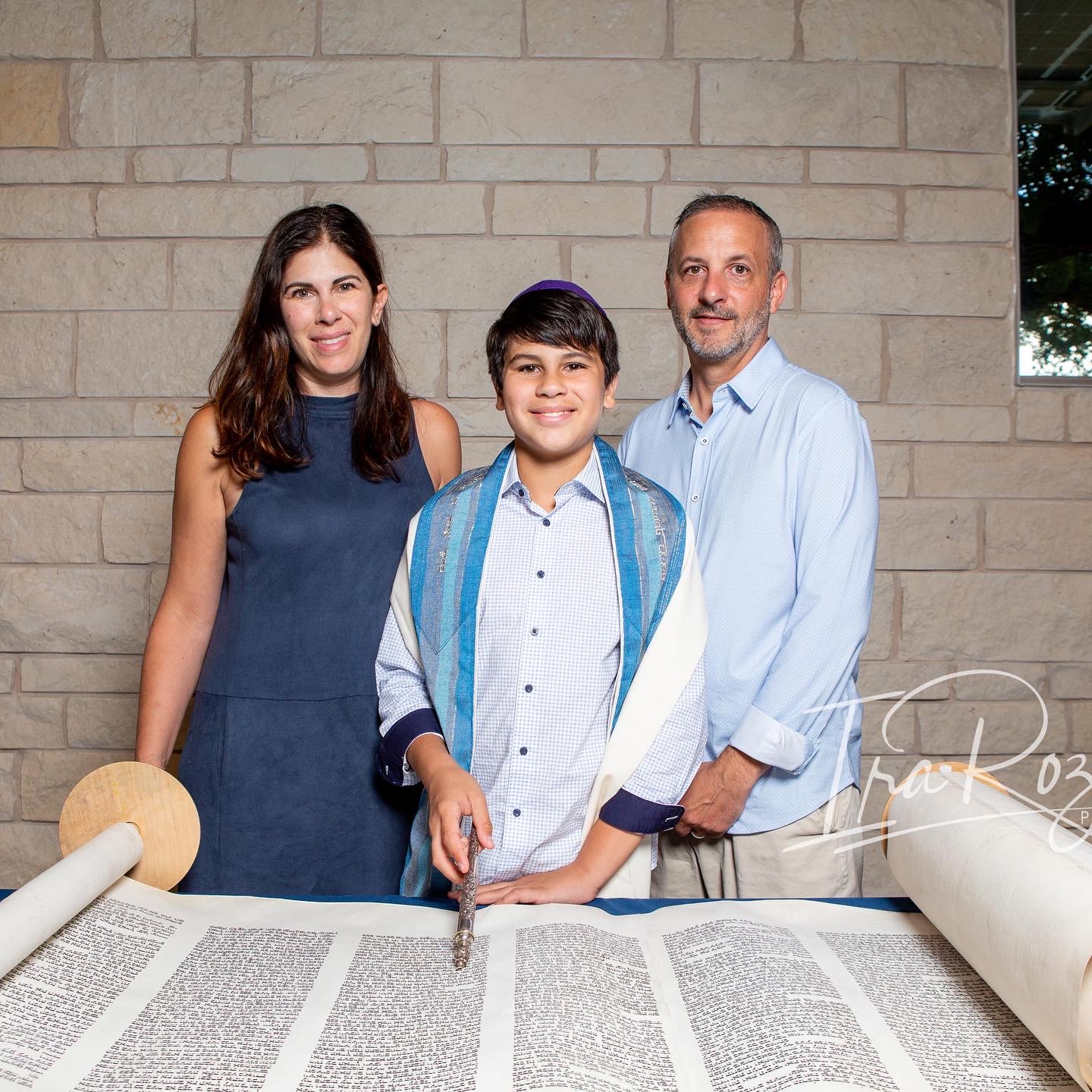
Camp Young Judaea-Texas is now in possession of their very own Torah, and it’s from Butte, Montana! Thanks to the Jewish Community Legacy Project, an organization that among many things, works to find homes for ritual objects that are no longer in use, CYJ-Texas was given the incredible gift of a Torah to use throughout the summer and on special occasions like the recent bar mitzvah of Jack Wallace that took place at camp. Through work with the staff of JCLP in her previous position at UJA-Federation NY, Young Judaea Global CEO, Adina Frydman, was able to help make this ‘shiduch’ between the organization and CYJ-Texas. One closed congregation’s Sefer Torah has now became part of the story of the vibrant camp community that is CYJ-Texas. The connection with this congregation has made it possible to continue the mesorah (tradition) for another generation to come!

Jack Wallace reads from the donated Torah at his Bar Mitzvah at CYJ-Texas on October 2, 2021.

Year Course ’21-’22 Update!

Year Course ’21-’22 Update!

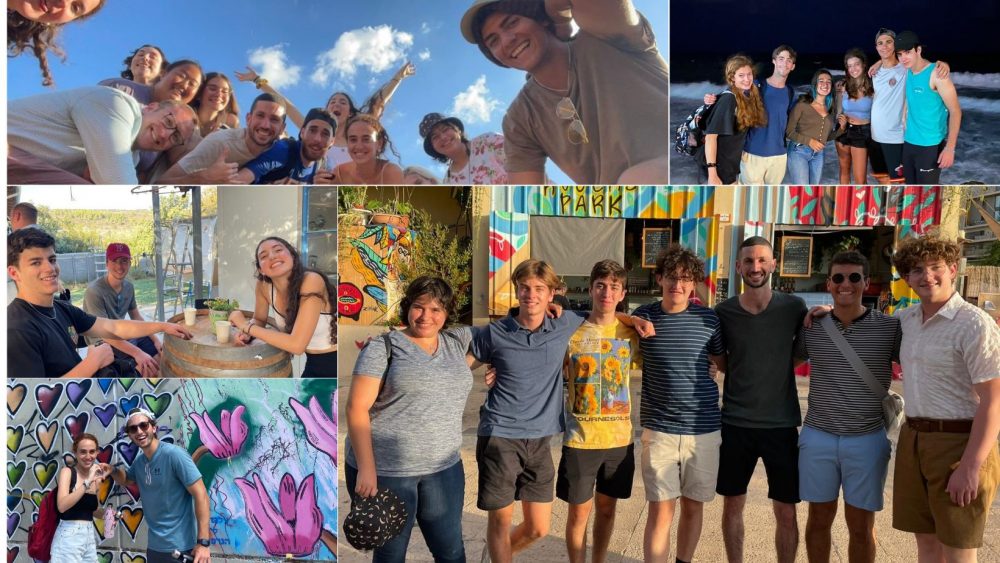
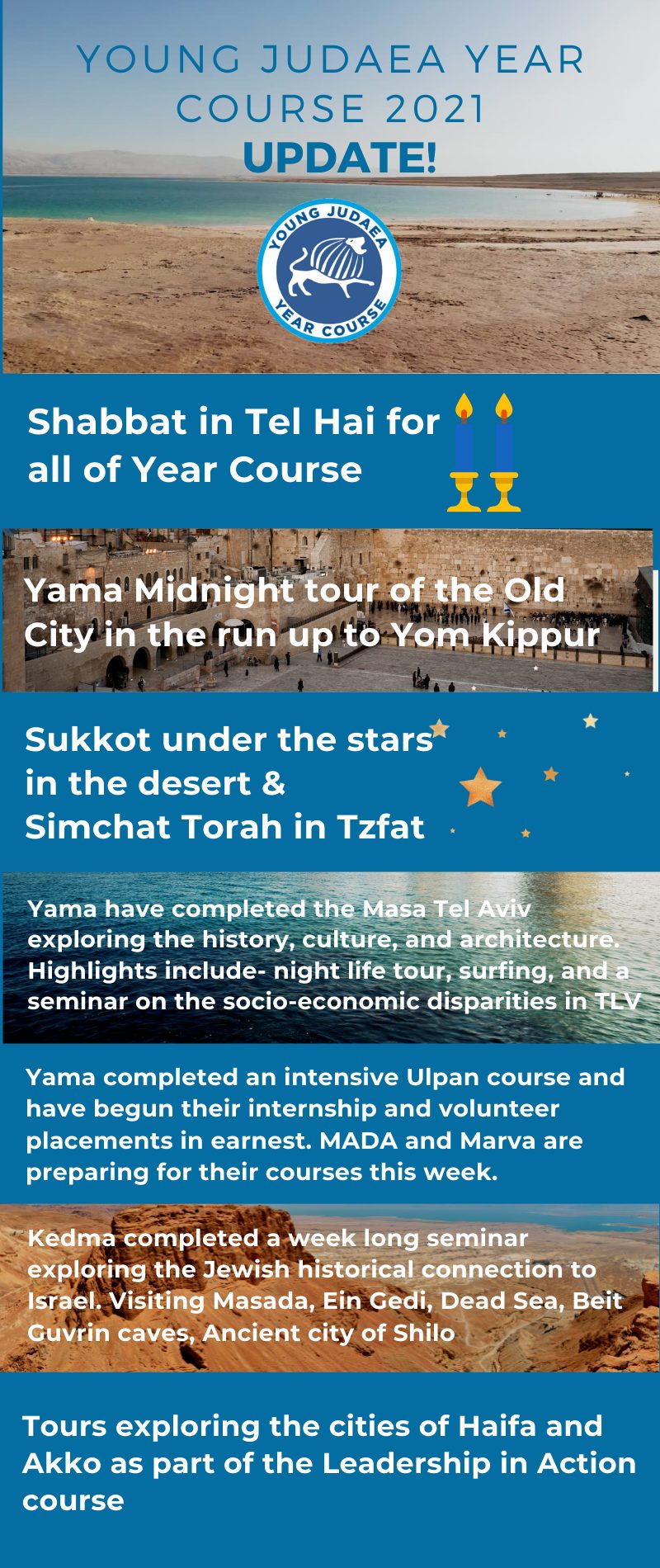
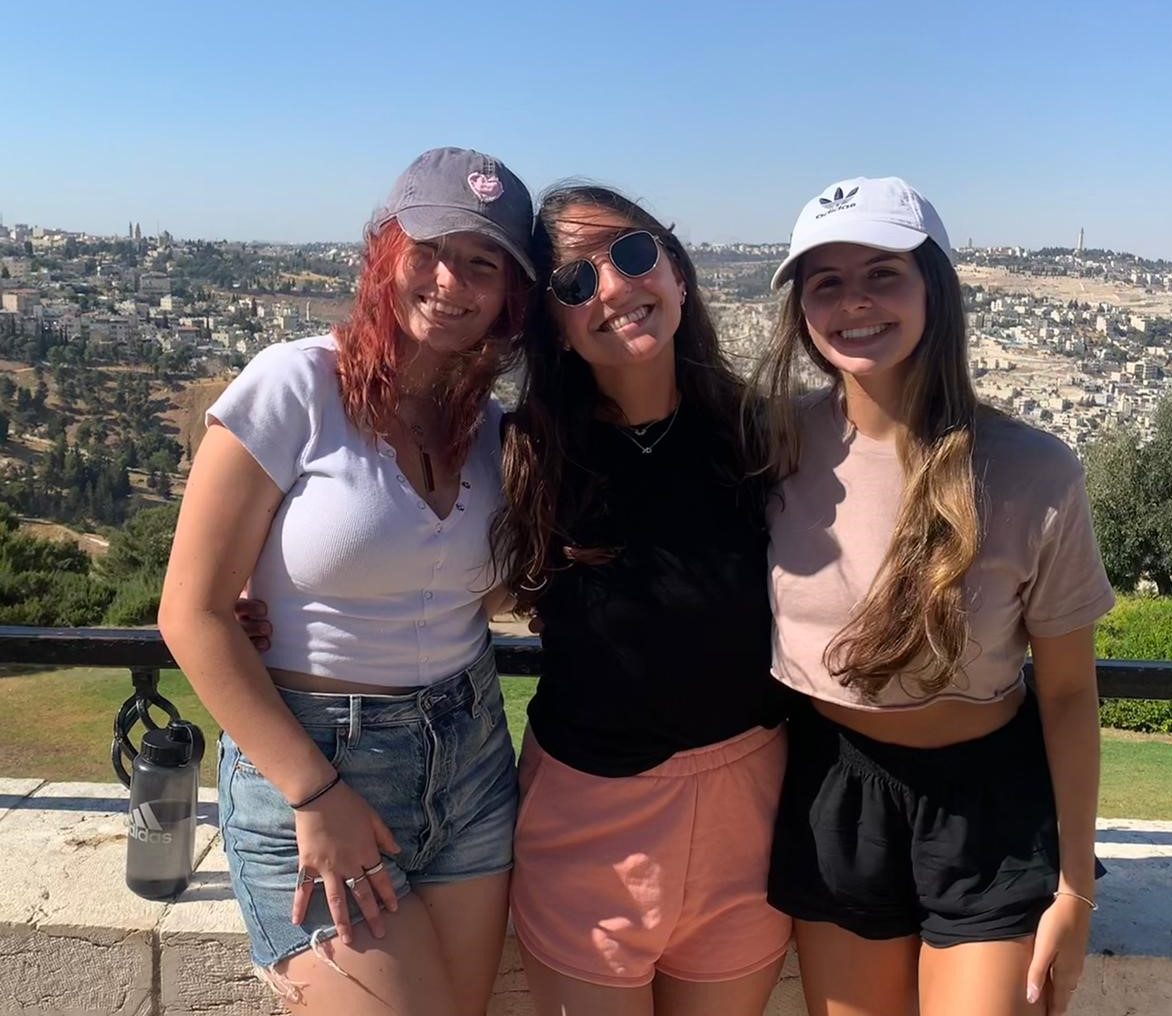
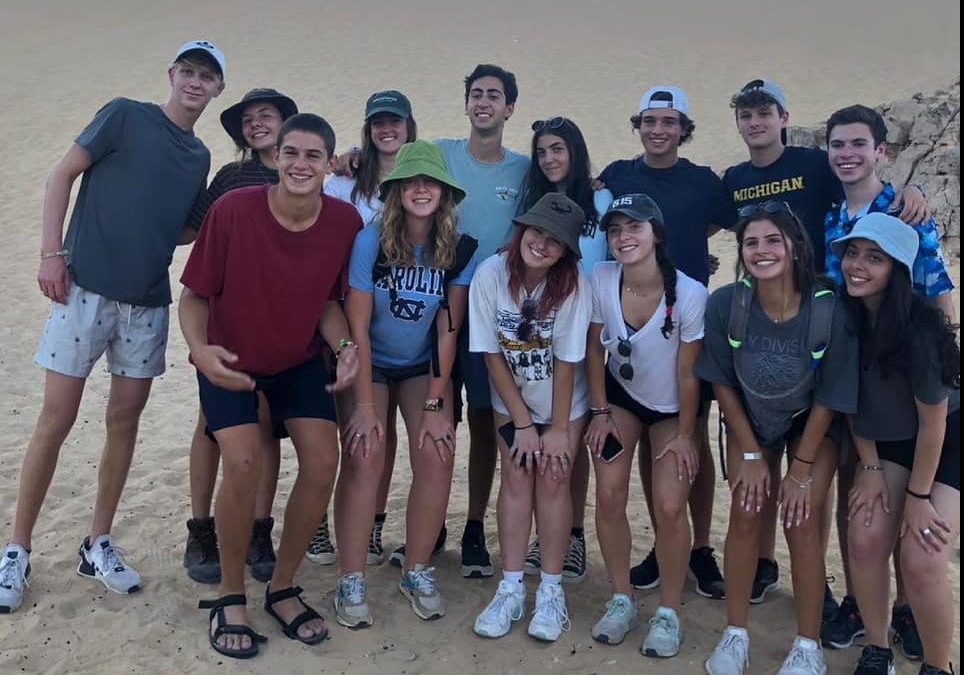
Year Course 2021-2022 has been in Israel for a little over the month and they’ve been busy! Check out what the group has been up to:

We Were All Once Refugees, My Gesher Reflections

We Were All Once Refugees, My Gesher Reflections

Written by Liberty Lebos, 2021 Leaders of Tomorrow for Young Women Award Winner. This award is issued by Hadassah, the Women’s Zionist Organization of America

It was in the gift shop at the African Women’s Refugee Collective, Kushinate, that the feeling of what Tikkun Olam is really hit me. As I wandered around the shelves, I noticed that the words, “We Were All Once Refugees” were printed on all of the tags of the purses, baskets, and other crocheted items. Money from the items that are sold is used to support and help new immigrants, and this slogan made me think about how everyone, including Jews, have always needed to help each other.

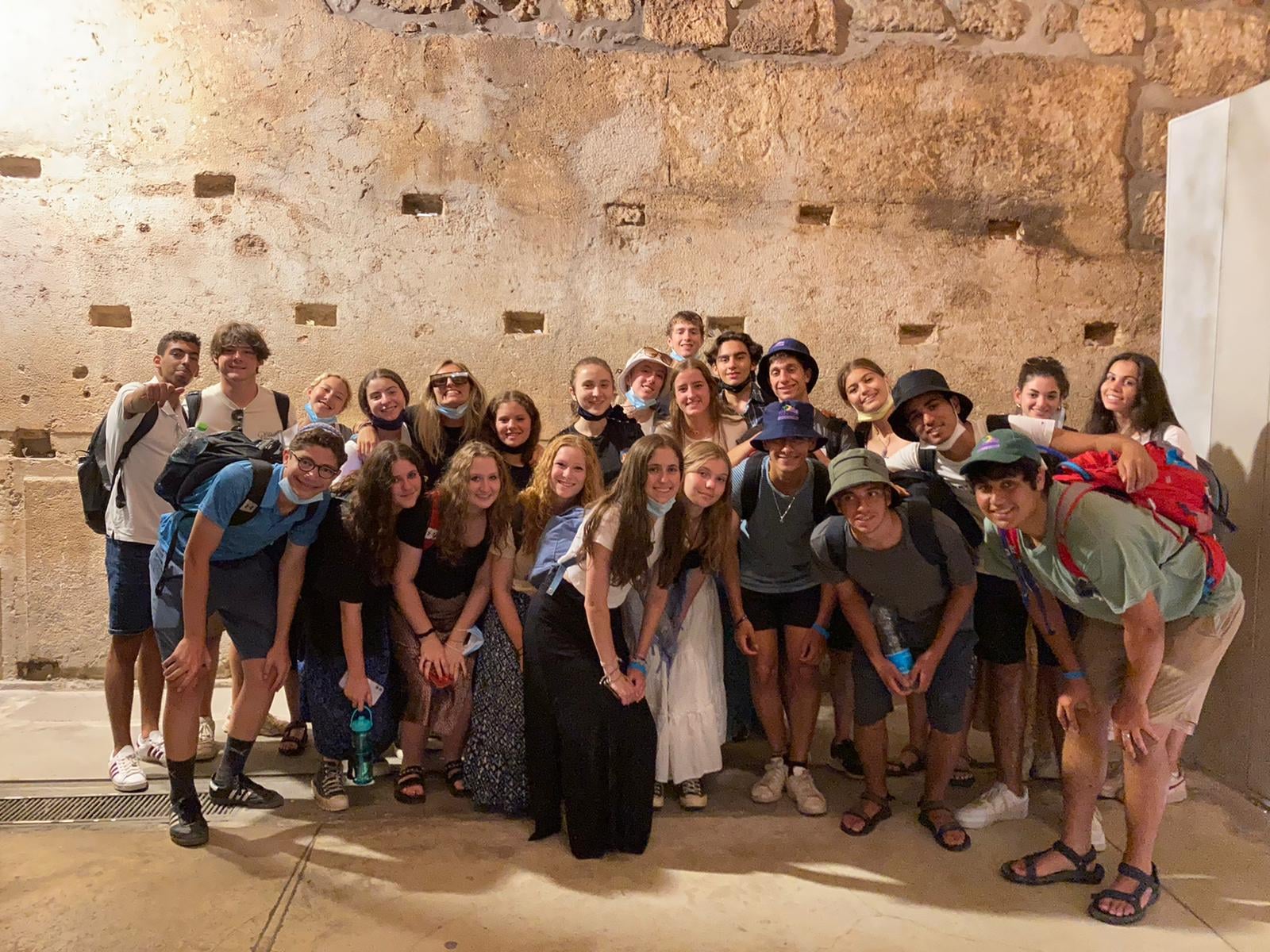
You might think I would feel the most Jewish when I was standing at the Western wall putting in my prayer next to a hundred Jewish women doing just the same, but really it was underneath the Old City along the Kotel walls that I felt most connected to my Judaism. In the tunnels beneath modern life, I felt keenly aware and grateful of my ancestors who traveled along these walls so many thousands of years ago.

During my tour of the Kotel tunnels, my group and I were fortunate enough to view a new archaeological discovery that had only been released to the public three days before our arrival. The Corinthian fountains mounted on the wall were especially interesting to me, and I was so fascinated by the many things that we are still discovering today. Afterwards, when we made our way through the rest of the tour, we were brought to the holiest place I ever stepped foot in: A section of the western wall that had been the closest in proximity to the old Temple, the Holy of Holies.

One of the many ways that I found to connect me to my Israel experience and Jewish identity was spending time with the people I was with and doing this journey with them. Whether it was floating in the Dead Sea or hiking up Masada at 5am to get to the top just in time for sunrise, doing it with these friends by my side made this trip so incredible. Having Jewish peers is strongly important to me as we help each other reflect the values of our faith.

But it was in the everyday interactions with different kinds of Israelis that I feel like I understood what it means to help repair the world as a good Jew. When I thought about the phrase, “We Were All Once Refugees,” it brought home to me the journey that my ancestors made through the Negev to the Holy Land, through the Diaspora, to my family, and this opportunity to walk the lands of so many that have come before me. None of them could have done it alone. We all receive help along the way, and we all have to help each other. My time in Israel is something that I will never forget and though I hope to return some day, I bring the lesson of looking for ways to repair the world and help others no matter where I go.

Reinvigorated with a New Sense of Self on Gesher

Reinvigorated with a New Sense of Self on Gesher

Written by Sabrina Skolnick, 2021 Leaders of Tomorrow for Young Women Award Winner. This award is issued by Hadassah, the Women’s Zionist Organization of America

My first trip to Israel was with my family at the age of six. Given my young age, I was not able to understand or absorb the special history, tradition, culture, and rich heritage of the Jews from all over the world who built the land of Israel from a Zionistic dream. Visiting Israel as a young adult of 17, knowing that my grandparents wanted to live there after surviving the camps, knowing that my great uncle fought in the Irgun, Israel has become so much more than another country. It is my homeland. From the memories of laughter to learning from the top of Masada to exploring King David’s tunnel with some of my closest friends, my Gesher experience has reinvigorated me with a new sense of self, further connecting me with my Jewish identity.

Although I was raised in a conservative Jewish household with traditional values, Judaism felt distant to me, almost as if I had yet to experience the full extent of what it means to be Jewish. So, when I boarded the plane headed towards Israel, I took a step back because I knew that this was the beginning of a new chapter in my life. This summer, I felt connected to something larger than myself. I formed real friendships that will hopefully last me a lifetime, and I went to activities led by madrichim who genuinely cared about creating a positive Israel experience. Every Havdalah, I would look around to see the faces of teens my age with similar stories mesmerized by the community we had built together, while we sang our hearts out to the timeless songs of Young Judaea. This trip to Israel provided a break from the stresses of my life (SAT/ACT exams, the college application process, etc.) while offering the appeal of a “safe space,” free of judgment, where — after 18 months of lockdown — I could “just be Sabrina.”

The daily rigorous activities on the Gesher Tour provided us, as individuals and as a group, with joy and emotional nourishment, with kinship and friendships, with relaxation and intellectual stimulation. From daily hiking to visiting many historically significant sites, some of my favorite memories were formed during the not-so-physical activities such as a deep conversation with someone I had just met by the campfire, to the day we spent at Aqua Kef, feeling free in our homeland. This trip expanded my mind, inviting new outlooks and perspectives that no textbook could teach me. On the whole, I have taken away a newfound sense of pride, understanding that being a Jewess means representing and supporting Israel and my history, taking a stand whenever possible against antisemitism.

We spent the last week in Tel Aviv, realizing that our trip was almost at its end. Nevertheless, it was filled with laughter and excitement. On the last night, there was a tone like no other. Unanimously, we were exhausted but emotionally content with our journey, so we celebrated our experience with each other, and thus I can only describe the last night as a perfect end to a perfect trip. Coming off from the plane from Israel was a surreal experience for me; now, I can say wholeheartedly I have never felt so connect to my Jewish faith.