
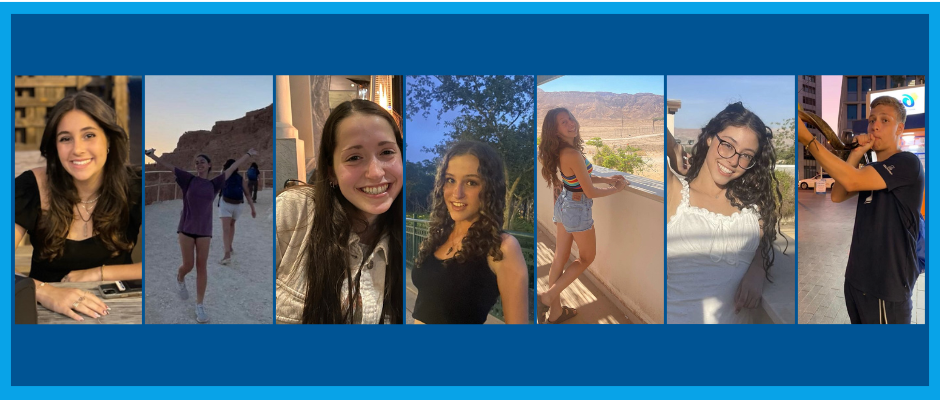
Meet the 2022-2023 Mazkirut!
Baylee Krulewitz, National Mazkira
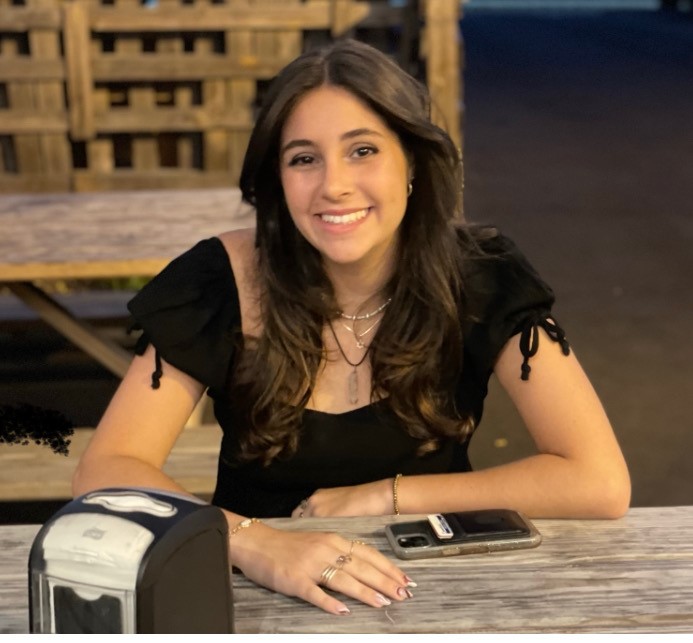
Hi! I’m Baylee Krulewitz and I’m from West Hartford, Connecticut. As National Mazkira, I hope to give back to the movement that’s provided me with the friends and memories of a lifetime. I’ve been involved in Year Round YJ for three years now, but I’ve been going to camp for nine. In terms of YJ’s future, I hope to promote year round events in areas outside of the Northeast, as well ensure that we’re including various opportunities for social action in our programming. Outside of Young Judaea, you can usually find me shopping or going out to eat with my friends. I’m looking forward to recruiting many new teens into Year Round YJ!
Mia Avni, Administrative Vice President
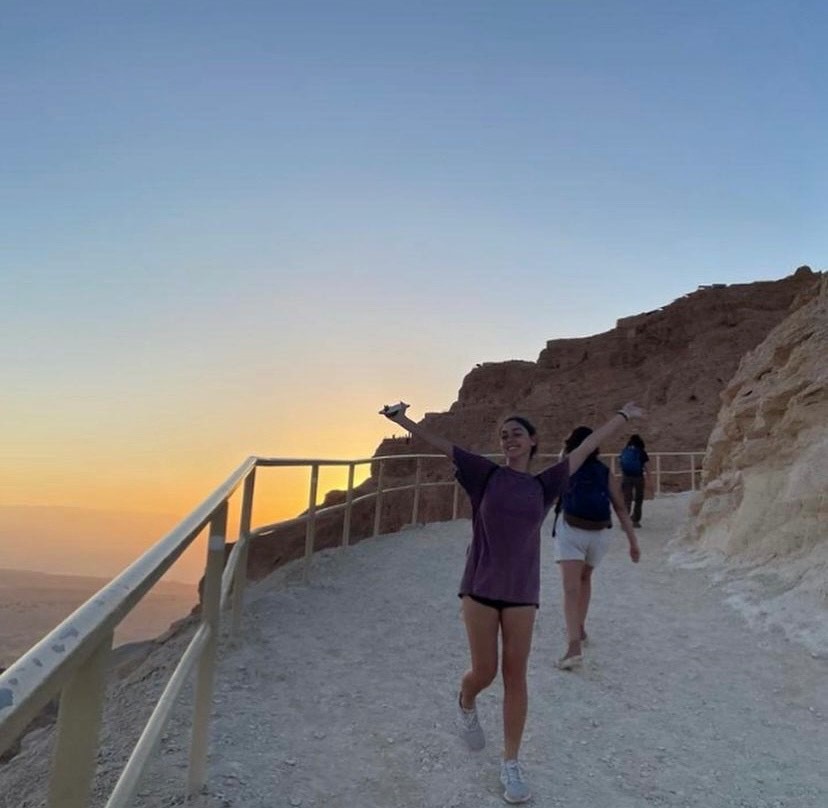
Hi! I’m Mia Avni, the 2022-23 National AVP. I’m from Westfield, NJ and have been involved with Young Judaea since I was nine years old, a former camper of both Sprout Lake and Tel Yehudah. I started participating in year-round YJ programs in 8th grade and got my first elected Mazkirut position last year as NJ AVP. I was inspired to run for National Mazkirut and be more active in the movement because it has given me some of the best friends and summers I could ever ask for while also educating me on what it means to be a Jew and my connection to Israel. In my free time, you’ll find me listening to music, playing with robots, and perfecting my coffee-making skills. I’m beyond excited to work alongside this year’s National Mazkirut and can’t wait to see what we accomplish!
Uri Levinson, Merakez Zarit
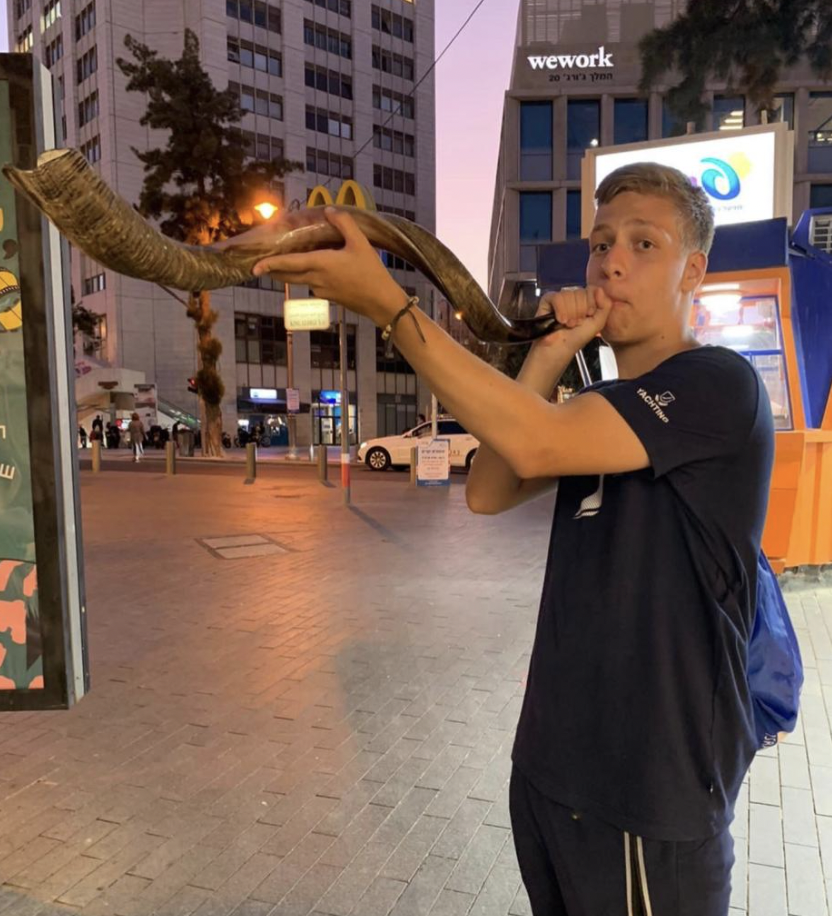
Hi! My name is Uri Levinson and I’m from Monterrey, Mexico. I went to CYJ Texas and to Camp Tel Yehudah both for 2 years, I’ve been a part of YJ since 2018 and I’m still amazed by how amazing this movement is and how it has helped me grow, learn and make friends while having a fun time. This is why I wanted to be on National Maz as soon as I heard about it. I love playing soccer and baseball, watching sitcoms, hanging out with friends and spending time with my family. I am really excited to be Merakez Zarit as I look forward to bringing more international teenagers into YJ, working with fellow National Mazkirut members to have a great National Convention and enhance year-round YJ.
Gabriella Stein, Chavurah Programmer
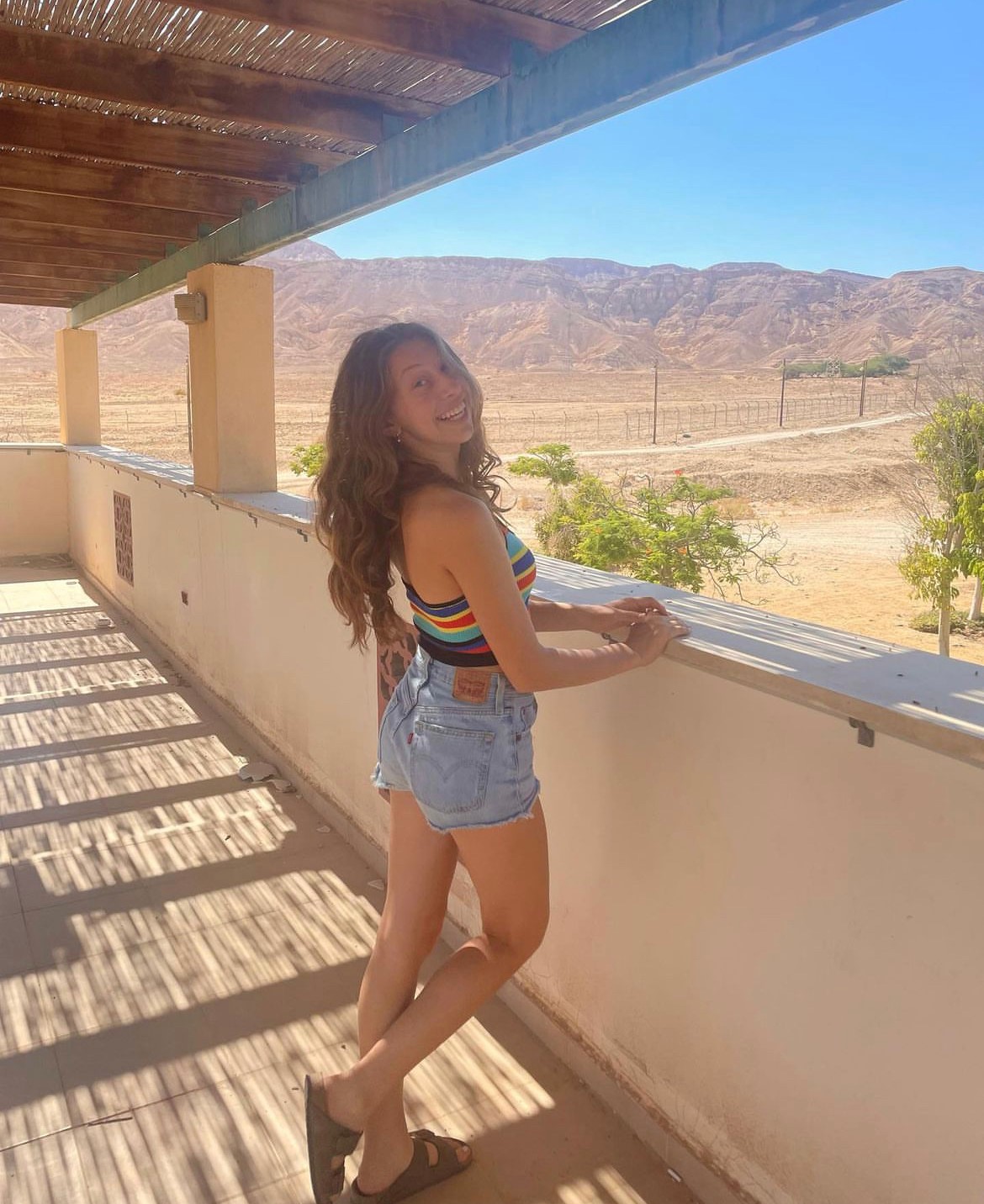
Hello everyone! My name is Gabriella Stein and I am from Long Island, New York. I have been involved with Young Judaea for over 10 years now. I started going to Camp Sprout Lake in 2013 and my Young Judaea journey has moved at a rapid pace since. I looked forward to camp every summer up until this past year when I went on Gesher. I got to go to Israel with all the people I used to count down the days until the first day of camp with. After Gesher I went back to Sprout Lake to work as a counselor. I was lucky enough to be last year’s LINYC Bogrim Programmer and I couldn’t be more thrilled to have the opportunity to be the first Chavurah Programmer on the National Mazkirut. I am so honored to be able to represent an organization that has given me so much. I can’t wait to build this position and give all the other budding Young Judaeans a chance to blossom in such a wonderful community!
Noa Ganz, Social Action & Israel Programmer
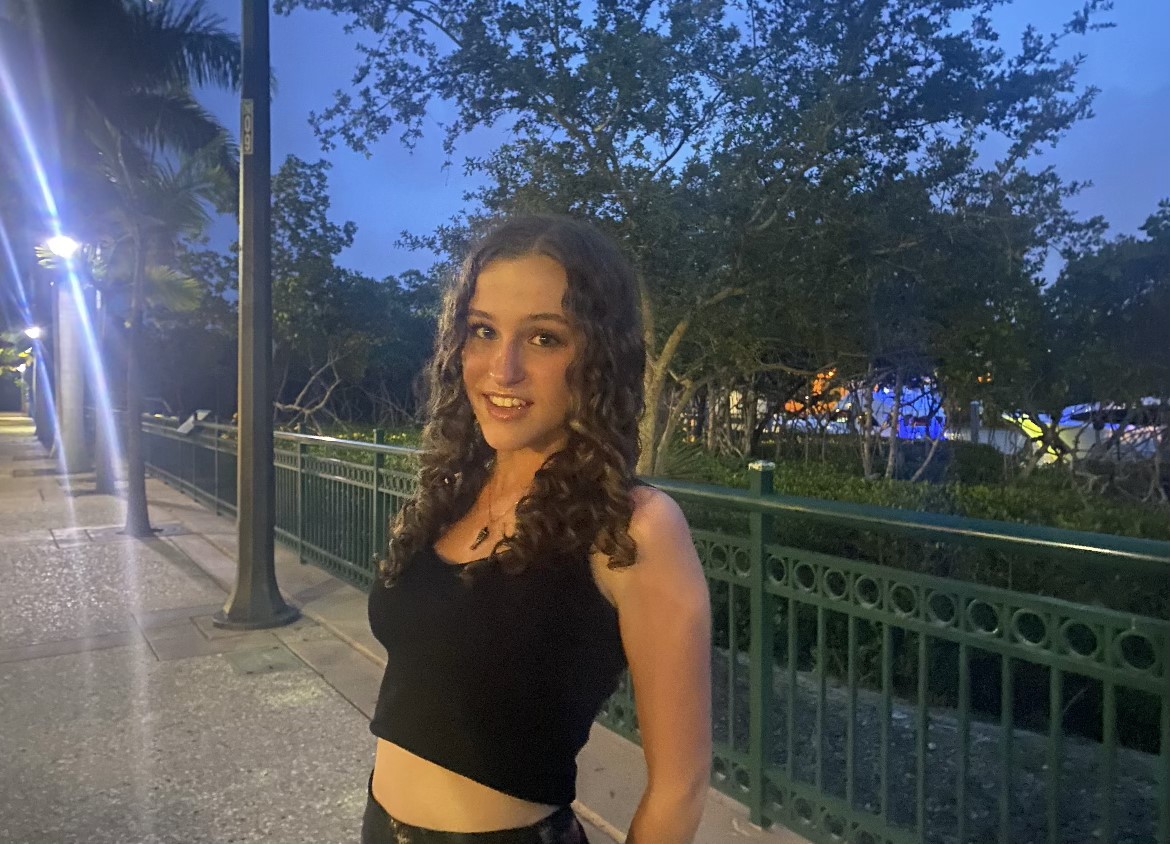
Hey everyone! I’m Noa Ganz, this year’s Social action and Israel programmer. Last year, I was Social action programmer on LINYC Maz. I am so excited to be the first Israel programmer and introduce new ideas to Young Judaea. YJ means the world to me, as it has introduced me to life long friends, given me the best summers of my life, and shaped me into who I am today. Last summer, I went on Gesher then worked at Sprout Lake as a counselor. Outside of YJ, I love to write, listen to music, and hang out with friends! Something you didn’t know about me is that my favorite fruit is pineapple. I am also allergic to pineapple.
Maya Reiken
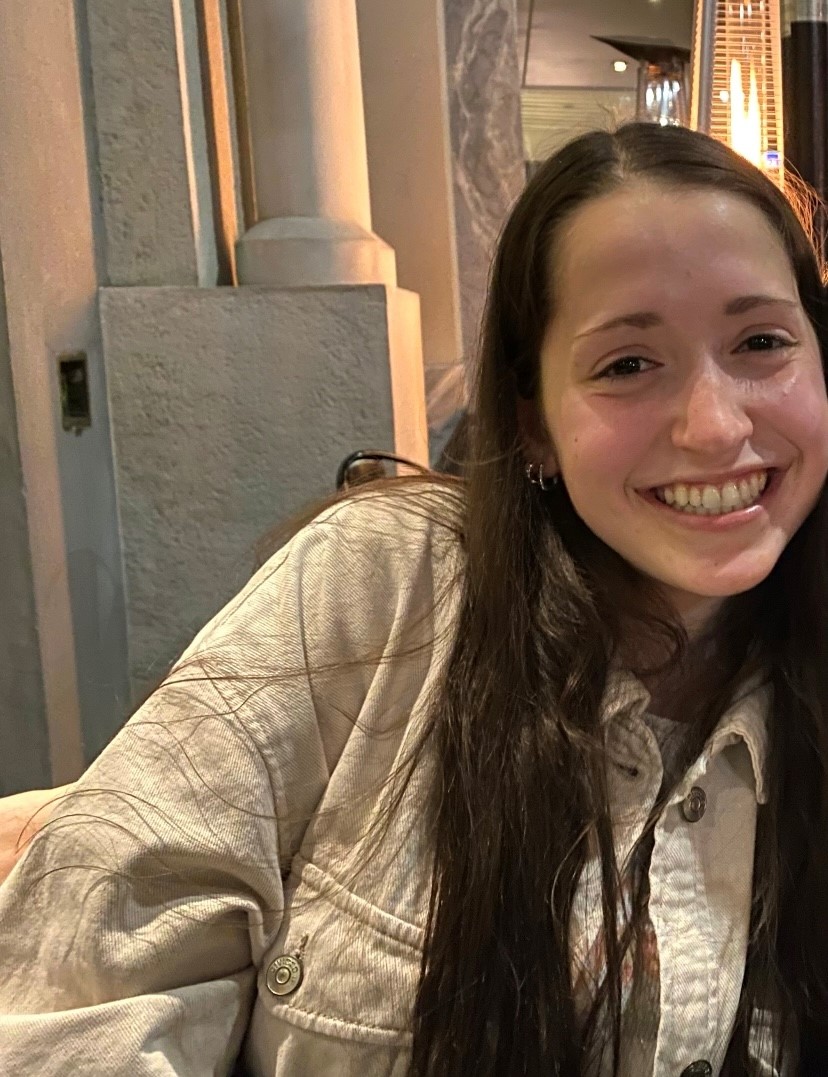
Hi! My name is Maya Reiken and I am from White Plains, NY. For the past eight years, I have been a part of Young Judaea, attending Camp Sprout Lake, Camp Tel Yehudah, Gesher, and participating in Year-Round YJ. I spent the last two years on the Empire Mazkirut, first as the Social Action Programmer and then as the Bogrim Programmer. Young Judaea helped shape who I am today and gave me lifelong friends, so I am thrilled to be the first Rosh Programmer. This year, I want to change the way the programming workshops are done by making them more engaging and informative. In my free time, I love to hang out with my friends, bake, watch New Girl, and listen to Taylor Swift. I’m excited to take on this role and work with my fellow National Mazkirut members, the regional Mazkiruyot, and regions that want to be more actively involved in YJ to provide them with the resources they need to succeed and to keep building the YJ community through our events and programming!
Samara Kohn
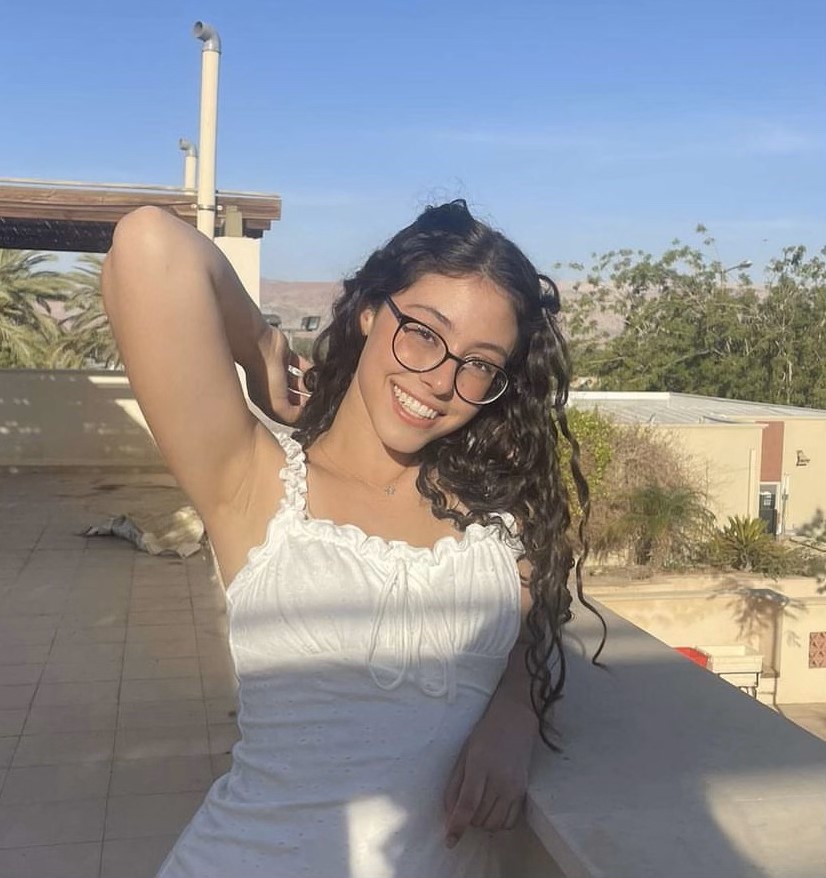
Hello Judaeans! My name is Samara Kohn and I am from Queens, NY. I have been a part of Young Judaea for about two years. My first taste of YJ was Hadracha summer 2021. After having the best summer of my life I decided to stick around for year round programming and became LINYC Pirsum. Some of my hobbies include playing with my hamster, George, warming the bench on my school’s volleyball team, and of course, making insta casual again. On weekends you can most likely find me hanging out with my fellow maz members in Manhattan while spamming my social media accounts. I am greatly honored to be your National Pirsum and most of all, having access to the National YJ Instagram account.



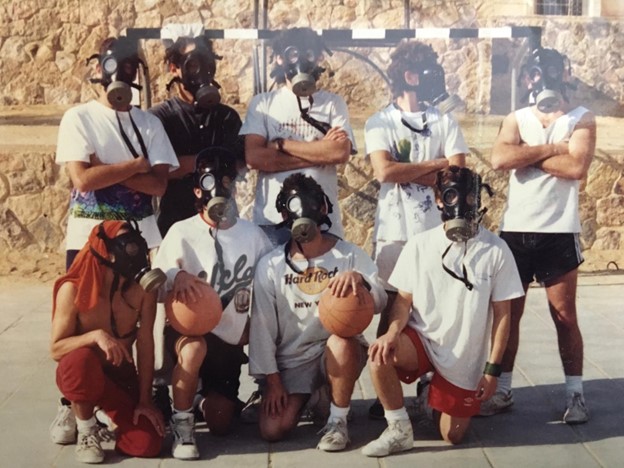 The Gulf War started for us when the first scud missiles were launched towards Israel in January 1991. When we boarded the plane in September 1990, the last thing we were thinking about was being in sealed rooms with gas masks on. We were veteran chanichim of
 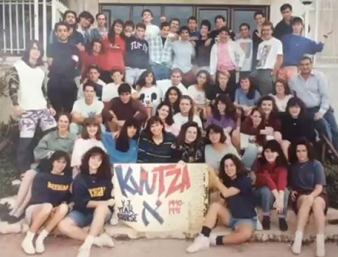 Both of these events, while different in scope, shaped the lives of the participants of Year Course 1990-1991 in significant ways, creating lifelong bonds that last to this day.
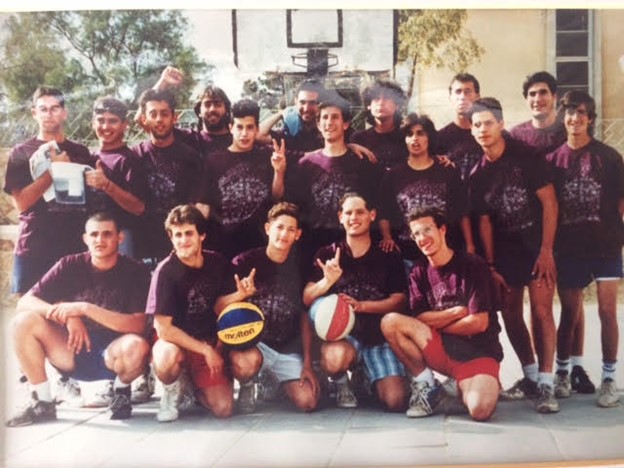 remembered begging our parents to let us stay in Israel. We remembered when some were forced to leave. We remembered the first siren and running to the sealed room. We remembered playing lots of basketball. We called our team the Arad Masketeers, named after the gas masks we had to wear each time there was an attack. Who could have imagined that 30 years later, when we saw each other in person, we would be forced to wear masks again?
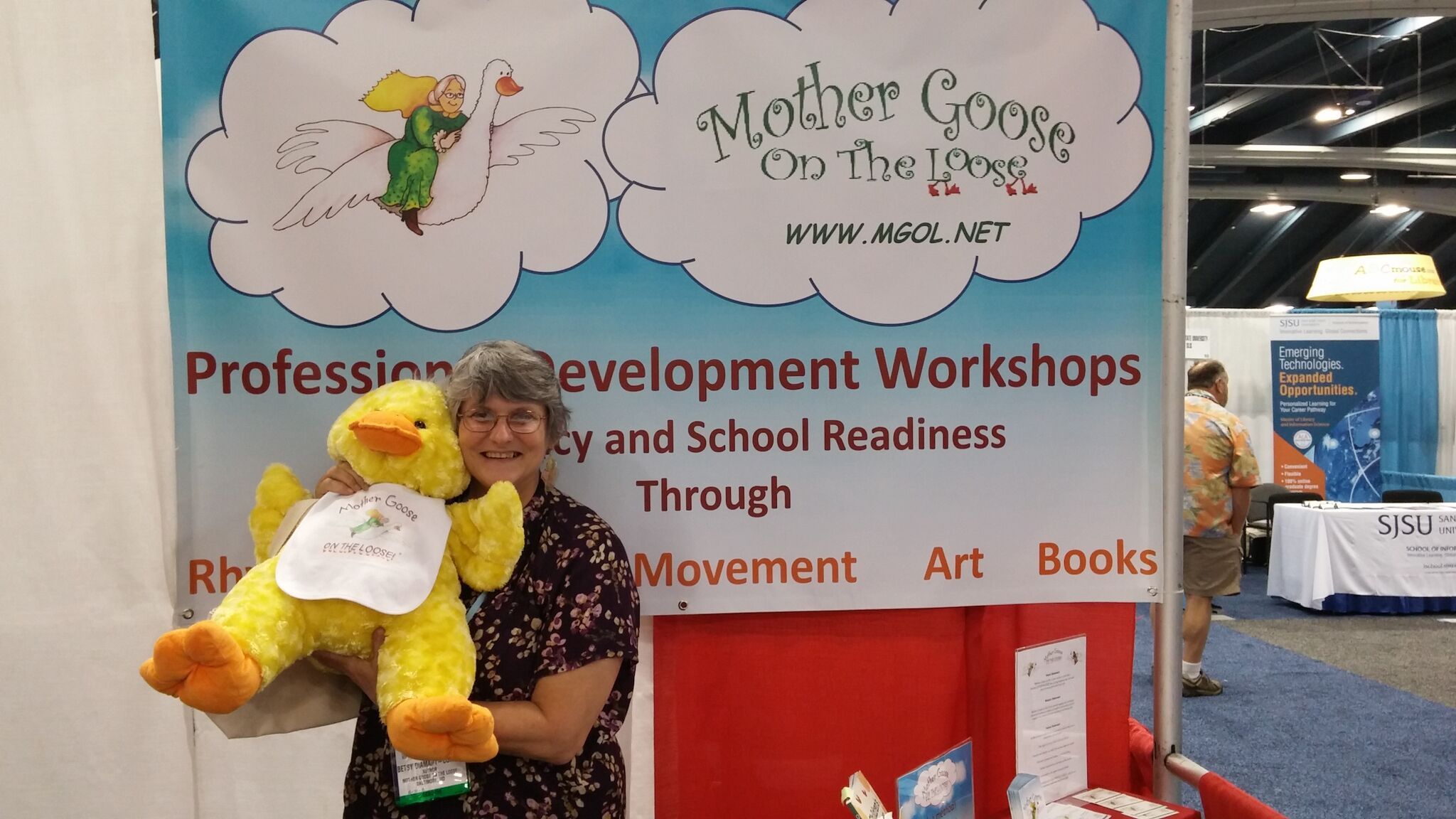
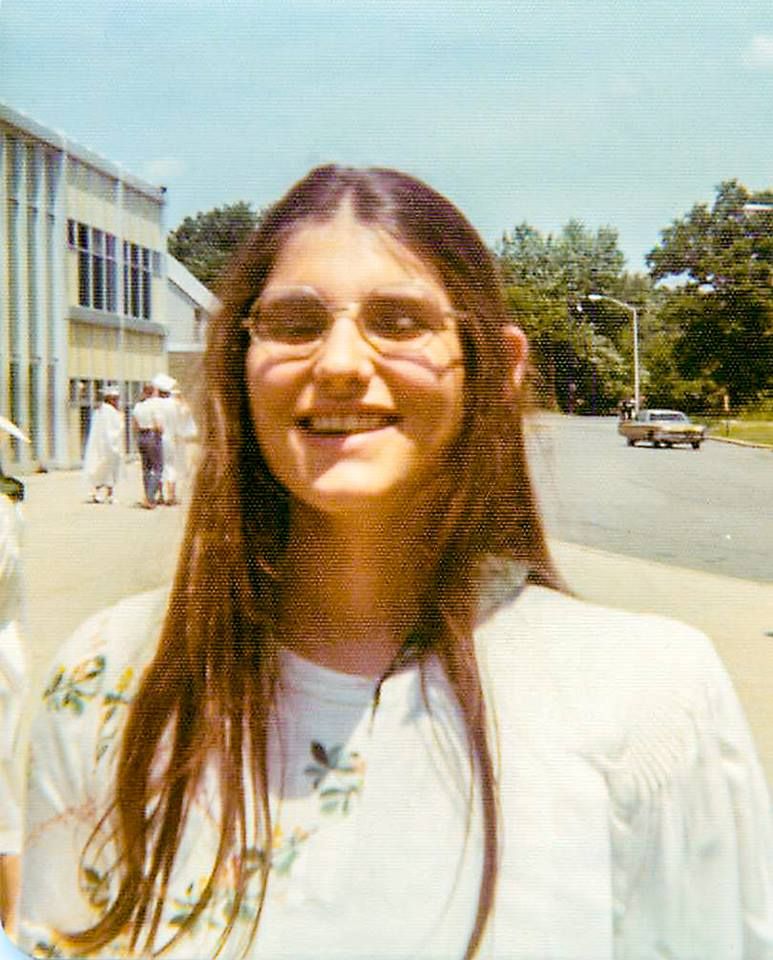 In Jr. High School, each organization gave a little pitch for membership, and I chose to join Young Judaea. After two years in Tsofim, I joined Bogrim. My good friend Joe Pomper told me that the nearby town of Westport, Connecticut was going to be starting a YJ club for Tsofim and were looking for a madricha and asked if I would take the job. Without stopping to think about the fact that I was only one year older than the kids I would be leading, I agreed. For two years, I met regularly with our Senior Advisor, Judy Targan, to plan out the programs. Since I couldn’t yet drive, I’d take the Sunday morning train to Westport and a woman from Hadassah would transport me to whichever child’s home was hosting the meeting that day. Through leading the club, I learned techniques for getting people’s attention such as pausing and speaking more softly rather than trying to shout loudly, and clapping to a rhyme and starting a song which brought people together and directed their attention without needing to say a word.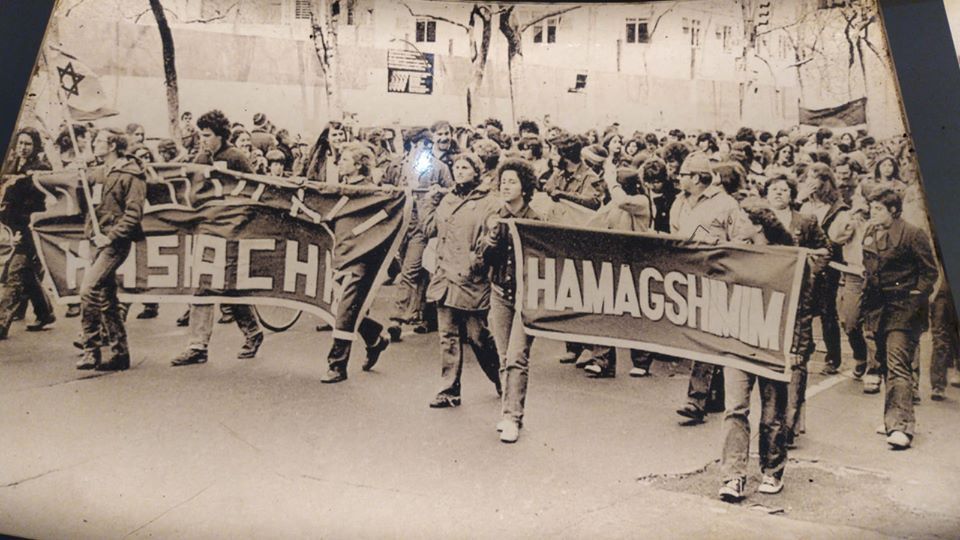
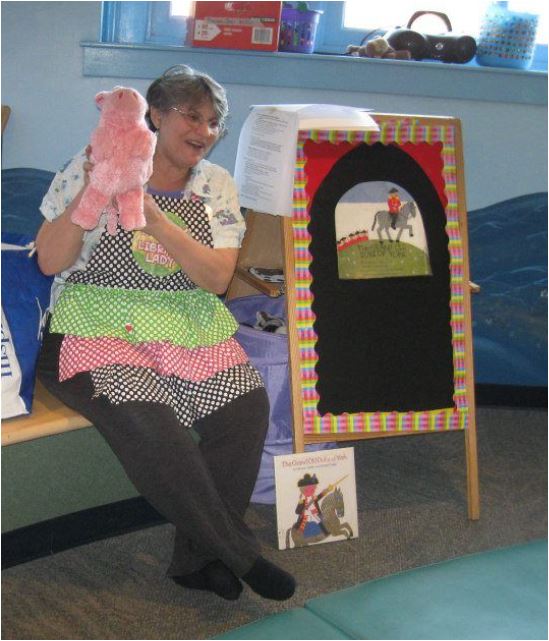 During a job interview at the Enoch Pratt Free Library in Baltimore, I asked if I could present Mother Goose on the Loose programs. The interviewer told me that recently published brain research showed that the architecture of the brain is built in the first few years of life, and that early experiences are important for influencing a child’s successful future. Not only could I do MGOL programs, but I was encouraged to start doing them as soon as possible. The need was great since programming for children under age three in the public library world at that time was rare and library directors were anxious to offer programs that parents wanted. Most librarians did not know what to do when directors told them to start programming for infants and toddlers; library literature on programming for babies was scant, and Google was not fully developed so searching online was not an obvious option.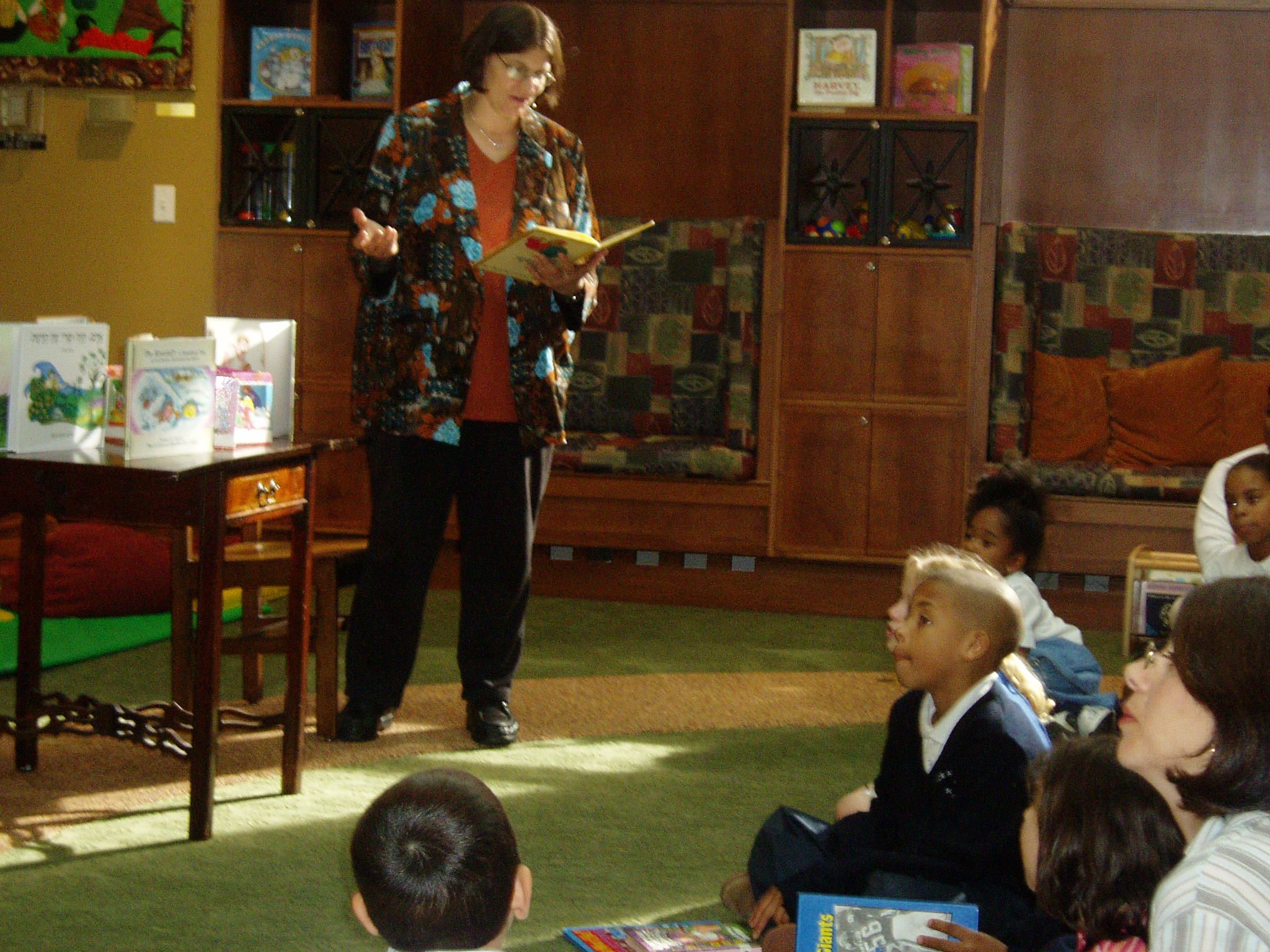



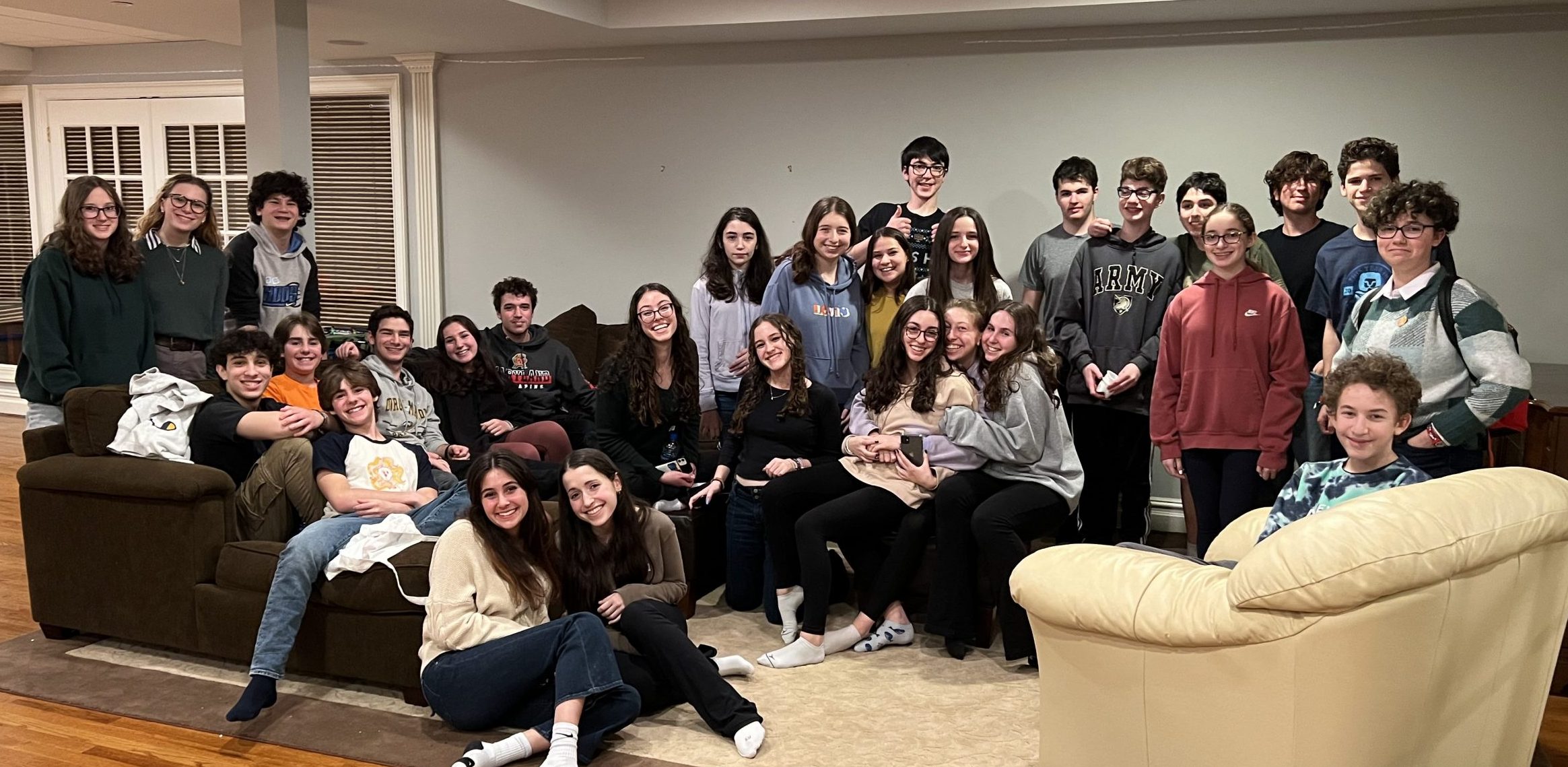
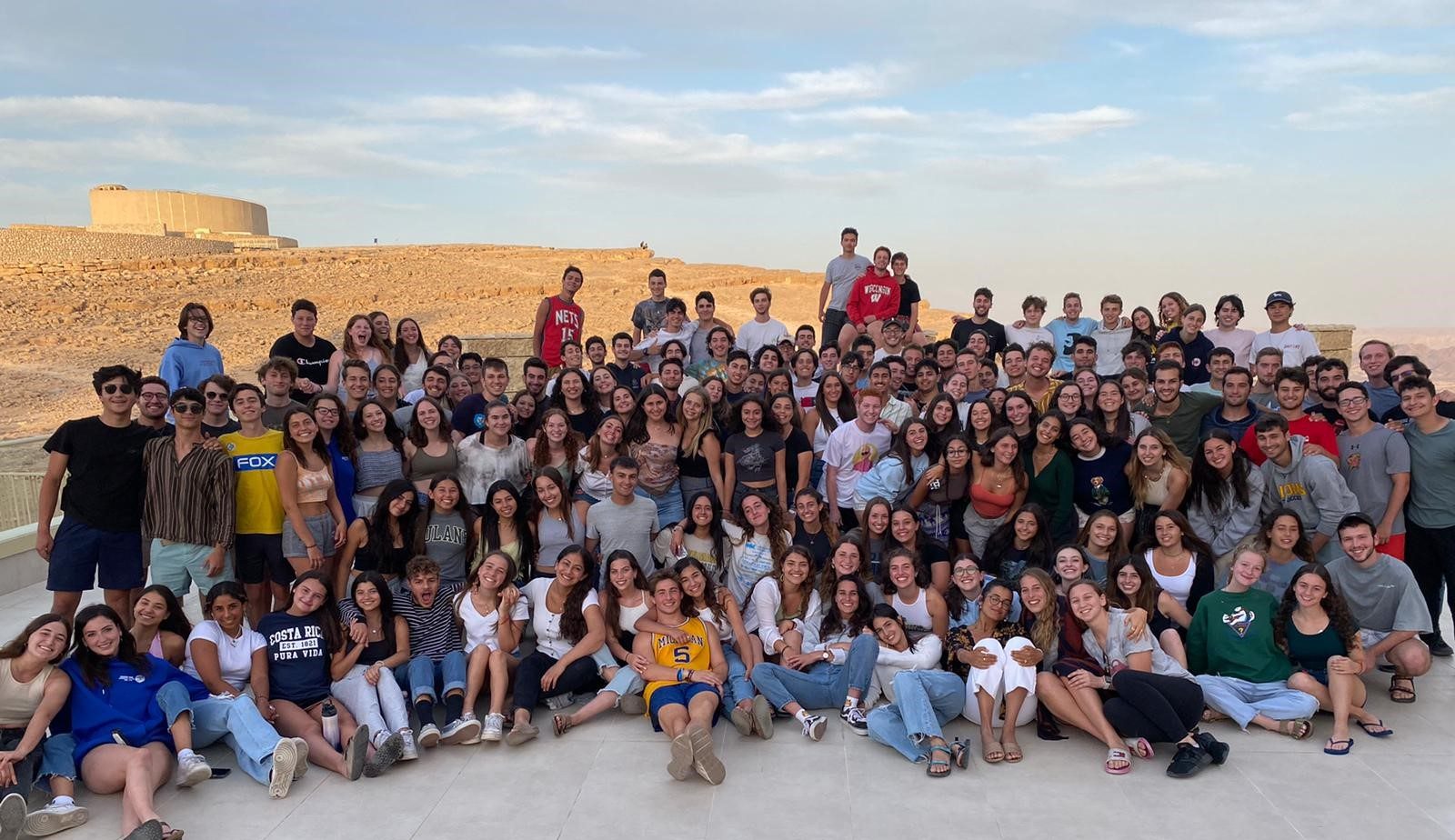
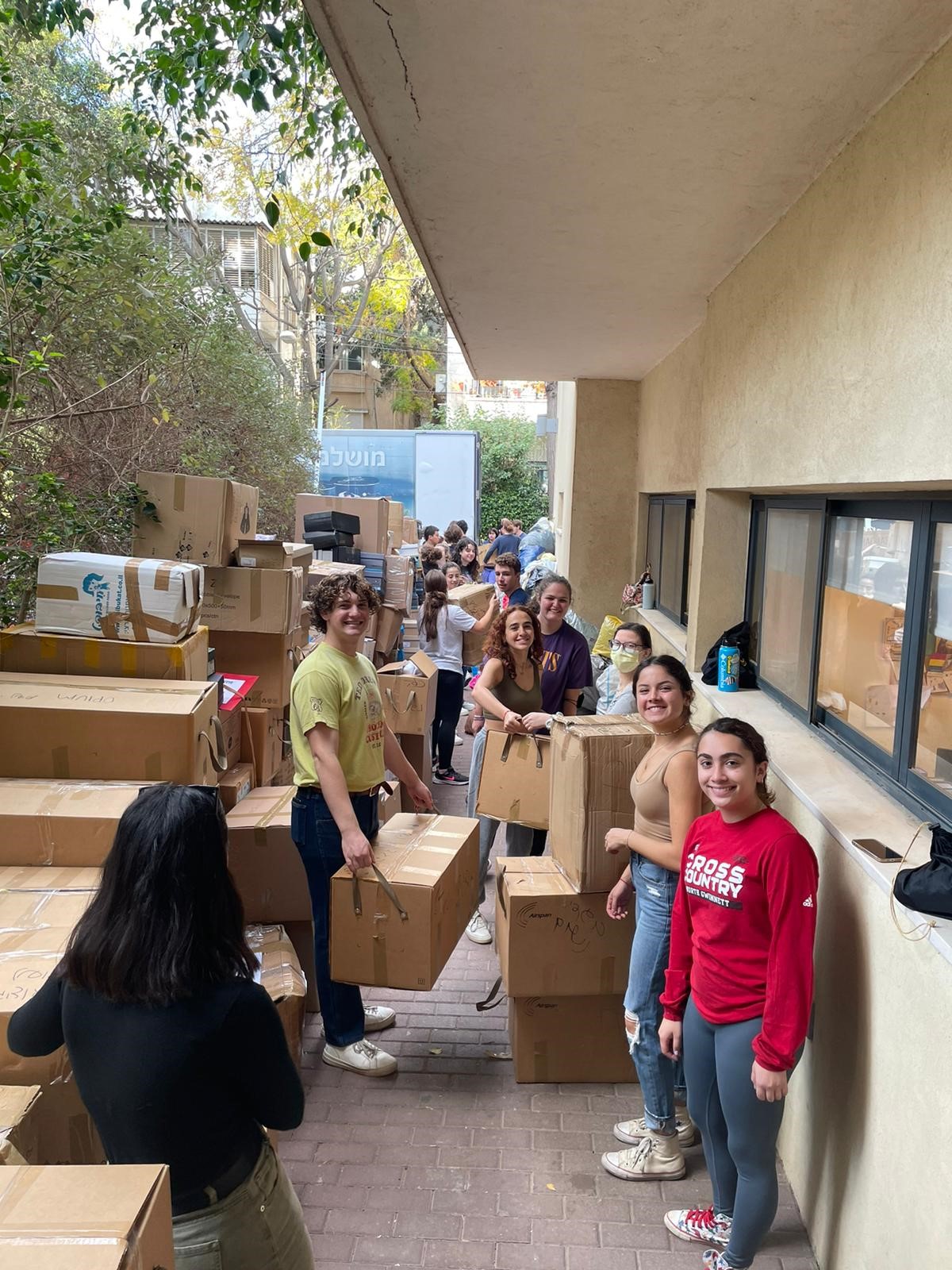
 On February 27th, I, along with 25 other young Judaeans attended an event called “Day of Service”. At the event we participated in programs relating to a variety of worldly issues such as mental health, gender inequality, antisemitism, and much more. I participated in the educational station that discussed the effect of fast fashion and the materials and work that goes into making the clothing that we wear. It made me think about the clothing I own and how I don’t always need to follow the trends. Along with that I went thrifting the day before the event and after participating in this program I am sure I will be doing it again.
 We affirm
  The article posits that one of the challenges to a universal gap year is the quality or content of the programs in that they lack the “resume building appeal,” rather than acknowledging their value in providing a life changing journey of self-actualization and growth. The market is looking for value-added programs, not just a college year in Israel. A gap year in Israel provides much more than a resume building opportunity with the chance to develop soft skills. Participants begin a self-actualizing process by immersing themselves in a diverse community, taking part in experiential education, participating in identity building exercises, all while exposing themselves to a wide range of ideas. In addition, participants learn to master the seemingly benign but critical life skills of living independently, having to manage a budget for the year, cook an occasional meal, do laundry, and manage social situations. For a young person, the opportunity to spend a self-actualizing year abroad provides an accelerated track of maturity that is incomparable to their peers who go straight to university. It’s easier to fill gaps in knowledge than to fill gaps in character.
 Culturally normative is not enough. A gap year program could cost anywhere from $20-50k/year. As future college students and their parents are telegraphing ahead at mounting college debts, there is little appetite for adding another year of costs to that financial obligation. One suggestion to overcoming this barrier is to lower the cost of participation across the board, regardless of need. Birthright Israel became culturally normative because it was free. We have seen the role of incentive funding in the form of vouchers as one successful model to lowering the psychological barrier to participation. One successful model that was launched last year was
  Gap years are becoming more acceptable in the secular academic sphere. Beyond academic rigor, all students identify a higher-level of preparedness and maturity compared to their peers who chose not to take a prep-year. While many universities accept and even encourage deferrals for the purpose of gap year programs, a growing number of universities are not allowing deferrals, making it an impractical choice for graduates. We must work with universities to continue to endorse the gap year experience.
 One of the opportunities made possible by an extended stay in Israel is the chance to engage with the real Israel and to develop an authentic and personal perspective. True, a year in Israel could be a year of “arming” the next generation with propaganda and pro-Israel rhetoric but what we are seeing, particularly within the non-Orthodox Gen Z and increasingly among the modern Orthodox, is a growing frustration with Israeli politics and policy as dissonant with more progressive values, and this frustration is leading to disengagement and anti-Israel sentiment. Gap year programs ought to be scaffolded in an intentional way to help young adults thoughtfully and carefully engage critically with an authentic Israel. Much has been written about the shock that sometimes comes when young adults encounter alternative narratives about Israel in college. Gap year programs should not be governmental propaganda, but rather an opportunity to develop a sophisticated, thoughtful, and personal connection to Israel and an opportunity to acquire the tools to encounter narratives other than one’s own. Of course, the ideal is that a young person is not waiting until their gap year to begin to encounter the complexities, but that is a discussion for another article about how we might scaffold a developmentally appropriate Israel education through the arc of one’s Jewish education. Since it will be some time before all programs make this shift, gap year programs should be prepared to act as a bridge and to provide the tools to manage the cognitive dissonance and disappointment that no doubt will come when we move from falafel and Israel day parades to encountering contemporary Palestinian narratives and meeting settlers in the West Bank. Just imagine these gap year alumni becoming the future leaders on campuses and if this becomes a universal gap year, they would no longer be the minority but find solidarity within a critical minority if and when they encounter dissenting views.
 To move toward a universal gap year, there needs to be a radical expansion of the non-Orthodox gap year marketplace. Diverse programs that cater to the diversity of participants out there. One approach to this is to have various providers with differentiated approaches for various audiences. Another is a small but strong market of providers offering a variety of tracks. We would want to create opportunities for participants in similar niche programs/tracks to meet with one another, but that could easily be done with cohorts, fellowships, or cross-gap year retreats. To significantly scale gap year, there will need to be an infusion of resources to develop existing and new programs as well as to grow the recruitment and marketing infrastructure in North America. Some of this infrastructure could be collective – raising the overall brand and perception of a gap year program in Israel with a regional recruitment model not so dissimilar from those of summer camps, where recruiters are embedded in local communities and provide a concierge referral model to gap year programs. Additionally, there are opportunities to leverage communal investments by directly marketing to the thousands of teens now making their way to Israel through Root One’s summer Israel programs. Creating a pipeline from a summer teen Israel experience to a gap year in Israel will deepen and extend the impact of the initial travel experience across various markers of Jewish identity and connection to Israel.