YJ Alum is awarded the Luxembourg Peace Prize
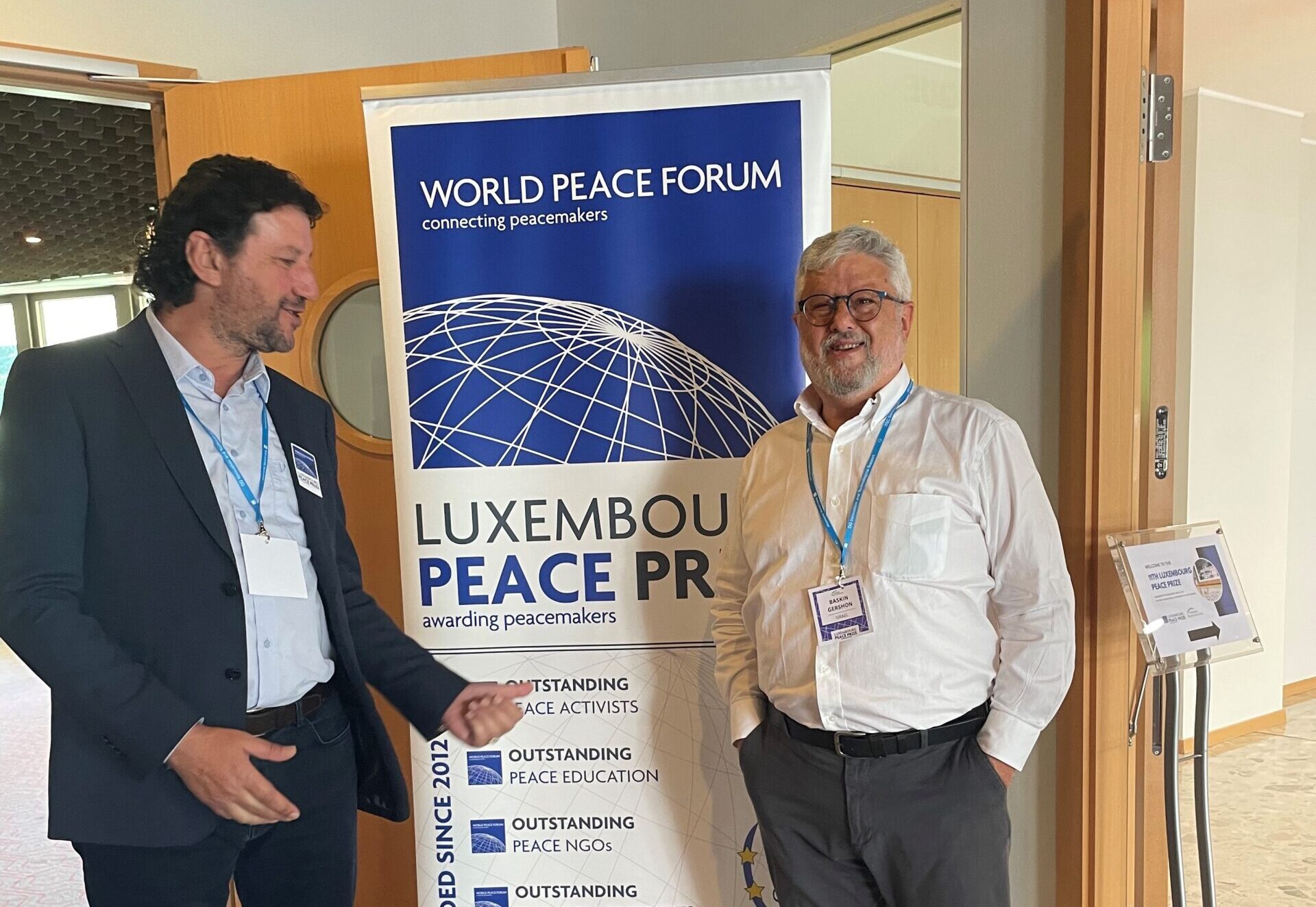
Recently, YJ alumnus Gershon Baskin, Ph.D. was awarded the “Outstanding Peace Activist” award under the Luxembourg Peace Prize for his continuing efforts for peace in Israel-Palestine. We spoke with Gershon to find out about his current efforts below!
- What YJ programs are you an alum of?
I joined YJ in 1970 when I was in 9th grade. I joined the Smithtown Club in Long Island. It was a new club that year and soon turned into the one of the largest clubs on Long Island despite the relatively small number of Jews in the area. I went to Camp Tel Yehudah for my first time that summer to what was then called regular. In 10th grade I was elected to the Mazkirut of Long Island – we then adopted the name Gesher Shalom. In the summer of 1972 I went to Machon (Bet) and worked in the kitchen in order to stay in Camp. The following year I was elected Senior programmer on the mazkirut and went to MA in the summer and worked as assistant Dairy Cook. The following year I was elected to be Mazkir Gesher Shalom. In Dec. 1973 we had national convention in Israel for the opening of Kibbutz Ketura. I worked in the kitchen the whole summer as Dairy cook I went on Year Course – section 2 in 1974-75.
After YC I worked as Dairy cook in alef. I did my first year of University at Tulane in New Orleans and work with YJ down there. The following year I moved back to NY to live together with our group from Year Course in a Bayit on the Upper West Side. I was Senior Program Director for Long Island YJ. I worked one summer as dairy cook in Sprout Lake – its first summer and my last summer in the States I was a merakez in Camp Judea Michigan (summer 1978). I made aliya in September 1978.
- Tell us a bit about your career.
You can read it all in my bio:
Gershon is the Israel/Palestine Director of the Holy Land Bond (www.holylandbond.com) and the Middle East Director for International Communities Organization – Middle East (ICO) https://internationalcommunities.org/
He was the person responsible for the secret direct back channel between Israel and the Hamas that successfully negotiated the release of abducted Israeli soldier Gilead Schalit.
From 2012 until 2020 served as Country Manager for Palestine in Gigawatt Global working to develop mid- and large-scale commercial solar energy projects Palestine.
From 1988 – 2011, he was the Israeli Co-Director and founder of the Israel/Palestine Center for Research and Information (IPCRI) – a joint Israeli-Palestinian public policy think- and “do”- tank located in Jerusalem.
During the Premiership of the late Yitzhak Rabin, he served as a special advisor on the Israeli- Palestinian peace process to a secret team of intelligence officers established by Mr. Rabin.
Since February 2005, he has a weekly column in the Jerusalem Post. His weekly column is also published in Arabic in the Palestinian daily newspaper AlQuds and in Hebrew on a news and opinion website D’Yoma.com.
He holds a Ph.D. in International Affairs from University of Greenwich. His dissertation was on Sovereignty and Territory in the Future of Jerusalem, parts of which were published as a book Jerusalem of Peace.
Baskin’s book In Pursuit of Peace in Israel and Palestine was published by Vanderbilt University Press.
- Yasher Koach on this prestigious award! We would love to know more about your current activities in making peace in Israel.
Other than being a Jerusalem Post columnist since 2005, my weekly columns now appear in Arabic and Hebrew as well. My work is through a British based Non-governmental Organization called International Communities Organization – ICO -which is accredited by the UN and works in conflict zones with frozen or failed peace processes. I am running 3 secret back channels between some very important Israelis and Palestinians -preparing today for tomorrow. And through the impact investment fund we created under the name The Holy Land Bond to invest in housing for Palestinians in East Jerusalem, to create possibilities for Jewish Arab integrated housing in Israel’s mixed cities, and to support Jewish Arab joint tech ventures.
- What if anything about Young Judaea may have led you to where you are today?
YJ taught me that moving to Israel was not a change of address, but a change of essence – our lives have to be meaningful in terms of making Israel a better place.
- Do you have any advice for YJ teens today on how to get involved in peace activism in Israel?
Contact me.











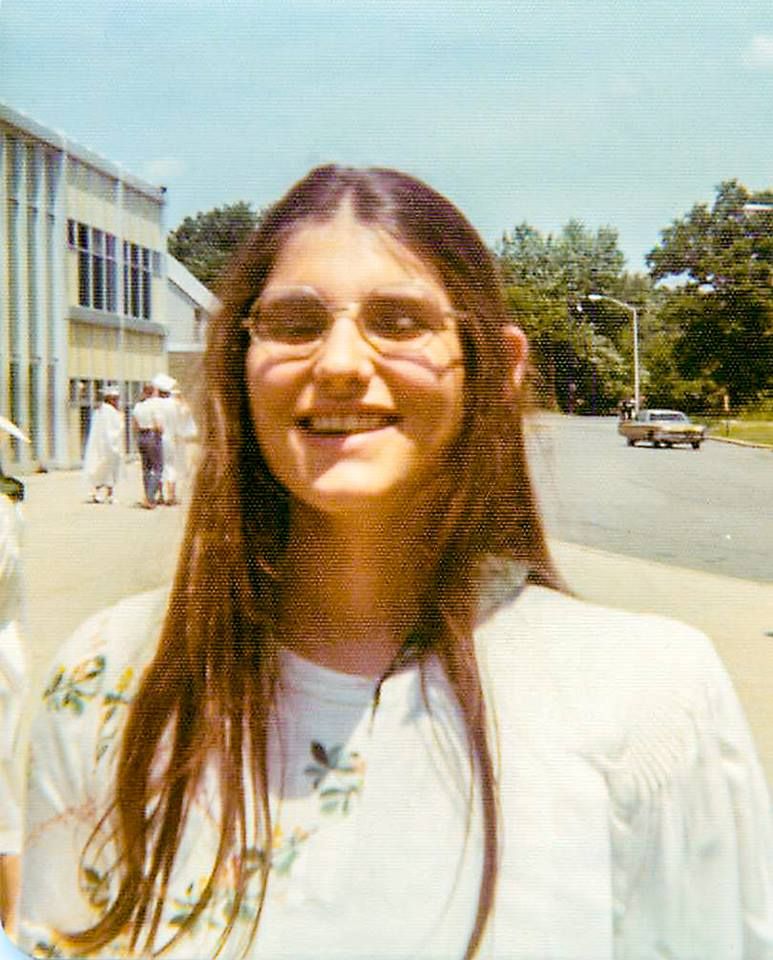 In Jr. High School, each organization gave a little pitch for membership, and I chose to join Young Judaea. After two years in Tsofim, I joined Bogrim. My good friend Joe Pomper told me that the nearby town of Westport, Connecticut was going to be starting a YJ club for Tsofim and were looking for a madricha and asked if I would take the job. Without stopping to think about the fact that I was only one year older than the kids I would be leading, I agreed. For two years, I met regularly with our Senior Advisor, Judy Targan, to plan out the programs. Since I couldn’t yet drive, I’d take the Sunday morning train to Westport and a woman from Hadassah would transport me to whichever child’s home was hosting the meeting that day. Through leading the club, I learned techniques for getting people’s attention such as pausing and speaking more softly rather than trying to shout loudly, and clapping to a rhyme and starting a song which brought people together and directed their attention without needing to say a word.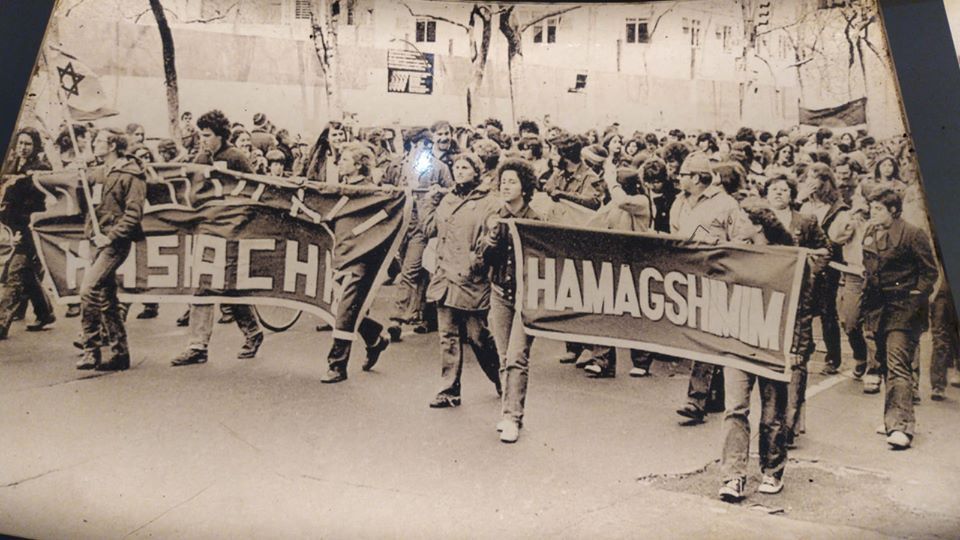
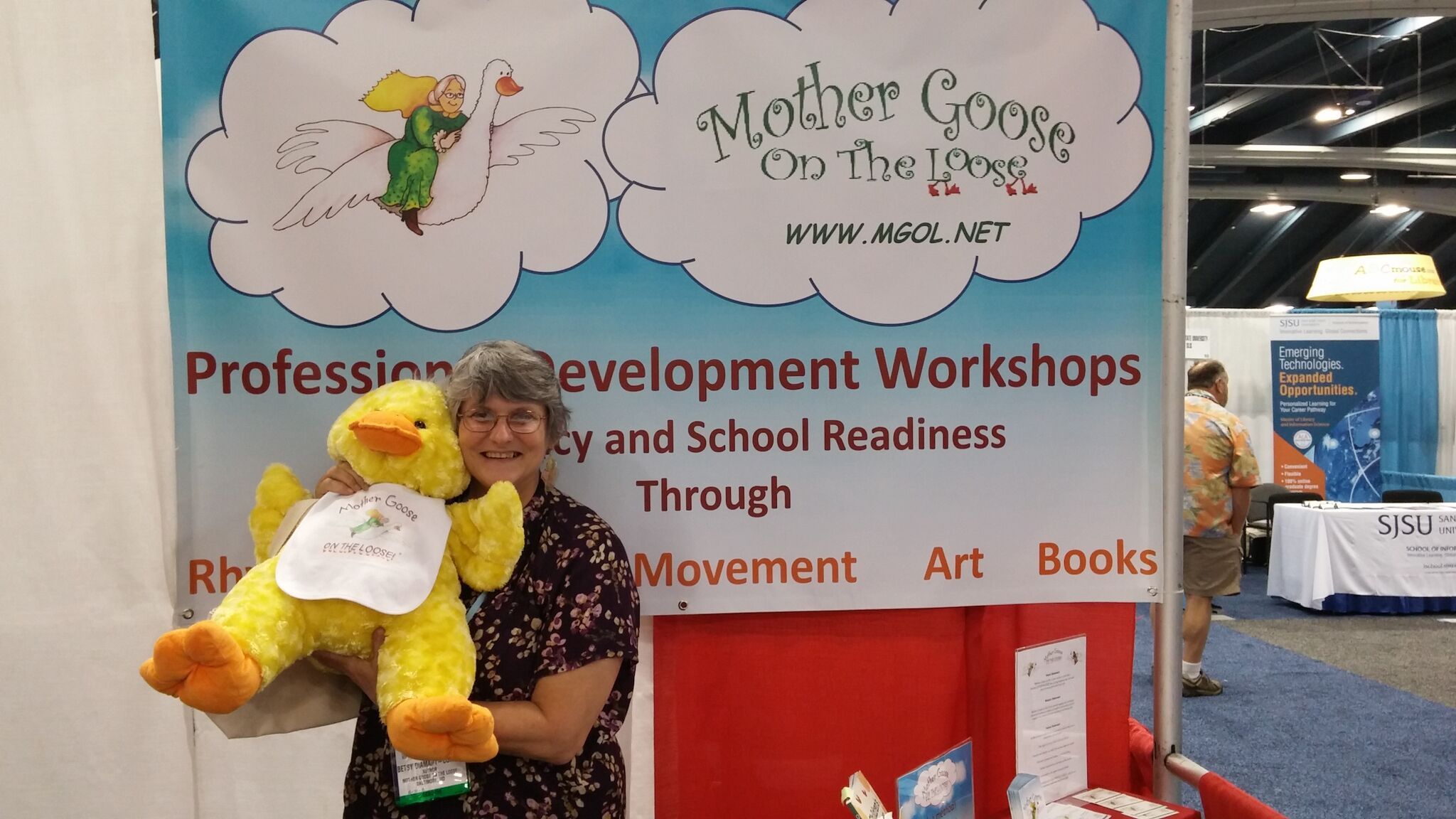
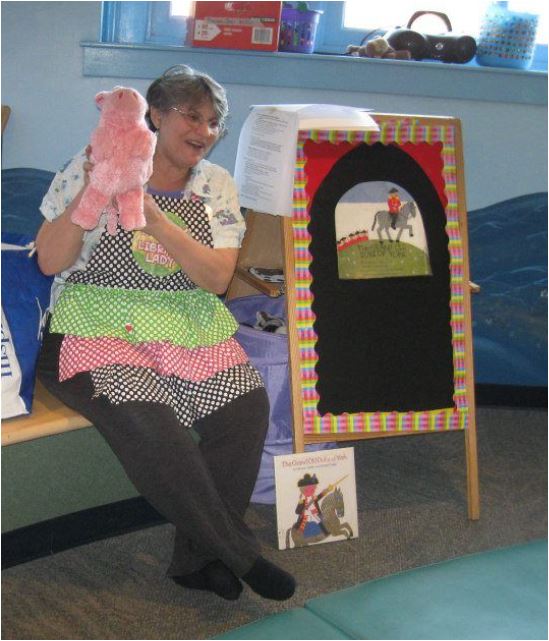 During a job interview at the Enoch Pratt Free Library in Baltimore, I asked if I could present Mother Goose on the Loose programs. The interviewer told me that recently published brain research showed that the architecture of the brain is built in the first few years of life, and that early experiences are important for influencing a child’s successful future. Not only could I do MGOL programs, but I was encouraged to start doing them as soon as possible. The need was great since programming for children under age three in the public library world at that time was rare and library directors were anxious to offer programs that parents wanted. Most librarians did not know what to do when directors told them to start programming for infants and toddlers; library literature on programming for babies was scant, and Google was not fully developed so searching online was not an obvious option.