Take a Gap Year to Israel Now? Convince me!

Take a Gap Year to Israel Now? Convince me!

By Adina Frydman, CEO Young Judaea Global

There are great reasons to consider taking a gap year to Israel right now. Consider these as you and your teen contemplate how to spend your time this coming Fall.

The “Zionism” argument
Being a Zionist right now in North America is hard. Whether you have been firmly committed in your Zionism or are looking to understand more about what it means to have a strong relationship with Israel, a gap year in Israel will take you out of your social media echo chambers and bring Israel IRL (into real life) from 2-D to 3-D, particularly through your encounters, mifgashim, with Israelis. Being a Zionist isn’t a spectator event and before one can become an activist of any political shade or color, spending a significant amount of time in Israel is not just advisable but crucial to being a part of the Zionist story. Nothing else even comes close to true solidarity than living as a local, and immersing oneself in Israeli culture, politics, and society. A gap year in Israel is an all-encompassing experience that engages all sense and mental faculties.

Historically, there were different types of Zionism, but today it seems that, at least in North America, Zionism has been painted with one broad brush stroke. But take a look at how Israelis are expressing their Zionism today, and you will see and how multivocal it is. On Young Judaea’s Year Course, you will experience two commitments to Zionism. One is big tent Zionism, which blends our commitment to pluralism and diversity with Zionism. We welcome different expressions of Zionism and create a community by learning through one another, and from our experiences in Israel. Each participant leaves the gap year having deepened their own personal connection to Israel.

The other approach is aspirational Zionism, the belief that together we can build tomorrow’s Israel.  Theodore Herzl once said, “If you will it, it is no dream” and I would say the inverse is true as well, “if you don’t will it, it will only be a dream”. While it is so much easier to disengage, Zionism calls us to roll up our sleeves and get involved in helping Israel become the place we want it to be. This aspirational Zionism is manifested by spending the year in Israel, studying, volunteering, connecting with Israelis, and making your voices heard.

The “deepen your Jewish pride” argument
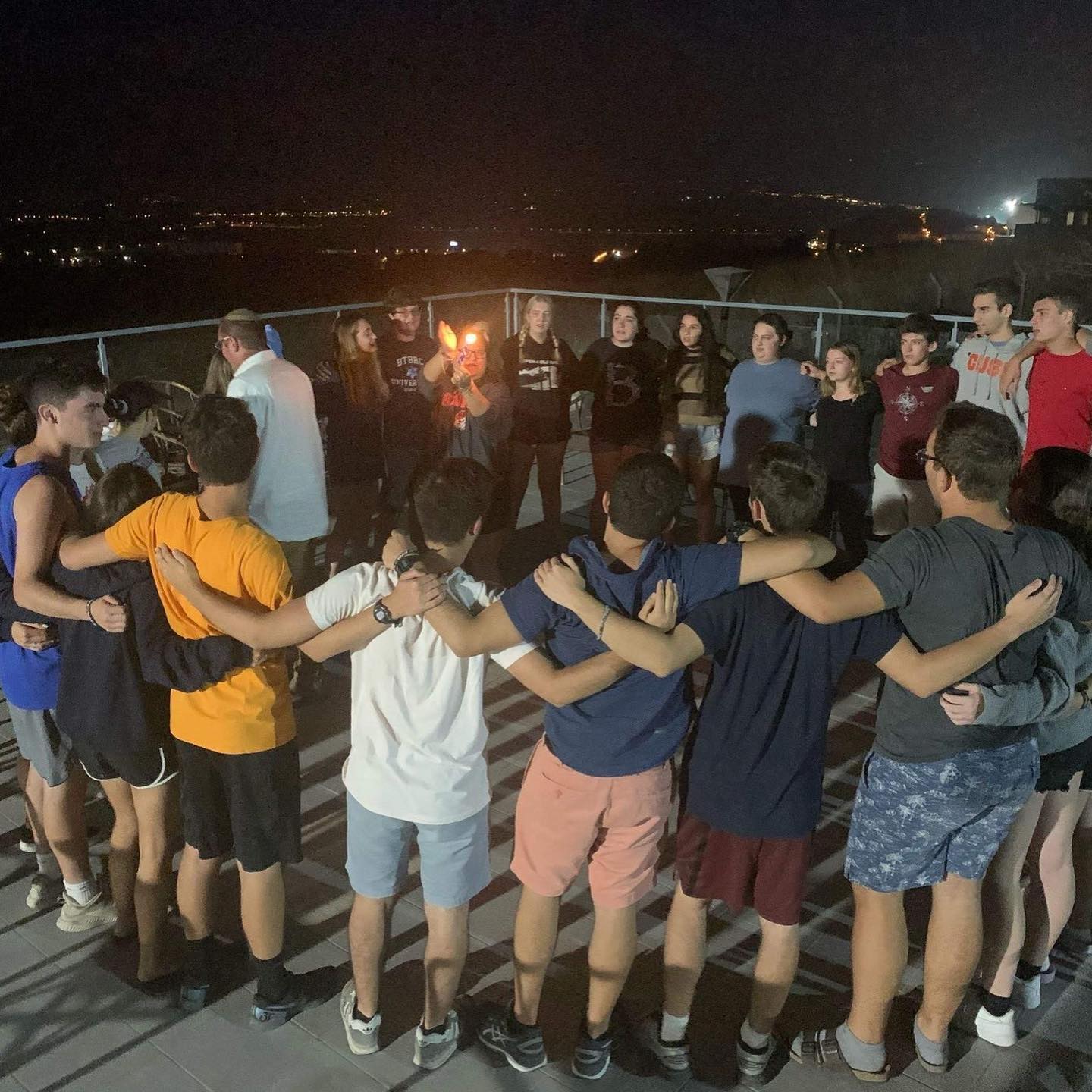
Whether you are from a small rural town or a large urban city, these past few months, no one has been immune to the growing antisemitic sentiments. While this has led to a swell of Jewish pride for some, many more are hiding their visibly Jewish symbols concerned about the comments or actions that they may confront if they are discovered. If you are one of the only Jews in your town or your school, spending time in Israel will be a welcome change. You will discover the magic of being in a place where you are immersed in Jewish culture, religion, and Hebrew, and you aren’t constantly on the defensive.  If you are coming from a big city, meeting Jews on Year Course from across North America and Europe will certainly broaden your perspective about what life outside of the big city bubble can be like for Jews and what you take for granted on a daily basis. Further, being a part of Young Judaea’s Year Course, you will meet Jews with varied backgrounds and beliefs. You can comfortably carry on the traditions you grew up with or choose to try on new ones. Throughout the year you will gain ownership of your Jewish identity as an individual and as part of a collective community.   But most important, spending the year in this positive and joyful Jewish community, you will deepen your sense of Jewish pride carrying that into the rest of your life.
The “ready-set-defend – preparing for Israel on college campus” argument
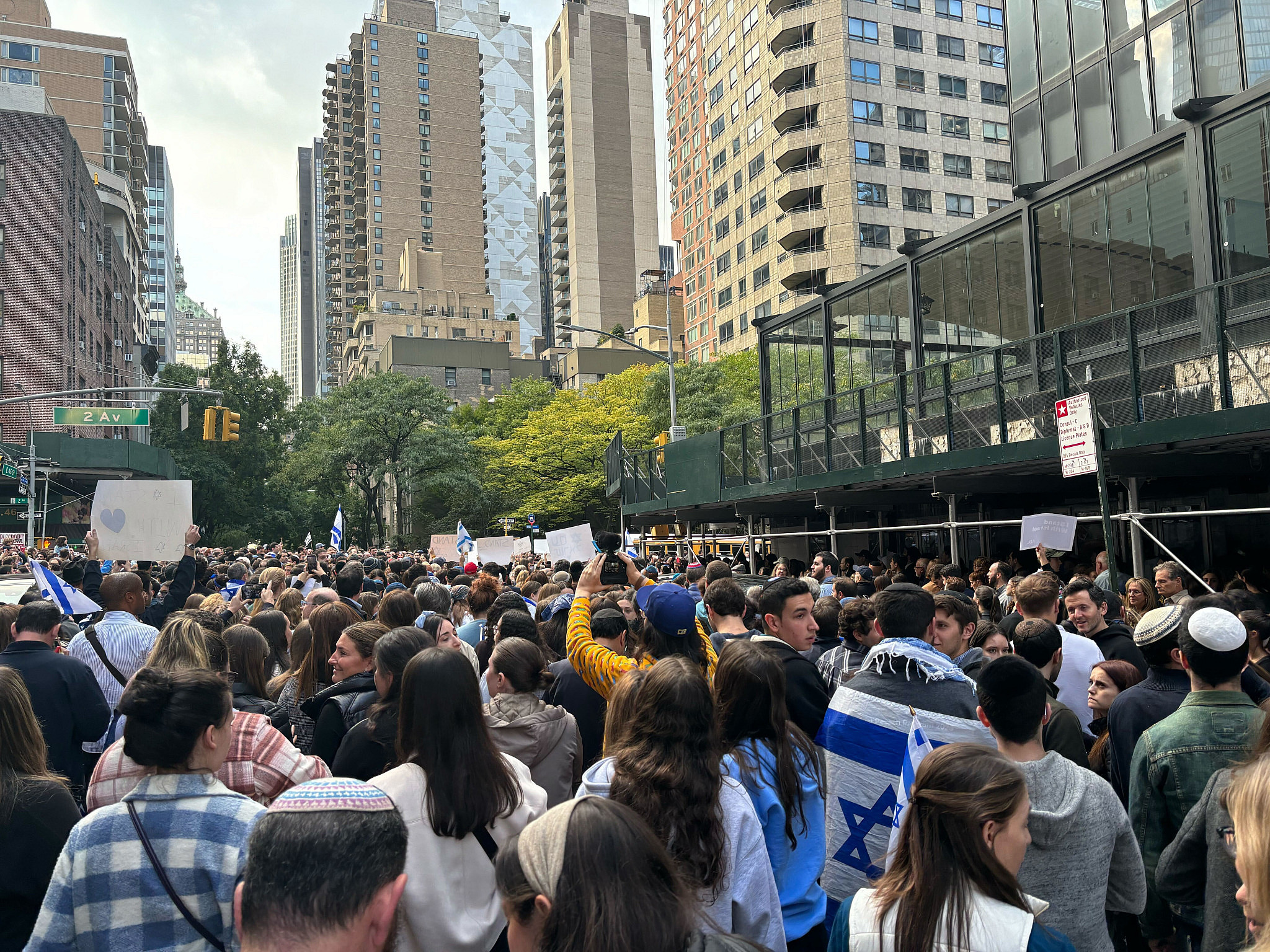
When did it happen that 18-year-olds were expected to be expert ambassadors and defenders of Israel? A On a growing number of college campuses, the tone and tenor for Jewish students is increasingly becoming unwelcoming and hostile. You don’t even have to be vocalize your connection to Israel, just being Jewish puts students on the spot to engage on Israel related events. Even students who are deeply committed and have been active in social justice and progressive spaces, now find themselves uninvited and on the defense.  Spending a year immersed in a gap year program can give you the opportunity and exposure necessary to make your own, informed decisions before taking on the wider discourse. Young Judaea’s approach is not one of advocacy, hasbarah, rather we encourage the deep exploration of questions through critical inquiry and exposure to diverse perspectives. Being on a Young Judaea gap year, part of a community of diverse young adults, you will spend meaningful time learning how to engage with people who think differently than you do. You will also learn to ask deep questions and how to listen rather than simply spew factoids.  In addition, you will also spend time learning the history of how we got to this moment, and the ideologies that might inspire you to shape how we get to the next moment.
The “I am not ready for college yet” argument

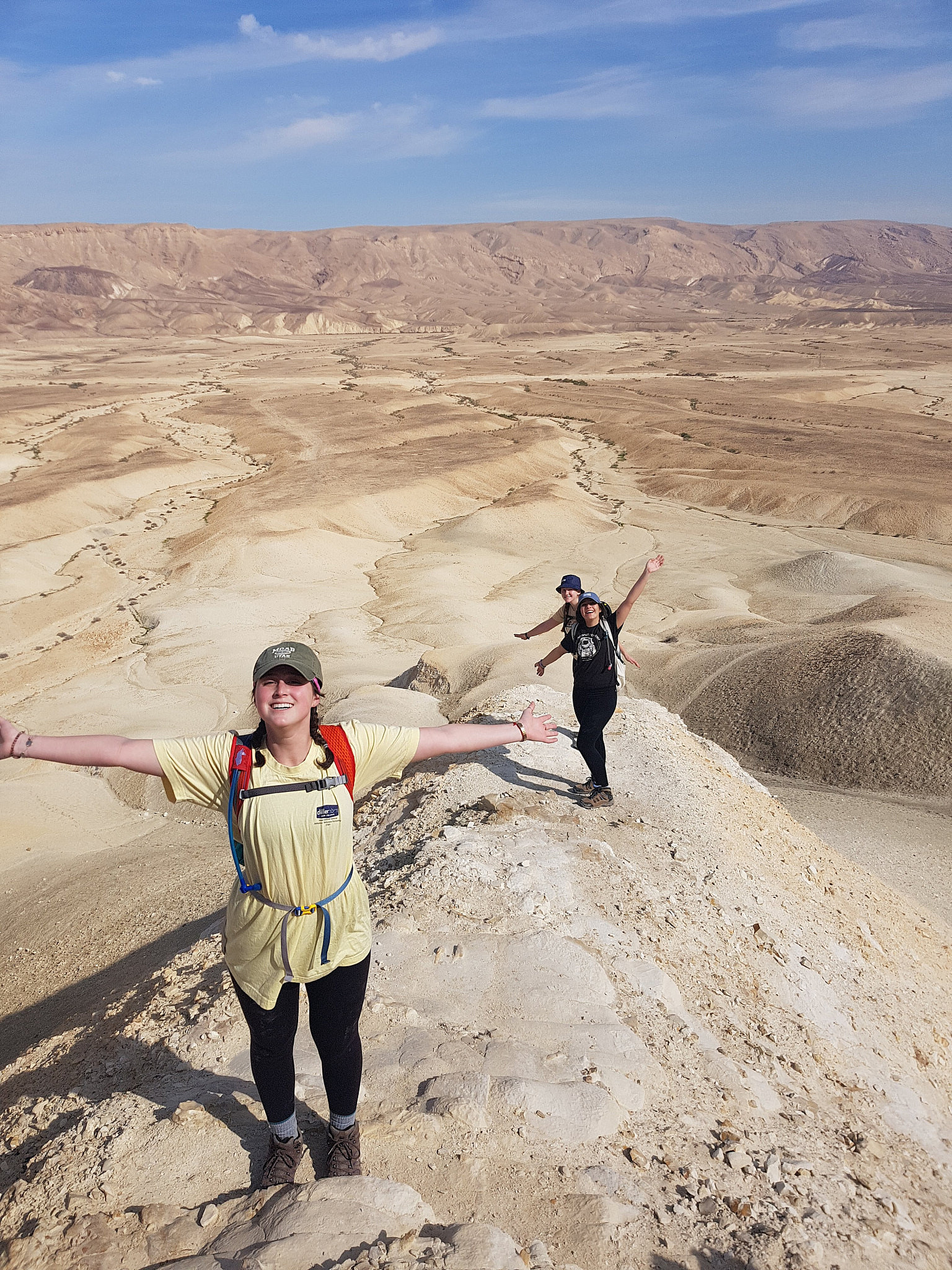
The last few years have been really hard on teens. Between Covid quarantines, virtual high school, and a rapidly changing world, many teens are simply not ready for college. And there is NO SHAME in that. You are not alone. Participants of gap year programs say that a year abroad led to deep personal growth and transformation. From learning basic life and executive function skills like time management, to the responsibilities of living in a communal setting (laundry, cooking, cleaning). These are but a few areas of practical maturation that will lead to greater independence. In addition, participants will practice social skills necessary for living in community and spend time with inspirational mentors and teachers who will gently guide participants into deep personal reflection and growth. Parents and teens say that this one year of growth sets them up for college and life beyond high school in measurable ways.
The “make friends for life” argument
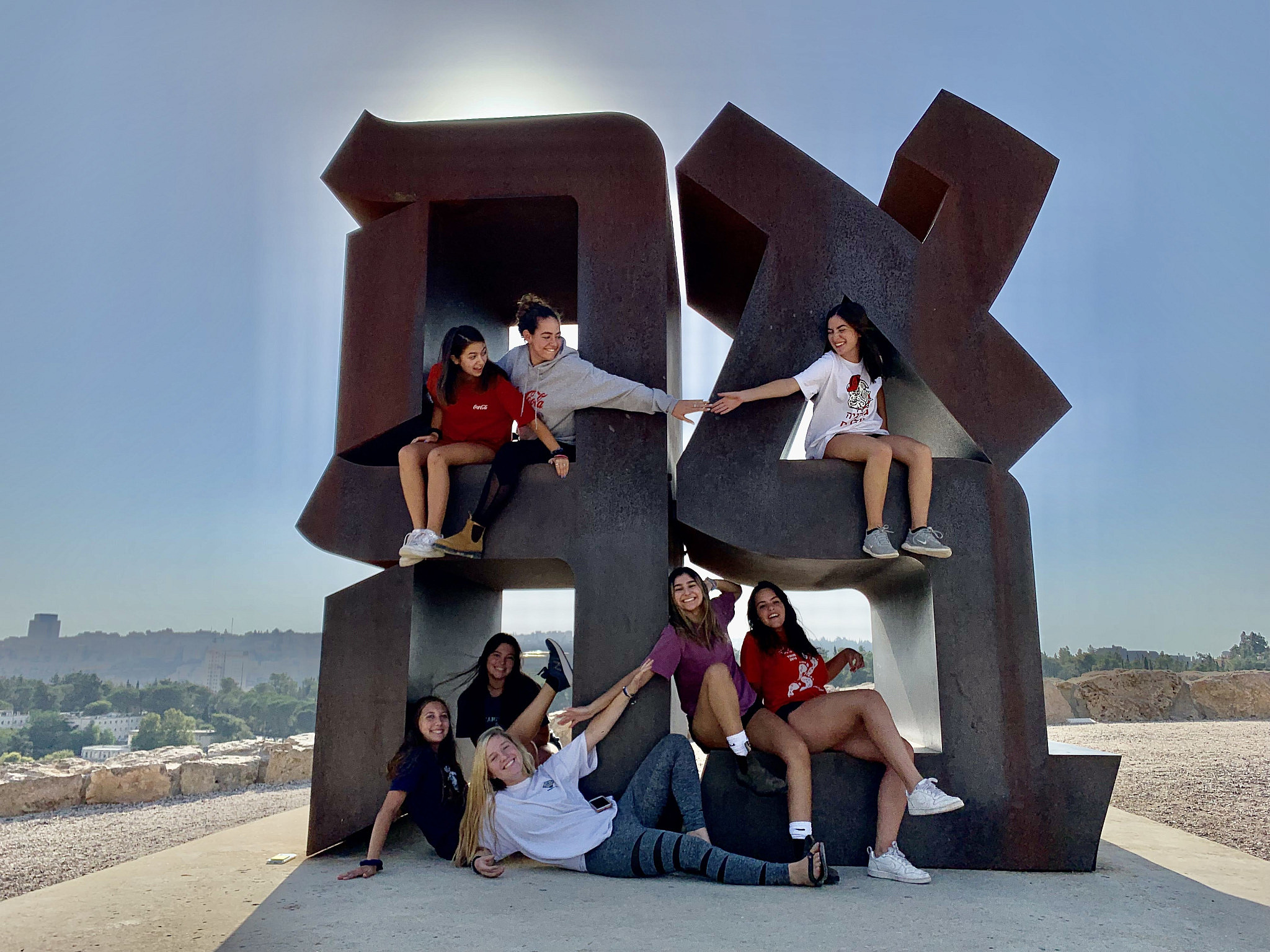
The nature of an immersive gap year program is that you spend intensive time with a like-minded group of people building shared experiences and lifelong bonds. Alumni of our gap year programs tell us that their closest friends to date are those they met on Year Course. These friends become your trusted circle, the group of friends that gets you, that you can be vulnerable and real with. During this particularly challenging year, since October 7th, we have heard numerous stories of Year Course alumni turning to their Year Course community for support and safe and honest conversation. And that is so important, particularly now. Years later, we hear of Year Course friends staying connected, roommates in college or in a first apartment, networking for jobs, sharing important life cycles, and in some cases, Year Course couples who found their life partners on their gap year. We can’t promise that for everyone but friends for life – we all but guarantee!
But back to our central question and naming the elephant in the room. You want me to commit to going on a gap year in the middle of a war? It is true that we are living through a historic moment in Israel’s history, with no clear path to what the future holds. Still, wouldn’t you rather be part of shaping history than observing from the sidelines? And what about safety and security? At Young Judaea we take this very seriously. We have been operating gap year and other Israel travel programs for over 70 years, through peaceful times and during wars. We are prepared to make the necessary adjustments to ensure the safety and security of our participants and the quality of the experience. Of course, this is a very personal and individual decision for each family, but hundreds of teens have made this decision before you. Just ask them, they are sure to add their own argument for why you should seriously consider a gap year to Israel this coming year.

So, what are you waiting for?
YJ Supplement for the Pesach Haggadah

YJ Supplement for the Pesach Haggadah

Given the war in Israel,  we acknowledge that this Passover is radically different from all other Passovers. To add meaning and conversation to your seder this year, Young Judaea Central Shaliach, Amit Castel has written a Special Prayer for the Release of the Hostages in Gaza. Additionally, have meaningful discussion surrounding why this seder feels different than all others.

Download the YJ Seder Supplement Here

Reflections from Midwest Convention

Reflections from Midwest Convention

By Akiva Weinkle

My name is Akiva Weinkle and I am in 12th grade. I attended CYJ Midwest for seven years as a camper as well as Tel Yehudah for two. This past summer I worked as an MIT at Midwest and plan to work there again this summer as a madrich.

I am heavily involved with the Pittsburgh YJ club as a Bogrim member where I help to plan and run day events in addition to our annual Shabbaton. It was actually at this Shabbaton in 2012 that I first experienced YJ, ever since then it has been at the center of my life. I have served on Midwest Mazkirut for the last 3 years and am currently the Midwest Mazkir. 

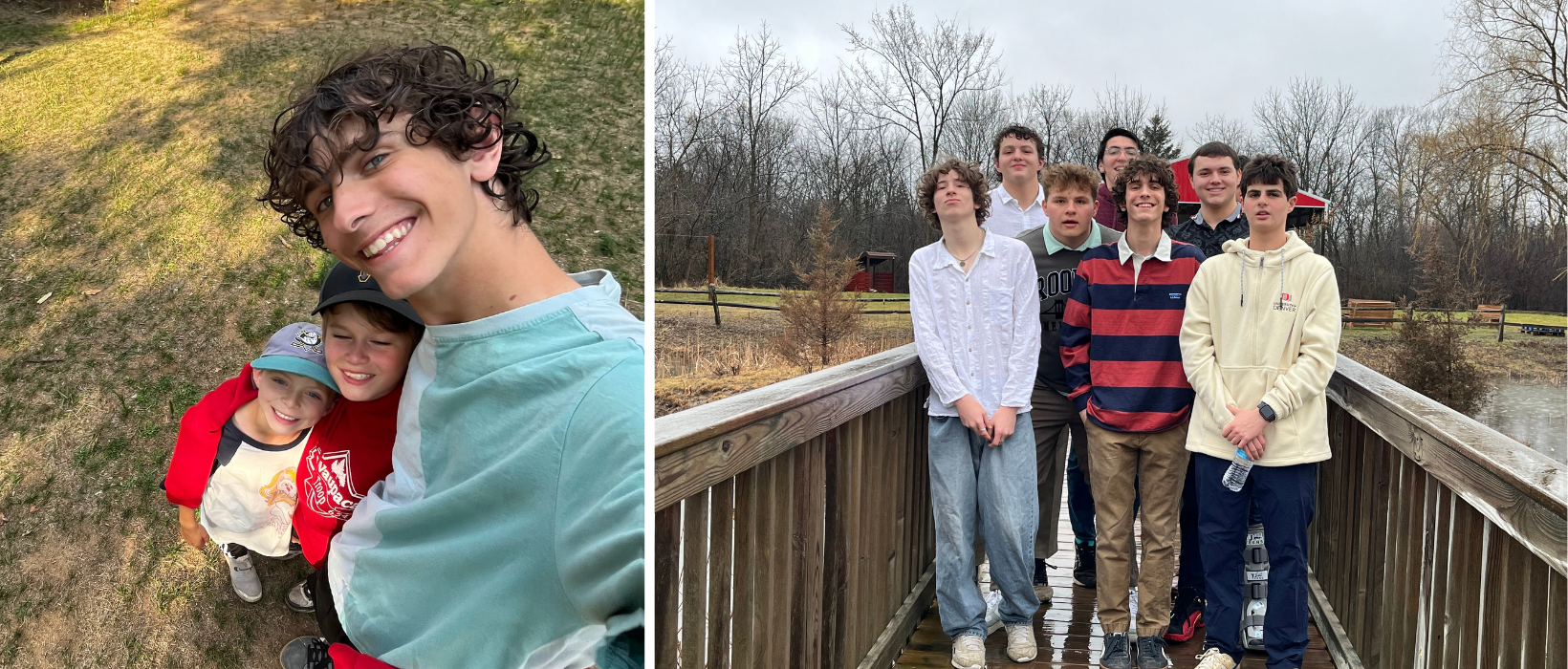
A few weeks ago I had the privilege to gather with 50 other Judaeans from around the Midwest and all over the country to spend a weekend together at Midwest convention. Getting the opportunity to escape from the routine of the school year and step into the YJ world for just one weekend is a magical experience. Whether it be the peulot, shira, or just silly moments with friends I look forward to it everything all year and cherish it for the short time I get to live it. 

This convention was special for a number of reasons, the first being that it was the most attended Midwest convention in a long time. Bringing all these teens together meant old friends could reconnect and new friendships could be formed. It also meant that more people got to have their voices heard when electing the Midwest Mazkirut for the 2024-25 year. This was also my last convention, and having a chance to lead it as the Mazkir was truly special. I got to make sure that as many people as possible felt the incredible joy YJ can provide. While I will not be at convention next year what I saw this year gives me incredible hope for the upcoming years of the Midwest region. I saw so many 8th and 9th graders creating friendships and memories that will last them for years and keep them coming back to YJ for years. 

Seeing those chanichim enjoy convention is the exact reason why I love being on Midwest Mazkirut; getting to see the next generation of Judaeans appreciate all that it can offer as a pluralistic Jewish space is, for me, the most rewarding aspect of Maz. Over my 12 years in YJ, I have taken all that has been offered in terms of Jewish experiences and connecting with Israel and to have the opportunity to give back to the movement that gave me so much means the world to me. This desire to share the incredible things YJ has to offer stems from being a second-generation Judaean. My father was heavily involved with YJ in high school and worked at CYJ Midwest for many summers, and his decision to share this incredible movement with my brothers and me is what has made me so passionate about sharing it with the next generation of Judaeans.

Young Adult Volunteer Trip in Israel Reflection

Young Adult Volunteer Trip in Israel Reflection

I signed up for the Young Judaea Young Professionals volunteer trip not knowing what to expect. People around me had more questions than I could count leading into my trip, while I didn’t have too many. I was taking part in a Young Judaea trip, and that has always been good enough for me. I knew that I would be well taken care of and was fixing to take part in a meaningful experience. 

My name is Barak Levy, and I have been a Young Judaean since I was eight years old. I was a camper at CYJ Texas for eight years, Tel Yehudah for two, and staff at CYJ Texas for four years before deciding to work at CYJ Texas full-time after college. Young Judaea turned me into the person I am today, so it only felt natural for my first time in Israel to be with Young Judaea.

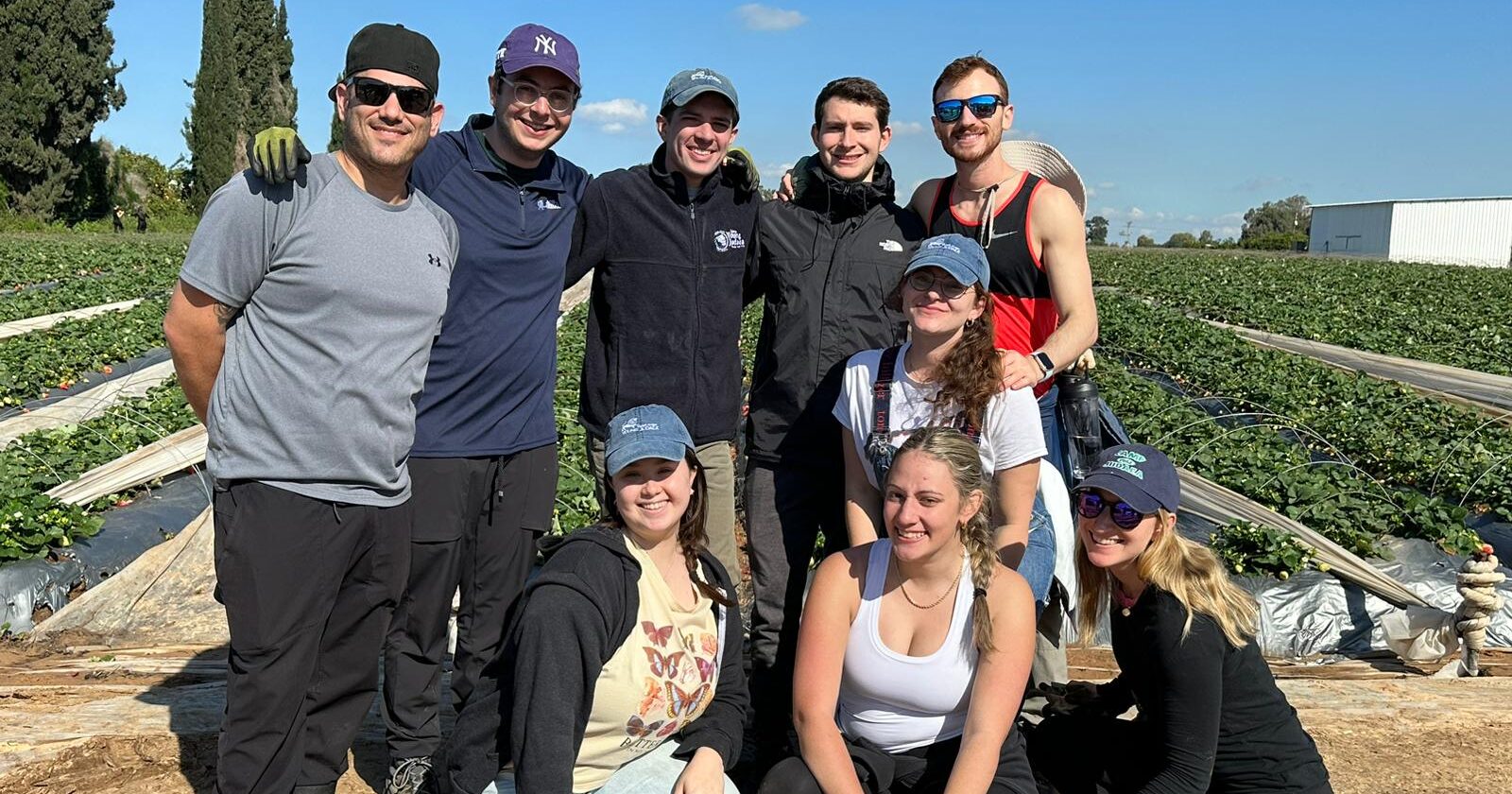
Like many of my peers I felt somewhat helpless since October 7th and was wanting to find a meaningful way to support Israel. Because of this I felt an immense amount of pride volunteering on farms throughout this trip. I was able to pick produce and nurture crops at farms whose workers had been called to the IDF, called back to Thailand, or who were forced to stay in Gaza and I am extremely proud of the work I accomplished. It was incredible to be able to literally get my hands dirty and help Israel in my own way. It was an amazing experience to talk with the farmers every day and their gratefulness and positivity in times of uncertainty were something I’ll always remember. I enjoyed every second of our volunteer work and I truly fell in love with farming on this trip. Maybe there is something in the air in Israel, or maybe it’s my Texas genes, but farming was a spiritual experience for me. While the greenhouses could be hot and the work itself could be tedious, my mind often went to a meditative state where I found myself thinking about my Jewish journey, what’s going on in Israel, and the type of person I want to be. 

So much of what made the trip special were the conversations I had with Israelis. Every day, I shared my experience volunteering with Tel Aviv locals who would ask me about it and they would often share their perspective of what had been going on in Israel with me. I have never had that many spontaneous yet genuine conversations with strangers while living in America, and I’ll always charish those talks. Young Judaea even had a few Israelis join our trip to create bonds with us throughout our volunteering which helped create an extra level of meaning and connection to our trip.

There are a number of volunteer opportunities in Israel put on by various organizations, but Young Judaea trips are unique. In every Young Judaea program I have been a part of, I have made incredibly fast and strong relationships with my peers. For this trip, participants were ages 20 to 40. While this is a big age difference, it never seemed to matter, and by the first Shabbat, only two days into the trip, it felt like we were a family. From Shabbat prayers, conversations while farming, spontaneous Rikud (Israeli Dance) sessions, and long group walks around the city, our volunteer group built a tight-knit community that could only have been fostered through Young Judaea.

While there were so many amazing things I did and saw on the trip, I also couldn’t help but feel the sadness all around the country. Everywhere I looked, there were hostage photos and Bring Them Home murals. There was an extra level of sorrow, mourning, and anger to everything that has been going on by stepping into Israel for myself. I ate at a small falafel shop a hostage frequented every day, I spoke with a Nova survivor, and I took part in a Havdallah service with parents of hostages. I had been thinking of the hostages since October 7th, but there was a degree of separation and it was hard to put myself in the hostage’s shoes. Once I stepped foot in Israel this was no longer a challenge.

A couple of weeks after the trip, I can say that I’m glad I didn’t come on the trip with any expectations; I couldn’t have dreamed up a trip like this one. I got to give back to the country that is home to my people, create amazing friendships with fellow volunteers and Israelis, explore the country with new friends, feel what is happening in Israel for myself, and have a spiritual journey along the way. Every day, every step of the way, my time in Israel was incredibly impactful to me, and I have Young Judaea to thank for this amazing opportunity.

By Barak Levy, CYJ Texas Staff, Former CYJ Texas and Tel Yehudah Camper

Spotlight: Kibbutz Ketura’s Relief Efforts

Spotlight: Kibbutz Ketura’s Relief Efforts

By Rabbi Sara Cohen, Kibbutz Ketura

YJ Alum: Camp Judaea, Tel Yehudah, Year-Round Clubs, Madrich at Sprout Lake, Year Course, made aliyah to Kibbutz Ketura with Garin Shacharut

Immediately following the attacks on October 7th Kibbutz Ketura began to provide housing, food, and many other necessities for approximately 400 evacuees. This number does not include Year Course who came to stay in our Keren Kolot guest facility during the beginning of the war.

Due to a little help from our friends (contributions mainly from the U.S., as well as our own tzedakah funds) we were blessed to able to host the evacuees without charge. Presently we are hosting 30 evacuees.  School-aged children of these families are integrated into our regional schools, and we are providing part time pre-school care for the younger kids.

In the early days of the war many members of the kibbutz were active in spontaneous, grass roots volunteer projects such as providing mattresses, toys, psychological counseling, driving people who needed to get to funerals, food, clothing and a range of other needs for the evacuees in our area, Eilat and the nearby army bases. Many of the evacuees who were being housed in Eilat did not only need to flee their homes, they were also dealing with the traumas of witnessing family members murdered , friends and family members being held hostage, and other traumatic events.

Many kibbutz members, residents, and children of members were immediately called into the army reserves and served for months in and around Gaza as well as on the northern border.  Some of these reserve soldiers are still away from home serving in their units. The kibbutz community rallied to provide support for the families of the reserve soldiers, many of them families with young children.  Presently there are also a number of kibbutz members who are actively supporting the families of the hostages in pushing to get their loved ones out of captivity, including attending weekly vigils in Eilat.  In addition, remarkably and heroically, the Arava Institute, an institute dedicated to peace building and environmental studies located on the kibbutz, was able to continue its program and activities, in spite of the war and despite of all of the technical and emotional difficulties involved in that effort.

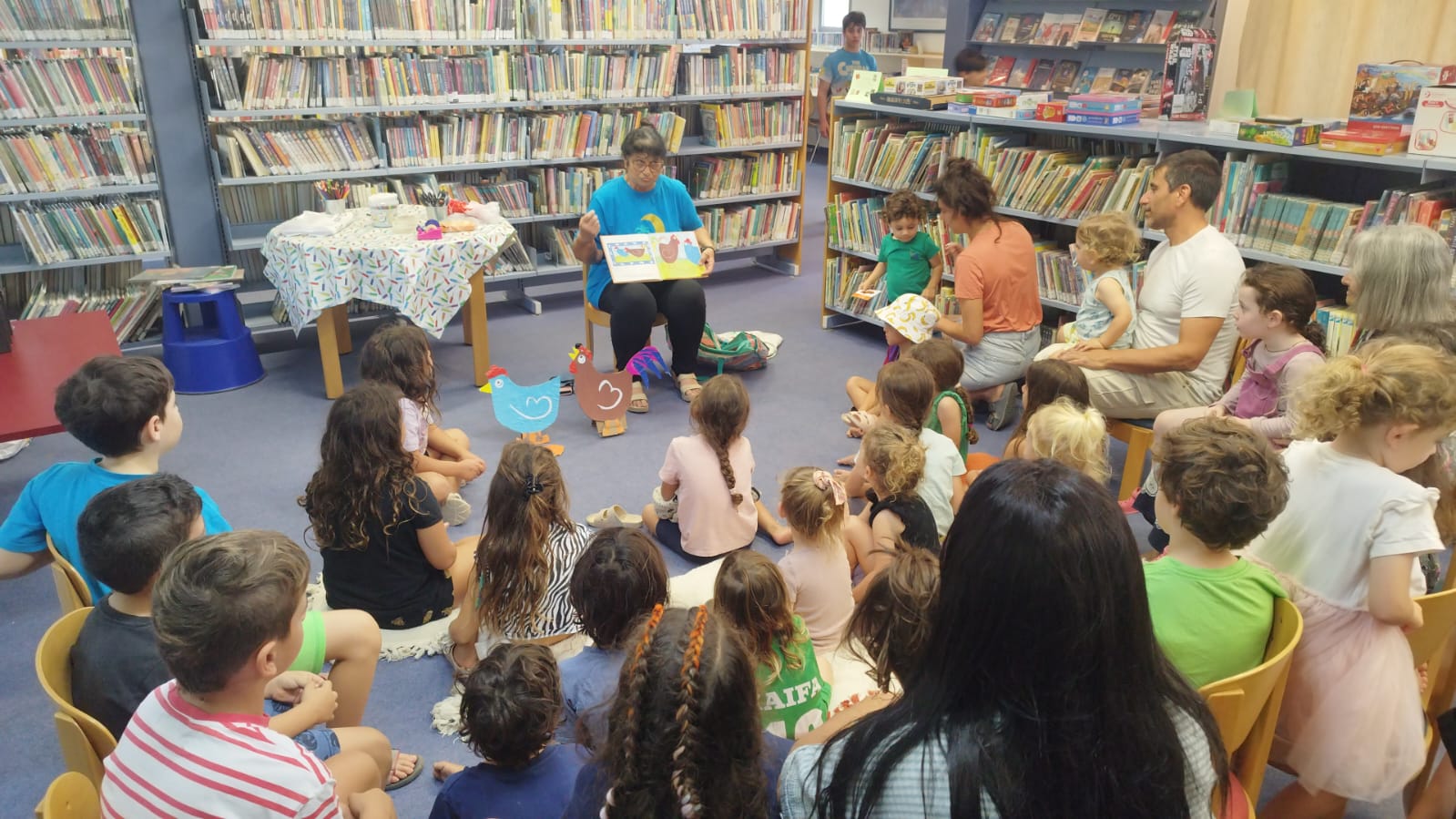
Member of the Kibbutz doing an activity with children of evacuees in the library
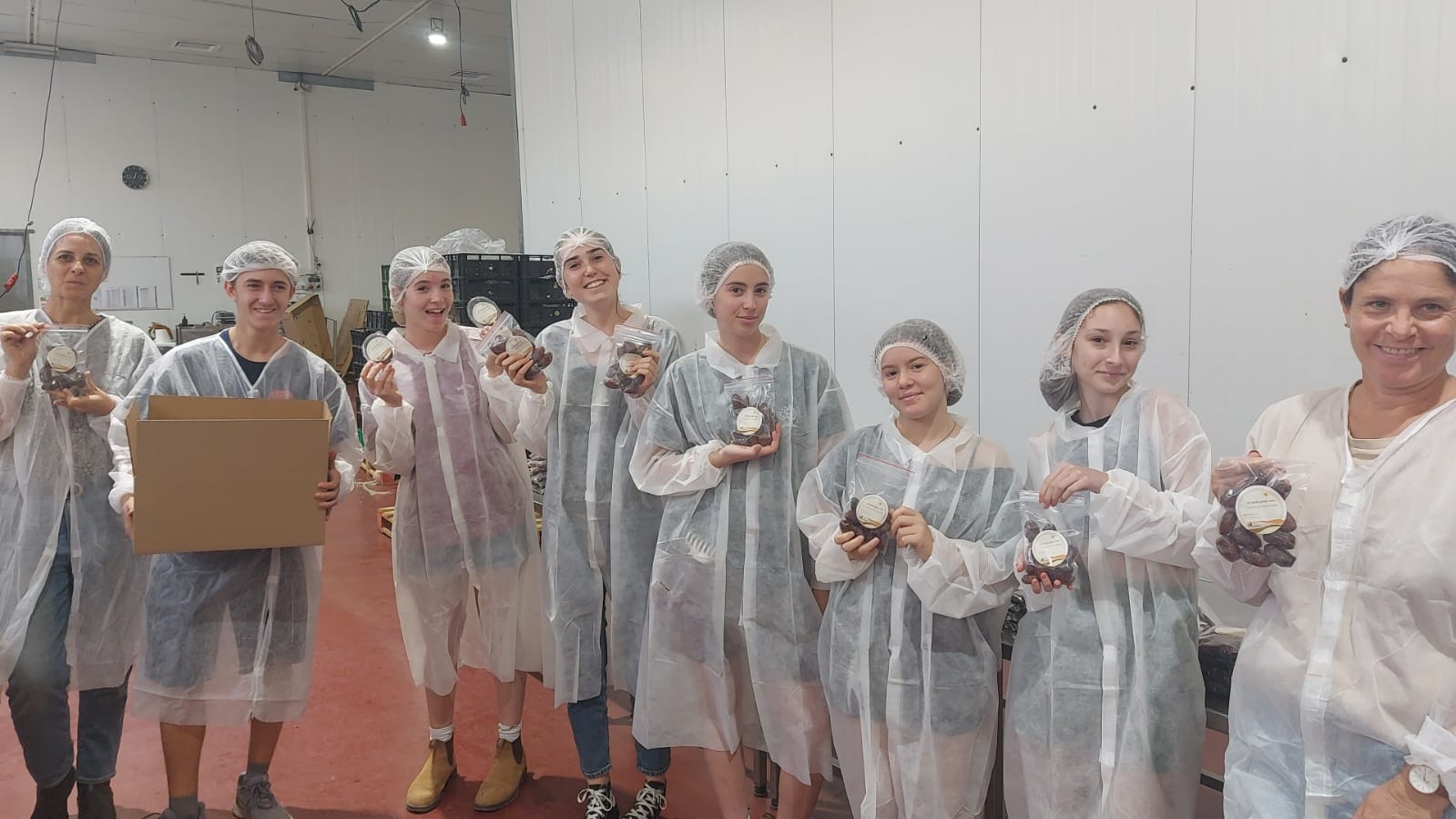
Packing dates to send to soldiers and evacuees
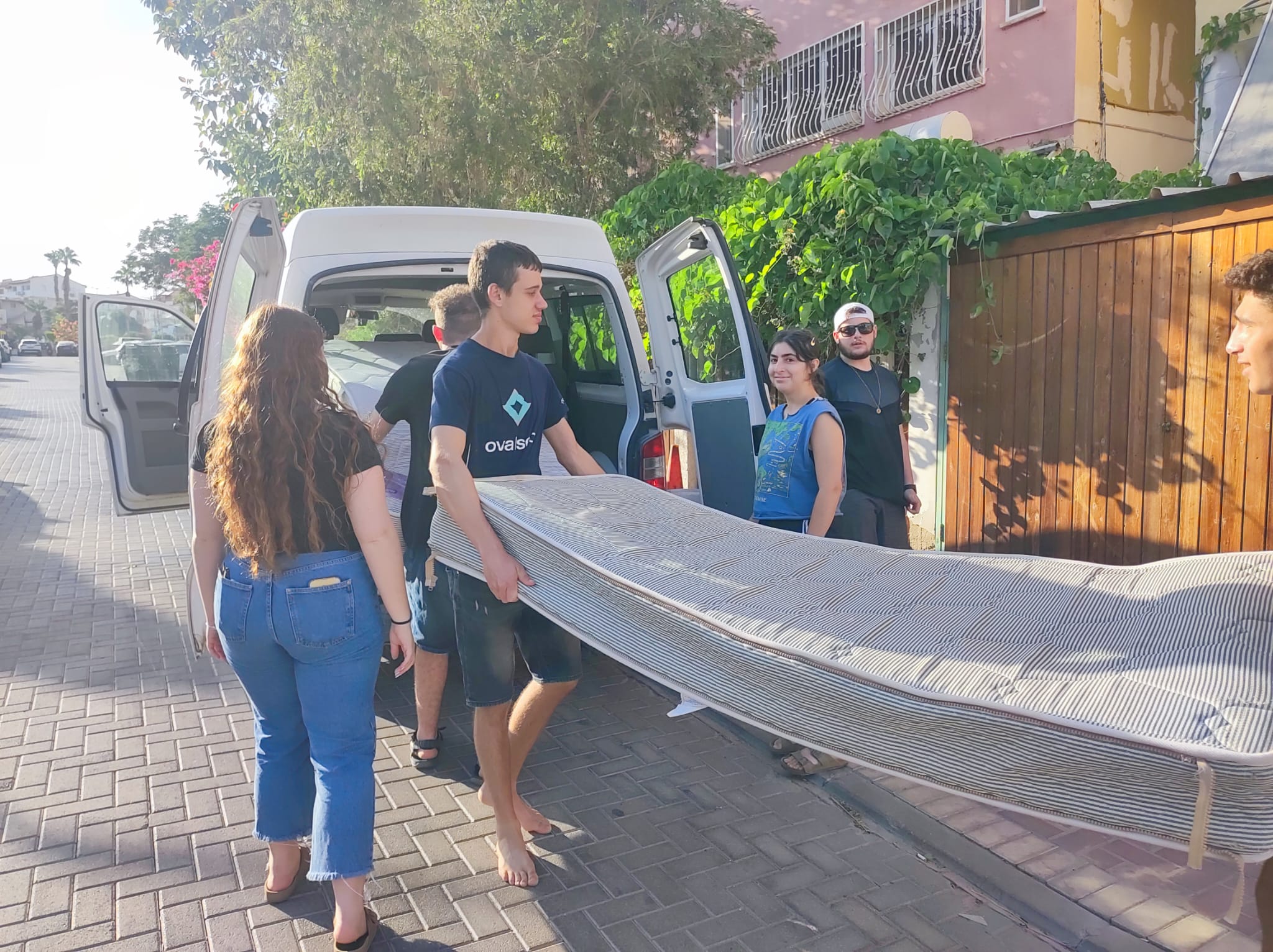
Loading mattresses on a truck at Ketura to take to Eilat
Alumni Volunteer Trip: Tracie’s Reflection

Alumni Volunteer Trip: Tracie’s Reflection

By Tracie Basch, Participant on Alumni Trip to Israel, January 2024

On the morning of October 7th, I was the last in the family to wake up. Coming out of my room I remember my 17 year old, saying “Mom, you need a hug.” I looked at him strangely, still half asleep, and he repeated it. He hugged me and said, “There was an attack.” Life changed. When reality settled in, I had one thought – I needed to go to Israel. A few days later I shared this with my husband, who, with the wisdom of 19 years of marriage replied, “tell me what you’re going to do, and we can talk.” Within weeks, Young Judea organized an Israel trip. Details were light – circumstances change constantly during war. The what didn’t matter. Being there did. And so, at the end of January, I found myself at JFK waiting for my El Al flight to Israel.

Upon landing, the stress that permeated my body and soul since October 7th disappeared. I truly felt safe (experiencing a Red Alert later in the week didn’t change that). My introduction to the current Israel began in the airport. There was a large ‘Bring Them Home’ banner with dog tags of all sizes hanging. The way to immigration is lined with posters of hostages. Not the usual greeting, but a foreshadowing of the week ahead. A week Being of Service and Bearing Witness.

Being of Service
Two grassroots organizations, Achim Laneshek and Eran’s Angels field requests for items – food, clothing, diapers, formula, books – from displaced families. They receive no government funding. There’s something about packing items for a two-month-old that has known nothing but a hotel room that just breaks you.

For two days we were agricultural workers in the Hefer Valley’s Moshav Achituv, responsible for growing 80% of Israel’s cucumbers. Most workers are either serving or are Thai who returned home. We removed leaves so the cucumbers got nutrients and picked cucumbers. Helping the farmers and feeding a nation torn by war was one of the most impactful and meaningful things I have ever done. Knowing the work that it took to convert this malaria infested swampland into lush and fertile farms and that my hands in the dirt followed those that came before me, connected me to Israel as never before. I could have picked cucumbers for days.

Bearing Witness
There isn’t anyone in Israel who hasn’t been personally impacted by October 7th. We were honored to meet some who not only shared their experiences but want the world to hear what happened. Here are some of their stories.

Noam, a 45-year-old single father of three survived Nova. He described the festival’s atmosphere as being “like a heart above us”. People were happy, free, alive. Until 6:30am. There was disbelief because this was “not the place where people were going to butcher you.” He rescued 15 people that day.

We met Gili Adar’s parents at her grave. Just 24 when she was murdered at Nova. By all accounts, she wasn’t just a ray of light – she was the sun itself.

Adele Raemer shared not only her survival story on Kibbutz Nirim, but that of her son-in-law and grandchildren also living there. The kibbutz is now relocated to Be’er Sheva and interestingly for a collective community, nobody discusses whether they will return. For the record, she will.

Timor is an Ashkelon police officer living in Sderot. He usually works a desk, but he answered the call that morning and, knew that his job was to delay the terrorists from entering Ashkelon. Shot in the arm, he applied a tourniquet and continued his mission, saving an untold number of lives. He has already undergone three surgeries.

Ramo Salmn El-Hazayil, a Bedouin police officer, took a security job at Nova. When leaving home that morning, something made him take a third magazine. Armed with just a 9mm and two magazines (he gave the third away), he single-handedly rescued over 200 teenagers – driving back and forth along the road to a greenhouse. Regardless of the experience and the person, there are consistent themes – nobody discussed politics, but ALL feel betrayed and let down by the government; all are heroes but don’t think that – they believe they did what needed to be done and what anyone would have done; they admit to still being IN trauma, in fact the entire country is IN trauma; the main goal is to bring the hostages home – everything else is secondary; it’s hard to envision a tomorrow, when today is October 7th the XXX (fill in for today), but there’s confidence that tomorrow WILL COME.

The People
A lot can be said of Israelis. I liken them to a sabra fruit – hard and prickly on the outside, but once you crack that outer skin, it is soft and sweet. The shell is there out of necessity. How else can over 130,000 people be displaced from their homes, moved into hotels and yet still smile and laugh?

The hotels are full with displaced people. Refugees in their own country. The common areas are gathering places. The lobby bar – where kids do homework. The corridor – home to a knitting circle. It is noisy and boisterous. As life should be.

At Aroma Café, a mile from Gaza, we met soldiers eating. They kept refusing our offer to buy lunch – because what about the others? Only when assured that the others were taken care of, could we pay. Gaza is a stone’s throw away, and these soldiers thanked us and told us we were brave for coming, that our presence gave them strength to complete the mission. They kept asking how things were in the US. Chayalim are a breed unto themselves.

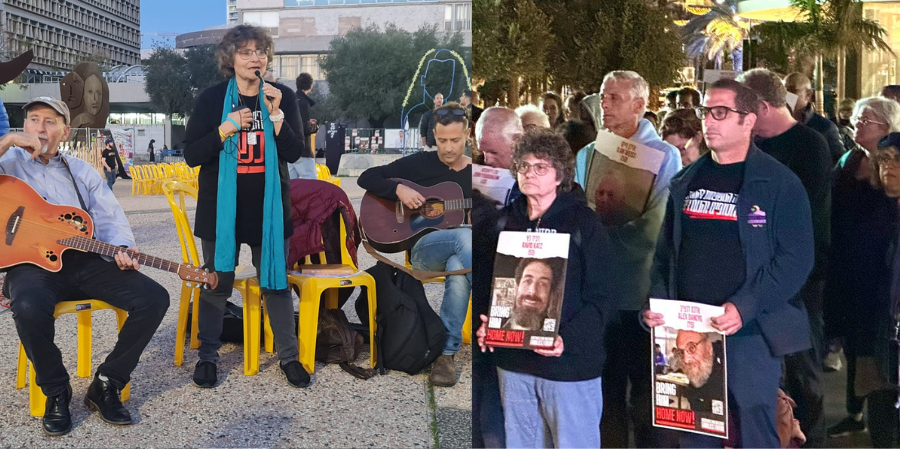
There are images forever seared in my brain. The soldier in Har Herzl at her boyfriend’s grave meticulously cleaning it, kissing the headstone, laying a rose, unable to leave. The man sitting between the graves of two brothers, born years apart, both dying October 7th. The group from Women Wage Peace who come to Hostage Square to keep attention on the hostages. The orthodox woman in Machne Yehuda in a feminine long flowing skirt and blouse, on her back a machine gun.

This is just the surface – I didn’t touch on the experts we heard from or our visit to Hadassah or what we heard from the head of the Rape & Sexual Assault Center Tel Aviv. I didn’t go into the details of each person’s story – trust me, each one is a harrowing tale of survival and how decisions made in a flash mean all the difference. To do all of this, would easily fill a novel.

If you can, go to Israel. Be there. It doesn’t matter if you can pack boxes, pick produce, make sandwiches – just be present. In addition to helping an economy devastated by war, our presence gives strength to the soldiers and the people. Am Yisrael Chai.

Alumni Volunteer Trip: Hila’s Reflection

Alumni Volunteer Trip: Hila’s Reflection

By Hila Beckerman, Participant on YJ Alum Volunteer Trip in Israel, January 2024

“So…how was it????” they ask with a smile on their face
In anticipation of fun stories from the Holy Land place,
The place where religions and cultures all melt,
The place where the bible landed its belt.

The place where the people want peace which won’t come,
Where humans are walking around like they’re numb,
Still in disbelief, horror, in shock and in pain,
From a dream exploded in torrential rain.

Coming into reality no one wanted to face,
Where a music festival turned into a race,
For survival, for escape, for a flight from the hell
That Noam, the survivor, will tell of his tale
Of sheer luck, sheer fate, and the guilt of survival,
The trauma on his face, his sign of arrival.

“How was it!?” I’ll reply, holding back tears
It was an awfully painful realization of fears.
The world marches on, people laugh, and they quip
But my mind is in Israel on the Young Judaea trip.
My body is home trying to get back to tomorrow,
But my mind is a sad heavy sponge full of sorrow.

For the world that didn’t have to suffer this way,
For Gili’s parents who sit and watch the sunset each day,
Without their beautiful girl with a smile you can’t miss
For all the families whose loved ones they’ll no longer kiss.

Yet despite all the sadness, anger, and hate,
We also bore witness to a power so great,
So unexpected, so strong, that it left me in awe –
The power of people that even so raw,
So damaged, so hurt, each stepped in where they could
Because staying at home was not something they would
Do at a time when their people were hurting,
Hotels full of families relocated, diverting,
Shouting at protests, demanding a change,
Coming up with solutions for problems that range
From toys for the children displaced from their homes
To food for the soldiers, shaving kits, and combs.

One little country, a home for the Jews
Saved from the slaughter by the kindness of Druze.
Working together, heroes arose
All fighting, united, against common foes.

And that is the light at the end of their tunnel
The light that will focus us all like a funnel,
Concentrating the power the people possess
The love and the beauty of a land which is blessed.
They – from within, and us from a distance,
Endlessly, lovingly offer assistance,
No task is too great, no objective too tall
To help our dear country up when it falls.
There is no doubt we will all dance again,
In peace and in safety, we’ll all sing Amen.

For more participant reflections click here

Beyachad Nenatzeach – Together we will prevail

Beyachad Nenatzeach – Together we will prevail

By Adina Frydman, Young Judaea CEO, after traveling to Israel on an Alumni Volunteer trip in January 2024

I am on a plane on my way home from leading a Young Judaea alumni trip to Israel, where we spent 6 days volunteering, bearing witness by hearing stories from survivors, victims, and heroes, and seeing firsthand the physical, emotional, and spiritual toll of this war. The alumni spanned from ages 35 to 75 and represented a range of Young Judaea experiences from our summer camps to our gap year, to our year-round youth programming. What united us was the single-minded mission we were on: to listen, to learn and to help.

This is the first trip to Israel I have led since October 7th, and I had assumptions of what Israel might be like at this time, but what I could not have been prepared for was the atmosphere/the avira of unfolding trauma in Israel. It is very hard to process or move on when it is not yet over. Everyone has a personal connection, someone lost, someone missing, someone serving in or near Gaza or on the Lebanon border. What you feel when talking to people is that there has been a rupture. Not only because of the profound losses but also because of many of the things that Israelis held to be true are now in question.

One thing that is certain is the tremendous resiliency that is emerging in the form of volunteerism, and it is a great unifier. Israelis are a living example of “kol Israel areyvim ze ba zeh” – one caring for the other. Everywhere you look there are acts of hesed/kindness. Families setting up pop up restaurants in gas stations to serve food to soldiers, massive collection and distribution sites led by volunteers to provide essentials to displaced families, individuals taking time off of work to help farmers with their farms, so their harvests are not spoiled, and hundreds more examples of a civil society being built from the grass roots up.


Most Israelis have a clear sense of what needs to be done now, bringing the hostages home, versus what will need to be done when the war is over. They are still very much in it, and clear about the unity that should prevail at this time. As I look around, I see that people are tired, disillusioned, and conflicted. This is the most honest and vulnerable I have seen Israel in my lifetime. Perhaps it is from this authentic and raw place that we will figure out what tomorrow will look like.

As we wrapped up our trip, we wondered how we would bring home what we learned.

There is no simple answer to the question, “how was it?” but we are each bringing back the stories of individuals, the stories that reveal the pain of the loss and the pride of the heroism, the agony of the waiting, and the joy that persists in everyday living. Weddings are still taking place, babies are still being born, and life goes on – it is the ultimate act of resistance. We have a responsibility to share their stories, to show them they are not alone and that we are with them. Everywhere we turned people thanked us, thanked us? Can you believe it? Having given the ultimate sacrifice, it was us who should be thanking them. But the truth is that they feel incredibly isolated, alone, and tired. If each of us took the time in the coming months to go to Israel and to do our small part by listening, hugging, and volunteering, it would help us collectively heal and find the inner strength to figure out what’s next and how we can move together towards that future. No one has the answers now but it is clear that there is no going back to where we were, and it is not yet clear where we need to go.

As the CEO of Young Judaea, one of the oldest Zionist youth movements in North America I spend a lot of time thinking about today’s Jewish youth and their connection to Israel. I am very concerned. This moment has revealed some deep cracks in our approach to Israel education. While this moment has pulled some closer to Israel, it has pushed many further away. We cannot ignore the North American context within which we live that gives preference to universal values over particular/nationalistic ones. We cannot ignore that a large segment of our Jewish youth got the memo about caring about humanity, and although this is a great thing, somehow it creates a blind spot when it comes to Israel because it doesn’t fit neatly in the narrative for us to be the oppressed. We cannot ignore that even Israelis have found a way to love and to criticize Israel but that somehow for North Americans, Israel has become so precious, the narrative so polished that we created an impossible ideal, one built mostly on hasbara/advocacy, that is sure to disappoint.

Our teens, college students and young adults are lost at this moment. We have not prepared them, and we have only fed into the binaries of left and right and pro or anti that are driving them out instead of keeping them connected.

At Young Judaea, we talk about a Zionist big tent, a safe space for youth to learn about, engage with, and think critically about Israel. Underlying is a deep and unwavering Ahavat Israel, not a love specifically of Israeli government or military policies of any given moment, but an abiding love for the Israel that ought to be. The Israel of our Zionist dreams and the one that we commit to work towards. Alongside that love of Zionism is a commitment to tikkun olam, to repairing the broader world. A commitment to both our particular and universal ideals. We don’t have to choose; they can stand side by side. We marched for civil rights for African Americans AND for freeing of our soviet Jewry, we advocate for humanitarian aid for Gazans AND condemn the horrific massacre against our people enacted by Hamas. We can proclaim that “all people matter” AND that we have a unique responsibility to our Jewish community.

The most vulnerable among us at this moment are those who closely align with social justice causes and communities yet feel deeply connected yet conflicted about Israel. They have been shunned by their fellow social justice advocates simply because they are Jewish, and anti-Israel and anti-Jewish sentiments are now co-mingled, yet they feel conflicted about an a purely pro-Israel approach. These young Jews are literally in no-man’s land, and we are at risk of losing them. How can we create a place in our tents for them? They represent the “troubled committed,” as Donniel Hartman would say.

Can we model the vulnerability and honesty of Israelis at this moment, acknowledging both the resolve and support while engaging in deep heshbon hanefesh, soul searching for what we want this nation-state of ours to become?  What is our role in that? How can we, as North American Zionist organizations model the unity that is so desperately needed to help us emerge triumphant in this moment.

Gil Troy, historian and scholar of Zionism, and Young Judaea alum, said it this way during the closing talk of our trip. Everywhere in Israel we see the words, “B’yachad N’natzeach”. But N’natzeach is not necessarily only about a military victory, it is about the fact that together, only in unity, will we triumph, rebuilding our individual and collective spirit, our inter and intra community relationships, our civil society, enacting our historic and renewed Zionist ideals. Although alone we may feel defeated, together, we will prevail.

I was struck with the group traveling how connected we felt at the end of the trip, yes, we had experienced something transformational and been vulnerable together, but more than that, it was the experience of this trip that reignited our Young Judaean ideals. Deep down within each of us is that optimistic child, who, fueled by their idealism and encouraged by their group of friends, can work toward a better tomorrow. That is the ageless power of being part of this movement.

Reflections from the Alumni Israel Volunteer Trip

Reflections from the Alumni Israel Volunteer Trip

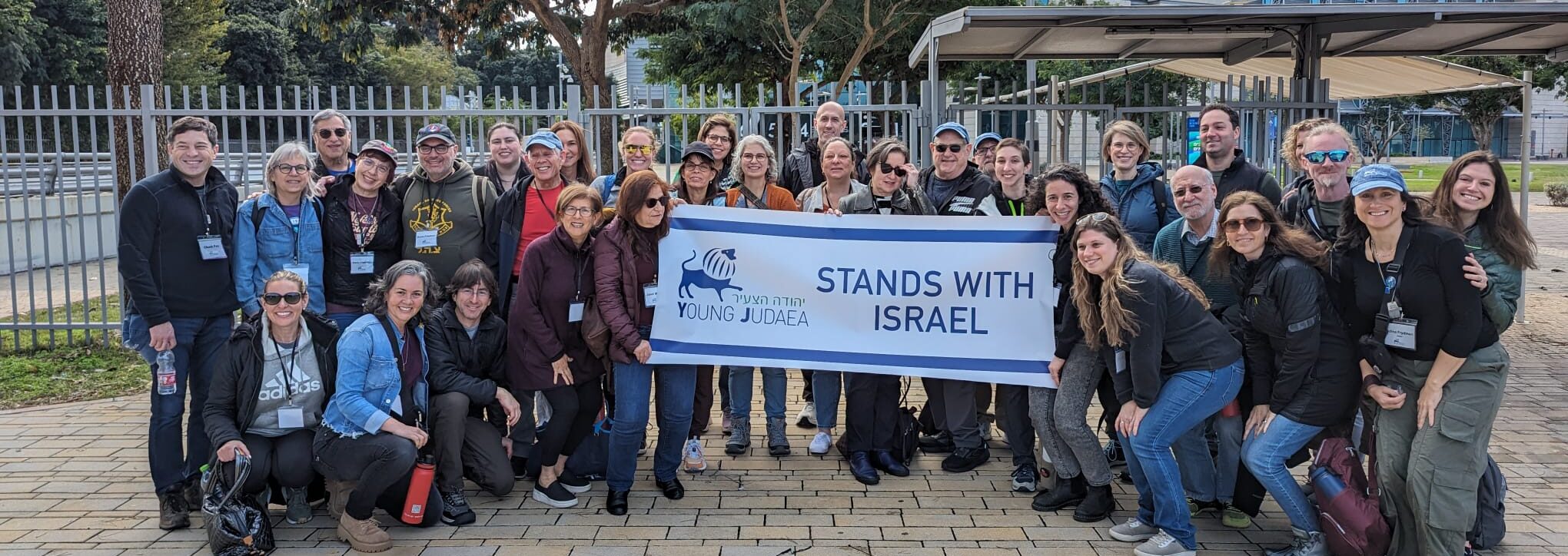
Several months following the October 7th attacks on Israel, 30 Young Judaea Alumni embarked on a transformative volunteer trip in Israel. The group spent time volunteering with various organizations, heard stories from survivors and heroes of the war, attended a panel of YJ Alum living in Israel, spent an evening with Year Course and had Shabbat at Kibbutz Ketura.

Below are excerpts from journals and reflections of the participants:

Talia Goldin

✈ How was it? I’m asked, as I think back to sharing a hotel with over 150 displaced families, who can’t go home because their communities have been destroyed.

🏡 How was it? I’m asked, as I recall our conversations with Nova Festival survivors, first responders, and kibbutzniks, who have been through hell and back – seeing atrocities nobody should ever have to witness, who lost loved ones violently in front of their eyes.

💔 How was it? I’m asked, as I think about the farm that supplies 80% of the country’s cucumbers, desperately appreciative we had come to volunteer, because they should have 35 workers and now they only have 2.

🧺 How was it? I’m asked, as I remember the faces of 130+ hostages, still in Hamas captivity, plastered on every wall, every building, every walkway.

🏢 How was it? I’m asked, as I think back to 10 days in my beloved country, a place whose people are crying and broken. Who are begging for the world to stand with them, but are being met by more hate.

Things will never be the same in Israel, but I will always be there for you, especially when you need me. To learn, to help, to hug, to listen. I stand with you forever and always.

💙 Am Yisrael Chai 💙

Rachel Plafker Esrig

Each resident that we met was quick to tell us their individual October 7th story. The entire country was, analogously, like the United States on September 12, 2001. Speaking slowly, with precise diction and obvious emotion, we witnessed Israelis in some yet unspecified stage of shock, but needing to share their experience as a step in their eventual healing. We had meals with many friends and acquaintances during our week. They had all lost count of the many shivas they had attended.  And again, each one needed to share in order to process. They needed us to know about their trauma: their murdered or kidnapped relatives, their newfound lack of trust given that they had believed relations with Gazan had rested on something akin to mutual respect and personal interactions.

The other prevailing message was one of gratitude.  By just stepping on Israeli soil, we had already helped.   They could not believe that middle aged, “comfortable” Americans had taken time out of their daily lives and jobs to pick their weeds, irrigate fields, clean their childrens’ toys, but most of all:  to listen.  They felt seen, heard and understood, to the best of our insufficient abilities.  We felt like human sponges, soaking all their sadness.

Read the Full Blog Here


Ann Baker Ronn

We visited the Bedouin village of Rahat and heard an unbelievable story of Bedouin Police Officer Ramo who saved over 200 lives at the Nova Music Festival. He arrived around 6 AM for his shift (a way to make extra money for his family) and soon after he arrived hundreds of rockets started. He and a colleague took a photo in front of the festival tent saying if they survived the photo would be a memory of their morning.

When the Hamas Terrorists arrived, he witnessed 26 other officers killed, leaving only 10 police officers to assist the 3500 attendees. His regular job is a homicide detective. His car was hit by a RPG so he searched for a car that had gas and keys in it. Once he located a car with keys and gas he drove frantically to gather young people into the car.  He drove them to safety in nearby greenhouses.

Read the Full Blog Here

Rabbi Neal I Borovitz

From the military cemetery on Mount Herzl we proceeded to Hadassah Hospital where we fulfilled the Mitzvah of Bikur Holit , visiting the sick, including a police officer who was wounded in Sderot on October 7th by the Hamas terrorists who invaded Israel. We also met with a Haddassah nurse who had just returned from active duty in Gaza. In addition to describing for us the emotional experience of delivering  a Palestinian baby under fire in Gaza, he described for us  the  experience of  rescuing wounded soldiers from battle in an “ open Humvee”. This nurse’s description of both saving soldiers and delivering a Palestinian child, while under fire in Gaza, coupled  with the story I heard from a friend that night regarding her son in law’s experience in riding along as the” protection “ on one of these rescue vehicles, I have come to a new level of realization of how ingrained in the psyche and souls of Israelis is the Talmudic teaching of the ultimate value of every single human life, Jew or Non Jew.

Read the Full Blog Here


Adina Frydman

There is no simple answer to the question, “how was it?” but we are each bringing back the stories of individuals, the stories that reveal the pain of the loss and the pride of the heroism, the agony of the waiting, and the joy that persists in everyday living. Weddings are still taking place, babies are still being born, and life goes on – it is the ultimate act of resistance. We have a responsibility to share their stories, to show them they are not alone and that we are with them. Everywhere we turned people thanked us, thanked us? Can you believe it? Having given the ultimate sacrifice, it was us who should be thanking them. But the truth is that they feel incredibly isolated, alone, and tired. If each of us took the time in the coming months to go to Israel and to do our small part by listening, hugging, and volunteering, it would help us collectively heal and find the inner strength to figure out what’s next and how we can move together towards that future. No one has the answers now but it is clear that there is no going back to where we were, and it is not yet clear where we need to go.

Read the Full Blog Here


Chuck Fox

Read Chuck’s detailed recount of stories from survivors and heroes of the war, as told to the group in Israel.

Vivian Genn-Pittman

I was nervous and also excited to go to Israel during this uncertain time.

Once in Israel, my heart was both broken and full. I was emotional, and grateful to be there.

I was inspired to be in Israel, to be in our beautiful country, our Jewish homeland, and to see people coming together to help, repair and move forward with strength.

In Israel, I laughed with family and friends, and cried at the devastating loss and ongoing challenges. I learned from soldiers within and close to my family about the unbelievable situations they face daily, and spoke with people who have lost loved ones or are waiting for loved ones to return home. I listened to one cousin decide which funeral to attend as she had two in one day, another explain the great measures the IDF takes to preserve all civilian life, and yet another explain how she and other psychologists are completely overwhelmed by the enormous and seemingly never-ending needs of a traumatized society.

Read the Full Blog Here


Tracie Basch

A lot can be said of Israelis. I liken them to a sabra fruit – hard and prickly on the outside, but once you crack that outer skin, it is soft and sweet. The shell is there out of necessity. How else can over 130,000 people be displaced from their homes, moved into hotels and yet still smile and laugh?

Read the Full Blog Here

Alumni Volunteer Trip: Neal’s Reflection

Alumni Volunteer Trip: Neal’s Reflection

An Insightful and Emotional Journey in Israel

By Rabbi Neal I Borovitz

Rabbi Emeritus Temple Avodat Shalom River Edge NJ

YJ Alum, Participant on the YJ Alumni Volunteer Trip in Israel, January 2024

In Mishna Peah we learn that among the Mitzvot that are “beyond measure” are “Gemilut Hasadim” Deeds of Kindness. Our liturgy defines this category of action to include the affirmative actions of visiting the sick and comforting the bereaved.

On my most recent trip to Israel as part of a Young Judaea Volunteer group, (January 26-February 4)  I came to understand the true meaning of this teaching. I have been traveling regularly to Israel since 1968 when I spent my junior year of college in Israel. Over the last 56 years,  I have been to Israel in both joyous times and difficult days; at celebrations of peace and in times of war. Never before, even in the depths of the Intifada has my awe and admiration for the Israeli public been greater, as I experienced first hand average Israelis standing up for each other and reaching out to help each other in the face of the greatest existential crisis in the  history of Israel.

I specifically chose this Young Judaea trip because it was a week built around three days of volunteer service. I didn’t want to just bear witness to the tragedy of this war, but rather wanted to experience first hand the volunteer efforts that Israeli Civil society are undertaking

For two days we volunteered  with “Achim Bneshek”  Brothers in Arms, a volunteer group that arose a year ago as one of the leading organizers of the public protests against the Israeli government’s attack on the Court system. On October 7th, this protest group, led by retired and reserve military officers, pivoted from political action to social service. We volunteered at a vast distribution center that has been set up at the  Tel Aviv Expo convention center,  where supplies are gathered, sorted and distributed to the nearly 200,000 Israelis who have been displaced from their homes in both the North and South of Israel by this war. Packing boxes with food, hygiene supplies, clothing and toys requested by families, was truly a Mitzvah “ beyond measure”. Having met many multi generational families living in our hotel in Tel Aviv who have been displaced from both Sederet on the Gaza border and Kiryat Shmona on the Lebanon border who are recipients of packages such as we were preparing, made me feel both grateful and sad; Grateful that Israelis are saying through these action, Hineni, I am here to help my brethren, and sad that this is necessary.

Our third day of volunteering involved harvesting cucumbers on a Moshav. The majority of foreign workers who worked in agriculture have fled Israel following the Hamas invasion and massacre of October 7th. The overall labor shortage in  Israel is made even worse by the massive number of Israelis who have been called up to active duty. The depth of  gratitude of the farmer whose crops were helping to harvest was confirmation for many of us that our presence in Israel at this time was truly beyond measure.

While the focus of the Young Judaea trip was volunteering our time with NGO groups which have stepped into the void left by the government’s inability to meet the social service needs of hundreds of thousands of Israelis, I did have limited time to visit Israeli friends and to  hear their personal stories about how October 7th and the War, now in its sixth month,  have impacted them, their children and grandchildren and the families of every Israeli. The fear for the fate of the hostages, the concern for the soldiers on the front lines and their anger and frustration with both Hamas and the Israeli government was clear. So too was their determination to do their part to not only survive this war but to rebuild a better Israel.

These feelings were amplified  in meeting with the families of hostages and those murdered on October 7th  and listening to their anger and frustration with both the Israeli government’s inaction on October 7th and what they see as its non prioritizing of the fate of the remaining hostages. One of the most powerful experiences of the week was standing in the rain with parents at the grave  of their 24 year old daughter Gili,  who was  murdered at the Nova music festival. Members of our group knew Gili, who had been a counselor at  Young Judaea Camp Tel Yehudah this past summer.

Another poignant experience for me was Reading Amichai’s poem “The Diameter of the Bomb” and reciting memorial prayers on Mount Herzl at the fresh graves of soldiers who have fallen in Gaza.  The constant flow of strangers, friends and family, along with uniformed soldiers coming by to cry while expressing gratitude and love was overwhelming.

From the military cemetery on Mount Herzl we proceeded to Hadassah Hospital where we fulfilled the Mitzvah of Bikur Holit , visiting the sick, including a police officer who was wounded in Sderot on October 7th by the Hamas terrorists who invaded Israel. We also met with a Hadassah nurse who had just returned from active duty in Gaza. In addition to describing for us the emotional experience of delivering  a Palestinian baby under fire in Gaza, he described for us  the  experience of  rescuing wounded soldiers from battle in an “ open Humvee.” This nurse’s description of both saving soldiers and delivering a Palestinian child, while under fire in Gaza, coupled with the story I heard from a friend that night regarding her son in law’s experience in riding along as the” protection “ on one of these rescue vehicles, I have come to a new level of realization of how ingrained in the psyche and souls of Israelis is the Talmudic teaching of the ultimate value of every single human life, Jew or Non Jew.

On Friday on our way to spend Shabbat at Kibbutz Ketura, we stopped in a Bedouin community, Rahat near a Beer Sheva.  There we heard  the story of an Israeli Bedouin police officer who personally saved some 200 people from the Nova festival by continually driving out small groups of festival attendees to safety in his car. The officer, speaking to us in Hebrew, was adamant in not seeing his actions as heroic. Rather for him, it was his responsibility as a policeman, as an Israeli and as a human being. His regret was his inability to help more people.

Shabbat at Kibbutz Ketura offered the thirty of us who had traveled together a spiritual opportunity for reflection and left me with true hope for the future of Israel.

Ketura is a Kibbutz  founded 50 years ago  by Young Judaeans who had made Aliyah. Originally a kibbutz whose economy was based upon agriculture, Ketura is today the solar energy “engine” of Israel. In addition to the solar power it produces and sells, in Israel and Jordan that powers multiple communities on both sides of the border, its Arafat Institute is a world class research institute where Israelis, Jordanians and Palestinians work and study together.

In informal discussions before and after Shabbat services and in and around the dining hall, I was awed by the facts that the members of this Kibbutz community remained firmly committed to BOTH the security of Israel and safety of all its citizens, Jews and Arabs alike, but also equally committed to pursuing, what I believe is the awesome  task which, post October 7th has become an even greater imperative; a two state solution where Palestinians have the right and responsibility to live independently and at peace with Israel.

For more participant reflections click here