Year Course Has Made Me More Connected to Judaism
I come from a modern orthodox background, I went to a Jewish day…

I come from a modern orthodox background, I went to a Jewish day…
My name is Miriam Alexander, I am a senior at the University of Michigan studying Screen Arts & Cultures. I have been a member of Young Judaea since my first summer at CYJ Midwest in 2003. YJ has cultivated my love of Jewish education and tikun olam. For two consecutive summers I led the Women’s rights tikun group as part of the Tel Yehudah Hadracha program. I urged our chanichim (campers) to think critically about systematic discrimination and what our obligation is as Jews to resolve this issue among others. My passion for social justice and working with young adults led to me to staff AWB in Los Angeles two years ago. I had an amazing time and can’t wait to bring that same enthusiasm to Charleston!
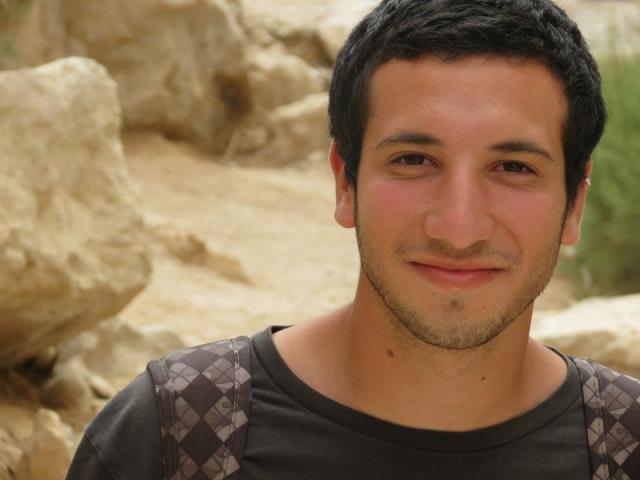
Hi. My name is Itamar Bliman and I am the Southeast Shaliach for Young Judaea. I’ve also been a shaliach at CYJ Texas AND CYJ Midwest and this summer, I’ll be at Camp Judaea. After growing up in the Israel Scouts in Haifa, I spent my “shnat sherut” (year before the army) on Year Course, volunteering alongside Young Judaeans. I look forward to doing that again on Alternative Winter Break.
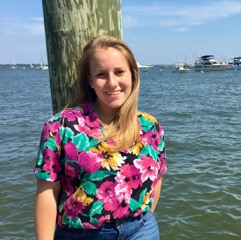
Hi! My name is Stephanie Blitzer and I am a senior at American University studying International Development and Global Health. I’ve been involved with Young Judaea since 2004 when I was an Ofie at CYJ Sprout Lake, attended Tel Yehudah and worked there as a staff member. It was during my time in Young Judaea as a leader, that I realized my passion for social justice. Throughout high school, I attended and helped program AWB trips to New Orleans and New York and was a volunteer staff member to AWB Los Angeles in 2015. I am looking forward to staffing AWB in Charleston this year! I’m looking forward to exploring topics around racial divide and discrimination with our chanichim, and helping to brainstorm ways to make this world a better place.
My name is Ariel and I’m thrilled to be staffing AWB for the third time. I’m a senior studying educational policy at Hunter College. I just spent my eleventh summer with Young Judaea and my fifth year as a staff member. I’m especially excited to be staffing AWB to South Carolina. My first year staffing AWB to NOLA, my brother attended the trip as a participant. He was inspired by our work rebuilding houses with Saint Bernard Project and he’s now spending his gap year with SBP in South Carolina. I’m so excited to accompany students on the inspirational and potentially life altering experience that is AWB.
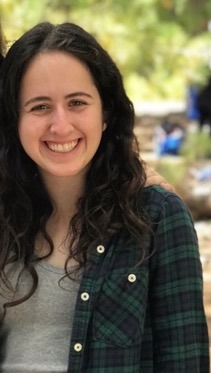
My name is Michaela Davenport and I am currently a Sophomore at the University of Arizona. I am studying Political Science and Sociology. I am staffing AWB because it had a huge impact on me as a participant. I learned so much about the world around me and how working with local organizations can effect positive change within communities. I am so excited to be able to give others the same type of positive experiences I had
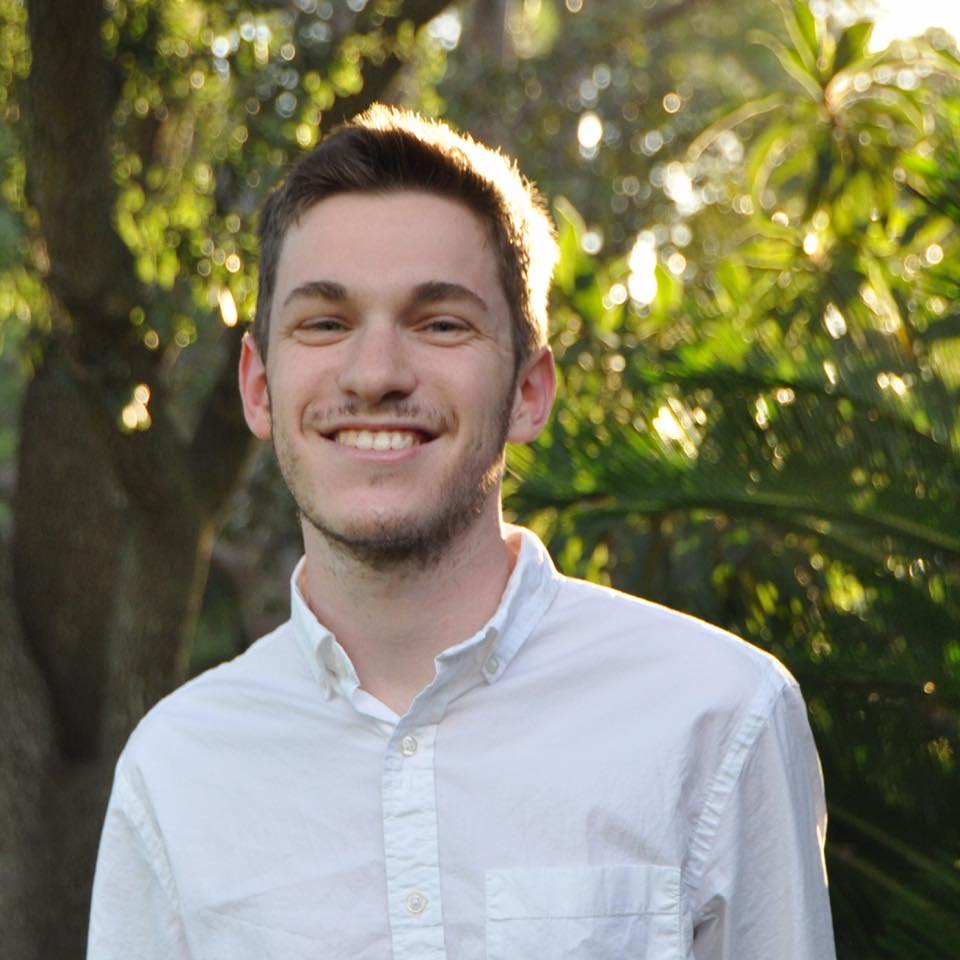
My name is Brett L. Kleiman, a Sophomore at Emory University where I study Political Science and History. I am from Houston, Texas and was a camper at CYJ Texas from 2005-2011, a camper at TY from 2012-13, and a Year Course participant in 2015-16. I attended AWB all four years of my high school career (Nola twice, LA, and Arizona) and it taught me a lot about my place in the world and the inequity in our country. I am so honored to be able to be giving back to the YJ community and to help facilitate an incredible experience for these AWB participants.
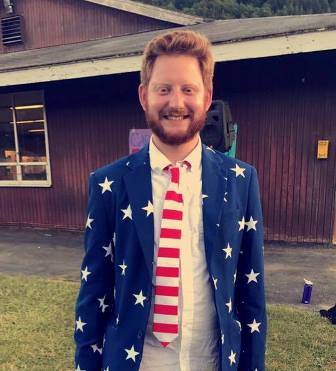
Hi Everyone! I’m Nathan Rubinger and I’m the program coordinator for Young Judaea. I can’t tell you how happy I am that this years Alternative Winter Break will be happening in my home state of South Carolina! I graduated last year from Columbia University and the Jewish Theological Seminary. During my time in college I had the opportunity to staff a few AWB’s. As someone who grew up in Young Judaea I truly believe AWB is one of our most impactful programs. I can’t wait to see how this years program inspires our leaders to go back to their communities and make change.
Read more about AWB at www.youngjudaea.org/awb or email winterbreak@youngjudaea.org for more information
This year on Year Course we’re changing things up a bit, and giving you the opportunity to experience Year Course from a first person perspective. Between the different classes and trips, the community, and diversity of the participants, our Ambassadors are going to be the new lenses of Year Course. With half of them starting in Kedma and half of them starting in Yama there will be a great equal view of all aspects of the program.
I would like to introduce you to Year Course 17-18’s Social Media Ambassadors

Jordan Pressel: From New Jersey, he loves taking photos and exploring the non-touristy attractions, so people following his social media will see the major sites and attractions, but also some lesser known (but just as cool) places! He is relatively new the Young Judaea movement although has already experienced the welcoming community and wants to encourage those who are considering getting involved with YJ that Year Course is one of the friendliest and warm environments. Follow his Instagram @jspressel36
Noa Krakow: Coming from Pennsylvania, she has been a part of the Young Judaea throughout her life and couldn’t imagine her life without this community. She would like to share her experiences and everything that she has learned with others. She wants to inspire others while living in Israel and believe that Year Course will provide her with the stage to show off Israel’s diversity, opportunity, and beauty to the rest of the world. Follow her Instagram @naokrakow
Estee Segan: Sunny Florida, she comes to Year Course as someone who has been one to cherish the moment and revel in its treasures. Whether those treasures are a lesson, an experience, a tool for the future, or a milestone; the treasures that important moments in our lives provide to us are essential in developing the story of who we are. She intends to appreciate every moment during her Year Course experience and will exploit the positive nature of each event that Year Course provides for them. She is excited to provide a platform of memories that help develop the story of who she and her peers will become on this amazing journey, so that they can look back and see how far they’ve come. Follow her Instagram @esteesegan
Elena Smith: Joining Year Course from Connecticut, Elena has always loved taking photographs and making memories. Her goals as one of our Year Course Social Media Ambassadors is to document the different adventures and memories that she and her fellow year coursers create. Something that they can look back on a share with the world their travels throughout their Israeli journey. You can follow her Instagram @the.elena.smith as well as her photo blog at mytinylegacies.wordpress.com
My name is Itamar Bliman and I am 24 years old. I was an active participant and then leader in the Israel Scouts in Haifa. The youth movement is something that is so connected to who I am as a person. It has influenced every step of my life; socially, educationally and personally. It was because of the movement that I chose to participate as a Tzofeh (Scout) on Young Judaea’s Year Course for my year of service before the army. There I volunteered alongside Year Coursers in Bat Yam and participated in many of their amazing programs.
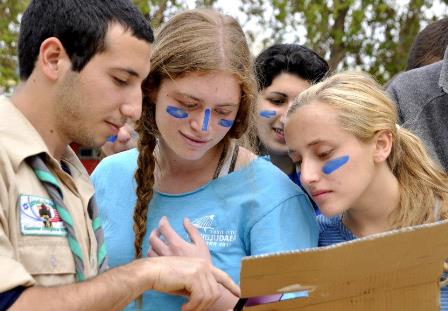
It was here that I started my relationship with Young Judaea. When I met the teens that grew up in Young Judaea, I saw that there were so many similarities with my own experience, as they related to Zionism, Hadracha (leadership) and Jewish values. Right then and there, I fell in love with Young Judaea.
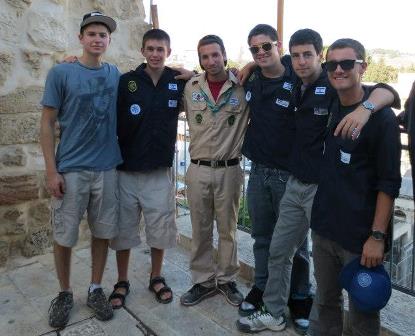
I continued this relationship the summer after Year Course when I represented Garin Atid at Camp Young Judaea Texas and even during my army service when I spent the summer of 2016 at Camp Young Judaea Midwest.
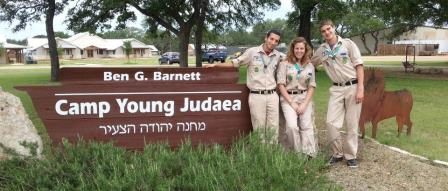
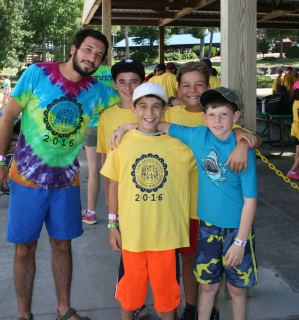
It was because of this that it was so easy to make the decision to join Young Judaea on Shlichut and to give to kids and teens what I experienced in the Scouts. After being a part of Young Judaea nothing makes me happier than continuing to be a part of YJ and being given this amazing opportunity. Along with my work with Young Judaea, I will work with Garin Tzabar, the Scouts pre-army program and this summer, I will join many of the teens and children at Camp Judaea.

Hi everyone, my name is Gonni Kern and I will be joining Young Judaea as the DC/MD/VA Shlicha at the end of August.
I am 22 years old. I was born and raised in Tel Aviv and I have two sisters. I am a sandwich girl. My mother was born on kibbutz and my father was born in the city. The combination of these two worlds opened the opportunity of traveling in Israel and around the world, and also opened the world of youth movements to me. From 4th grade to 12th grade I was in the Tzofim (Scouts) movement in the Shevet (tribe or group) close to my home. I started as a regular scout member and then I was appointed to be a counselor for 10 year olds. I was the head of a 5th grade battalion and graduated as an educational coordinator in the Shevet. I remember most of my life in the Shevet and it truly made me who I am today and where I learned many of the values through which I live my life. The Scouts taught me to live and be part of a group, to know how to give and not just to take, and earn the privilege to educate and lead people after me from an early age.
In 2014 I was drafted to the IDF to the education unit where my duty was to guide combat soldiers about Jerusalem and military values. Toward the end of the service, I was chosen to be the commander of an educational crew to train the next generation in the unit.
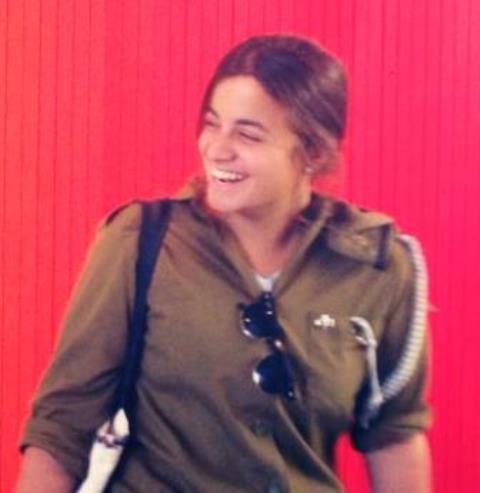
In the past year, I flew to a summer camp in Canada through the Jewish Agency where I was a general counselor, then traveled in Central America. I currently work for the Scouts in Israel and with children in a school in Tel Aviv.
When I think at what youth movements can give and the importance of participation, I remember myself at the age 9 when I joined the a youth movement. Youth movements are the way of young people to talk, to be and to reach self-fulfillment, especially to contribute and influence society.
My desire to embark on a mission elsewhere, far from family and friends, is reinforced by believing that the connection with Israel and the diaspora is important and must be intensified. By coming to you I would like to share with you my Israeli experience.
I will also be working at the Rockville Maryland Scouts Shevet and hope to bring together my Scouts and Judaeans often.
I wholeheartedly believe it will be a good year for us all!

By: Zachary Adler
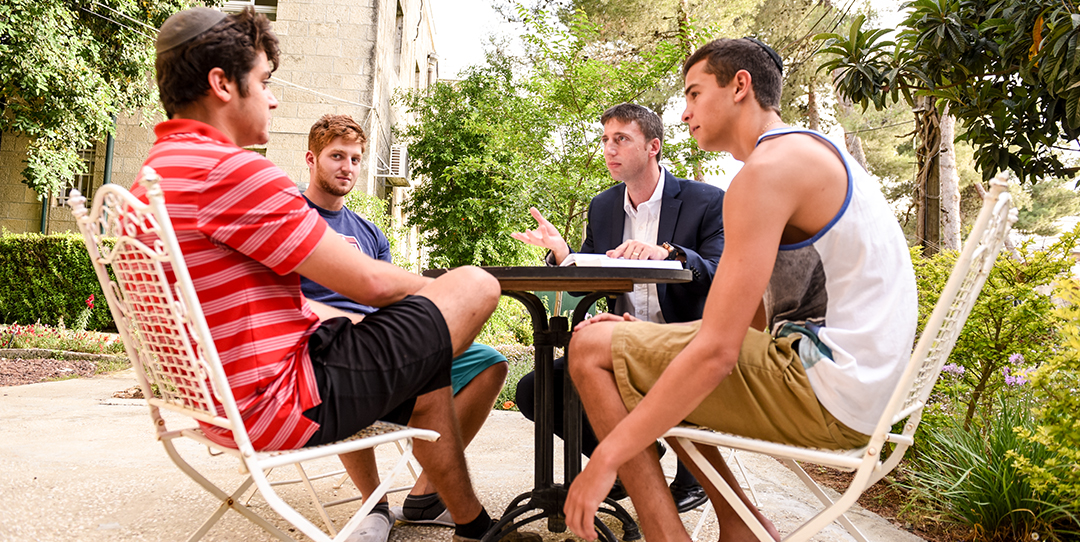
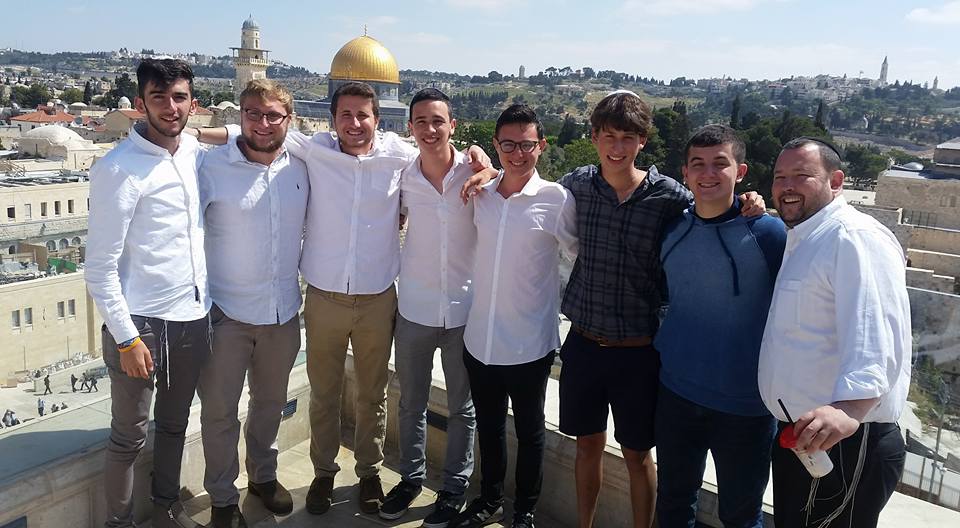
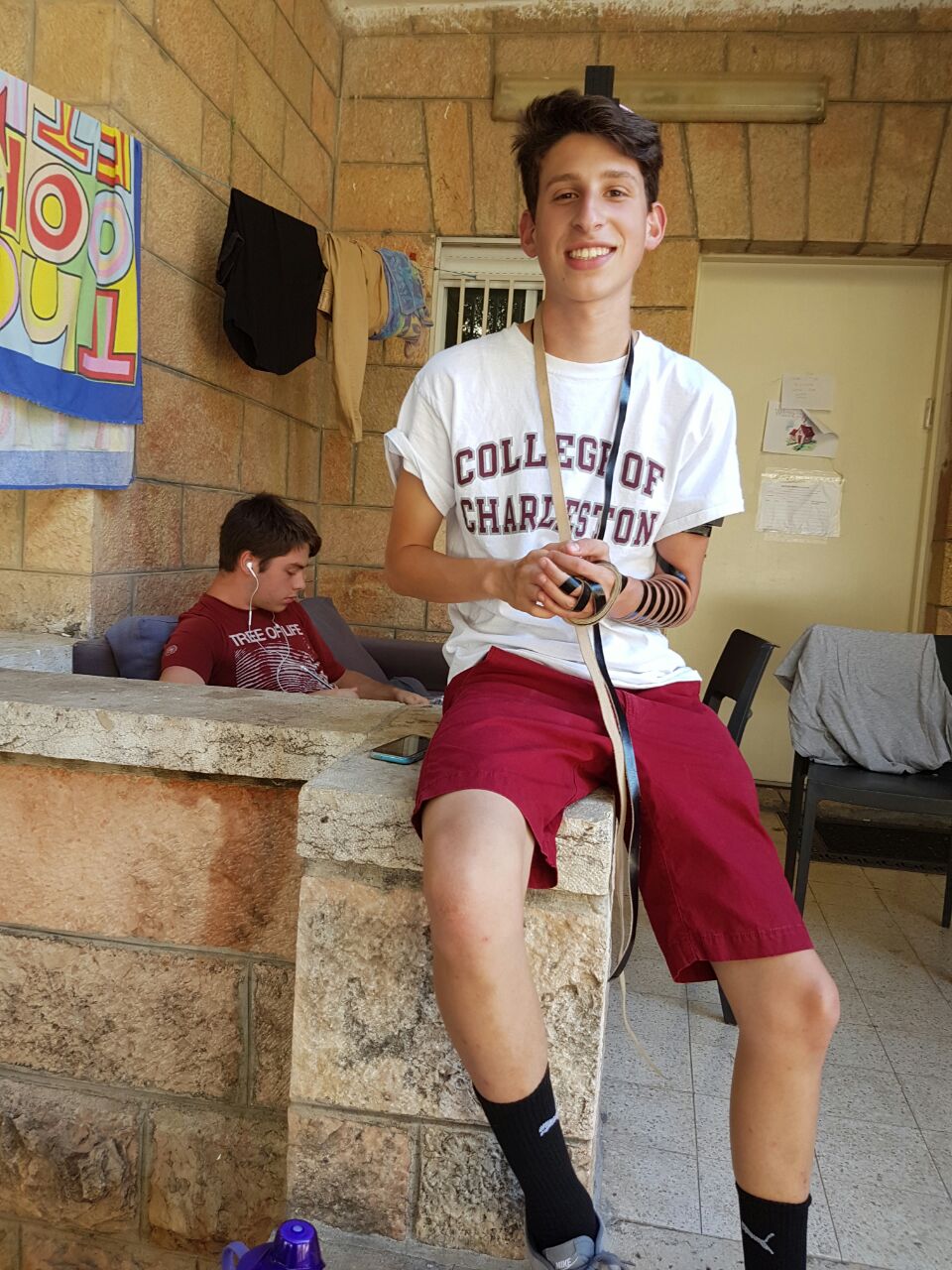
I come from a modern orthodox background- I went to a Jewish day school and attended synagogue regularly so I didn’t really know what to expect when I came on Year Course. I expected most participants to be reform or conservative, to not be very religious, but this experience was actually the opposite of what I thought it would be. All of my roommates went to Jewish day schools, most of them were modern orthodox. We did Shabbat dinners together, lit Chanuka candles in the apartment, celebrated every single holiday together.
During Special Interest Month a few of my close friends and I spent a week in yeshiva at Aish HaTorah in a program called Aish Discovery. There we learned about G-d, philosophy, minor Jewish texts, and while we were there we really took advantage of the beit midrash. I’ve never felt more religiously and spiritually connected than I did in Israel.
By: Hannah Ableman
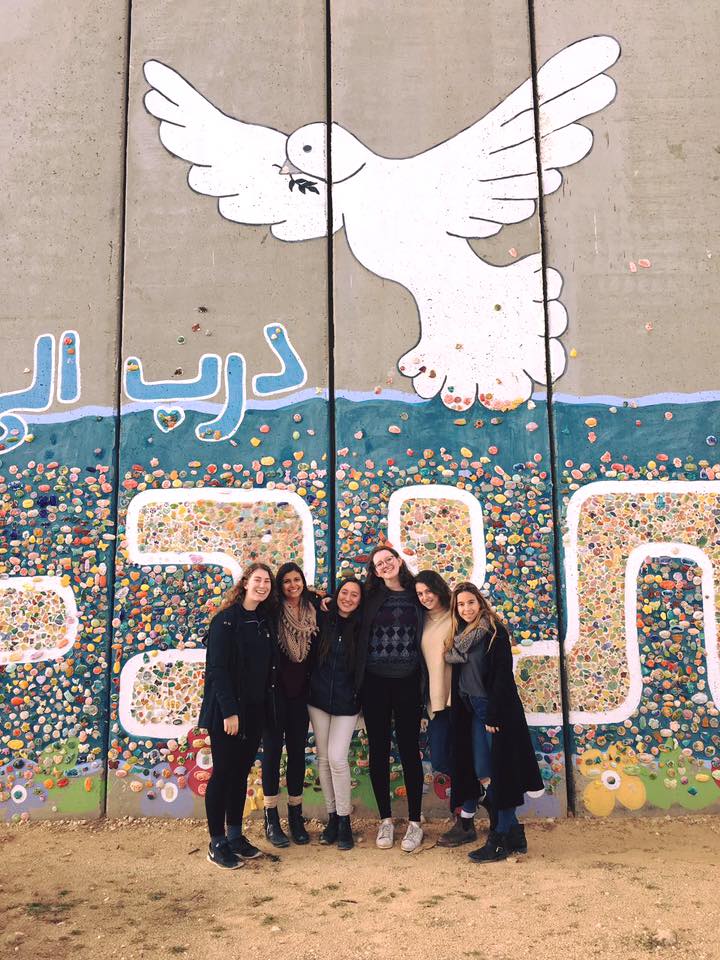
I spent my volunteering semester at The Jaffa School in Tel Aviv. Even though the school itself is a Jewish school they recognized that their community has a big Arab population because of its location. A main focus of the school is to teach both sides of things- they don’t just have Hebrew classes, they also have Arabic classes. Volunteering there was the first time I interacted with a lot of Arab kids, and with Arab people in general. It was really fun, going to Jaffa every day, seeing their community, and being a part of it in a little way.
An even bigger immersion into an Arab community was the week of Special Interest Month I spent in Jisr Az-Zarqa, an Arab Village near Caesarea. Jisr Az-Zarqa is known as one of the most dangerous villages in Israel. We did the same kind of volunteer work there that we did in Jaffa- we played games in English with the kids so they could build their confidence. We weren’t there for very long but by the last day the kids we had been working with were dancing and singing to different songs and having a lot of fun. We were the first group of volunteers to ever come to this village, and it was cool to see the kids start to get used to seeing people who were not like them at all.
In the afternoon we would meet at a community center and talk with kids our own age. We talked with them about their experiences and became friends with them. Joel, one of the other volunteers from Year Course, became friends with a boy named Mohammed- they are both interested in studying the same thing in college. It was also interesting to talk to the girls because their life experience is just so different from anything I have ever experienced. Even though we were only there for a week we began to understand their reality- they talked about how they don’t go out after 7:00 at night because they are afraid, but they also talked about school and how excited they are to go to college. They are figuring out ways to do what they want to do and not just be a part of the cycle of poverty.

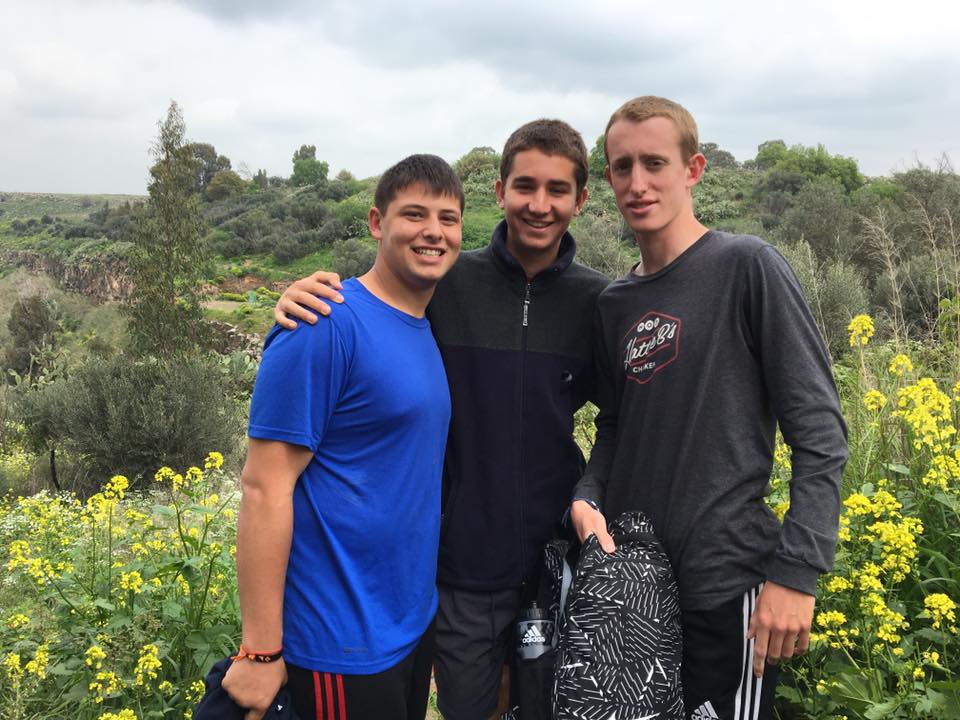 If you’re going to defend Israel and fight BDS, you’ve got to do it in a professional way.
By: Sam Jacobson
On Year Course we participated in a program called “Encounter”, where we visit East Jerusalem and hear the other side. I went in with a clear mindset of wanting to be helpful because we are the next generations- we are supposed to work out the problems. On Encounter, there was one guy the same age as us who was studying in East Jerusalem. When I talked to him he discussed things like falsifying documents, making up his own facts. I was shocked- he was only 18 years old and he’s already talking like this? After the “Encounter”, I realized right then and there that you’ve got to put your foot down or BDS is going to creep up on college campuses and inspire a generation of youth in the wrong way.
One of the best classes on Year Course is “Power of Persuasion”. For the past couple of years, I’ve been studying Israel, a little bit every day, and I keep a notebook with information I’ve learned because you never know when you are going to need this later in life. In Power of Persuasion, the stuff I was writing came alive through my teacher. He explained all of these events, how they are linked, and it was amazing. He talked not just about Israel but also Syria and Lebanon and how issues in the Middle East might affect Israel.
I also participated in the Core 18 Fellowship, which was a program for gap year students from many different organizations. On Core 18 we were educated on what to do in different circumstances- they gave us a lot of information and made me feel comfortable and ready to defend Israel in college. It’s not your job to convince everybody but it is your job to convince people who haven’t decided yet whether they want to support Israel or not, and they gave us the tools to do that. I will be attending Rutgers University this fall. There is an anti-Israel presence on campus and I am prepared to get involved and fight BDS.
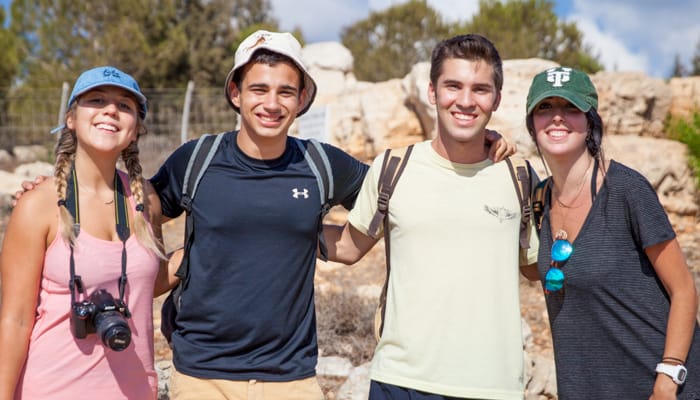
By: Zach Mendes, recent Year Course Alumnus
There was a lot of anxiety the week leading up to Marva- my friends and I had been told it was pretty hard. On your first day you go to the center for processing. You are in a room full of people you don’t know, there are commanders asking you questions and yelling at you- it’s shocking, a snap to reality, it puts you in the mindset that this is how it’s going to be for a while. After processing is done you get on a bus and head to your base, where you get new commanders who are new faces to you. They make you stand in a chet where you can’t move or talk for 4.5 hours before you are told which unit you will be in- after all that waiting you finally receive your uniform. Putting on the uniform was a big relief. I received my rifle on the second day, and I had 48 hours to learn all the safety, rules, and components of the rifle. It’s a huge responsibility.
The first 2 weeks of Marva were the hardest because we weren’t allowed to go off base at all, we were always getting yelled at by our commanders, and you are trying to get to know everybody. The 3rd week was amazing because it was our shavua shetach (field week). We went camping, learned combat skills, and went to a firing range.
During South Week we went to Sderot which has one of the highest rocket attacks in all of Israel because it’s on the Gaza border. While we were walking through the town, people on the porches would stand up, wave to us, and call to us, “Chaim Sheli” and “Ani ohev otcha” (“my life” and “I love you”). It was an amazing experience seeing their faces light up, and we aren’t even real soldiers, we are just kids from around the world coming together to see what it’s like. That showed me that it does have meaning to people and wearing this uniform brings their spirit up. You don’t need to be an actual soldier to fight terror. Just by doing Marva we were fighting terror because it put a smile on people’s faces. That was a really amazing experience.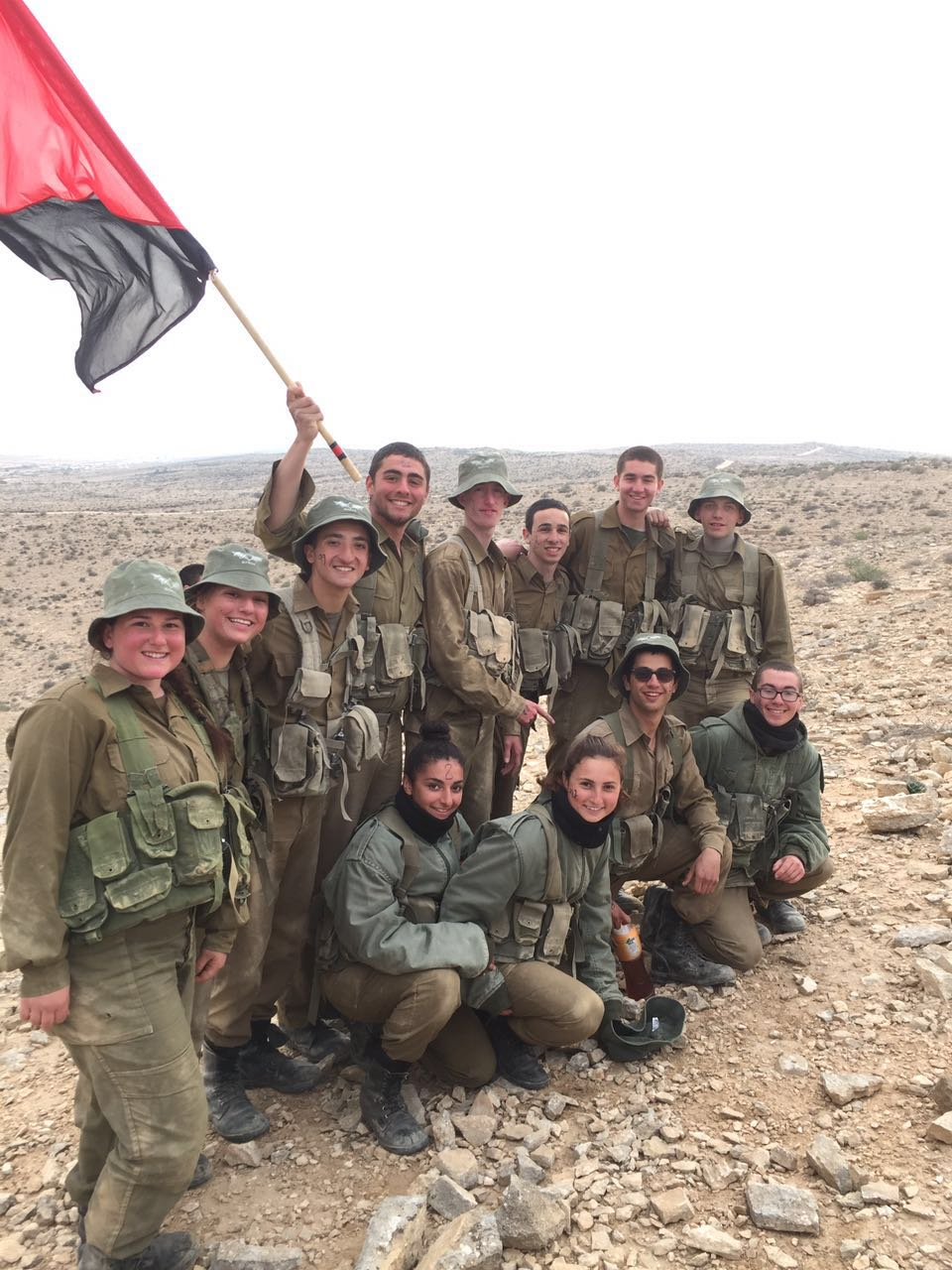
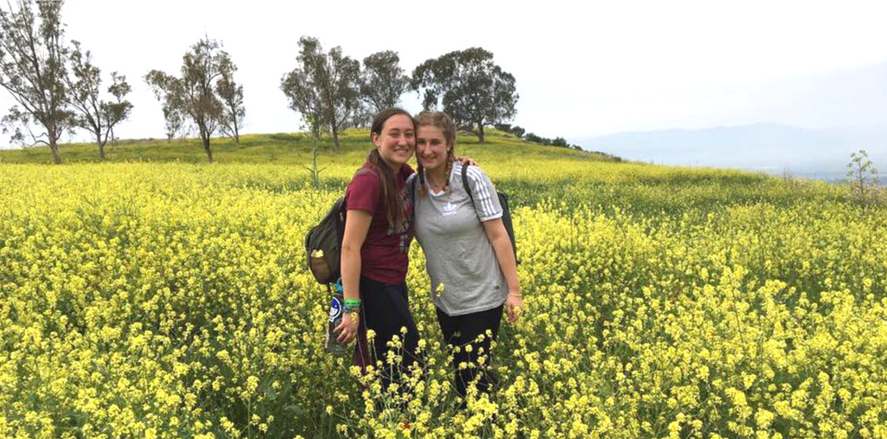
By: Rebecca Tauber, Recent Year Course Alumna
If you spot me wearing headphones on a bus ride to a tiyul or seminar, chances are I’m listening to a podcast. Israel Story is a show that seeks to tell the everyday stories of Israel. This idea is what kept coming to mind when reflecting on this year. I realized that the everyday elements are as impactful and important as the “headlines.”
The little things, aspects that only come from fully living in a community for an extended period of time, are what make our past nine months unique. I get a bit of a thrill navigating the bus system home without using moovit, or knowing when there will be traffic on the Ayalon, or picking out my favorite brands at the grocery store. Our Rav-Kavs and gym memberships and Malabiya punch cards are membership cards to Israeli society. I flash them with nonchalant pride, implicitly showing everyone, I live here. I will miss these small details of everyday routine just as much as the bigger events. They turn this year from a collection of experiences into a lifestyle.
During the big holidays it is the small details of how Israel changes during these weeks that stand out. Eating in a sukkah at a restaurant, savoring the most intricate sufganiot for sale on every corner on Hanukkah, Israeli flags appearing everywhere on Yom HaAtzmaut, being out of place if you’re not in costume on Purim, the entire country seems engaged in celebration, and we get to take part.
Our volunteering provided further opportunities to integrate into Israeli society. Those of us who worked with Magen David Adom had the opportunity to enter an everyday Israeli workplace. We befriended members of the station, learned the lingo, and found our favorite food spots near all the hospitals. In committing to the work, we saw everything, both the good and the bad. Nothing was sugar-coated; one minute we would be driving down the Ayalon blasting Mesibah b’Haifa or getting bourekas from our favorite spot at Wolfson, the next we would be performing CPR or transporting someone with a stroke. Volunteering with Magen David Adom gave us a unique look into a marginalized part of Israeli society: elderly, sick, immigrants. A lot of the job was spent transporting old Russian people, so we spent our days going into tons of Bat Yam apartments, seeing, smelling, and hearing about how that part of our Bat Yam community lives.
Those of us volunteering in Bat Yam engaged with the youth of our city, those on Marva experienced army life, those at Keturah braved the desert as kibutzniks, and those at Yemin Orde learned about and taught teenage immigrants. The small everyday aspects of these experiences will stick with us and truly make us feel a part of society. That moment when you run into volunteers from the MDA station around Bat Yam, or looking out the bus window and realizing that we have been in that apartment or park at 3am transporting someone. It could mean bumping into the kids you tutor while on the bus, or seeing your mefakedet in Tel Aviv or recognizing army terms during ceremonies or speeches. These tiny forgettable daily moments play a big part in creating a sense of belonging in our various communities.
When I went home over break and visited friends from high school, I was constantly complimented on how cool my Instagram looks. Don’t get me wrong, I’m a pro at using those filters. And being told a Snapchat story is “lit” is one of the best compliments you can give someone of our generation. Yet while we all carefully curate our social media to boast beautiful hikes and crazy clubs and unique monuments, it is the small, everyday aspects of the year, those that don’t show up in a Facebook album or on a Snapchat story, that turn us from tourists to residents, and that turn Israel forever into a second home.