HINEH MAH TOV UMA NAYIM– HOW BEAUTIFUL IT IS WHEN WE SIT TOGETHER!
Written by several members of the 1964 YC shicva.
60 years(!) ago, 52 Young Judaeans left New York via 2 passenger liners — first to La Havre, France, and then from Marseille to Haifa. We arrived in Israel on October 7, 1964 and were the last Year Course to travel to Israel by boat.
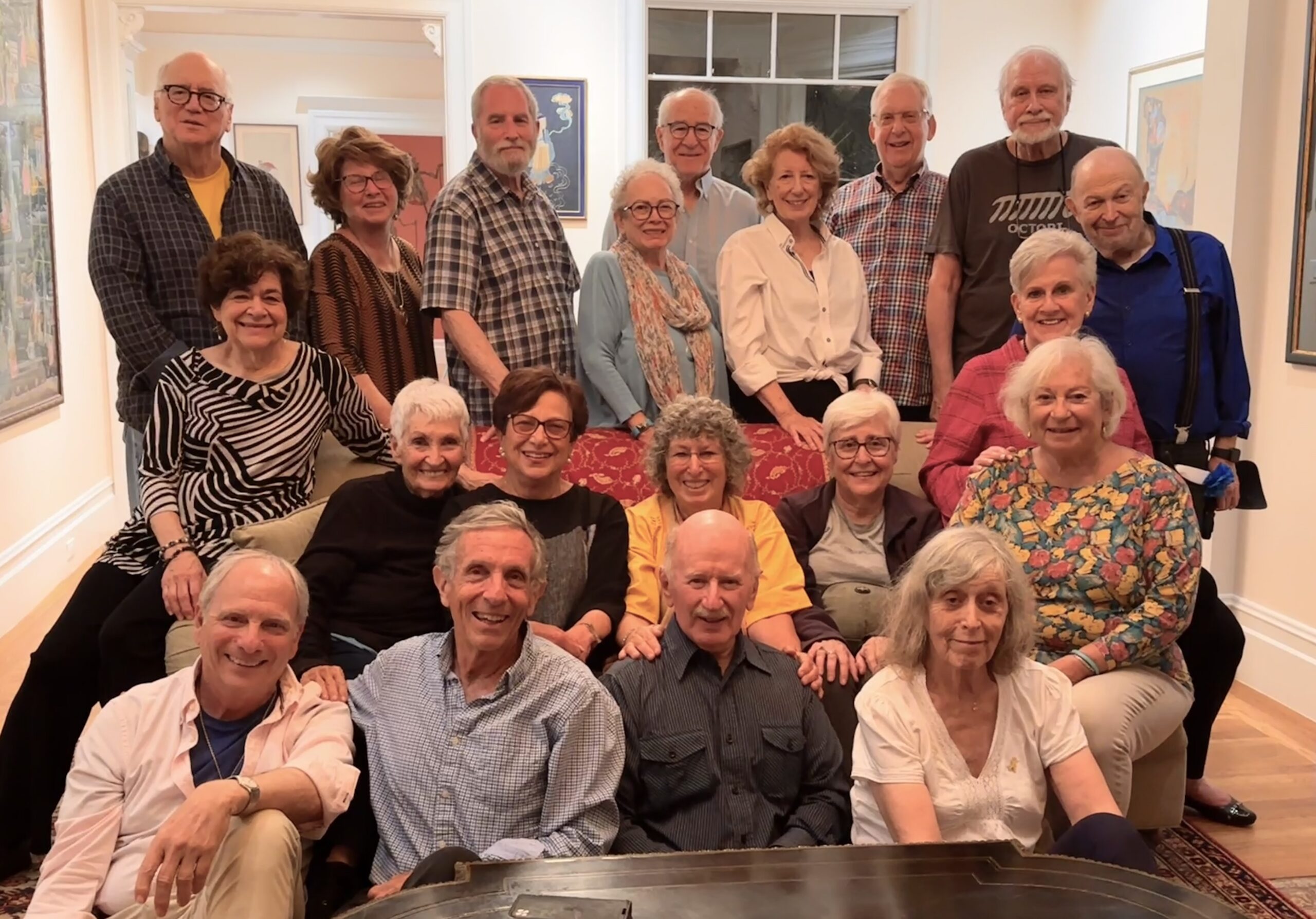
On September 26-29, 2024,17 (33%) of us (and a few spouses) gathered in San Francisco for our 60th Reunion. Given our average age of 78 (40% are no longer living or have not been found), being together was extraordinary. It wasn’t just because we came from both coasts, Israel and Italy, but much more because of the loving memories we had of the outstanding year we had spent together, the many friendships we formed then that have lasted a lifetime, and the lives that were changed because of our Year Course experience.
On Thursday evening, we began our reunion in a private room in the oldest Italian restaurant in San Francisco (located in the Hotel San Remo, which is ironically the namesake of our Jerusalem dormitory). The emotional hugs and joy we shared were tearful and moving. Some of us hadn’t seen or been in contact with one another for 60 years.
On Friday, we ferried back and forth to Sausalito, reminiscing over the boat rides we had taken to Israel. Shabbat dinner was hosted by one of our chevra at a nearby home, and we made every moment we had together count.
On Saturday, we toured the Contemporary Jewish Museum, visited the Yerba Buena Gardens and Martin Luther King Memorial Fountains, and spent quality time renewing our friendships and sharing our individual histories. That night, we had a catered dinner aboard the spectacularly renovated Historic Klamath “ferry” (permanently docked, adjacent to the SF Ferry Building).
We viewed a kaleidoscope of photos and videos from over the years (on multiple screens), sang our favorite Year Course songs, and expressed our personal thoughts about the significant impact that Year Course made on our lives. We were welcomed by a video from YJ CEO Adina Frydman, and two of our chevra (YJ Board members) updated us on the activities and successes of Year Course and other YJ Israel-related programs.
When we said Shalom on Sunday morning, our hearts were full of love and appreciation for our Year Course and for each other. We are already planning the next reunion! Forward, Together….
A Jewish Camp Story Made at Tel Yehudah: The Floaters
Young Judaea
February 12, 2026
By David Weinstein, Executive Director, Camp Tel Yehudah
Some stories don’t just remind you of home. They are made there. The Floaters is one of those.
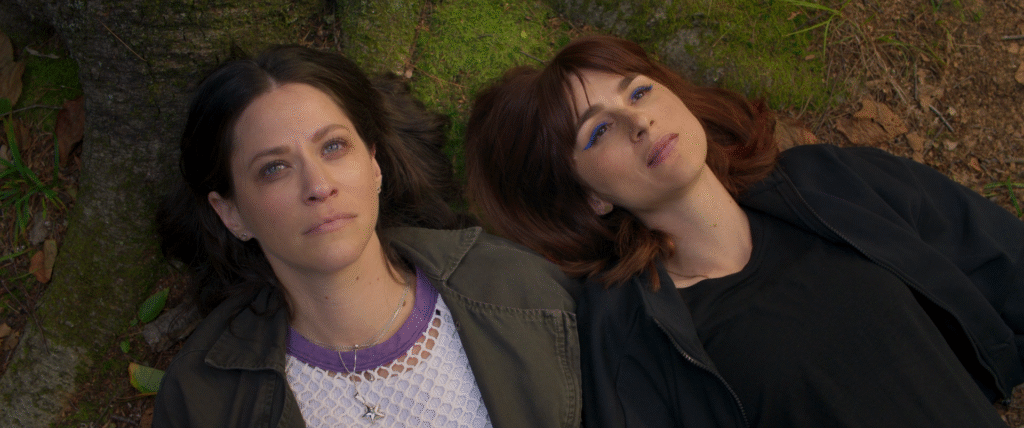
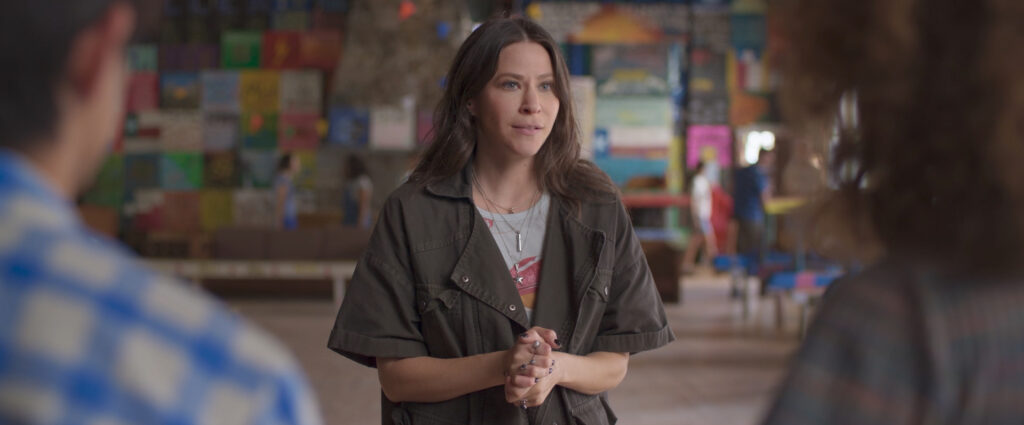
The Floaters is a very Jewish movie about Jewish summer camp. It is about kids who don’t always fit, about friendships that form quickly and deeply, and about what happens when a community really tries to make room for everyone. If you have ever spent a summer at Jewish camp, the world of this film will feel immediately familiar. As producer and Young Judaea alum Shai Korman shared, the goal was to tell “a story centered on Jewish women leaders that took place in an authentically Jewish world,” inspired by the many women who shaped their lives at camp.
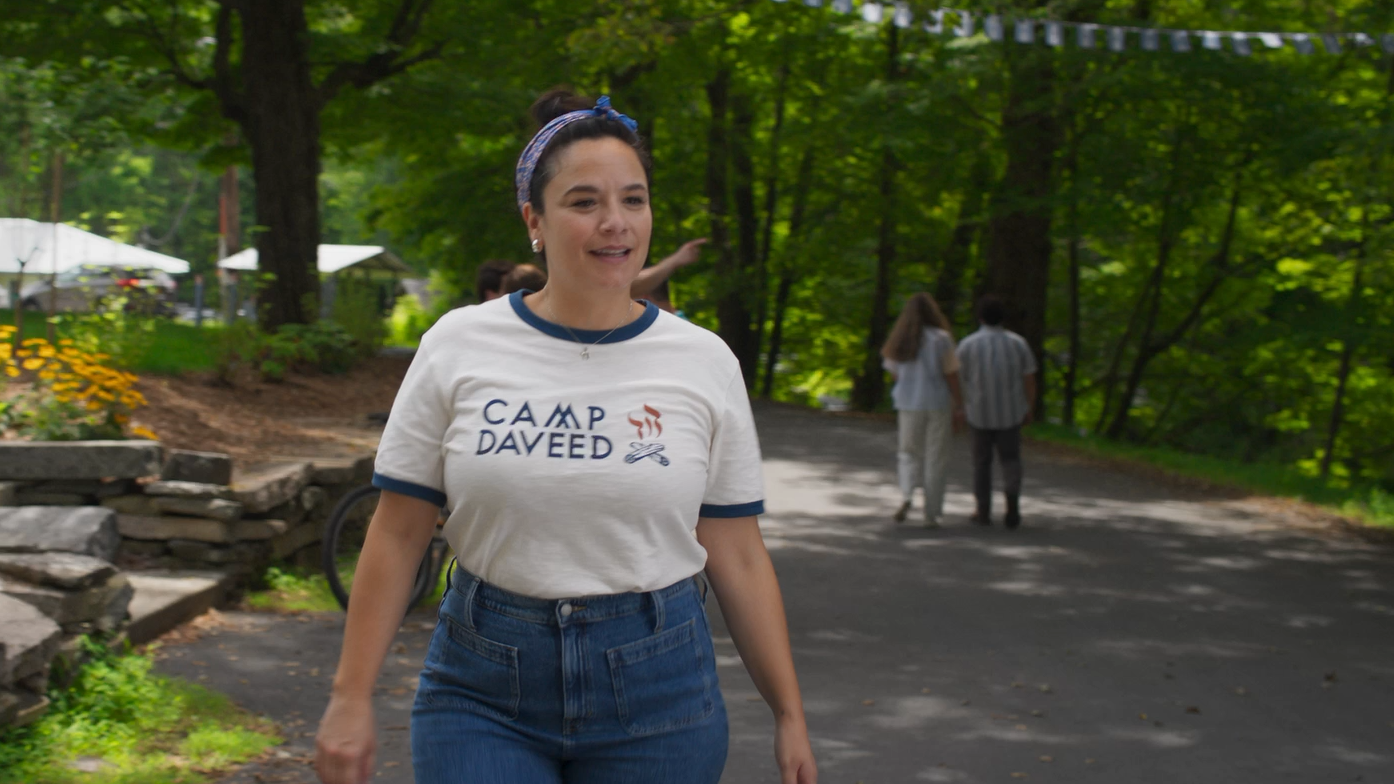
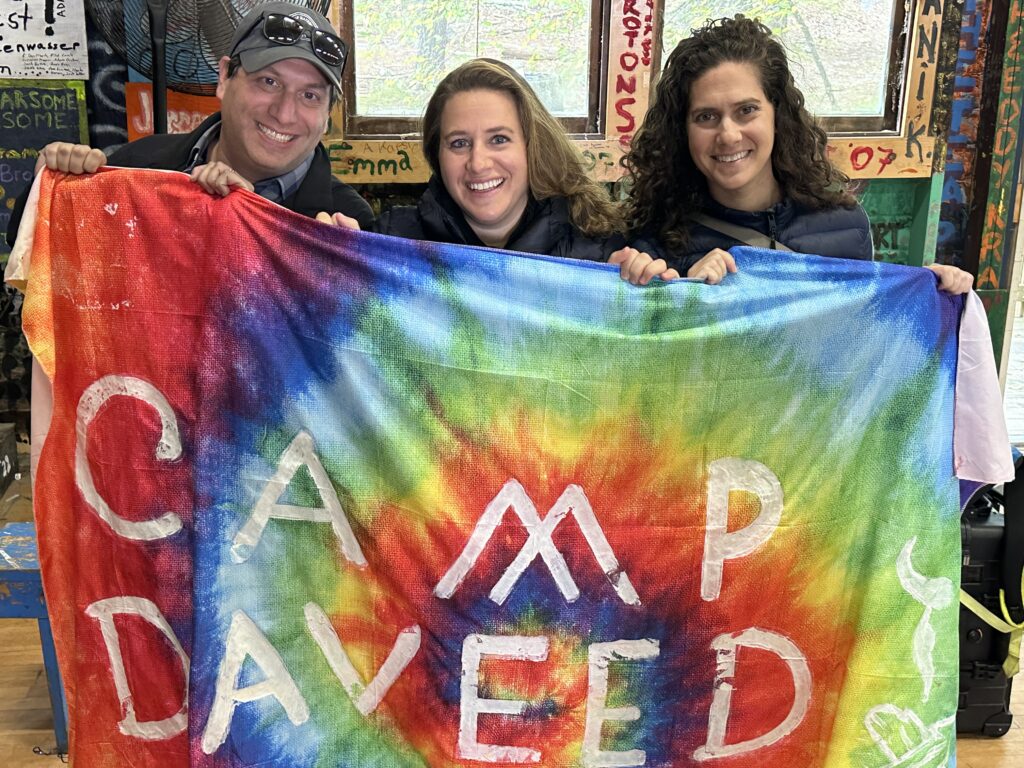
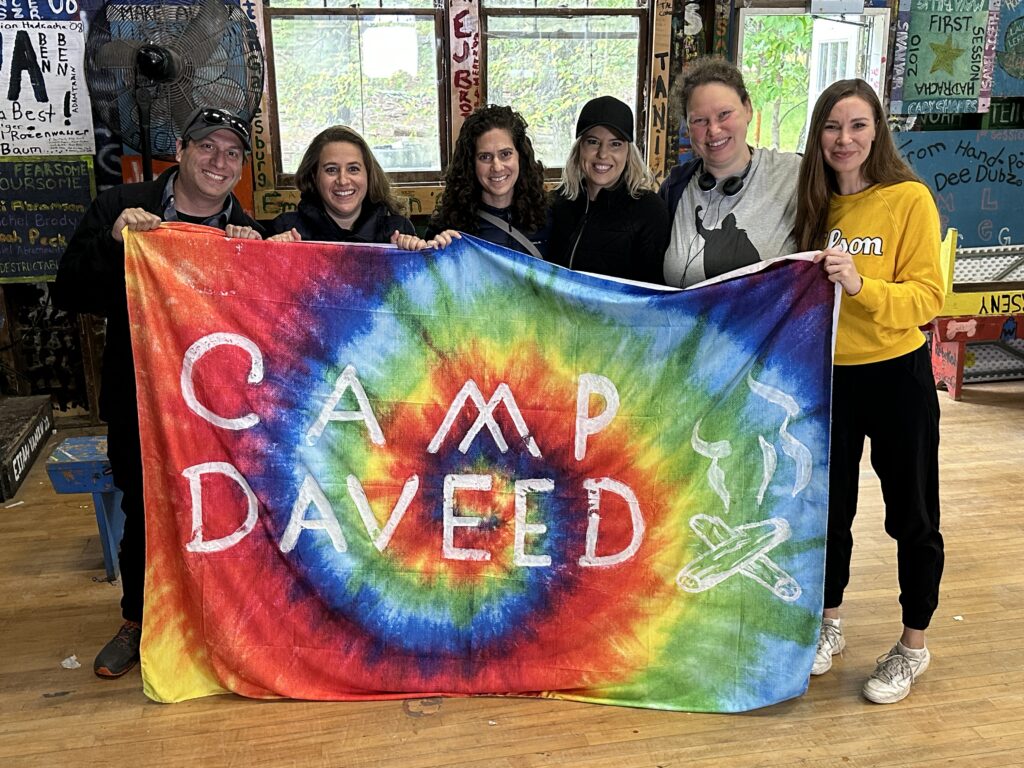
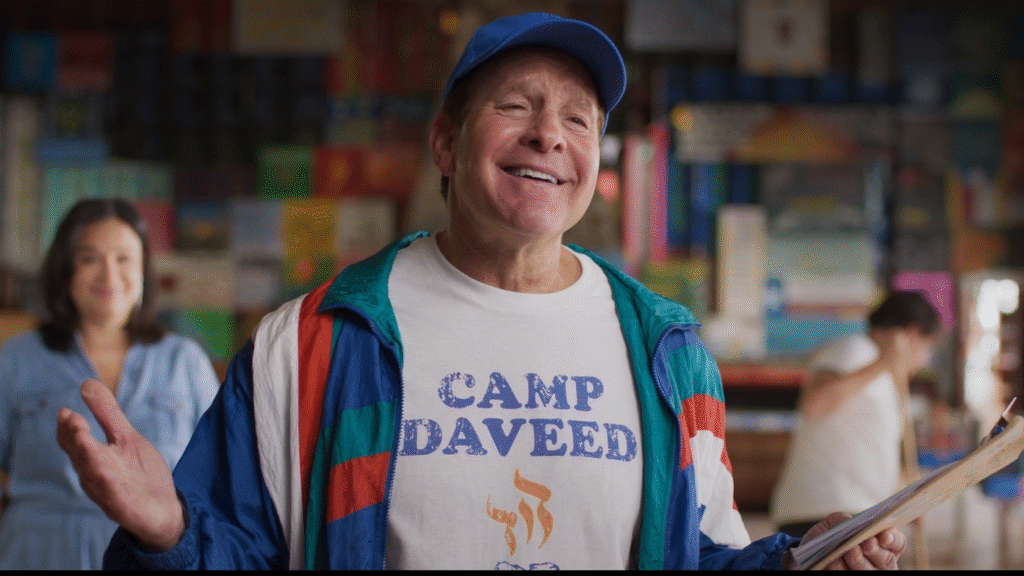
What makes this especially meaningful for us is that The Floaters was filmed almost entirely at Camp Tel Yehudah. After camp ended in 2023, the cast and crew moved in and lived at TY for nearly a month while they made the movie. They transformed Tel Yehudah into “Camp Daveed,” but anyone who knows our camp will recognize it instantly. There are scenes in the Beit Ha’am, scenes in the kitchens, and moments across campus that are unmistakably Yehudah.
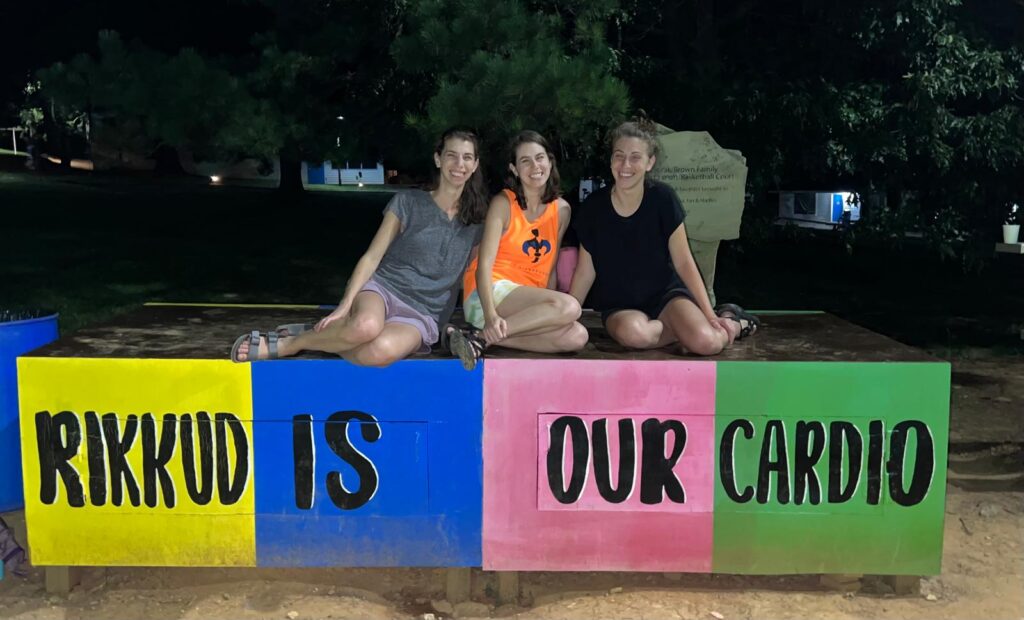
You will also spot some familiar faces. Stu Stein and Noah Wilker both make appearances. And yes, our very recognizable rikud made it into the film as well. As Shai Korman explained, the rikud scene was especially important to capture: a moment inspired by “the magic of Saturday night at camp where everyone—no matter who you are and where you come from—comes together after Shabbat to dance and have fun.”
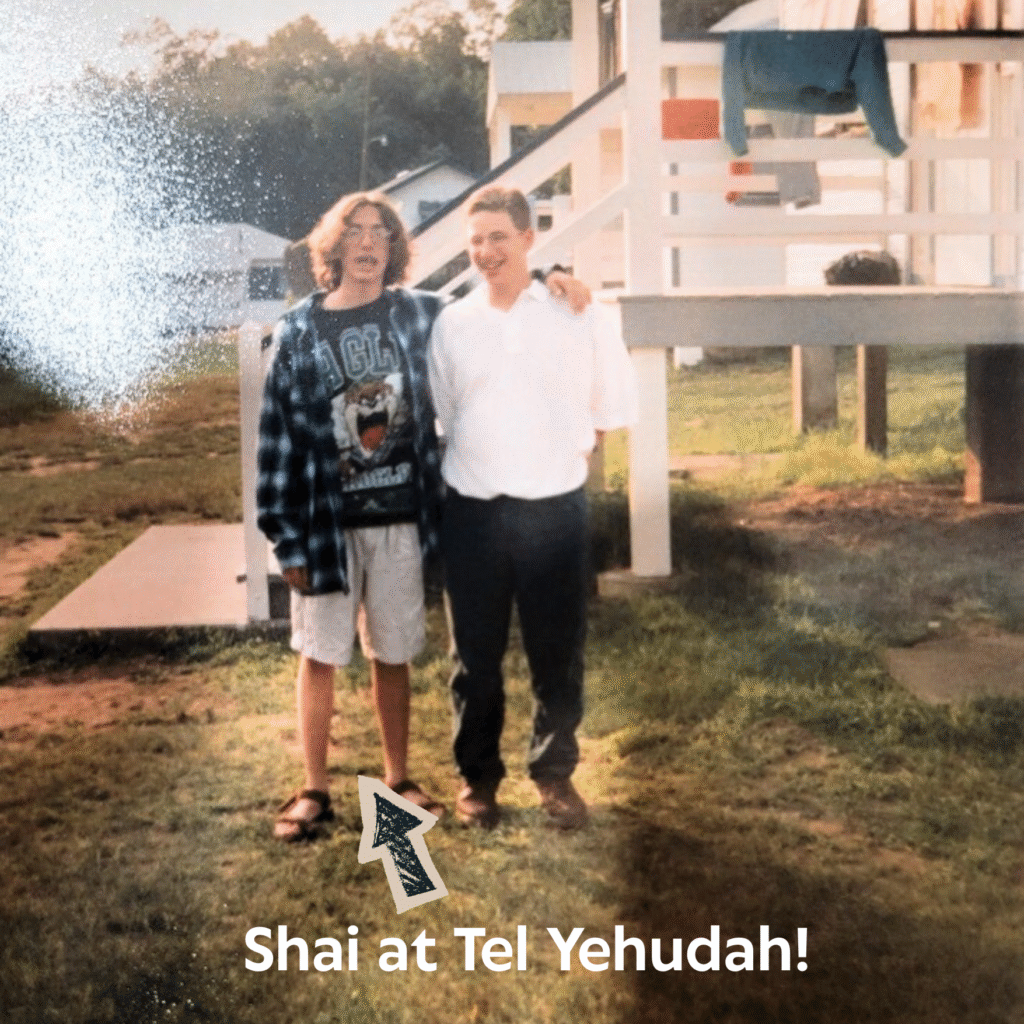
The film was produced by Shai, Becky, and Lily Korman, TY and Young Judaea alumni whose connection to Tel Yehudah runs deep. Their parents met at TY. They grew up in the Young Judaea world. And now the next generation is continuing that story, with their kids heading off to Sprout Lake and Tel Yehudah. Bringing the project back to Tel Yehudah felt like a true homecoming. As Shai shared, “The best part about being back at TY was recreating the joy and camaraderie of camp with our incredible cast and crew… we all walked away with a bond and memories that will last a lifetime.”
That sense of belonging is at the heart of both Young Judaea and the film itself. Much like Tel Yehudah, the world of Camp Daveed brings together kids from all over the country—with different backgrounds, ways of thinking, and ways of being Jewish—to find community. As Shai put it, “Pluralism and fun” were central to the film, reflecting a place where kids can take a break from everyday pressures and experience genuine, sometimes wacky, joy with their friends.
“Watching The Floaters felt like coming home,” said David Weinstein. “It gets Jewish camp. The warmth, the awkwardness, the intensity, and that insistence that everyone belongs, even when it’s complicated.”
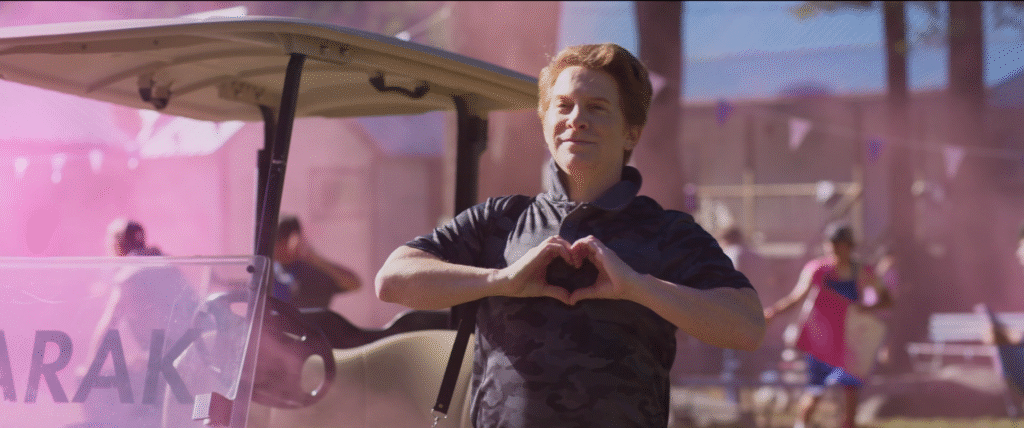
The cast is terrific and a big part of why the film works, including Jackie Tohn from Nobody Wants This, Sarah Podemski, Seth Green, and Steve Guttenberg.
Since its release, The Floaters has been playing at film festivals around the country and continues to do so. It has picked up awards and a lot of well-deserved attention along the way.
We encourage Judaeans of all ages to seek it out and watch it. Alumni, parents, current campers, and friends of the movement will all find something familiar here. If you know Tel Yehudah, you will see it on the screen. And even if you don’t, it will still feel familiar in that very Jewish camp way. It feels like summer. It feels like community. It feels like home.
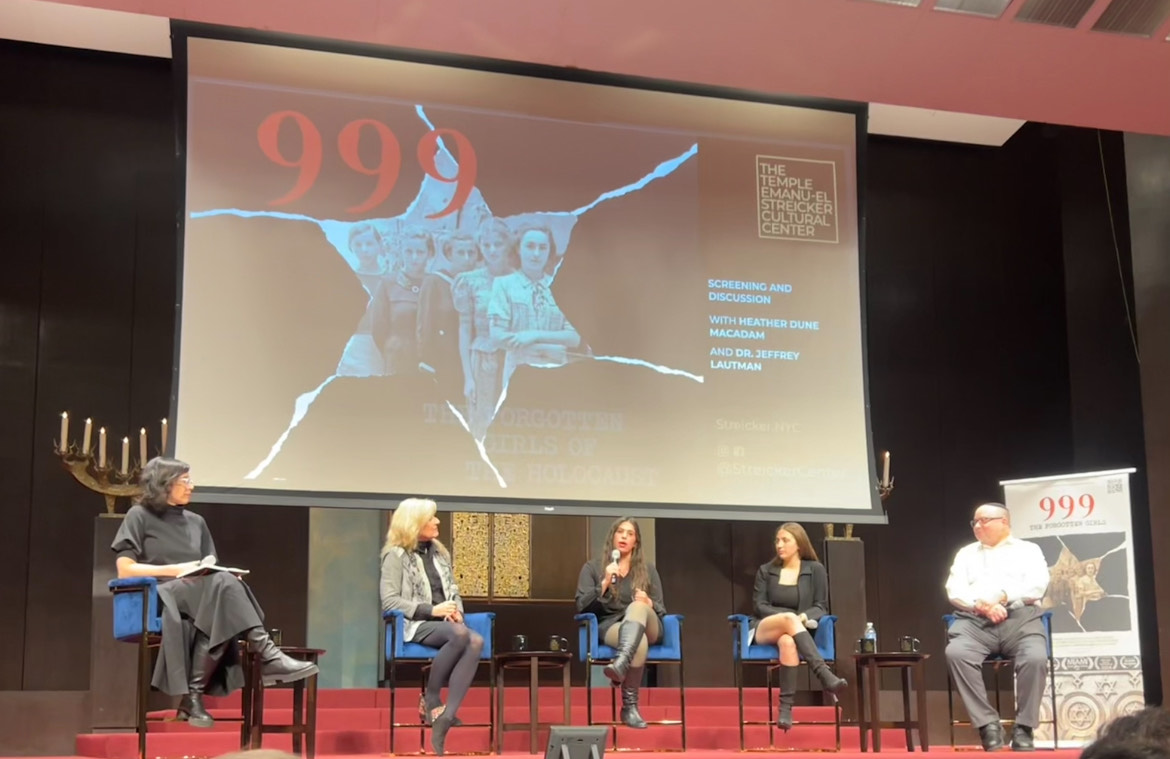
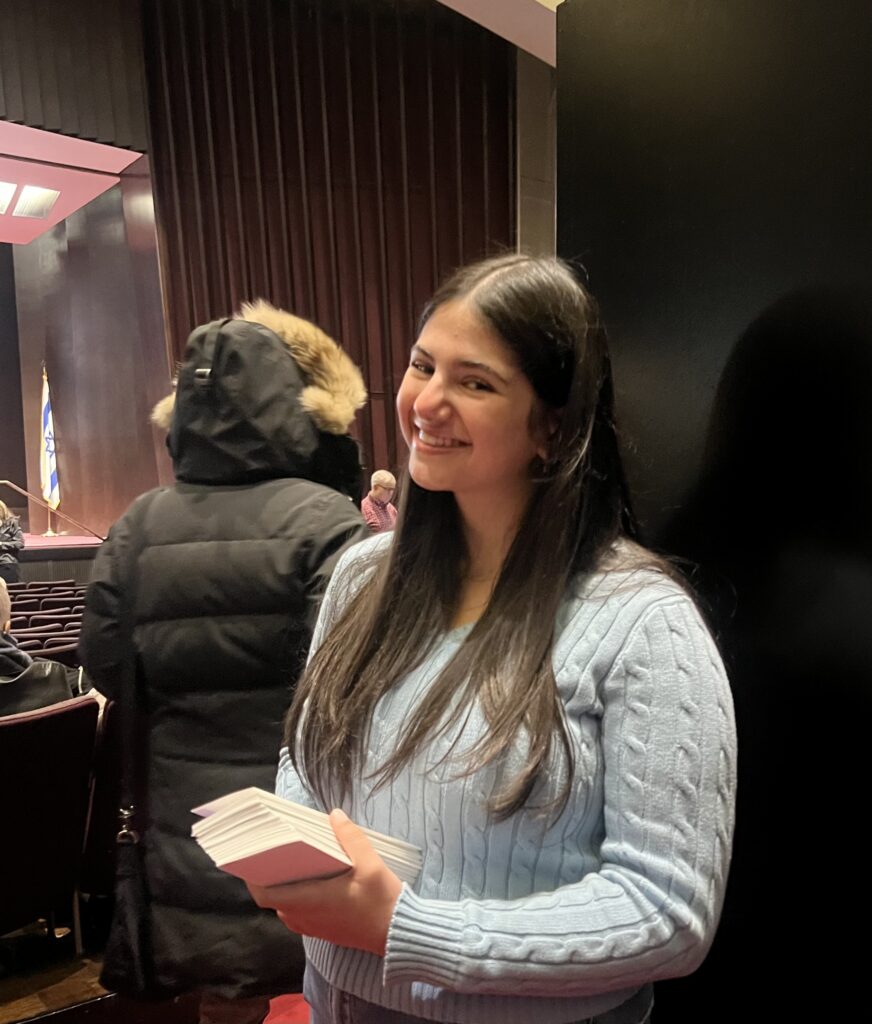
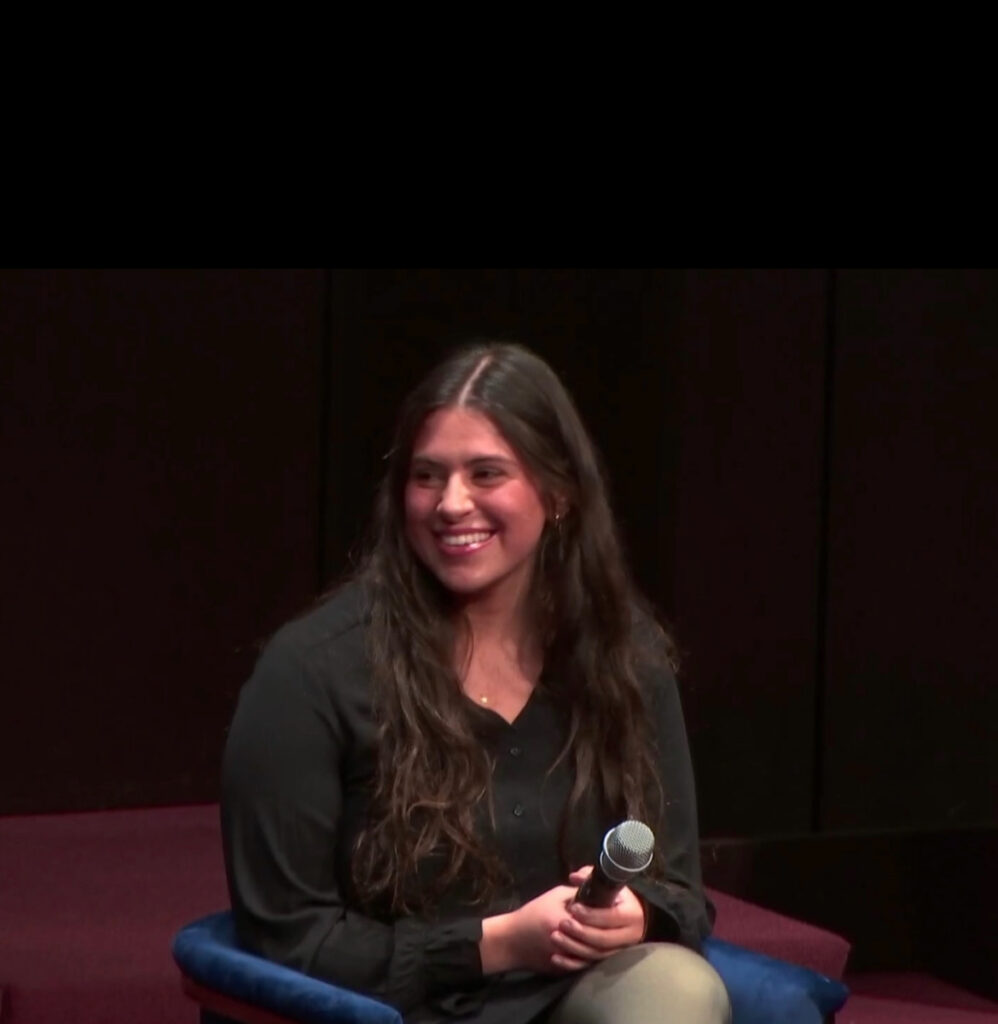
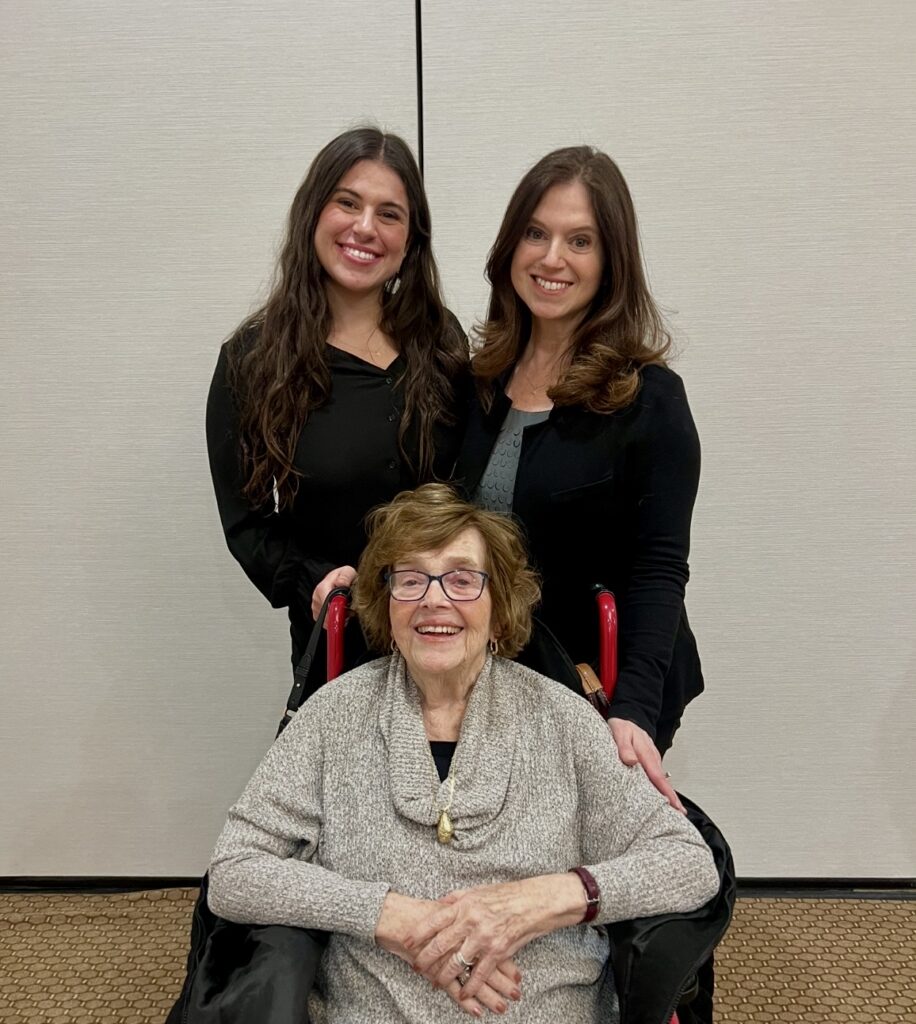
Recently, YJ National Mazkira Natalie Pittman was a panelist in a screening of the award-winning documentary 999: The Forgotten Girls in NYC. Her mother and YJ alum, Vivian Genn-Pittman, wrote the words below.
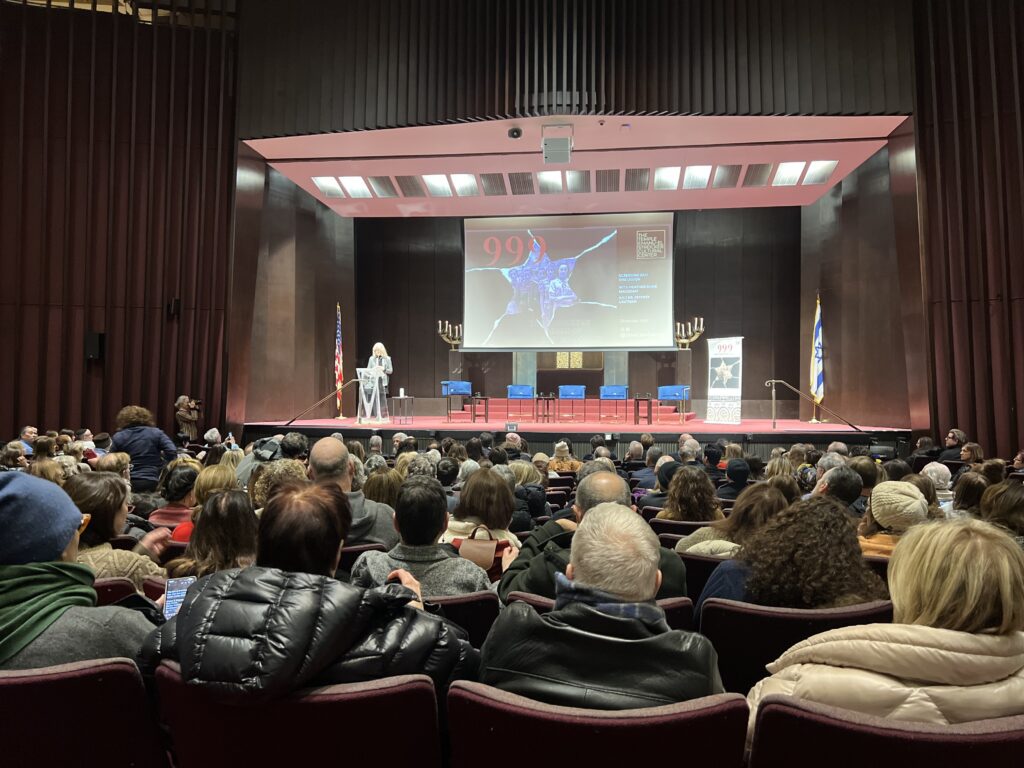
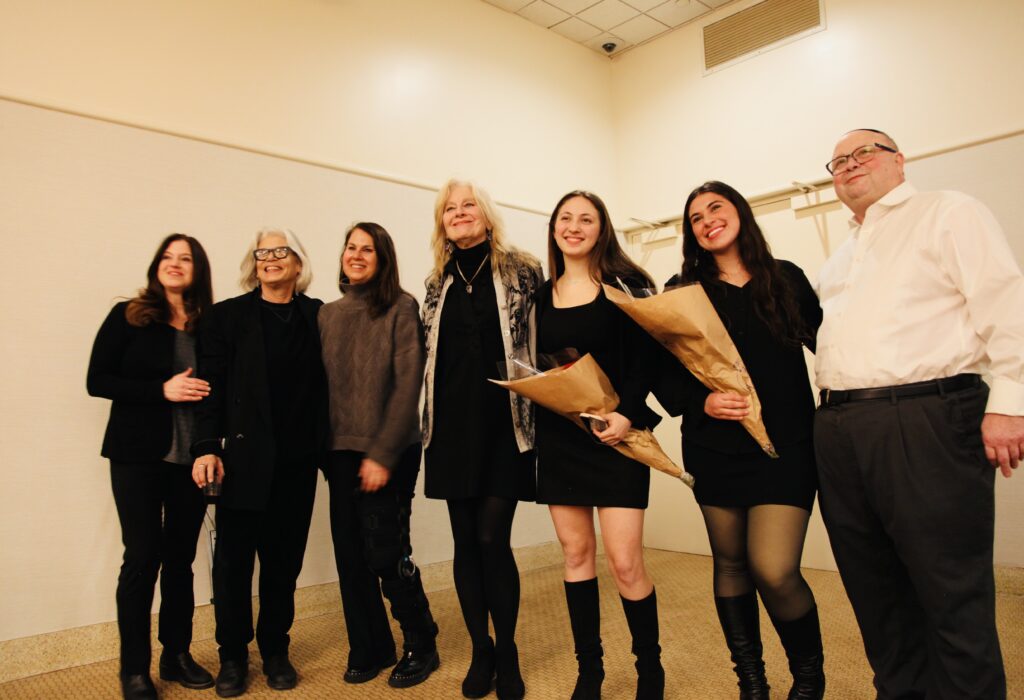
I am so grateful to have had the opportunity to work with author and producer Heather Dune Macadam and team to help organize a powerful event; a film screening of the award-winning documentary 999: The Forgotten Girls, in NYC earlier this week on International Holocaust Remembrance Day.
The film tells the gripping, little-known stories of 999 young Jewish women, mostly teenagers, deported from Slovakia on the first Jewish transport to Auschwitz in March 1942, after being misled into believing they were reporting for volunteer work.
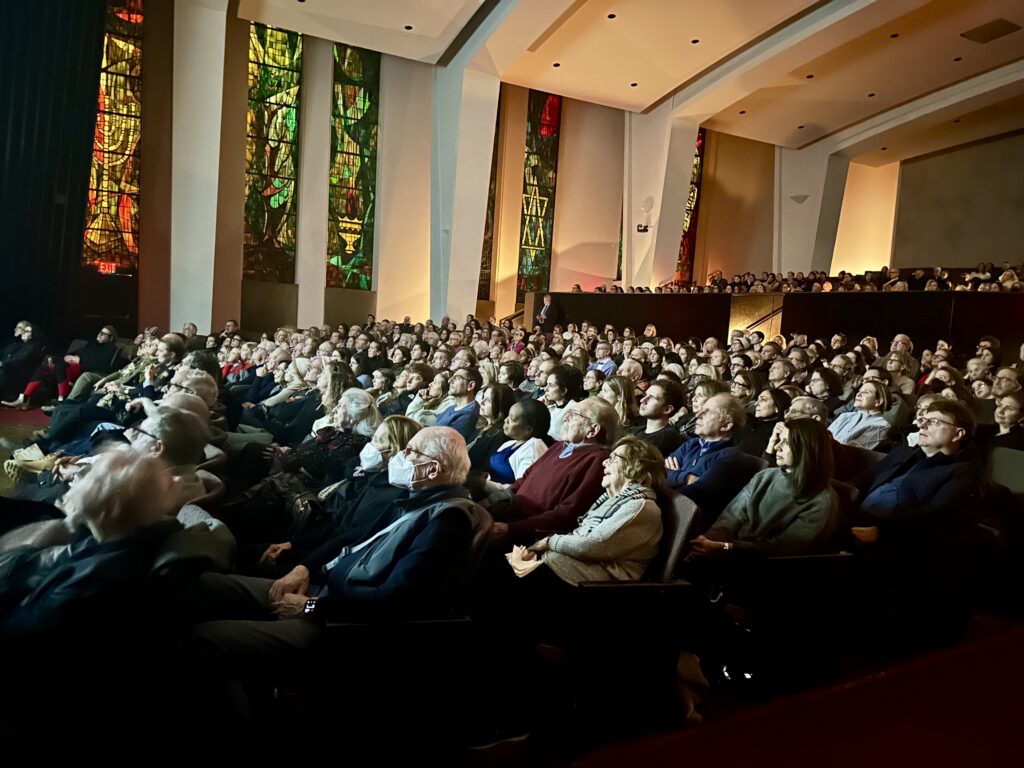
We were able to fill close to 999 seats in the theater, one for each girl, and had an estimated four thousand viewers on livestream.
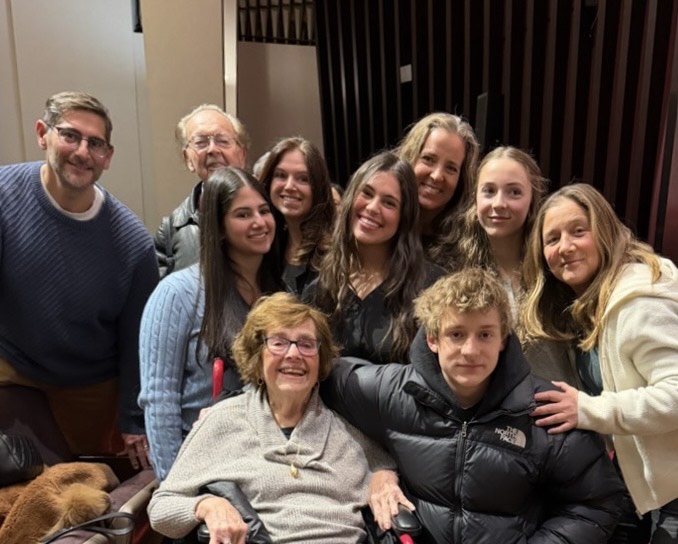
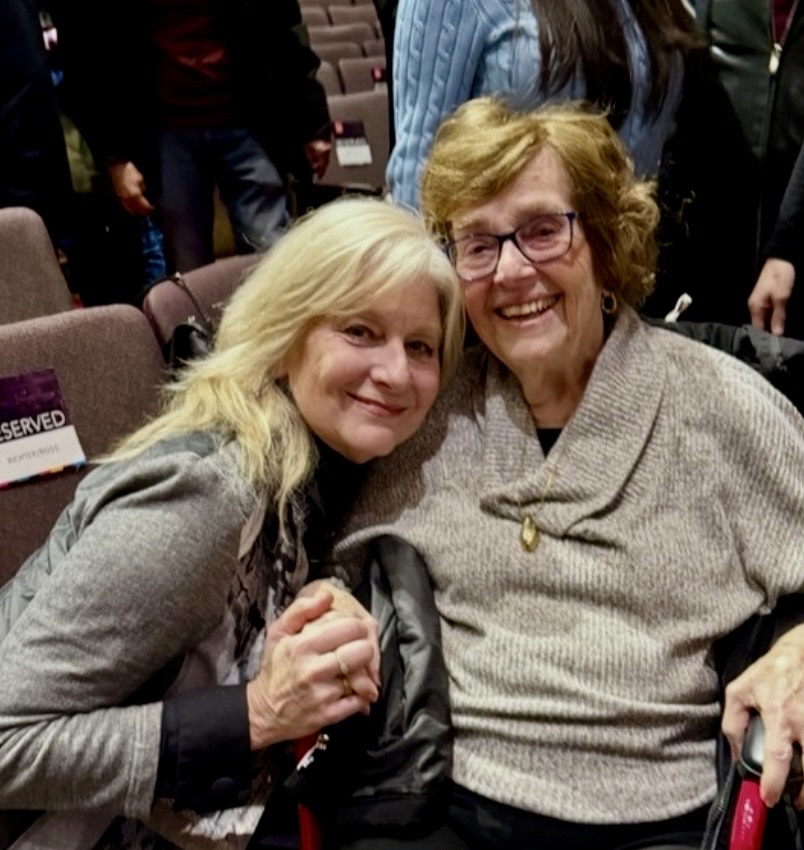
A panel discussion with film producer, teen leaders and descendants of Holocaust survivors, including Natalie as a leader and granddaughter of a hidden child survivor/ my mom Myra Genn, (who was also honored as one of only two Holocaust survivors in the audience) followed the film.
There was not a dry eye.
Focus was on bearing witness, resilience, kindness, education, and a promise to carry facts and lessons forward to better humanity.
I am heartbroken and inspired by the stories, proud beyond words of Natalie, and grateful for my mom’s recognition, resilience and continued light and love.
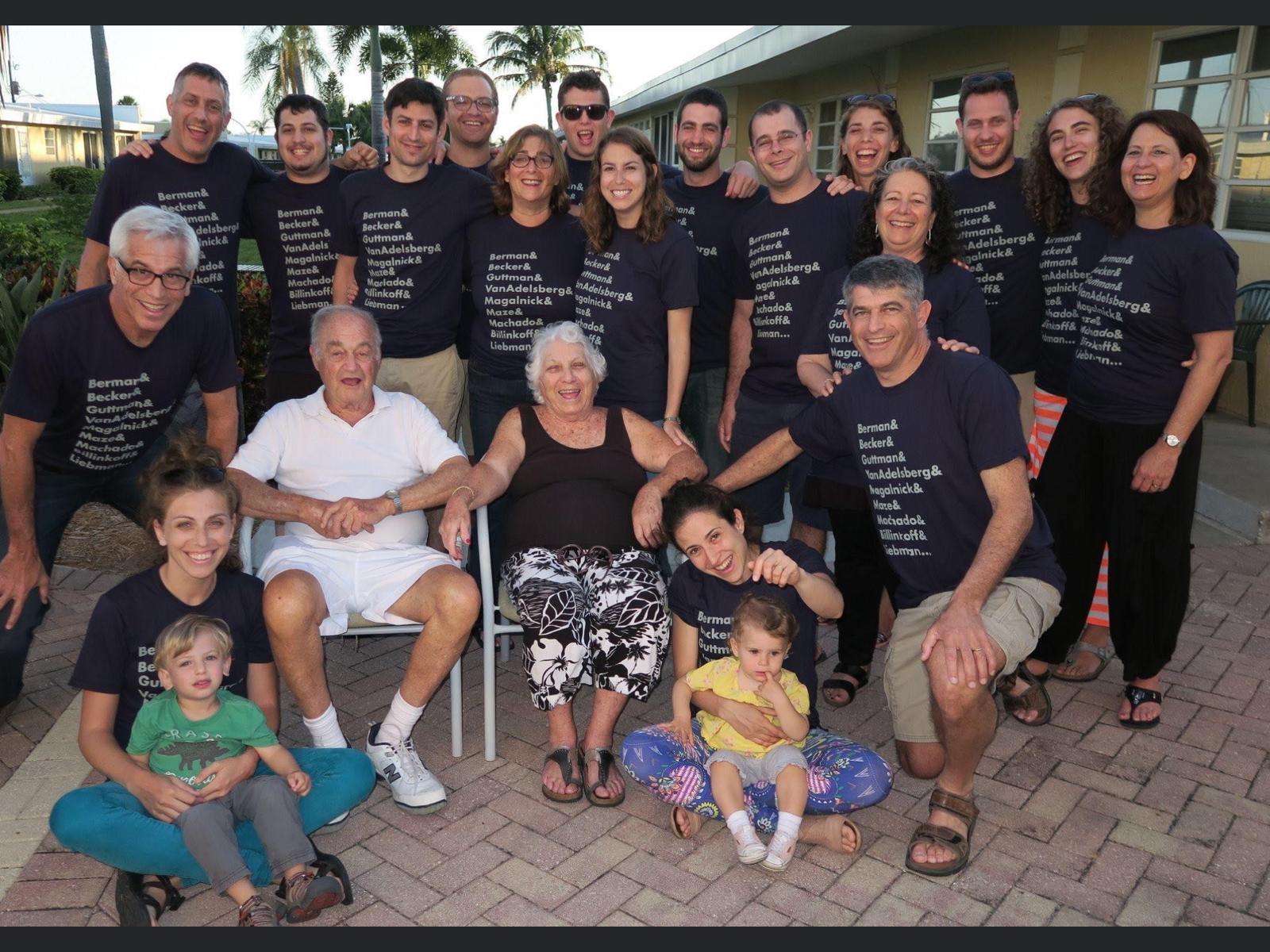
An interview with Steve Berman, TY 1969, 70 and 1972 YC/Machon 1973-74, TY Madrich 1974, YJ Florida Director 1977-79, TY Head Counselor TY 1979, YJG Board member 2012-2022
How many generations of your family have been involved in Young Judaea? Three!
How has Young Judaea shaped your family’s connection to Israel and the Jewish community? Starting in 1969, because of Young Judaea, our family has had a meaningful relationship with Israel with numerous family members living in Israel over the years including now.
Are there any lasting friendships or relationships your family made through YJ? Some of our closest friendships have been established through YJ. We have had YJ friends by our sides at weddings, funerals, ski trips, milestone birthdays, b’nai mitzvah and beyond. We all feel so lucky to have had the opportunity to forge these meaningful friendships from such a young age. These are friends for life!
Do you have a favorite YJ story, memory, or anecdote from your family’s experience? There are too many stories to list here. In the Berman second generation (of three) a Berman daughter from Atlanta married a a wonderful guy who grew up in Texas Young Judaea. The family jokingly calls this “a mixed marriage”!
What inspires your family to stay connected to Young Judaea today? Young Judaea is still a relevant forum for American Jewish youth after all these years. Our five camps and our incredible and durable Israel programs offers a unique way to establish lifelong friendship and a lifelong relationship with Israel.
Can you list out which of your families members have participated in Young Judaea? Steve Berman: TY 1969, 70 and 1972 YC/Machon 1973-74 TY Madrich 1974 YJ Florida Director 1977-79 TY Head Counselor TY 1979 YJG Board member 2012-2022, married to Gita Berman
Gita Berman: TY Sgan Merakezet 1979, married to Steve Berman
Michael Berman : TY 1971-4. YC/Machon 1975-6. TY Madrich 1977. TY Merakez 1978. YJG Board 2012-2026 (Chair from 2014-2022)
Lauren Berman: TY 1975, 1976, 1977. YC 1978-1979.
Daniel Berman: TY 1975, 1976, 1978, Kitchen 1979-1980, YC/Machon 1979-80 Rosh Machaneh TY 1985
Michael Maze: CYJ Texas 1993-96 TY 1997,99 Machon 1998 YC 2000-01 TY staff 2001-03 Summer programs staff 05 IDF 2008-09 Marriage to Mara Berman 2011- Current Parent of one (soon two!!!) CJ campers
Mara Berman: CJ 1994-1999, 2002-2004 Machon 2000 TY 99, 2001, 2004 YC 2002-2003 Staffed Israel Programs 2005, 2006 Staffed YC 2007-2008 Married to Michael Maze Parent of one (soon two!!!) CJ campers
Oren Berman: CYJ Midwest 1998-99 CIT at CYJ Midwest 2002 YC 2003-4 CYJ West in Oregon 2006
Aviva Berman: CJ 1996-2000 TY 2000-2002 Machon 2003 Year Course 2004-05 TY staff 2004-05 CJ staff 2005-06 Lev HaDarom Regional Mazkirut 2002-03 National Mazkirut 2003-04 Parent of CJ camper 2024-present
Eitan Berman: CJ 1999-2005 TY 2005-2006 Lev HaDarom Regional/Merchav Boom Boom Mazkirut 2005-2008 Machon 2007 YC 2008-2009 CJ Staff 2008-2009 Israel Army 2009-2012
Noah Berman: CYJ Midwest 2000-07 TY 05-07 Regional Mazkirut 05-08 National Mazkirut 08-09 YC 2009-10 TY Staff 2009-11 Midwest Staff 13 YJ Israel Staff 13-14 IDF 2014-2015 Married to Naama Dahari
Naama Dahari Berman TY 2009-2011 CYJ Midwest 2013 Married to Noah Berman
Shira Berman: CJ camper 2001-2006 TY camper 2007-2008 Machon 2009 Year course 2010-2011 CJ staff 2010-2013
Matan Berman: CJ Camper 2008-2015 TY Camper 2015-16 TY Staff 2018-2019 YC 2018-2019 National Maz 2018
I was here in Israel twenty-three months ago, in January 2024, three months after the start of the war, for a week-long Young Judaea Alumni mission during which we met survivors, families of victims, and thought leaders from journalism and politics, and volunteered by picking cucumbers and making care packages for displaced persons.
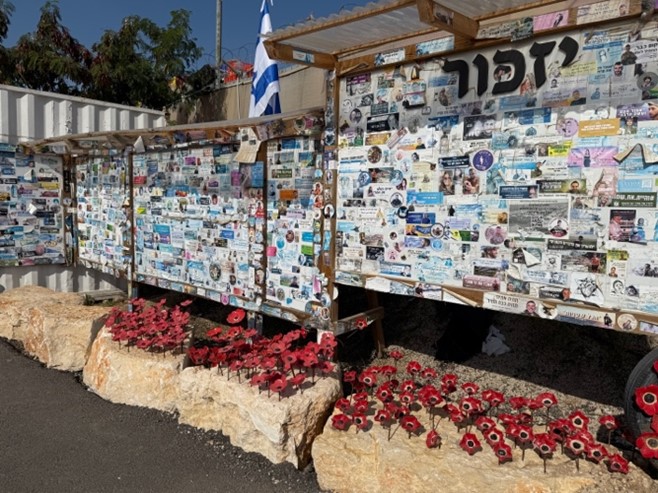
At that time, in Hostage Square, the large digital clock was at 115 days. Now I am here in December 2025. The art exhibits in Hostage Square have mostly been disassembled, but because we are all still short one final hostage whose body has not yet been returned, the clock continues to count upward. It is at 815 days upon my return.
Seven hundred days that I was at home, living in freedom and peace, not hiding in bomb shelters. Days that my two 20-something-aged kids were not serving in the IDF, but studying and working in the U.S., able to hug me when I came to visit them. Days that I worked as a volunteer as my synagogue board chair, in part trying to support Israel by fighting antisemitism and promoting Jewish pride within the United States. I am so glad to be back in Israel during a time when so many people here, collectively as a population, have (at least, maybe) started to exhale.
Although Israelis are still in a post-trauma phase after October 7th, I am not hearing from them that they are still in the trauma and reliving that day over and over again every day, the way that I heard from so many of them two long years ago. My stepfather lives in Jerusalem and, between COVID and the wars with Hamas and Iran, hasn’t felt safe traveling back to the U.S. to visit his grandkids for nearly six years. He’s finally starting to think about making the trek. Our good friends who live in Shoham, near Ben Gurion Airport, whose son had just finished his IDF training when I was here last time, are now able to sleep at night again, as he is almost done with his service.
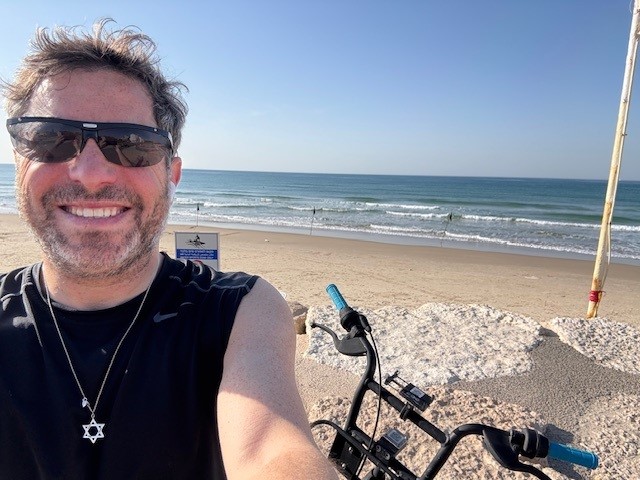
I have spent the last two weeks here mostly just trying to “live like an Israeli” for a little while, as much as a middle-aged American who speaks broken Hebrew can in the heart of Tel Aviv. My wife, Amy, and I rented an Airbnb. She worked a bit during the first week, but mostly we’ve spent time with family and friends—walking the city and boardwalk, eating our way through falafel, pizza, sushi, Chinese, and Italian food, soaking up the sun by day, and watching the Mediterranean sunset in the late afternoon. We have perused art galleries in Florentin, had a prix fixe menu on New Year’s Eve, rented “MetroFun” bikes, toured the Tel Aviv Museum of Art and the ANU Museum on the campus of Tel Aviv University, and met up with friends from back home in Atlanta and from growing up in Maryland, here and there.
When I am at the beach in Tel Aviv, I can see the Dan Panorama Hotel where I stayed with my Young Judaean friends for six days two years ago. I can see the yellow-domed gas station at which we were loading onto our bus when the tzeva adom alarm sounded and we had to run back into the hotel and hide in the mamad until the Iron Dome shot down rockets coming from Gaza to South Tel Aviv. I can look at the hotel and know that it’s filled with tourists now, and not the hundreds of refugees from Israeli towns on the border of Lebanon who lived there for months after the start of the war, and with whom we shared our accommodations and meals during the week we were here volunteering as Judaeans in 2024.
I am extremely fortunate to be good friends with several IDF soldiers, as many of them have worked with Amy as Shinshinim in Atlanta during their gap year between high school and army service, through a program with the Jewish Federation of Atlanta via the Jewish Agency. It has been so great to see them, give them a hug, treat them to coffee or meals, hear stories of their time in basic training or about their jobs (what they’re able to share!) in the army, and hear what they miss about America. And to know that we are being protected by the best of the best, and that things are a little calmer for them now due to the ceasefire than they would have been last year.
I had lunch today in the heart of Jerusalem with the daughter of one of my best friends from high school. She is a lone soldier who is four months away from finishing her army service, and she just got engaged. It gave me such incredible pride to spend time with her and hear about her experiences and her fellow soldiers that, after we parted ways, my heart was pounding to the point where I thought it was going to beat right out of my chest.
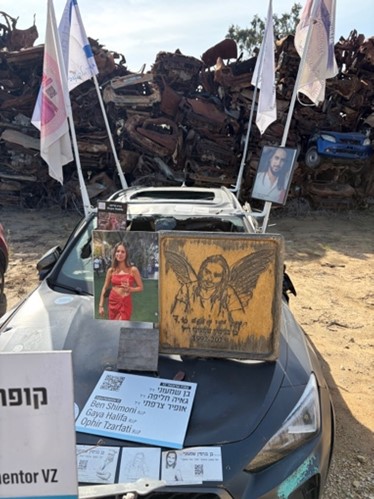
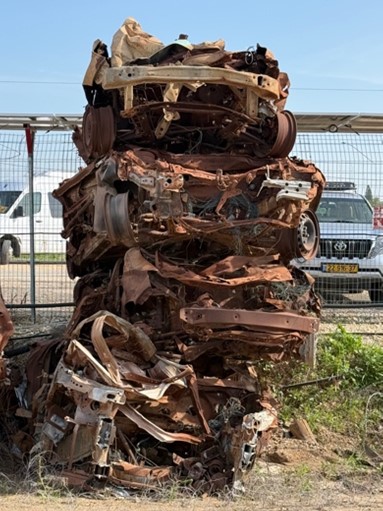
Two days ago, Amy and I took our 23-year-old daughter, Sydney, to the Gaza Envelope for the day to tour the border kibbutzim, the car museum, and the Nova Festival site. So many innocent Israeli children were taken from us in one morning 815 days ago—mostly Jewish people, but also a diverse group of Thais, Druze, Bedouins, and Christians, as anyone who has been following the war knows. People who, while beautifully and tastefully memorialized in the south of Israel so that we can pay our respects and bear witness, have been silenced forever.
But there is hope here now. Next to our Airbnb there is a preschool whose kids are dropped off at about 8 a.m. every morning. It is such a treat to hear the happy voices of small Jewish children filling our street as they start their school day. On the beach are young men and women going for a jog or a bike ride, walking arm in arm with their partners, or joyously playing beach volleyball—using their hands, heads, shoulders, and feet—sometimes yelling as they dive for the ball. As I hear these sounds, it fills my heart to know that, at least for the moment, they are able to live their lives carefree and full of enjoyment.
I spent some of the afternoon today walking around the Old City, and tonight I will be back on the Mediterranean, having dinner in the heart of Jaffa. These are two places where Jews, Muslims, and Christians are strikingly and beautifully able to coexist peacefully day after day, year after year (even if it’s complicated!). My prayer for Israel, for the Middle East, and for the world is that we can use their example to inspire us to continue to uphold the ceasefire, continue to pick up the pieces, and find meaning and joy in life in the wake of the disaster that befell this country and our people in 2023.
Let Ran Gvili be returned. Let the clock in Hostage Square be stopped, turned off, and taken away—maybe even taken to the trash dump, crushed and incinerated, and forgotten forever. Let it be soon. As Young Judaea inspired me and enabled me to come back to Israel in the wake of the war many months ago, I hope that those of you reading this will find a way to use your YJ connection to come back to Israel soon—bring your kids, contribute to the economy, and help our people and our homeland continue to regain a sense of normalcy in 2026.
Working with youth gives me hope
Young Judaea
September 19, 2025
At our recent teen leadership training weekend, we had an activity where we shared different metaphors for our relationship with Israel. These metaphors were based on various Zionist thought leaders throughout history.
There was an engaged conversation about one metaphor describing the relationship with Israel as a “ball and chain”: Some interpreted it as feeling responsible for representing Israel in their schools or with their friends. Others characterized it as a burden that they can never shed. Just by being Jewish, they might feel the pressure and expectation to know everything that is happening and to defend every action, statement and position that Israel, its people and its government take, regardless of their personal perspectives.
Then, like a voice from the heavens, one of the teens raised her hand. “I completely disagree,” she said. “I don’t see Israel as a burden or something that drags me down.” We asked her what metaphor she would choose instead, and without hesitating she lit up and said, “Israel is my wings. With Israel I feel like I can fly.”
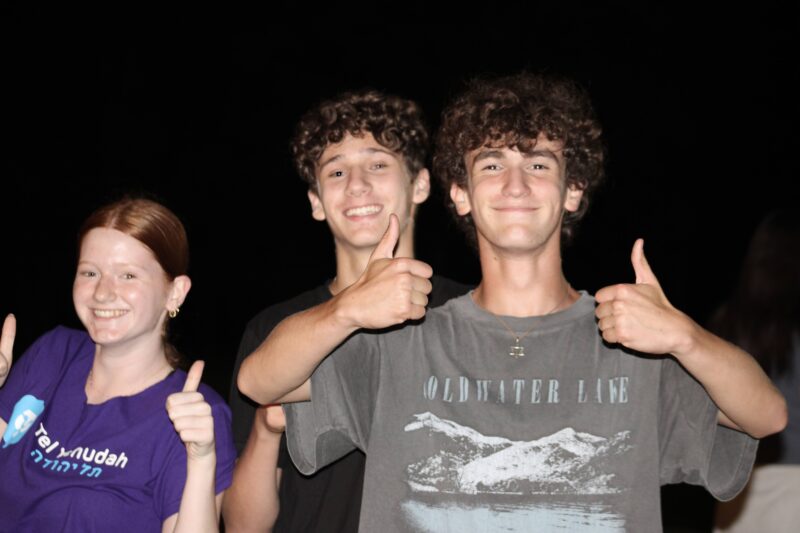
Teens at a Young Judaea teen leadership weekend in 2025.
There was an audible gasp by the older generation in the room. She literally took our breath away. Why? It wasn’t that her sentiment was universally shared, but that it radiated such hope and aspiration — something we, as Jewish professionals, hunger for. It brought oxygen into the room.
People often ask me what it’s like to lead a Zionist youth movement. They expect me to talk about the hard parts (and yes, those moments exist), but it always surprises them that I think the greatest privilege of all is to work with today’s youth. Working with youth gives me purpose, of course, but what I love most is their raw, authentic optimism, something too many of us adults lose along the way. I joke that being around youth makes me age in reverse. They keep me young.
The “Hope Study” cites various sources of hope that mitigate the lack of hope among Jewish professionals. They include professional impact, participating in social change, belonging to a group, and tradition. I would add to this list: working with youth. Those of us who have the honor of working with youth, day in and day out, are investing in the future, but we are also reaping the benefits in the present. The study goes on to say that there are organizational differences in their findings. Those who work in day schools scored highest in having hope, which I would posit has a lot to do with the populations they are working with each day: youth.
That said, I don’t want to minimize the detractors from hope and optimism. We are working in incredibly challenging times and conditions. With crisis after crisis and constant threats, the burnout among Jewish professionals is real; as Barry Finestone said in his recent article ”The crisis we are ignoring”, “the people holding up the Jewish world are running on fumes.” And we need to look at strategies and approaches to renew, restore and build up resiliency. I would add to Barry’s list of antidotes to this burnout: regular exposure to today’s youth (although preferably not limited to your own children — that’s more complicated).
Throughout the year, while my work demands a significant amount of travel, getting out into the field to talk to our youth, to engage them in dialogue and to be constantly amazed by their freshness, directness and unbridled optimism — that is what gives me hope. If you don’t believe me, look at my socials where I document my site visits. I can’t help but feel some of that same optimism when I spend time with our youth; and as I come back to the office, I try to hold onto that feeling, those precious interactions, until my next time in the field.
So, if you are looking for an oxygen mask to revive you and restore your hope, consider working with today’s youth. Who knows — you might even live a little longer.
Adina H. Frydman is the CEO of Young Judaea Global.
Tell us about your involvement in Young Judaea. I started at Sprout Lake when I was 10, then went on to Tel Yehudah in ’94 and ‘95, Machon, and Year Course 1998-99. I was also involved a bit in the New York club as a kid.
Do you still connect with friends from YJ? Absolutely. I’m still very close with about 15 friends from my YJ days. The special part is that now our kids all go to Sprout together—it’s truly a second generation of our group.
What impact has YJ had on your life? My closest lifelong friends are from YJ, and those friendships have grown into family bonds. YJ also gave me confidence to be an organizer, to bring people together. The programming taught us not what to think, but how to think—presenting all sides of complex issues and trusting us to form our own conclusions.
And of course, Israel. YJ’s approach is spot on. It’s about love for the culture, the shira, the rikkud, and the history. Being able to engage deeply with Israel as a teenager shaped how I connect to my Jewish identity today.
What prompted you to get back involved? After October 7th, I felt an urgent need to return to Israel. When I saw the YJ mission announcement, I signed up immediately. That week—meeting survivors, visiting cemeteries, and then being back at Kibbutz Ketura—was incredibly powerful. Looking at the sunset in the Negev, it reawakened the spirituality I felt as a 19-year-old, and my connection to Young Judaea.
Is YJ still relevant today? More than ever. Being Jewish in America right now is more challenging than it’s been in generations. YJ provides a safe space where kids can truly be themselves, explore their Jewish identity, and build a meaningful connection to Israel. That kind of environment is rare—and essential.
What inspired you to organize reunions? Honestly, I just love hanging out with my YJ friends. It never feels like a burden—it’s fun, and it’s rewarding to bring everyone together. I encourage other alumni to start with your own age group or “adah.” Once you gather a critical mass, the magic of YJ friendships takes over naturally.
Eli’s YJ History: Sprout Lake 1990-92, Tel Yehudah 1994-95, Counselor at YJ West and MH (at Tel Yehudah) 1997, Year Course 1998-99
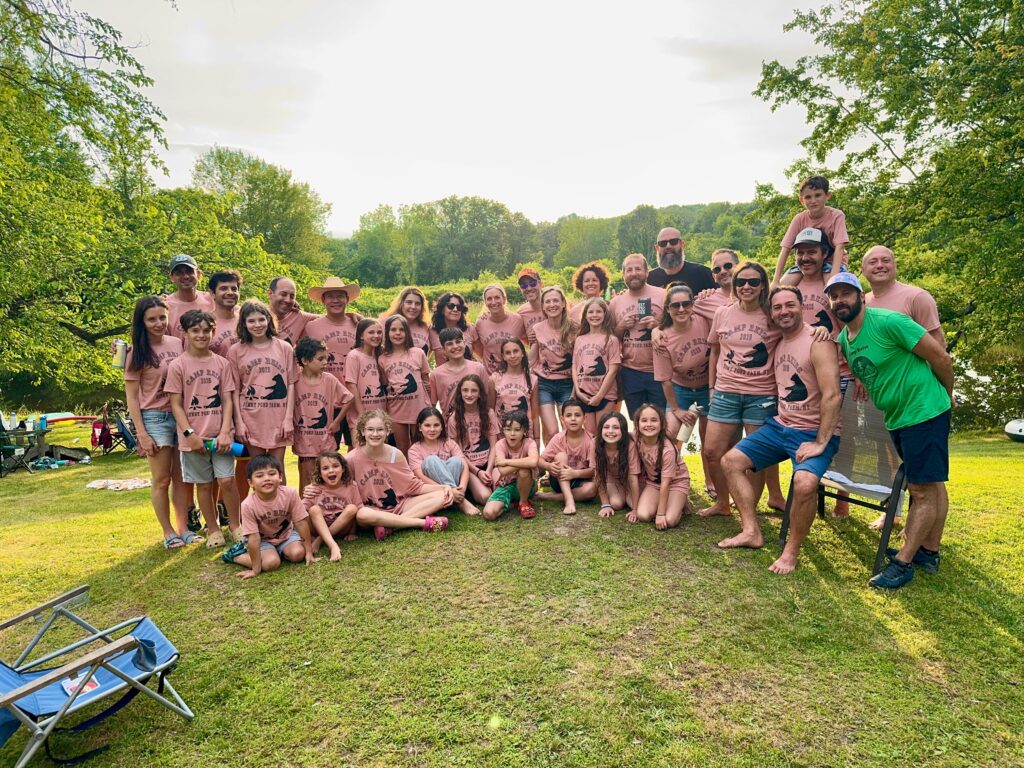
Generations of Young Judaeans reunion with Eli and friends and their families
Alumni Spotlight: Mikayla Kaplan
Young Judaea
September 4, 2025
How did Young Judaea shape your Jewish and Zionist identity? Growing up at CYJ gave me the foundation to create and flourish my Jewish and Zionist identity. It instilled in me a love and deep knowledge of Israel, and later TY and Year Course solidified that. It also gave me the chance to be my most authentic Jewish self and connect with people who practice Judaism differently than I do, which was so impactful since I didn’t get that exposure at home. And of course its given me so many friends, and people I now consider family.
Did your Year Course or other YJ experiences influence your decision to become involved in Israel advocacy on campus? On Year Course, I worked with Israelis and Palestinians through Magen David Adom and gained firsthand insight into Israeli life. That experience deepened my connection to Israel and gave me the confidence to engage others in real dialogue. Working at CYJ Texas also shaped how I think about Israel education, especially for younger generations.
In what ways have you stepped up on campus since 10/7/23? I became president of Hoosiers for Israel and also serve as co-marketing chair on our Hillel student board. In these roles, I’ve helped plan and promote events like Israel Palooza, our October 7th memorial, and other programs that support and uplift Jewish students on campus.
Why do you think YJ is still relevant for young people today? A lot of Jewish youth movements have lost popularity, but they’re so important. They bring people together around shared values and create space for real conversations. Unlike sports or arts, this kind of ideological community lets young people explore their faith and identity, ask tough questions, and grow together.
Mikayla’s YJ History: CYJ Texas 2014-18, Tel Yehudah 2019, CIT/Staff at CYJ Texas 2021-2025, Year Course 2022-23
Alumni Spotlight: Howie Rodenstein
Young Judaea
September 4, 2025
When did Young Judaea first become part of your life?
I joined in high school, and it quickly became the focus of my life. I went to Tel Yehudah, did Year Course, and even volunteered on a moshav during the Yom Kippur War. Those experiences shaped my connection to Israel and Zionism.
How did your involvement continue after Year Course?
In college at Brandeis, I stayed active in YJ—leading clubs in Newton, working at Tel Yehudah (where I met my wife), and helping start a garin to Kibbutz Ketura. YJ gave me real responsibility early on. Everything was peer-led, and we learned by doing.
What inspired you to start the Israel Ride?
Years later, my old YJ friend David Lehrer was leading the Arava Institute. I had gotten into biking and thought—why not create a ride to raise money for the Arava? It felt very YJ to support Israel, peace, and the environment. The first year we had 30 riders; soon it was over 100. In 20 years, the Ride has brought more than 2,000 riders and raised millions. In many ways, organizing it felt just like running a YJ pe’ulah.
How do you see the impact of Young Judaea on your life today?
YJ taught me as much about leadership as anything else I’ve ever done—including school. I learned how to communicate, involve people in discussion, and hold multiple perspectives while working toward a shared purpose. YJ gave me mission and responsibility, and it’s why I’ve devoted so much of my life to nonprofit work, education, and Israel.
Why are you serving on the Young Judaea board today, and as treasurer?
Now more than ever, a Zionist youth movement is essential in America. For YJ to thrive, it needs strong, year-round activity to complete the circle. I joined the board, and took on the role of treasurer, to help make that happen and ensure YJ continues shaping the next generation the way it shaped me.
Howie’s YJ History: Mazkirut New England, Tel Yehudah camper and staff, Year Course 1972-73, YJ Club Madrich, Machon and Chavurat Yisrael, Madrich MA and Merakez
From Year Course to a Life of Service
Young Judaea
August 25, 2025
By Perri Schwartz, Year Course 2021-22
Year Course didn’t just give me amazing friendships and unforgettable memories—it inspired me to give back in ways I never imagined. The program showed me that service, leadership, and listening deeply to others are powerful acts of change.
During my time on Year Course, I made it a priority to learn from both Israelis and Palestinians on the ground, gaining a deeper understanding of the geopolitics of this beautiful land. One of the most defining parts of the program was my internship with Israel Daily News. That experience not only opened doors professionally but also set the foundation for the work I continue to do now.
Since completing Year Course, my path has only grown from there. I’ve been back with Israel Daily News since September 2024, and next month I’ll be celebrating my one-year anniversary. Alongside my journalism and content creation, I joined Repair The World as part of their summer service corps and now serve as a service ambassador. I also started a local chapter of Run 4 Their Lives, a challenging but meaningful mission that has already seen real growth.
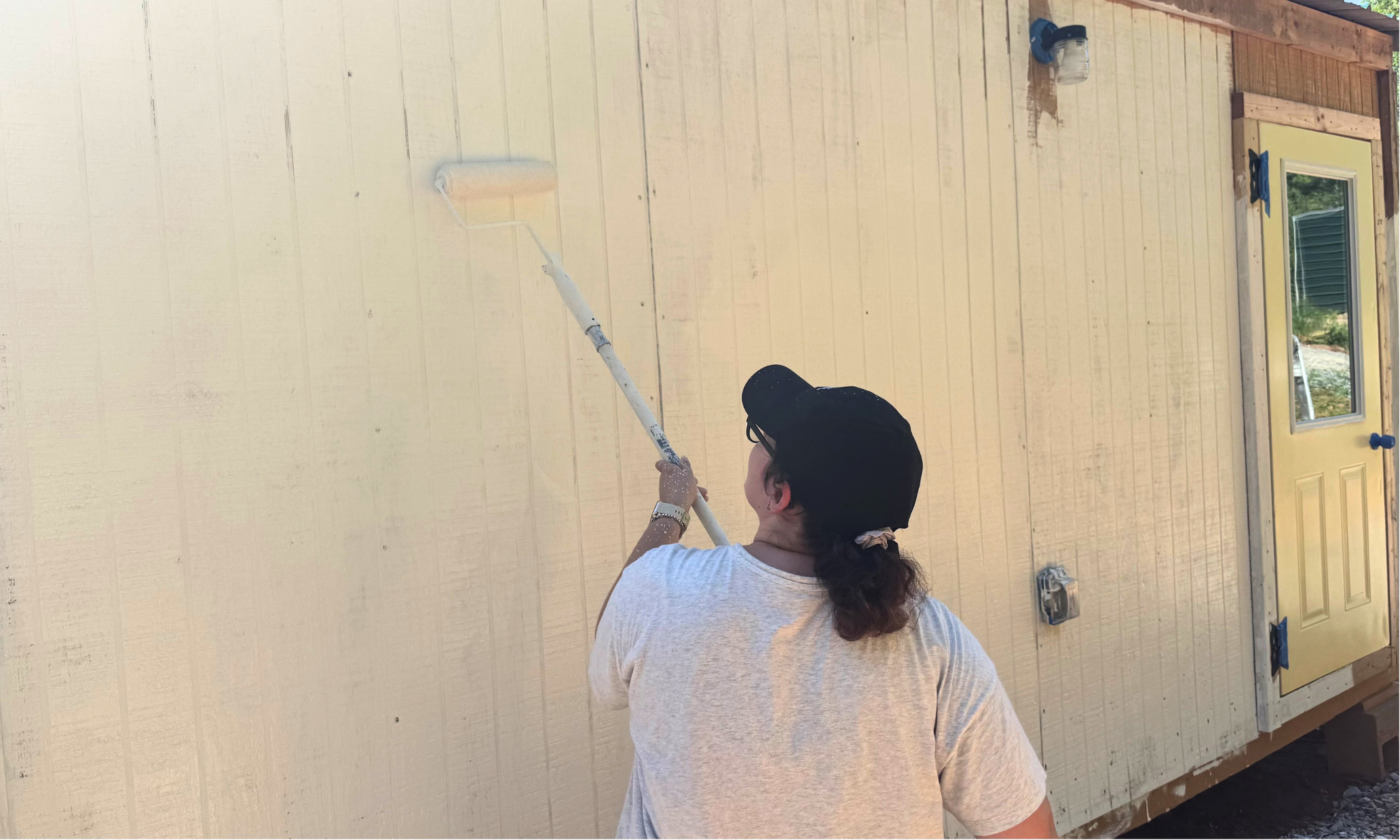
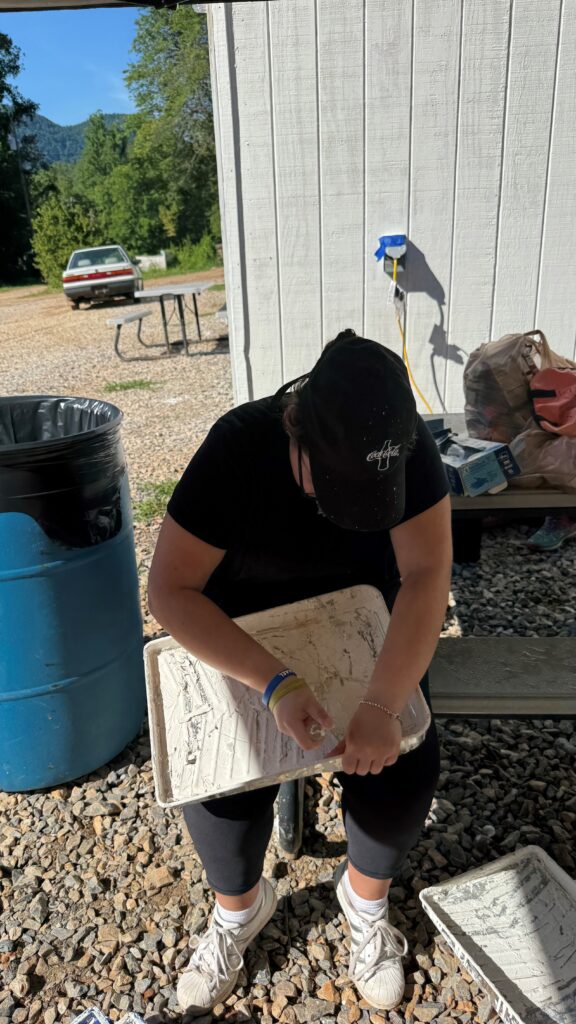
Most recently, I participated in a 5-day retreat with Repair The World and Moishe House in Western North Carolina, helping a community still recovering from Hurricane Helene. That experience reminded me once again that real change doesn’t happen overnight—it happens when we show up, listen, and stand in solidarity.
The skills I gained through Year Course continue to shape me every day. Through my digital activism (@perrispeaks_ on Instagram) and leadership projects, I’ve grown into a stronger person who refuses to give up on my dreams—even when my college path didn’t go the way I planned. Today, I’m proud to be a published writer not just for IDN, but also in The Jerusalem Post, Times of Israel Blogs, and Unpacked Media. And I know this is just the beginning.
In Judaism, service isn’t just a value—it’s a divine act of engagement. When we commit to helping others, we sanctify that holy duty. As Pirkei Avot (Mishnah 4:5) teaches:
“Whoever saves a single life, it is as though they have saved an entire world.”
Every person is a universe of potential, stories, and worth. By serving with humility, respect, and love, we honor the divine spark within each individual.
I’m proud of what I’ve accomplished so far and even more excited about what lies ahead. We are capable of more than we think. Here’s to continuing the work—and to doing more good, together, for the world.