Global Jewish Camping
By Michelle Mohnblatt, Assistant Director of Staff Hiring and Programs of Camp Young Texas
When I moved to Mexico at 19, I found a Jewish community that felt very different from
the one I grew up in. My hometown of Bogotá, Colombia, was a small Jewish community
of around 4,000 Jews in the whole country at the time. Some people might think that a
smaller Jewish community means fewer opportunities, but that was not my experience.
On the contrary, one of the most important parts of our community was how involved
everyone was. In Mexico, however, there were many more Jewish schools, synagogues,
youth movements, sports teams, and institutions, things that can only exist in a much
larger community. I was most impressed by the different ways the community supported
its people, and by the fact that not everyone had to be involved in everything to make
it all work. I realized then that every community has different needs, and with those
needs come different opportunities. But my perspective on Jewish diversity did not start
in Mexico. It started years earlier, the summer I went to camp.
When I went to a Jewish sleepaway camp for the first time at 13, I discovered another
model for Jewish life. Camp Young Judaea Texas is a pluralist camp that opened my
eyes to different sides of the religion, not just by showing them to me but by being
surrounded by so many different Jewish people that were my own age, all of us coming
from different ways of life, different knowledge about our religion, and different
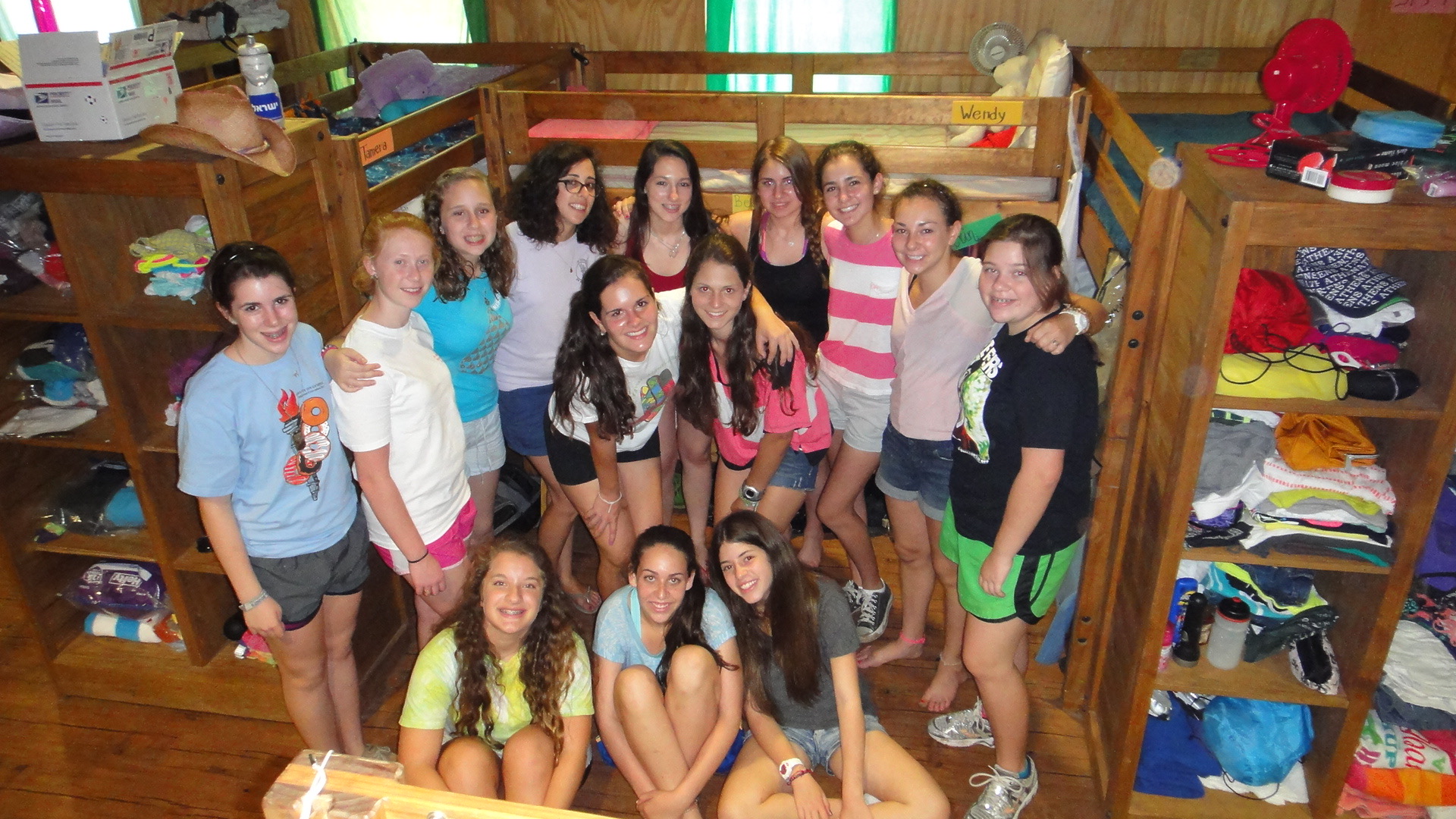
practices in our homes. Some of the kids in my bunk had never had the opportunity to
pray Shacharit; meanwhile, in my Jewish school we prayed every morning. Some had
never spoken a word in Hebrew, and some were fluent. But we did have something in
common — we were all Jewish, at a stage in life of growing and figuring out who we
are and the way we want to live our religion.
Even at 13 we were all curious to learn from each other and experience Judaism in a
different way. For me it was really fun trying their traditions and seeing what things I
liked the most to bring back home after camp. I remember one day when they taught
us about the Shema, and one of the counselors explained what it personally meant to
him and how he connected to it on a deeper level. I had said the Shema all my life, but
hearing someone speak about it that way helped me realize that Judaism is not only one
thing. This helped me realize that there is not just one right way to be Jewish.
This will be my fourth summer working at Camp Young Judaea in Texas. Like many
people in the camp world, I first came as a camper, then worked as a counselor, and
slowly grew into leadership roles. Today, part of my job is hiring seasonal staff. During
many interviews, when I ask why they want to come to camp, they often say that while
camp is fun, it is also the one place where they can be completely themselves. They feel
connected to Judaism and to Israel, and they do not have to hide it.
Camp is a safe place where both counselors and campers can show who they truly are. By
the end of the summer, you can see how much they grow in confidence and how much
more comfortable they become expressing themselves. I know that growth comes from
giving them a place where they feel safe being exactly who they are, and in doing so,
we are teaching them to be proud Jews.
Camp shows us that there isn’t one correct way to practice and teach Judaism, as I have
personally experienced. We are a global people that have joy and a need for a sense of
community. I have learned that being a proud Jewish person can look different in every
community. The customs may change, but all of us are trying our best to be good, kind
people. When we teach about Judaism, I believe we should think not only beyond the
practices but also focus on the values behind them —who we are and what we stand
for. That is what I have learned from growing up in Bogotá, living in Mexico, coming to
camp, and from now helping create that experience for others.
Originally published in the Foundation for Jewish Camp’s Peoplehood Papers, Edition 36: Cultivating Jewish Peoplehood at Camp.
[Read the full paper]